

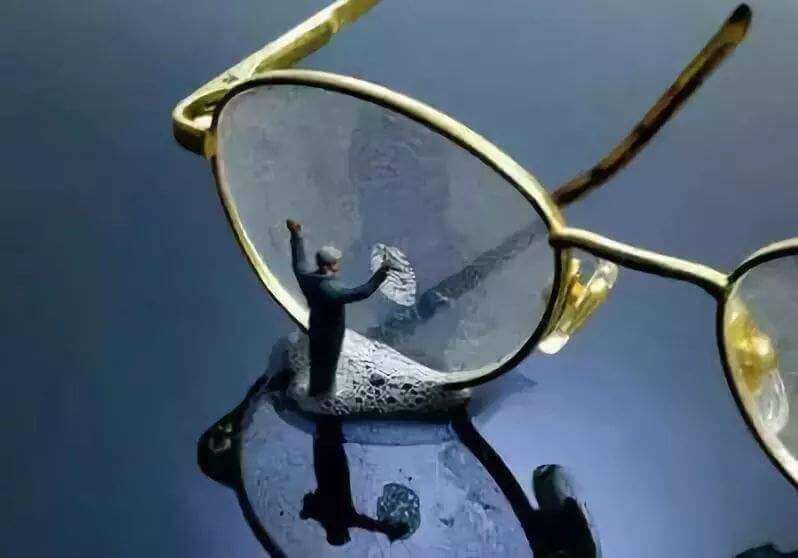

Yes, glasses can be cleaned with ultrasonic cleaning equipment when the lenses, coatings, frame, cleaning solution, temperature, and operating conditions are compatible. The process is particularly effective for removing skin oil, dust, cosmetic residue, dried perspiration, and contamination trapped around nose pads, hinges, frame grooves, and lens edges. However, not every pair of glasses should be placed in a household ultrasonic cleaner. Modern eyewear often includes plastic lenses, anti-reflective coatings, polarized filters, photochromic layers, bonded components, and decorative finishes that require a controlled cleaning process.
For valuable prescription glasses, coated lenses, safety eyewear, or frames with unknown construction, professional optical cleaning is the lower-risk option. A professional optical workshop can identify the lens material, inspect the coating condition, select a suitable solution, and control temperature and exposure time.
For routine home care, rinsing with lukewarm water, applying a lens-safe cleaner, and drying with a clean microfiber cloth remains the safest general method. Ultrasonic cleaning is best viewed as a controlled deep-cleaning process rather than a universal replacement for normal lens care.
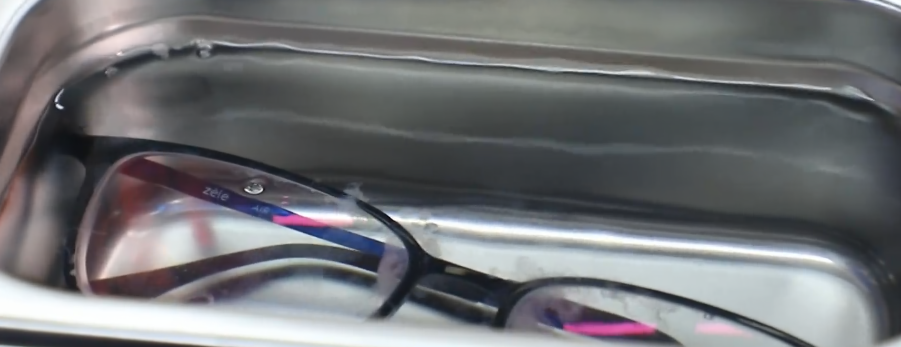
Ultrasonic cleaner in the process of cleaning eyeglasses
When Ultrasonic Cleaning Is Suitable for Glasses
Ultrasonic cleaning is most suitable when contamination has accumulated in areas that are difficult to reach with a cloth. The spaces around hinges, nose pads, temple joints, frame channels, and lens retainers can collect oils and fine particles. These deposits may remain even when the visible lens surface appears clean.
Suitable eyewear typically has a sound frame, firmly seated lenses, intact coatings, and no loose decorative components. Metal frames and basic optical glass are generally more tolerant of controlled ultrasonic cleaning than fragile assemblies containing adhesives, soft plastics, laminated filters, or damaged surface coatings. Even when the base lens material is mechanically durable, the complete eyewear assembly must be evaluated because the lens is only one part of the product.
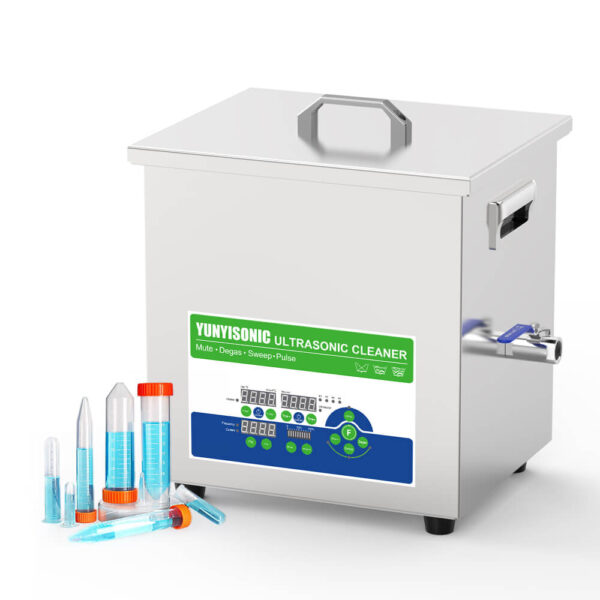
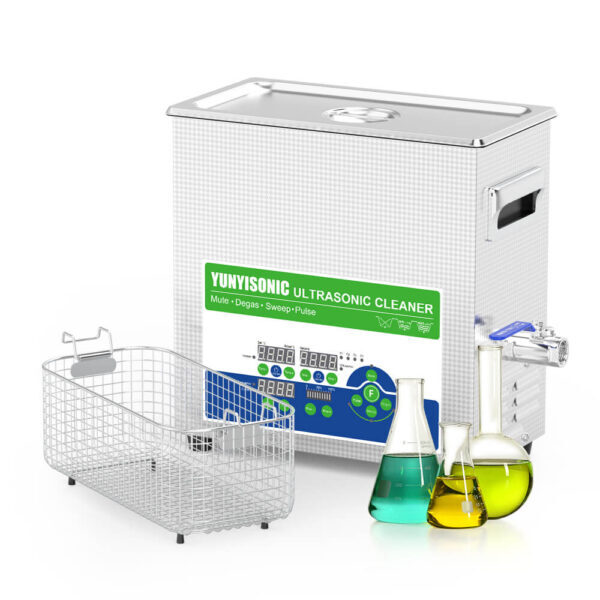
A useful product format for occasional eyewear cleaning is a compact dual-frequency bath such as the 40/68kHz Dual-Frequency Lab Ultrasonic Bath. The lower frequency is intended for heavier residue on durable parts, while the higher frequency provides a gentler operating condition for glasses, watches, and other fine items. Adjustable timing, heating, and power control are important because eyewear should not be exposed to unnecessarily strong or prolonged cleaning conditions.
How Ultrasonic Cleaning Works on Eyewear
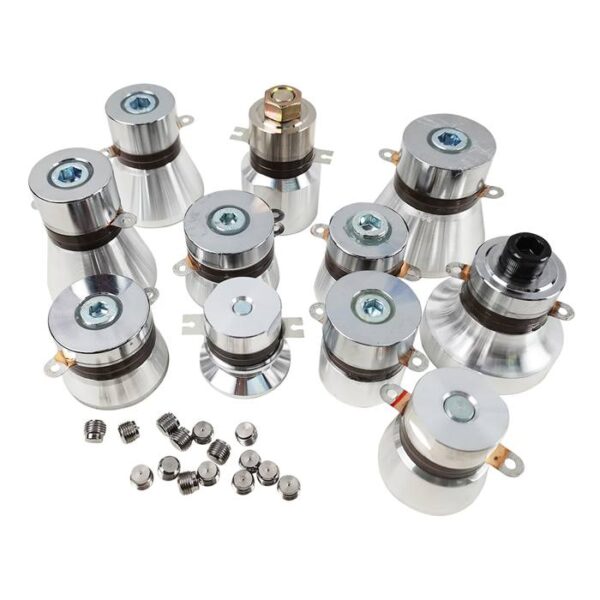
Ultrasonic transducers convert electrical energy into high-frequency mechanical vibrations. These vibrations generate pressure waves through the liquid inside the tank. When the pressure changes are strong enough, microscopic vapor-filled bubbles form and then collapse rapidly. This phenomenon is called acoustic cavitation.
The collapse of these bubbles produces localized liquid movement, pressure pulses, and small-scale shear forces near the immersed surfaces. During ultrasonic cleaning, these forces loosen contaminants from the frame and lens surface without requiring a brush to enter every narrow gap. The process does not clean by stirring the liquid. Any separate pump, spray nozzle, or mechanical circulation system performs a different function and should not be confused with the action of acoustic cavitation.
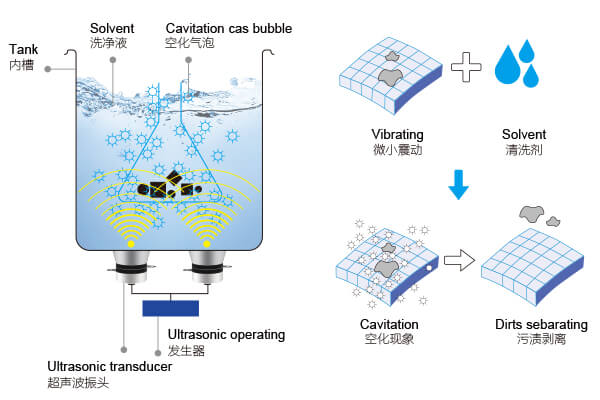
The Principle Behind Ultrasonic Cleaning
Cleaning performance depends on several interacting variables. Frequency affects the size and intensity of cavitation bubbles. Lower frequencies generally produce more energetic cavitation that is useful for robust parts and heavier contamination. Higher frequencies create smaller bubbles and are commonly selected for more delicate surfaces and narrow features. The correct frequency is not determined by the word “glasses” alone; lens design, coating condition, frame material, and contamination type all influence the selection.
Water temperature also affects the process. Moderate heating can reduce the viscosity of oily contamination and improve the performance of a compatible detergent. Excessive heat, however, can stress lens coatings, soften adhesives, deform thermoplastic frame components, or accelerate damage that already exists. The technical relationship between temperature and cleaning performance is discussed further in Hot Water and Ultrasonic Cleaners: Temperature Guidelines for Optimal Cleaning.
Lens Materials, Coatings, and Frame Compatibility
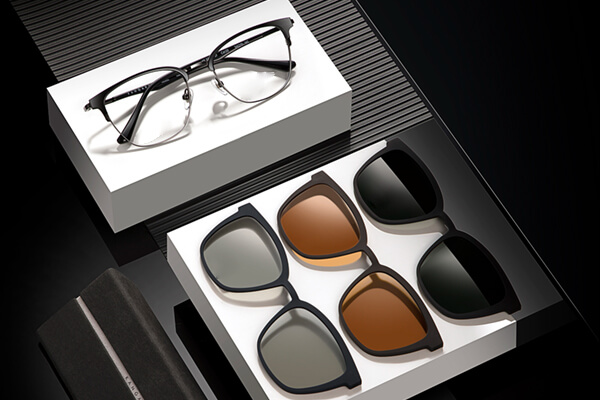
Glasses
Glass and Plastic Lenses
Optical glass has good dimensional stability and chemical resistance, but a glass lens may still include coatings or bonded components that require care. Most modern prescription lenses are made from plastic materials such as polycarbonate, high-index polymers, or other optical resins. These materials are lighter than glass but may be more sensitive to scratches, solvents, heat, and coating damage.
The base material should therefore not be treated as the only compatibility factor. A plastic lens with an intact hard coat and anti-reflective system may behave differently from an uncoated plastic lens, a scratched lens, or a lens with an aging surface layer. The same principle applies to safety glasses and sports eyewear, where additional filters, shields, vents, or impact-resistant components may be integrated into the design.
Anti-Reflective and Protective Coatings
Lens coatings are thin engineered layers rather than permanent changes to the bulk lens material. Anti-reflective coatings, hard coats, hydrophobic layers, oleophobic layers, anti-static treatments, and UV-filtering systems can be deposited or applied in multiple stages. ZEISS describes modern lens coatings as systems that can include hard protective layers, anti-reflective layers, anti-static functions, and water- or oil-repellent top coats. Details are provided in ZEISS DuraVision Plus lens coatings (ZEISS).
An ultrasonic cleaner does not automatically strip an intact coating from every lens. The risk increases when the coating is already cracked, delaminated, scratched, chemically weakened, or poorly bonded. Acoustic cavitation can expose defects that are not obvious before cleaning. If a lens has cloudy patches, rainbow-like areas, peeling edges, fine cracks, or visible coating separation, ultrasonic cleaning should be avoided until an optical professional has inspected it.
Temperature changes are also important. Different layers can expand at different rates, particularly when a lens substrate, hard coat, and surface coating have different thermal properties. Rapid heating or cooling may increase stress at the interfaces. For this reason, eyewear should not be transferred suddenly between very cold and very hot conditions.
Frames, Hinges, Nose Pads, and Decorative Parts
Metal frames are usually easier to assess than mixed-material frames, but corrosion, plated finishes, soldered joints, and embedded stones can introduce limitations. Plastic frames may tolerate short exposure to a mild aqueous solution but can soften or discolor if the temperature or chemical concentration is too high. Flexible temple tips, silicone nose pads, adhesives, and decorative inserts deserve particular attention.
Loose screws, damaged hinges, cracked rims, and partially detached nose pads should be repaired before cleaning. Ultrasonic cleaning can remove contamination from a loose component, but it cannot restore mechanical integrity. In some cases, vibration and fluid pressure may cause a weak part to move, separate, or become difficult to locate in the tank.
How to Clean Glasses in an Ultrasonic Cleaner
The glasses should be inspected before the tank is filled. Check for loose lenses, cracked frames, missing screws, coating defects, damaged nose pads, and electronic components. Smart glasses, illuminated eyewear, camera glasses, and other powered devices should not be immersed unless the product documentation specifically approves immersion cleaning.
Use a clean tank filled with water and a low-foaming, water-based cleaning solution that is compatible with optical materials. Household solvents, acetone, high-concentration alcohol, aggressive degreasers, and unapproved disinfectants can attack coatings or frame materials. The solution should be mixed according to the chemical supplier’s instructions rather than estimated by appearance.
A practical operating sequence is:
- Remove loose dust and grit by rinsing the glasses with clean lukewarm water.
- Fill the tank to the manufacturer’s required level and avoid operating the machine without sufficient liquid.
- Degas a fresh solution if the cleaner provides a degas function, since dissolved gases can reduce early-stage cavitation performance.
- Place the glasses in a basket so they do not rest directly on the tank bottom.
- Keep the lenses separated from other metal objects to reduce contact damage.
- Select a short cycle, moderate temperature, and the lowest effective power setting.
- Remove the glasses with clean hands, rinse away solution residue, and dry with a dedicated microfiber cloth.
The glasses should not be held directly against the tank surface. Direct contact can produce localized vibration and mechanical stress, especially around thin lens edges and frame joints. The basket also improves handling and prevents accidental contact with the tank bottom.
Recommended Ultrasonic Cleaner Specifications
A suitable cleaner for glasses does not need extreme power or a large tank. A compact system with adjustable controls offers better process control than a high-output industrial machine. Relevant specifications include:
- Frequency: Approximately 40kHz is commonly used for general cleaning, while a higher selectable frequency may be preferable for delicate or finely detailed parts.
- Power adjustment: Variable power allows the operator to avoid using more cavitation energy than the eyewear requires.
- Timer control: Short, repeatable cycles help limit unnecessary exposure.
- Temperature control: Adjustable heating prevents uncontrolled temperature increases.
- Basket support: A basket keeps glasses away from the tank surface and simplifies removal.
- Stainless steel tank: A properly constructed stainless steel tank supports routine maintenance and chemical resistance when used with compatible solutions.
- Low-noise operation: Useful for optical shops, laboratories, and work areas where continuous high-frequency equipment noise is undesirable.
For users who need a larger but still manageable benchtop system for eyewear, watches, jewelry, or small precision parts, the 40/80/120/170kHz Switchable Quad-Frequency Ultrasonic Bath, 14L Capacity provides multiple frequency options and digital control. The larger capacity is useful for professional or workshop environments, although the system should still be operated at conservative settings for coated eyewear.
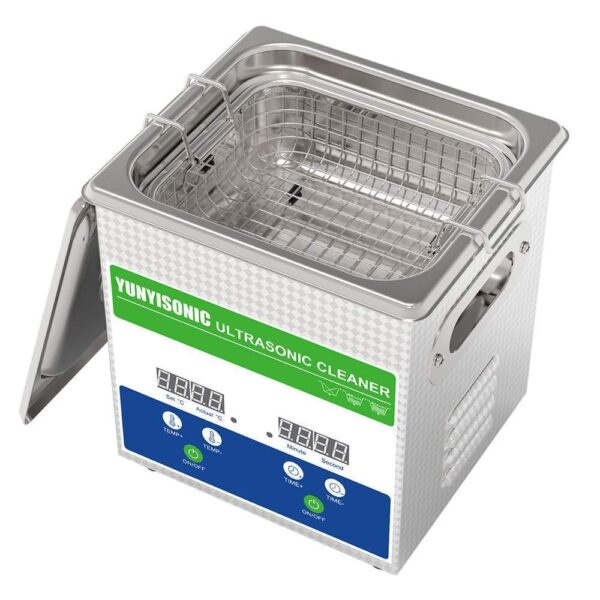
For a smaller application involving glasses, jewelry, and watches, the For Glasses Jewelry Watches ultrasonic cleaner category is more closely aligned with the intended use than industrial tanks or high-power immersion systems. Product selection should still be based on adjustable power, frequency, temperature, tank size, and the manufacturer’s stated application.
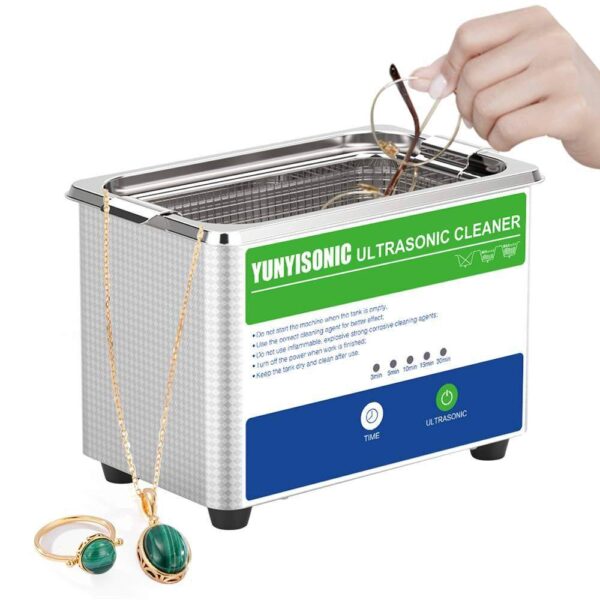
2L Digital Ultrasonic Cleaner for Watches, Small Parts, Metal Bands, Razors, and Dental Braces | Watchmakers and Jewelers Use
In stock
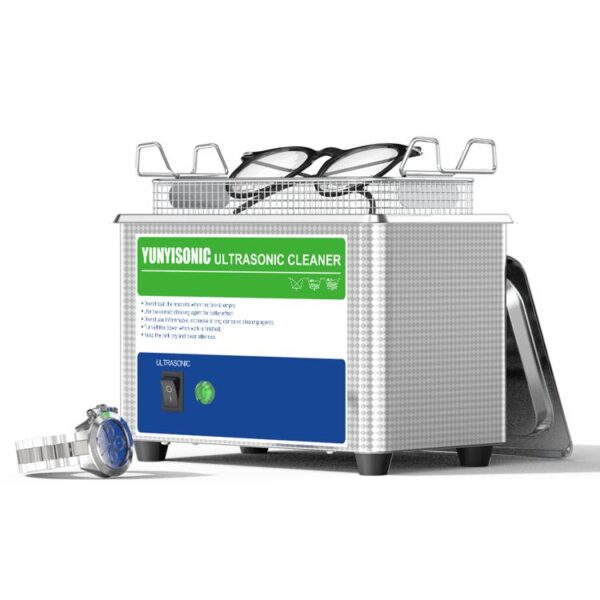
1L Smart Benchtopl Watch Ultrasonic Cleaner for Watchmakers and Household Cleaning In Bulk
In stock
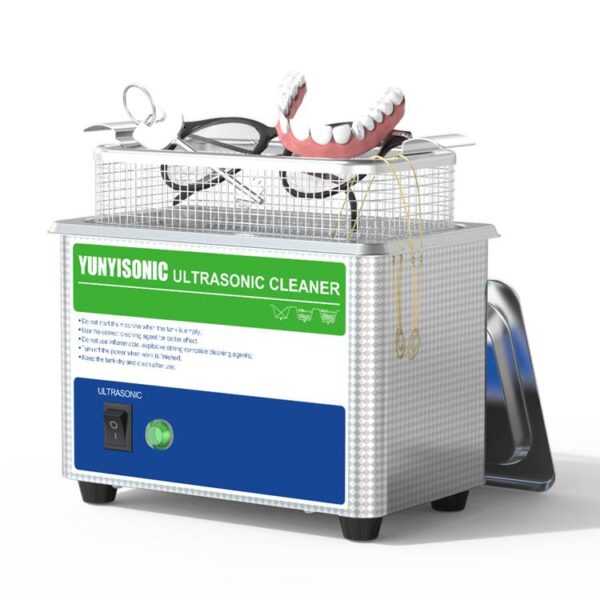
0.8L Ultrasonic Eyeglass Cleaner | Efficient Clean Spectacles, Magnifying Glasses, Optical Lenses, Jewelry, Dentures
In stock

40/80/120/170kHz Switchable Quad-Frequency Ultrasonic Bath, 14L Capacity, 0–400W Adjustable Power
In stock
When Glasses Should Not Be Placed in an Ultrasonic Cleaner
Ultrasonic cleaning should be avoided when the condition or construction of the eyewear is uncertain. The most important exclusions include lenses with peeling or cracked coatings, frames with loose parts, eyewear containing electronic assemblies, and products with manufacturer instructions that prohibit immersion.
Polarized lenses require additional caution because the polarizing filter may be laminated between lens layers. Sports eyewear can include mirror coatings, ventilation channels, rubberized components, and impact-resistant lens systems. Sunglasses with specialty coatings should be assessed individually. Additional guidance is available in Can You Put Sunglasses in an Ultrasonic Cleaner? Safety Guidelines and Best Practices.
Ultrasonic cleaning is also unsuitable for removing scratches. Cavitation may detach contamination, but it cannot restore damaged optical surfaces. Scratches, coating failure, and cloudy lens areas require replacement or professional evaluation rather than a stronger cleaning cycle.
Common Problems and Practical Solutions
Cloudy lenses after cleaning may indicate detergent residue, mineral deposits, or pre-existing coating damage. Rinse with clean water and dry with a lint-free microfiber cloth. If cloudiness remains, stop repeated cleaning cycles and request an optical inspection.
Persistent oily film may result from an unsuitable solution, insufficient temperature, an overloaded tank, or a cleaning cycle that is too short. A low-foaming optical-safe detergent and a fresh bath are preferable to increasing power without changing the process.
Visible spots after drying are often caused by hard-water minerals. Tap water may be acceptable for general cleaning, but purified or deionized water is more appropriate where mineral spotting is unacceptable. The distinction between general and precision applications is explained in Can You Use Tap Water in an Ultrasonic Cleaner?.
Foam formation can reduce effective transmission of pressure waves through the liquid. Excessive detergent, high-foaming household soap, or contamination from previous processes may create this problem. Drain, clean, and refill the tank with a properly diluted low-foaming solution when necessary.
Ultrasonic Cleaning Compared with Manual Lens Cleaning
Manual cleaning is more appropriate for daily maintenance because it is quick, inexpensive, and easy to control. A clean microfiber cloth and lens-safe solution can remove fingerprints and light dust without immersing the complete frame. Rinsing first is important because wiping dry grit across a lens can create scratches.
Ultrasonic cleaning offers a different advantage: it reaches recessed frame areas and small mechanical gaps that a cloth cannot access. It is therefore valuable as an occasional deep-cleaning method, especially in optical workshops and service environments. The two methods are complementary rather than interchangeable.
The most effective workflow is to use manual cleaning for routine care and controlled ultrasonic cleaning when contamination has accumulated around the frame or when professional equipment is available. The article Factors That Influence Ultrasonic Cleaning Performance provides additional technical context on frequency, temperature, solution chemistry, loading, and operating conditions.
Maintenance and Safe Operating Practices
The tank should be emptied and cleaned at suitable intervals based on contamination load. Dirty solution can redeposit oils and particles on eyewear, reduce cleaning consistency, and increase strain on the equipment. The basket and tank should be rinsed after use, while electrical controls should be protected from splashes.
Never place hands or fingers in an operating ultrasonic cleaner. The combination of cavitation, heat, and cleaning chemicals can cause injury, particularly in higher-power equipment. The operating area should also have adequate ventilation, and flammable solvents should not be used in a standard open ultrasonic cleaner. General safety information concerning ultrasonic equipment and associated noise is available in Occupational Noise Exposure: Ultrasound (Occupational Safety and Health Administration).
Glasses should be removed from the tank before the cycle ends if the equipment permits safe interruption, then rinsed and dried without delay. Regular inspection after cleaning helps identify loose screws, damaged pads, coating defects, and frame distortion before the eyewear returns to service.
For most household users, the safest decision is to use manual lens care and reserve ultrasonic cleaning for eyewear that has been confirmed compatible. When professional equipment is used with conservative settings, a suitable aqueous solution, controlled temperature, and proper basket support, ultrasonic cleaning can provide effective removal of contamination from both lenses and hard-to-reach frame areas without relying on abrasive scrubbing.
References
- ZEISS DuraVision Plus lens coatings (ZEISS)
- Occupational Noise Exposure: Ultrasound (Occupational Safety and Health Administration)
- Can You Put Sunglasses in an Ultrasonic Cleaner? Safety Guidelines and Best Practices
- Hot Water and Ultrasonic Cleaners: Temperature Guidelines for Optimal Cleaning
- Can You Use Tap Water in an Ultrasonic Cleaner?
- Factors That Influence Ultrasonic Cleaning Performance