

Ultrasonic cleaners have revolutionized the way we clean delicate items, from jewelry to medical instruments. One of the most frequently asked questions among both new and experienced users involves water temperature. The short answer is yes, you can use hot water in an ultrasonic cleaner, but understanding the proper temperature ranges and safety considerations makes all the difference between effective cleaning and potential equipment damage.
Temperature plays a crucial role in ultrasonic cleaning effectiveness. While the cavitation process created by ultrasonic waves does most of the cleaning work, water temperature significantly influences the outcome. Many users wonder whether adding hot water will boost cleaning performance or harm their investment in cleaning equipment.
Temperature
Understanding Ultrasonic Cleaning Technology
Before diving into temperature specifics, it helps to grasp how ultrasonic cleaners actually work. These devices generate high-frequency sound waves, typically ranging from 20 kHz to 400 kHz, though most consumer models operate between 35 kHz and 45 kHz. These sound waves travel through the cleaning solution, creating microscopic bubbles in a process called cavitation.
How Ultrasonic Waves Create Cleaning Action
The cavitation bubbles form and collapse thousands of times per second. When these tiny bubbles implode near the surface of items being cleaned, they create intense but localized energy. This energy dislodges dirt, grime, oils, and contaminants from even the smallest crevices and hard-to-reach areas. The process works without requiring harsh scrubbing that might damage delicate surfaces.
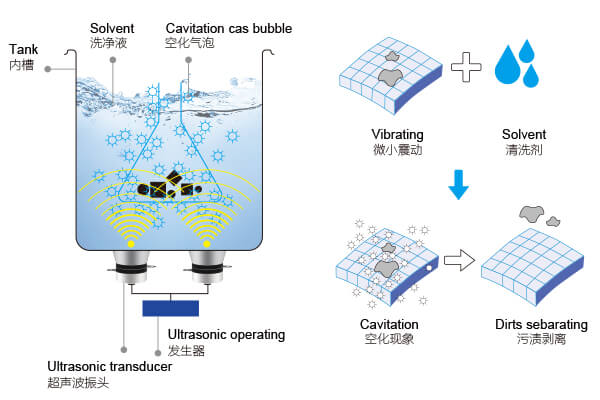
The Principle Behind Ultrasonic Cleaning
Think of cavitation as millions of microscopic scrubbing brushes working simultaneously across every surface. This explains why ultrasonic cleaners excel at cleaning intricate items like watchbands, carburetors, and dental tools. The cleaning action reaches places that manual cleaning simply cannot access.
The Role of Temperature in Cleaning Efficiency
Temperature affects cleaning performance in several ways. Warmer water reduces liquid viscosity, allowing ultrasonic waves to propagate more efficiently through the solution. This means cavitation bubbles form more readily and collapse with greater intensity. Additionally, heat helps break down oils, greases, and certain types of contaminants more effectively than cold water alone.
Most cleaning detergents also perform better at elevated temperatures. The chemical reactions that help dissolve and suspend dirt particles accelerate in warm conditions. This is why many professional cleaning operations combine ultrasonic technology with temperature-controlled solutions.
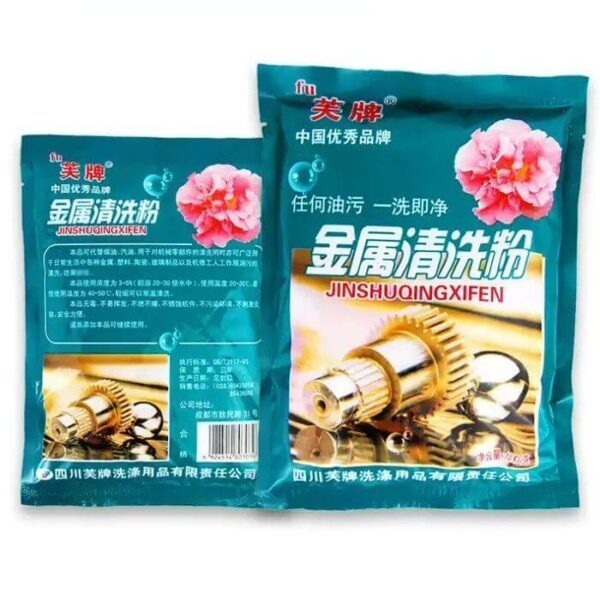
Click to view: Industrial Metal Degreasing Powder Remove Duty Oil Grease for Machinery Automotive Parts Factory Cleaning
Can You Safely Use Hot Water in Your Ultrasonic Cleaner?
The answer depends on your specific equipment and what you’re cleaning. Most ultrasonic cleaners can handle warm to moderately hot water without issues. However, extreme temperatures can damage the transducers, the piezoelectric elements that generate ultrasonic waves, or warp the tank itself.
Manufacturer Temperature Recommendations
Always consult your ultrasonic cleaner’s manual before adding hot water. Most manufacturers provide specific temperature guidelines. Consumer-grade units typically recommend staying below 140°F (60°C), while industrial models may handle temperatures up to 160°F (70°C) or higher. These limits protect the equipment’s internal components from thermal stress.
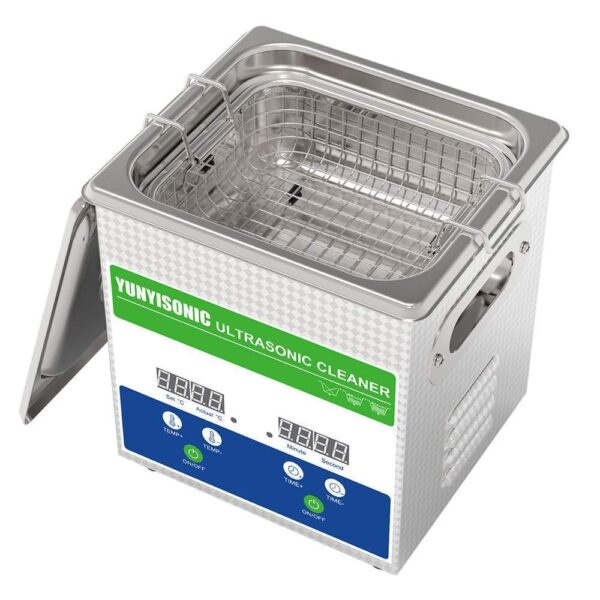
Many modern ultrasonic cleaners feature built-in heating elements. These units are specifically designed to heat the cleaning solution safely and maintain consistent temperatures throughout the cleaning cycle. If your model includes this feature, use it rather than adding pre-heated water, as the internal thermostat prevents overheating.
Maximum Temperature Thresholds
Exceeding recommended temperature limits risks several problems. The adhesive bonding transducers to the tank bottom may soften or fail at excessive temperatures. This detachment renders the unit useless. Additionally, very hot water can cause plastic components to warp, compromise seals, and potentially create safety hazards.
For units without heating elements, a practical rule suggests keeping water temperature below what you could comfortably touch, roughly 110°F to 130°F (43°C to 54°C). This range provides cleaning benefits without approaching danger zones for most equipment.
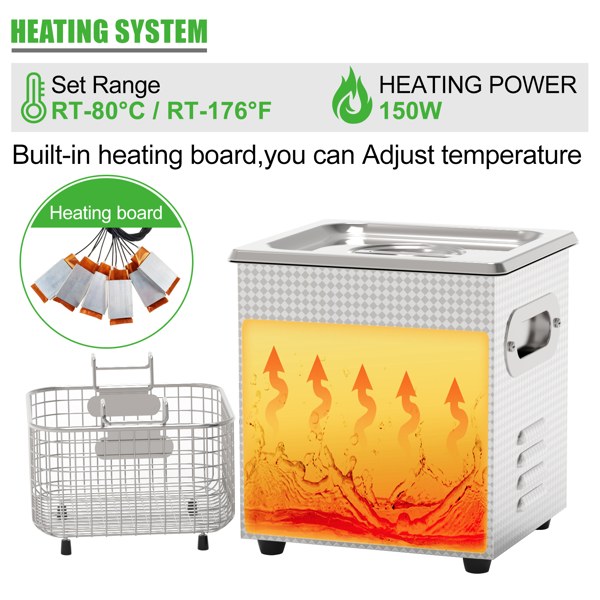
Click to View: Ultrasonic cleaner with built-in heating
Benefits of Using Warm Water in Ultrasonic Cleaning
When used appropriately, warm water offers several advantages that enhance ultrasonic cleaning performance. Understanding these benefits helps you optimize your cleaning process.
Enhanced Grease and Oil Removal
Warm water excels at dissolving petroleum-based contaminants. Heat reduces the viscosity of oils and greases, making them easier to break apart and remove from surfaces. This proves especially valuable when cleaning automotive parts, kitchen items, or industrial components with heavy oil residue.
The combination of heat and cavitation creates a synergistic effect. While ultrasonic waves physically dislodge contaminants, warm water keeps them in suspension, preventing redeposition on cleaned surfaces. This dual-action approach delivers superior results compared to either method alone.
Faster Cleaning Cycles
Temperature elevation can significantly reduce cleaning time. Tasks that might require 15 to 20 minutes in cold water often complete in 5 to 10 minutes when using warm water at optimal temperatures. This efficiency gain matters in commercial settings where time directly impacts productivity and profitability.
Professional jewelry cleaners, dental offices, and optical shops routinely use heated ultrasonic solutions to maintain rapid turnaround times. The time savings add up substantially over hundreds or thousands of cleaning cycles.
Improved Detergent Activation
Cleaning solutions formulated for ultrasonic use often specify temperature ranges for optimal performance. Enzymatic cleaners, for instance, typically activate most effectively between 110°F and 140°F (43°C to 60°C). Using water within this range maximizes the chemical cleaning action, working in concert with the physical cavitation process.
Some specialty cleaning solutions actually require minimum temperatures to function properly. Medical instrument cleaners and certain industrial degreasers fall into this category. Always check detergent specifications alongside equipment guidelines.
Risks and Precautions When Using Hot Water
While warm water offers benefits, awareness of potential risks ensures safe and effective ultrasonic cleaning. Responsible use protects both your equipment and the items being cleaned.
Potential Damage to Transducers
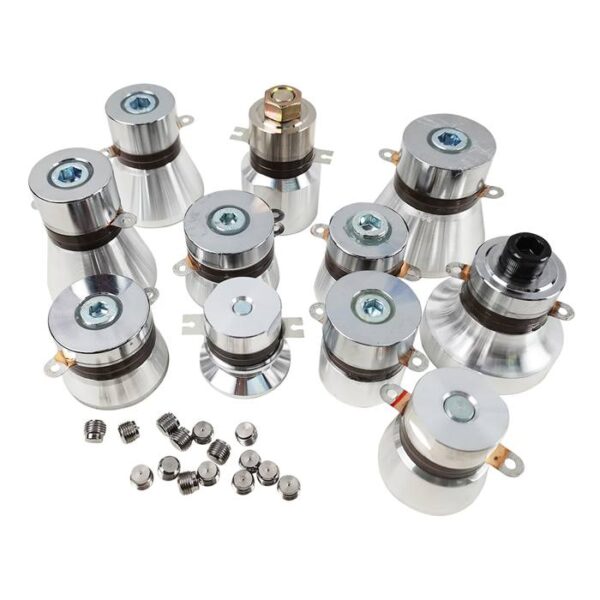
Transducers represent the heart of any ultrasonic cleaner. These components convert electrical energy into mechanical vibrations. Excessive heat can damage the piezoelectric crystals inside transducers or weaken the bonding materials securing them to the tank.
Transducer failure typically manifests as reduced cleaning effectiveness or complete loss of cavitation. Replacement can be expensive, sometimes approaching the cost of a new unit. Preventing damage through proper temperature management is far more economical than repairs.
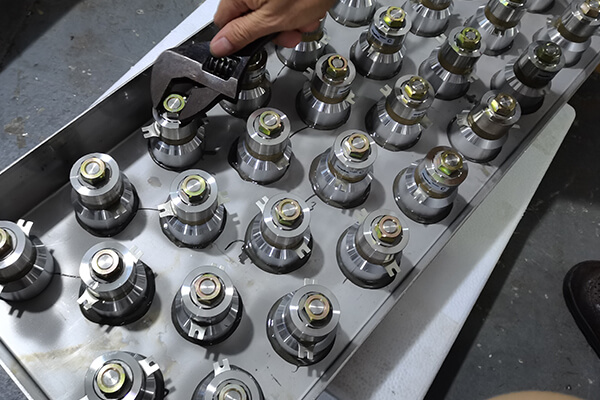
Bottom-mounted transducers in the cleaning tank
Material Compatibility Concerns
Not all items tolerate hot water exposure. Certain plastics soften or deform at elevated temperatures. Some adhesives used in jewelry settings, optical frames, or electronic assemblies may weaken. Heat-sensitive materials like certain gemstones can crack or lose color.
Common heat-sensitive items include:
- Opals, emeralds, and pearls that can crack or cloud in hot water
- Plastic eyeglass frames that may warp above 120°F (49°C)
- Items with glued components where heat compromises adhesive bonds
- Certain coatings or finishes that may blister or discolor
Always research the heat tolerance of items before subjecting them to warm ultrasonic cleaning. When in doubt, start with cooler water and gradually increase temperature while monitoring results.
Safety Hazards to Consider
Hot water creates burn risks, especially when adding or removing items from the cleaner. Steam generation from heated solutions can cause scalding. Always use appropriate tools like tongs or baskets to handle items, and allow heated solutions to cool before draining the tank.
Adequate ventilation matters when heating cleaning solutions containing chemicals. Some detergents release fumes at elevated temperatures. Working in well-ventilated areas or using units with covers reduces inhalation risks.
Optimal Temperature Ranges for Different Applications
Different cleaning tasks benefit from specific temperature ranges. Tailoring your approach to the application improves results while protecting materials.
Jewelry and Precious Metals
Gold, silver, and platinum tolerate warm water well. For general jewelry cleaning, temperatures between 120°F and 140°F (49°C to 60°C) work excellently. This range effectively removes body oils, lotions, and everyday grime without risking damage to most stones or metals.
However, exercise caution with gemstone-set pieces. Diamonds, rubies, and sapphires handle heat well, but softer stones require cooler temperatures. Pearls and opals should never be cleaned in water above body temperature, around 98°F (37°C).
Electronics and Circuit Boards
Electronics cleaning presents unique challenges. While ultrasonic cleaning effectively removes flux residue and contaminants from circuit boards, temperature control is critical. Most electronics cleaning occurs between 100°F and 130°F (38°C to 54°C) using specialized solutions.
Higher temperatures risk damaging solder joints, particularly older lead-based solder. Modern lead-free solder has higher melting points but can still be stressed by excessive heat. Always use electronics-specific cleaning solutions formulated for ultrasonic use.
Medical and Dental Instruments
Healthcare applications often require heated solutions for effective disinfection and sterilization support. Medical instrument cleaning typically occurs between 130°F and 150°F (54°C to 65°C), depending on instrument materials and contamination types.
Dental offices commonly clean instruments at 140°F (60°C) using enzymatic solutions that break down biological materials. These higher temperatures, combined with appropriate cleaning solutions, help ensure thorough decontamination before sterilization.
Automotive Parts and Tools
Automotive applications benefit significantly from warm to hot cleaning solutions. Carburetors, fuel injectors, and engine components often carry heavy grease and carbon deposits. Temperatures between 140°F and 160°F (60°C to 70°C) dramatically improve cleaning efficiency for these applications.
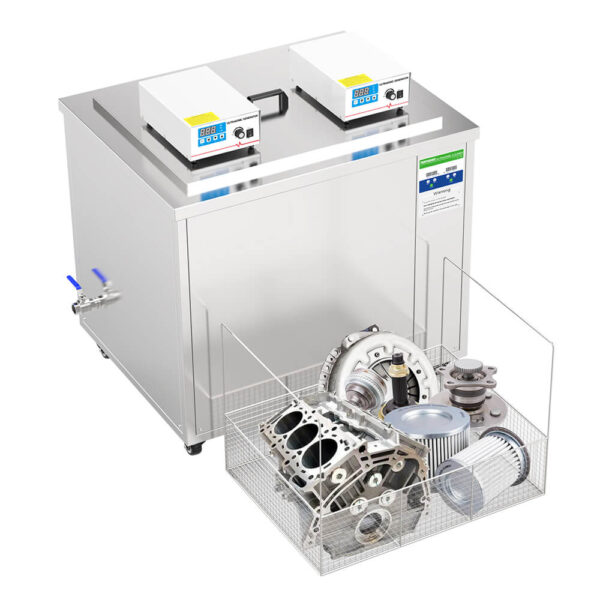
Industrial-grade ultrasonic cleaners designed for automotive use typically feature robust heating elements and tanks rated for sustained high-temperature operation. These units handle the thermal demands of professional shop environments.
How to Properly Heat Water for Ultrasonic Cleaning
The method you use to achieve proper temperature affects both safety and effectiveness. Several approaches work, each with advantages depending on your equipment.
Using Built-in Heating Functions
Units equipped with heating elements offer the most controlled approach. Simply fill the tank with room-temperature water, add appropriate cleaning solution, set the desired temperature, and allow the unit to heat the solution. Built-in thermostats maintain consistent temperatures throughout the cleaning cycle.
This method prevents thermal shock to the tank and transducers. Gradual heating is gentler on equipment than sudden exposure to pre-heated water. Additionally, many heated units include automatic shut-off features that prevent overheating.
Pre-heating Water Externally
For units without heating elements, you can pre-heat water externally before adding it to the tank. Heat water to slightly above your target temperature, as it will cool during transfer. Use a reliable thermometer to verify temperature before adding water to the ultrasonic cleaner.
Add pre-heated water slowly to minimize thermal shock. Pour it gently to avoid splashing, and allow a minute or two for temperature to stabilize before starting the ultrasonic cycle. This approach works but requires more attention than built-in heating.
Temperature Monitoring Tips
Regardless of heating method, monitoring temperature ensures optimal cleaning and equipment protection. Inexpensive digital thermometers provide accurate readings. Take measurements before starting the ultrasonic cycle and periodically during extended cleaning sessions.
Remember that running ultrasonic units generate some heat through transducer operation. Solutions may warm slightly during use. Conversely, room temperature can cool solutions over time. Regular monitoring helps maintain ideal temperature ranges.
Common Mistakes to Avoid
Learning from common errors saves time, money, and frustration. Watch for these frequent missteps when using warm water in ultrasonic cleaners.
Adding boiling water directly ranks among the most damaging mistakes. Water at or near boiling (212°F or 100°C) can instantly damage transducers and tank components. Always verify temperature before adding water to the tank.
Ignoring manufacturer specifications leads to premature equipment failure. Each ultrasonic cleaner has specific temperature ratings based on its design and components. Operating outside these parameters voids warranties and risks damage.
Forgetting to account for cleaning solution represents another oversight. Some detergents react to temperature differently than plain water. Always follow cleaning solution manufacturer guidelines alongside equipment specifications.
Neglecting material compatibility can ruin valuable items. Just because your ultrasonic cleaner can handle hot water doesn’t mean everything you clean can tolerate those temperatures. Research material limits before processing items.