

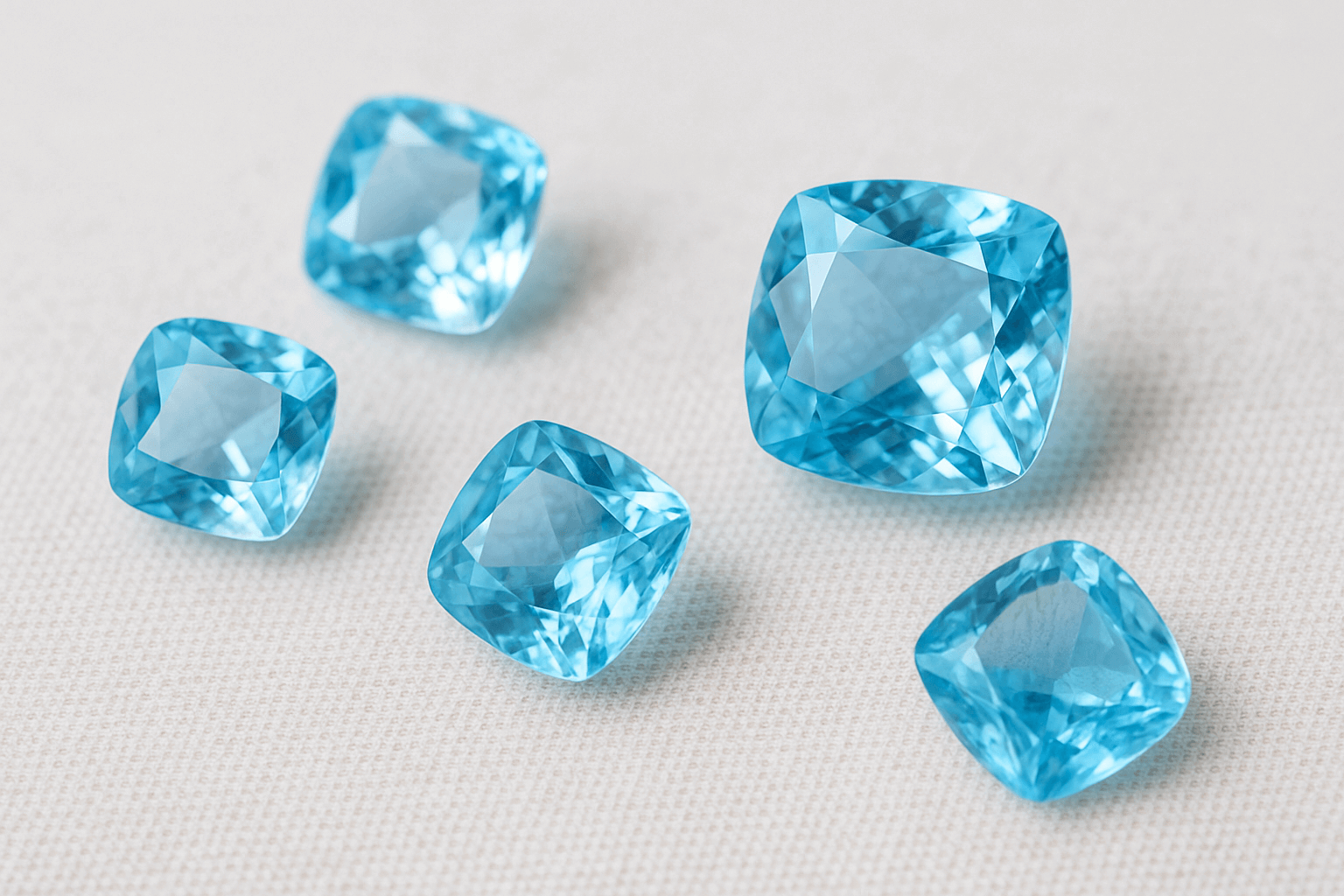

Yes, sapphires can generally be safely cleaned in ultrasonic cleaners. As one of the hardest natural gemstones with a Mohs rating of 9, sapphires possess excellent durability making them highly suitable for ultrasonic cleaning. The material’s crystalline structure withstands cavitation forces without damage under proper conditions.
However, several important qualifications apply. Treatment history, inclusion characteristics, mounting security, and stone condition all affect ultrasonic cleaning safety. Natural untreated sapphires demonstrate the highest ultrasonic tolerance. Certain treatments including fracture filling absolutely prohibit ultrasonic cleaning. Surface-reaching inclusions or fractures also create vulnerabilities requiring alternative cleaning methods.
The majority of sapphire jewelry worn daily, including engagement rings and earrings featuring heat-treated or untreated stones, cleans successfully using standard ultrasonic equipment. Professional jewelers and gemological laboratories routinely employ ultrasonic cleaning for sapphires as standard maintenance practice. Proper technique selection based on individual stone characteristics ensures safe effective cleaning.

Everyday-wear sapphire jewelry
Understanding Sapphire Physical Properties
Sapphire belongs to the corundum mineral family, sharing identical chemical composition with ruby but exhibiting blue or fancy colors rather than red. The aluminum oxide crystal structure creates exceptional hardness second only to diamond among natural gemstones. This crystalline lattice provides remarkable resistance to physical stress including ultrasonic cavitation.
Hardness rating of 9 on the Mohs scale indicates sapphire scratches only when exposed to diamond or other corundum. This hardness translates to excellent durability during cleaning processes. Cavitation bubble collapse cannot physically damage intact sapphire crystal structure.
Toughness represents a separate property from hardness measuring fracture resistance. While sapphire rates excellent for hardness, toughness classification falls into the good to excellent range depending on inclusion patterns. Heavily included sapphires demonstrate reduced toughness making them more vulnerable to shock or vibration.
The crystalline structure exhibits anisotropic properties meaning physical characteristics vary with crystallographic direction. This directional variation rarely affects cleaning safety but becomes relevant when existing fractures align with cleavage planes potentially propagating under stress.
Specific gravity of approximately 4.0 makes sapphires notably denser than most imitation materials. This density causes sapphires to settle quickly in ultrasonic cleaning solutions positioning stones near maximum cavitation intensity zones at tank bottoms.
Thermal properties include relatively high thermal conductivity and expansion coefficients. Rapid temperature changes can stress sapphires particularly those containing liquid inclusions. Maintaining stable moderate temperatures during ultrasonic cleaning prevents thermal shock risks.
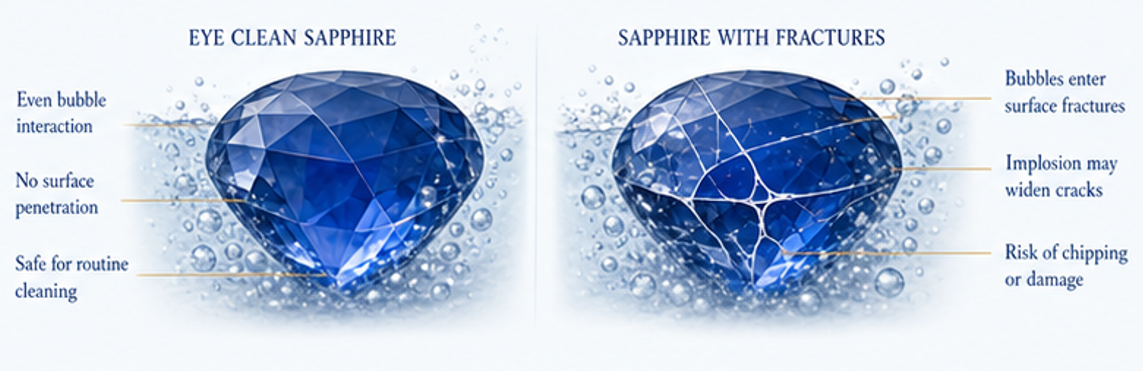
Sapphires and the Cavitation Effect of Ultrasonic Cleaners
How Ultrasonic Cleaners Affect Gemstones
Ultrasonic cleaning technology employs high-frequency sound waves generating cavitation bubbles in liquid cleaning solutions. These microscopic bubbles form and implode thousands of times per second creating localized pressure waves and micro-jets that dislodge contamination from surfaces.
Cavitation intensity varies throughout the cleaning tank with maximum energy concentration typically occurring near transducer locations and at specific distances from tank walls. Understanding cavitation distribution helps position delicate items in gentler cleaning zones when necessary.
The mechanical action removes oils, lotions, dirt, and accumulated residue from gemstone surfaces and the intricate spaces between stone and mounting. This physical cleaning process proves far more effective than manual brushing for accessing tight crevices characteristic of jewelry settings.
Frequency selection impacts bubble size and collapse energy. Standard jewelry ultrasonic cleaners operate between 35-45 kHz producing effective cleaning for most gemstones including sapphires. Higher frequencies generate gentler action suitable for extremely delicate materials.
Hard gemstones including sapphire, ruby, and diamond experience minimal stress from ultrasonic cavitation. The crystalline structure easily withstands localized pressure spikes from bubble collapse. Softer gemstones and organic materials demonstrate higher vulnerability requiring alternative cleaning methods.
Resonance effects occasionally occur when ultrasonic frequencies match natural vibration frequencies of specific stone or mounting configurations. While rare, resonance can amplify stress on gemstones or loosen prong settings. Varying cleaning position or using different frequency equipment prevents potential resonance issues.
The cleaning efficiency for sapphires depends primarily on accessibility. Exposed sapphire surfaces clean thoroughly while areas shielded by mounting components may retain some contamination. Proper positioning and multiple cleaning orientations ensure complete contamination removal.
Natural Versus Treated Sapphires in Ultrasonic Cleaning
Natural Untreated Sapphires
Untreated natural sapphires represent the most ultrasonic-compatible category. These stones underwent no post-mining treatments beyond cutting and polishing. The pristine crystal structure tolerates ultrasonic cleaning without concerns beyond those applicable to any sapphire.
Market rarity makes untreated sapphires valuable warranting careful handling despite their durability. While ultrasonic cleaning poses minimal risk to untreated stones, the high value justifies thorough pre-cleaning inspection and conservative parameter selection.
Color intensity and distribution patterns in untreated sapphires result entirely from natural formation conditions. No surface treatments or diffusion layers exist that ultrasonic cleaning might disturb. Internal color zoning visible in some untreated sapphires remains completely unaffected by cleaning processes.
Heat-Treated Sapphires
Heat treatment represents the most common and accepted sapphire enhancement affecting approximately 90% of commercial sapphire jewelry. High-temperature processing improves color and clarity by dissolving certain inclusions and modifying color-causing trace elements.
Properly executed heat treatment creates permanent changes to crystal structure that remain stable under all normal wearing and cleaning conditions. Heat-treated sapphires tolerate ultrasonic cleaning identically to untreated stones. The treatment introduces no additional vulnerabilities or special handling requirements.
Industry standards consider heat treatment routine disclosure becoming optional for common commercial qualities. This widespread acceptance reflects treatment stability and permanence. Ultrasonic cleaning poses no risk to heat-treated sapphires meeting proper treatment standards.
Gemological laboratories including GIA document heat treatment presence through inclusion characteristic analysis. The treatment detection methods themselves demonstrate that heat treatment doesn’t compromise stone integrity or cleaning compatibility.
Diffusion-Treated Sapphires
Surface diffusion treatment creates color by introducing elements into sapphire surface layers through high-temperature processing. Unlike heat treatment affecting the entire stone, diffusion modifies only shallow surface zones typically 0.5mm or less in depth.
Ultrasonic cleaning compatibility for diffusion-treated sapphires depends on treatment depth and stone condition. Properly executed diffusion treatment creates stable color layers resistant to normal cleaning. However, aggressive ultrasonic cleaning parameters or repeated exposure over years may gradually affect surface characteristics.
Shallow diffusion treatments demonstrate higher vulnerability than deeper lattice diffusion processes. The extremely thin color layers on shallow-diffused stones can show wear over time from any cleaning method including ultrasonic processing.
Conservative ultrasonic parameters including reduced power and shortened cycle times protect diffusion-treated sapphires during cleaning. Limiting ultrasonic exposure frequency and considering alternative gentle cleaning methods extends the life of surface treatments.
Fracture-Filled Sapphires
Fracture filling employs glass or resin materials to improve clarity by filling surface-reaching fractures. This treatment dramatically changes ultrasonic cleaning compatibility creating significant risks.
Ultrasonic cleaning should be avoided for fracture-filled sapphires. Cavitation forces penetrate filled fractures potentially dislodging or damaging fill material. Temperature variations during cleaning cause differential expansion between sapphire and filler compromising treatment integrity.
Market prevalence of fracture filling remains relatively low in sapphires compared to emeralds or diamonds. However, heavily included commercial-grade sapphires occasionally receive fracture filling treatments. Disclosure requirements mandate vendors inform buyers of this treatment type.
Alternative gentle cleaning methods including lukewarm soapy water and soft brushing provide safe maintenance for fracture-filled sapphires without risking treatment damage.
Sapphire Settings and Mounting Considerations
Jewelry mounting construction significantly affects ultrasonic cleaning safety often creating more concern than the sapphire itself. Various setting styles present different vulnerability levels and risk factors.
Prong settings secure sapphires with metal claws extending over stone edges. Ultrasonic cleaning proves generally safe for prong-set sapphires but mounting integrity requires inspection. Worn or damaged prongs may loosen further under vibration potentially resulting in stone loss.
Bezel settings surround sapphires with metal rims providing excellent protection during ultrasonic cleaning. The complete metal encirclement shields stone edges from direct cavitation exposure while securing stones firmly. Bezel-set sapphires demonstrate very low risk during ultrasonic processing.
Channel settings position multiple sapphires between parallel metal walls. These settings generally tolerate ultrasonic cleaning well. However, the shared mounting structure means a single compromised stone or damaged channel wall affects overall stability.
Pavé and micro-pavé settings feature numerous small sapphires secured by tiny metal beads or prongs. The delicate nature and small prong size create higher vulnerability to ultrasonic vibration. Conservative cleaning parameters and frequent inspection protect pavé-set jewelry.
Tension settings hold sapphires through pressure between mounting ends rather than traditional prongs. While appearing delicate, properly executed tension settings remain secure during ultrasonic cleaning. The substantial metal mass and engineered pressure maintain stone security.
Adhesive mounting of any type prohibits ultrasonic cleaning. The cavitation forces penetrate adhesive interfaces potentially causing bond failure and stone loss. Fortunately, quality sapphire jewelry rarely employs adhesive mounting preferring mechanical settings.
Inclusion Patterns and Internal Characteristics
Internal characteristics within sapphires affect ultrasonic cleaning compatibility requiring evaluation before processing. Different inclusion types present varying risk levels.
Solid mineral inclusions including crystals of rutile, spinel, or other minerals remain stable during ultrasonic cleaning. These inclusions formed during sapphire crystal growth and integrate firmly into the crystal structure. Cavitation cannot dislodge or affect solid inclusions.
Needle inclusions composed of fine rutile crystals create silk appearance in some sapphires. These microscopic needles cause no ultrasonic concerns despite their delicate appearance. The needles integrate completely into crystal structure remaining unaffected by cleaning.
Liquid inclusions contain fluids trapped during crystal formation. These inclusions can create vulnerability particularly if they approach stone surfaces or connect to surface-reaching fractures. Rapid temperature changes during cleaning may cause pressure variations within liquid inclusions potentially extending existing fractures.
Healed fractures appear as partially closed breaks within sapphires. The crystal structure healed naturally during formation but retains visible evidence of the original fracture. Healed fractures generally present minimal concern though extensive patterns warrant conservative cleaning parameters.
Surface-reaching fractures represent the primary inclusion-related concern for ultrasonic cleaning. These breaks extend from internal regions to stone surfaces creating pathways for cavitation penetration. Ultrasonic forces can propagate existing fractures or dislodge small crystal fragments adjacent to breaks.
Fingerprint inclusions consist of partially healed fracture networks resembling human fingerprints. These characteristic patterns indicate natural origin but create similar concerns to other fracture types when reaching surfaces.
Gemological examination using 10x magnification reveals inclusion patterns and characteristics. Professional evaluation identifies potential vulnerabilities before ultrasonic cleaning preventing damage to compromised stones.
Optimal Ultrasonic Cleaning Parameters for Sapphires
Frequency Settings
Operating frequency selection affects cleaning effectiveness and gemstone safety. Most jewelry ultrasonic cleaners operate at fixed frequencies optimized for typical jewelry cleaning applications.
Standard 40 kHz frequency provides excellent results for sapphire jewelry combining effective contamination removal with safe operation. This frequency produces moderate-sized cavitation bubbles with sufficient energy for cleaning without excessive aggression.
Lower frequencies around 25-30 kHz generate larger more energetic bubbles suitable for heavily soiled jewelry or industrial applications. Robust sapphires in secure settings tolerate low-frequency cleaning. However, standard 40 kHz equipment handles most jewelry cleaning needs without requiring aggressive low-frequency processing.
Higher frequencies above 60 kHz produce gentler cleaning action beneficial for extremely delicate jewelry or when maximum caution is desired. The reduced cavitation intensity provides safety margin for questionable stones at the expense of longer cleaning times.
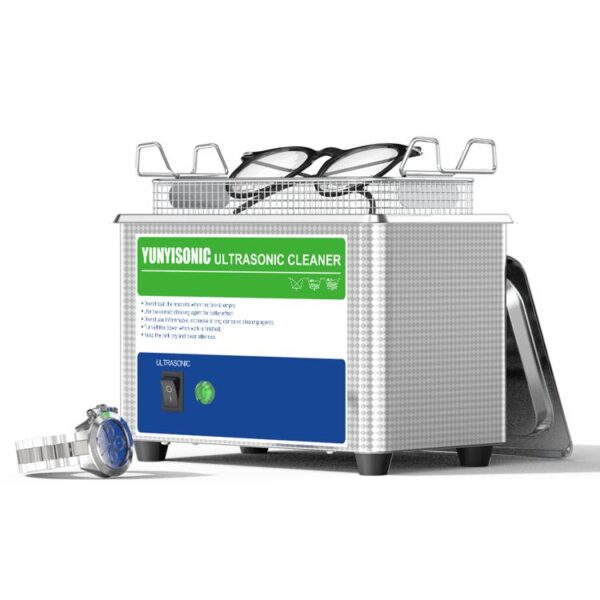
1L Smart Benchtopl Watch Ultrasonic Cleaner for Watchmakers and Household Cleaning In Bulk
In stock
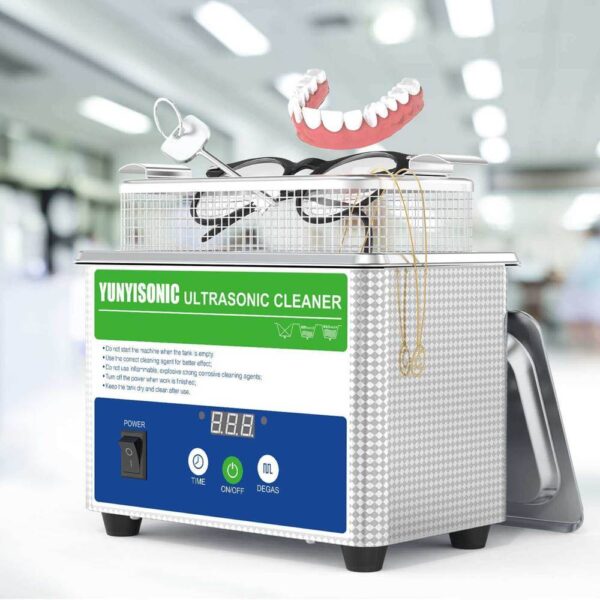
800ml Digital Ultrasonic Jewelry Cleaner | Compact Sonic Cleaning Machine with Timer for Household Cleaning
In stock

40/68kHz Dual-Frequency Lab Ultrasonic Bath, Functions: Low-Noise, Sweep, Pulse, Degas, Adjustable Power
In stock
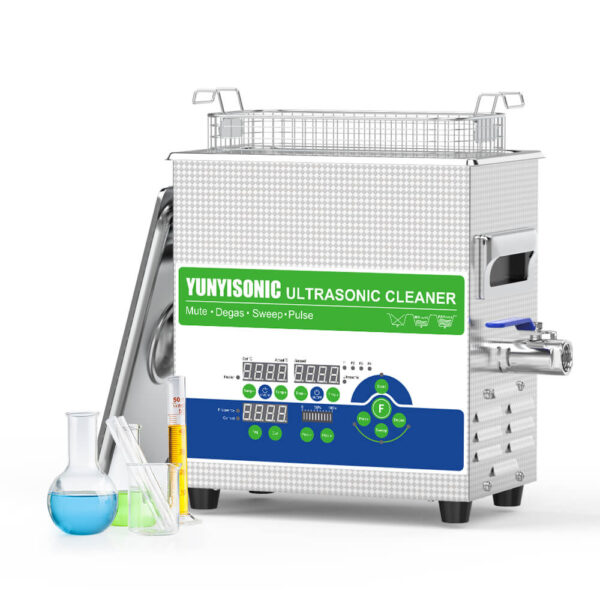
40/80kHz Switchable Dual-Frequency Ultrasonic Bath, 3.2L Capacity, 0–150W Adjustable Power
In stock
Power Intensity Control
Adjustable power settings enable optimization of cleaning energy for specific jewelry requirements. Many consumer ultrasonic cleaners lack power adjustment operating at fixed intensity. Professional equipment typically provides variable power control.
Medium power settings around 50-70% of maximum capacity suit most sapphire jewelry cleaning. This intensity removes typical contamination accumulation without unnecessary stress on mountings or stones. Starting at medium power and increasing only if needed prevents over-aggressive cleaning.
Maximum power suits heavily soiled jewelry including pieces with significant cosmetic buildup, dried polishing compound, or other stubborn contamination. Sapphires themselves tolerate maximum power easily but mounting components may experience higher stress.
Low power operation below 50% provides conservative cleaning for questionable mountings or when stone characteristics raise concerns. Extended cycle duration compensates for reduced intensity achieving adequate cleaning with minimal stress.
Temperature Guidelines
Cleaning solution temperature affects both cleaning efficiency and thermal stress on jewelry components. Optimal temperature selection balances these factors.
Room temperature cleaning between 20-25°C provides safest conditions for sapphires and typical jewelry materials. Many contaminants respond adequately to room temperature ultrasonic cleaning when appropriate solutions are used. Thermal stress remains minimal at ambient temperatures.
Moderate heating to 40-50°C accelerates cleaning chemistry and reduces solution viscosity improving cavitation effectiveness. Sapphires tolerate these moderate temperatures without thermal stress concerns. Most jewelry metals including gold and platinum also handle moderate heating safely.
Elevated temperatures above 60°C offer minimal additional benefit for typical jewelry cleaning while increasing thermal stress risks. Temperature should not exceed levels appropriate for the most sensitive component whether gemstone, metal, or adhesive.
Gradual temperature changes prevent thermal shock. Jewelry should not transfer directly from hot ultrasonic solution to cold rinse water. Allowing pieces to cool briefly before rinsing prevents rapid temperature transitions.
Cleaning Selection for Sapphire Jewelry
Cleaning agent
Solution chemistry significantly impacts cleaning effectiveness and material compatibility. Various formulation types serve different cleaning requirements and jewelry characteristics.
Water-based jewelry cleaning solutions represent the most common and versatile category. These formulations combine surfactants, pH buffers, and sometimes mild solvents creating effective cleaning for oils, lotions, and dirt accumulation typical in worn jewelry.
Neutral to mildly alkaline pH levels between 7-10 provide optimal cleaning power while maintaining compatibility with precious metals and gemstones. Sapphires tolerate wide pH ranges without damage. Solution pH selection typically depends on metal compatibility rather than gemstone concerns.
Ammonia-based solutions deliver enhanced cleaning power for heavily soiled jewelry particularly pieces with built-up body oils and cosmetic residues. Dilute ammonia concentrations around 5-10% in water create effective cleaning solutions. Sapphires show complete stability in ammonia solutions even at elevated concentrations.
Commercial jewelry cleaning concentrates designed specifically for ultrasonic use provide formulated performance. These products balance cleaning effectiveness, material compatibility, and safety. Following manufacturer dilution recommendations ensures optimal results without excessive chemical concentrations.
Plain water provides adequate cleaning medium for lightly soiled jewelry when combined with ultrasonic action. The mechanical cavitation effect removes loose contamination without chemical assistance. Adding small amounts of mild dish soap to plain water improves cleaning effectiveness for typical jewelry soiling.
Avoid acidic solutions including vinegar or citric acid for jewelry cleaning despite their effectiveness on certain contaminants. Acidic chemistry attacks base metal alloys sometimes used in jewelry manufacturing and provides no advantage over neutral or alkaline solutions for sapphire cleaning.
Duration and Timing Recommendations
Exposure duration affects cleaning thoroughness and cumulative stress on jewelry components. Optimal cycle timing balances complete contamination removal against minimizing unnecessary exposure.
Short cleaning cycles of 3-5 minutes remove typical dirt and oil accumulation from regularly maintained jewelry. Brief ultrasonic exposure provides adequate cleaning for pieces receiving frequent maintenance without extended material stress.
Standard cycle times between 5-8 minutes handle moderate soil levels typical of jewelry worn daily for several weeks between cleanings. Most consumer ultrasonic cleaners feature automatic timers with default settings in this range reflecting typical usage requirements.
Extended cleaning beyond 10 minutes becomes necessary only for heavily soiled pieces with stubborn contamination or dried polishing compound. If standard cycle duration proves inadequate, inspecting and repositioning jewelry followed by a second cycle often proves more effective than single extended exposure.
Multiple short cycles with inspection between stages provide controlled cleaning progression. This approach allows monitoring of cleaning effectiveness and jewelry condition preventing over-processing.
Continuous ultrasonic exposure differs from intermittent processing. Brief pauses between cycles allow solution degassing, temperature stabilization, and jewelry inspection. These interruptions reduce cumulative stress compared to continuous extended operation.
Pre-Cleaning Inspection Protocol
sapphire
Thorough examination before ultrasonic cleaning identifies potential issues preventing damage to vulnerable jewelry. Systematic inspection addresses multiple risk factors.
Visual examination under good lighting reveals obvious damage including loose stones, worn prongs, or visible fractures. Stones showing movement when gently pressed or rotated indicate mounting problems requiring repair before cleaning.
Magnification inspection using 10x loupe reveals details invisible to unaided vision. This examination identifies tiny prong cracks, worn setting details, and surface-reaching gemstone fractures. Professional jewelers perform loupe inspection routinely before servicing customer jewelry.
Setting security testing involves gently attempting to move stones with fingertips or pointed tools. Any perceptible movement indicates loose settings prohibiting ultrasonic cleaning until repair. Secure stones show no movement under reasonable pressure.
Treatment identification requires knowledge of sapphire enhancement methods and disclosure practices. Reviewing purchase documentation or consulting with selling jewelers identifies treatment history relevant to cleaning decisions.
Surface examination of sapphires themselves reveals potential vulnerabilities including chips, abrasions, or visible fractures. While minor surface wear rarely prohibits ultrasonic cleaning, significant damage warrants conservative approaches.
Metal condition assessment examines jewelry mountings for wear, damage, or corrosion. Thin worn prongs, cracked shanks, or other structural issues require repair before ultrasonic cleaning to prevent failure during processing.
Step-by-Step Sapphire Ultrasonic Cleaning Process
Proper technique ensures safe effective cleaning following systematic procedures developed through professional jewelry industry practice.
Preparation begins with pre-cleaning inspection as described previously. Confirm all stones remain secure and no damage prohibits ultrasonic processing. Remove any items unsuitable for ultrasonic cleaning from the batch.
Fill the ultrasonic cleaner tank with appropriate cleaning solution to the recommended level. Most units indicate proper fill level through markings or guidelines. Insufficient solution depth reduces cleaning effectiveness while overfilling may cause spillage during operation.
Temperature adjustment if desired should occur before adding jewelry. Allow heated solutions to reach target temperature and stabilize. Sudden addition of jewelry to heating solutions creates localized temperature variations potentially causing thermal stress.
Position jewelry in the cleaning basket avoiding contact between pieces. Overlapping or touching items may scratch against each other during vibration. Delicate pieces merit individual cleaning preventing any contact with other jewelry.
Placement within the tank affects cleaning intensity. Center positions typically receive moderate cavitation while areas near transducers experience maximum energy. Most sapphire jewelry tolerates any tank position but questionable pieces benefit from center or upper basket placement.
Start the ultrasonic cleaner and set appropriate cycle duration. Standard cycles of 5-8 minutes suit most sapphire jewelry. Observe jewelry during the first minute ensuring no unusual responses occur.
Mid-cycle inspection involves pausing operation halfway through cleaning and examining jewelry. This check confirms adequate cleaning progress and verifies no problems developed. Reposition pieces if certain areas require additional cleaning.
Complete the cleaning cycle and turn off the ultrasonic cleaner. Remove jewelry promptly rather than leaving pieces sitting in solution. Extended soaking provides no benefit and may allow contaminants to redeposit.
Rinsing under lukewarm water removes cleaning solution residues. Thorough rinsing prevents solution chemical buildup and ensures sparkling clean appearance. Some prefer a brief rinse water ultrasonic cycle ensuring complete solution removal from intricate settings.
Dry jewelry thoroughly using clean lint-free cloths or allow air drying. Compressed air effectively removes water from tight crevices. Ensure complete drying before storage preventing moisture-related tarnishing of metal components.
Risks and Warning Signs During Cleaning
Monitoring jewelry during ultrasonic cleaning enables early detection of problems allowing immediate intervention preventing damage progression.
Unusual sounds including rattling, clicking, or pinging indicate loose stones, damaged settings, or metal-on-metal contact. Stop cleaning immediately upon hearing unexpected noises and inspect jewelry identifying the source.
Visible stone movement within settings represents obvious failure requiring immediate cleaning cessation. Loose stones will dislodge and fall into cleaning solution or basket if processing continues.
Mounting deformation rarely occurs during ultrasonic cleaning but thin damaged prongs may bend or break under vibration. Post-cleaning inspection comparing mounting appearance to pre-cleaning condition identifies any changes.
Solution cloudiness beyond normal contamination dispersal may indicate material degradation or finish deterioration. While unlikely with sapphires and quality jewelry metals, unusual solution appearance warrants investigation.
Missing stones discovered after cleaning indicate setting failure during processing. Immediately search cleaning solution, basket, and tank bottom recovering loose stones. Note which setting failed determining whether additional jewelry requires inspection for similar vulnerabilities.
Temperature extremes either excessive heating or unexpected cooling suggest equipment malfunction. Most ultrasonic cleaners include thermal protection preventing dangerous temperature levels. Nevertheless, unusual temperature conditions merit attention.
Sapphire Types Requiring Extra Caution
While most sapphires clean ultrasonically without issues, certain categories warrant additional care or alternative cleaning methods.
Padparadscha sapphires displaying rare pink-orange coloration command premium prices justifying conservative treatment despite typical ultrasonic compatibility. The high value merits maximum caution even when technical assessment indicates low risk.
Star sapphires exhibiting asterism created by needle inclusion patterns demonstrate the same ultrasonic compatibility as non-phenomenal sapphires. The rutile silk causing star effects remains firmly integrated in crystal structure unaffected by cleaning. However, star sapphire value often justifies conservative treatment approaches.
Color-change sapphires showing different colors under varying lighting conditions receive similar consideration to fine padparadscha. Technical compatibility permits ultrasonic cleaning but value considerations may favor gentler methods.
Antique jewelry featuring sapphires requires special attention regardless of gemstone quality. Historical mounting techniques, metal alloys, and construction methods may not meet modern security standards. Period jewelry merits professional evaluation before any cleaning.
Commercial grade heavily included sapphires demonstrate higher risk due to inclusion patterns potentially including surface-reaching fractures. Lower value may not justify detailed gemological examination creating uncertainty about internal characteristics. Conservative cleaning parameters provide safety margins.
Synthetic sapphires produced through various laboratory methods possess identical chemical and physical properties to natural stones. Ultrasonic cleaning compatibility matches natural sapphires completely. Synthetic origin creates no additional vulnerabilities or special requirements.
Post-Cleaning Care and Inspection
Systematic examination after ultrasonic cleaning confirms successful contamination removal and verifies no damage occurred during processing.
Visual inspection under good lighting assesses overall appearance and cleanliness. Sparkling clean sapphires with bright luster indicate successful cleaning. Remaining contamination in specific areas suggests those regions require additional attention possibly through manual cleaning.
Magnification examination using 10x loupe compares post-cleaning condition to pre-cleaning baseline. This detailed inspection identifies any changes in stone or mounting condition that occurred during cleaning.
Setting security verification confirms all stones remain firmly seated. Test each stone with gentle pressure ensuring no movement developed during ultrasonic exposure. Any newly detected looseness requires immediate professional attention preventing stone loss.
Check prong tips and setting details for wear or damage. Compare appearance to pre-cleaning condition noting any changes. Minor visible differences rarely indicate significant problems but merit attention.
Metal surfaces should appear clean and bright after ultrasonic processing. Remaining tarnish or finish issues may require additional cleaning or professional polishing. Newly visible metal wear might indicate cleaning solution chemistry concerns.
Sapphire surface examination confirms the stone shows no new chips, fractures, or damage. While ultrasonic cleaning rarely damages intact sapphires, verification provides peace of mind and documentation of jewelry condition.
Alternative Cleaning Methods for Sensitive Sapphires
When gemstone characteristics, mounting condition, or value considerations make ultrasonic cleaning inappropriate, several alternative methods provide safe effective maintenance.
Manual cleaning using lukewarm water, mild soap, and soft brushes offers complete control and minimal risk. This traditional method suits all sapphire jewelry regardless of treatment, mounting, or condition. Soft toothbrushes reach into setting crevices removing contamination without mechanical agitation risks.
Soaking jewelry in warm soapy water loosens contamination before gentle brushing. Extended soaking periods of 20-30 minutes soften oils and residues facilitating easier removal. Sapphires tolerate prolonged water exposure without issues.
Professional cleaning services provided by jewelers employ appropriate methods for each jewelry piece. Professionals assess individual items selecting optimal cleaning approaches based on technical evaluation. The service typically includes inspection, cleaning, and minor maintenance.
Steam cleaning delivers effective contamination removal through high-temperature steam jets directed at jewelry surfaces. Professional jewelers use steam cleaning frequently as an alternative or supplement to ultrasonic processing. Home steam cleaners designed for jewelry provide similar capabilities.
Polishing cloths impregnated with cleaning compounds remove light contamination and restore metal luster. These cloths suit regular maintenance between thorough cleanings. Limited effectiveness on heavy soiling restricts polish cloth use to lightly soiled jewelry.
Common Mistakes to Avoid
Several errors commonly occur during sapphire ultrasonic cleaning creating unnecessary risks or reducing cleaning effectiveness.
Skipping pre-cleaning inspection represents the most frequent and problematic mistake. Processing jewelry without verifying setting security and stone condition risks damaging vulnerable pieces that proper inspection would have identified.
Using inappropriate cleaning solutions including harsh chemicals, acidic formulations, or solutions incompatible with jewelry metals compromises cleaning results and potentially damages jewelry. Commercial jewelry cleaning solutions or simple soapy water provide safe effective alternatives.
Overcrowding the ultrasonic basket with excessive jewelry creates several problems. Pieces contact each other potentially causing scratches. Overcrowding reduces cleaning effectiveness by limiting solution circulation and cavitation access. Individual or well-spaced cleaning ensures optimal results.
Excessive cleaning duration attempting to remove stubborn contamination through extended ultrasonic exposure rarely improves results beyond standard cycle times. Inspecting and manually addressing remaining contamination proves more effective than prolonged ultrasonic processing.
Inadequate rinsing leaves cleaning solution residues on jewelry potentially causing residue buildup or metal tarnishing. Thorough rinsing under running water ensures complete solution removal maintaining jewelry appearance.
Operating ultrasonic cleaners without sufficient solution depth reduces cleaning effectiveness and potentially damages equipment. Maintaining proper fill levels ensures consistent performance and equipment longevity.
Temperature extremes either excessive heating or cleaning with cold solutions compromise results. Moderate temperatures around 40-50°C optimize cleaning effectiveness without thermal stress risks.
Maintenance Frequency Recommendations
Appropriate cleaning frequency balances jewelry appearance maintenance against cumulative cleaning process exposure and handling risks.
Daily-worn jewelry including engagement rings and frequently worn sapphire pieces benefit from ultrasonic cleaning every 2-4 weeks depending on lifestyle factors. Occupations or activities involving cosmetics, lotions, or dirt exposure create faster contamination buildup requiring more frequent cleaning.
Occasional-wear jewelry needs cleaning less frequently based on actual wearing time rather than calendar intervals. Cleaning before storage and after wearing maintains appearance without unnecessary processing.
Special occasion pieces worn rarely may require only annual cleaning or cleaning immediately before wearing. Proper storage in closed containers minimizes contamination accumulation between wearing occasions.
Between ultrasonic cleanings, quick rinses with plain water remove fresh contamination before it builds up or hardens. This simple maintenance extends time between thorough cleanings while maintaining appearance.
Professional inspection annually or semi-annually regardless of cleaning frequency ensures mounting security and identifies developing problems early. Many jewelers provide complimentary inspection with jewelry purchases encouraging regular evaluation.