


Yes, silver can be safely cleaned in an ultrasonic cleaner when proper techniques and parameters are applied. Silver’s physical properties make it compatible with ultrasonic cleaning technology, and the process effectively removes tarnish, dirt, and oils without damaging the metal itself. However, success depends on understanding which silver items benefit from ultrasonic treatment, selecting appropriate cleaning solutions, and following correct operating procedures to avoid potential complications with certain gemstones, finishes, or construction methods.
Professional jewelers and silversmiths have relied on ultrasonic cleaning equipment for decades to restore silver items efficiently. The technology offers distinct advantages over manual polishing methods, particularly for intricate designs with crevices and detailed patterns where tarnish accumulates. Understanding the relationship between ultrasonic energy and silver’s material characteristics enables safe, effective cleaning that preserves both the metal and any decorative elements.
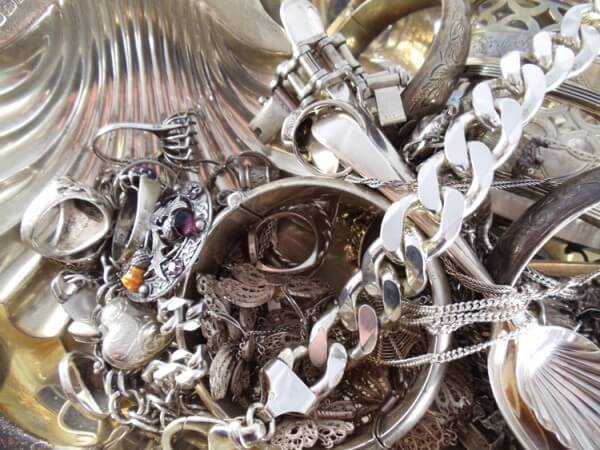
silver
Why Ultrasonic Cleaning Works for Silver
The compatibility between ultrasonic cleaning and silver stems from the metal’s physical properties and how cavitation energy interacts with tarnish and contamination on silver surfaces.
Silver’s Physical Properties and Durability
Silver ranks among the more durable precious metals with a Mohs hardness of 2.5 to 3, sufficient to withstand the mechanical forces generated during ultrasonic cleaning. Unlike softer materials that might suffer surface erosion from prolonged cavitation exposure, silver maintains its integrity under typical cleaning conditions. The metal’s malleability allows it to be fashioned into intricate jewelry and decorative items without becoming brittle or fragile.
Pure fine silver contains 99.9 percent silver content and exhibits excellent corrosion resistance in most environments. Sterling silver, the alloy most commonly used in jewelry and tableware, consists of 92.5 percent silver combined with 7.5 percent copper or other metals to improve strength and workability. Both compositions tolerate ultrasonic cleaning without structural concerns when appropriate solutions and parameters are employed.
The metal’s chemical stability means that ultrasonic cavitation does not initiate corrosion or surface degradation. Silver oxidizes slowly in air, forming the dark tarnish layer familiar to anyone who owns silver items, but this tarnish represents a surface phenomenon rather than deep structural corrosion. Ultrasonic energy assists in removing this oxidation layer when combined with suitable cleaning chemistry.
How Cavitation Interacts with Silver Surfaces
Ultrasonic cleaning generates microscopic cavitation bubbles throughout the cleaning solution that collapse against silver surfaces with considerable force. These implosions create localized cleaning action that dislodges tarnish, oils, and particulate contamination from all exposed surfaces including areas difficult to reach through manual polishing.
The cavitation process operates mechanically rather than chemically attacking the silver substrate. Bubble collapse generates micro-jets of liquid that impact surface contaminants at high velocity, breaking the adhesion between tarnish layers and underlying metal. This mechanical action proves particularly effective for removing aged tarnish that has developed strong bonding to silver surfaces over extended periods.
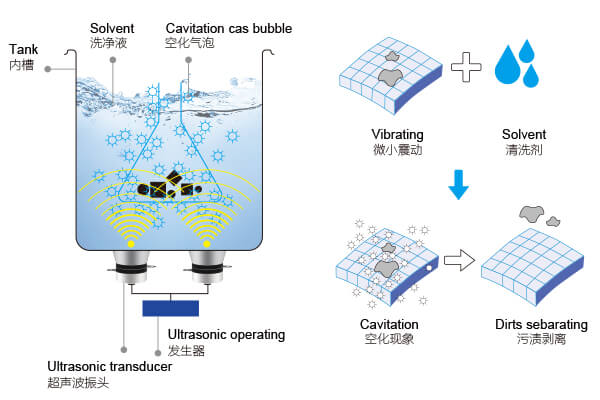
The Principle Behind Ultrasonic Cleaning
Silver’s relatively soft surface responds well to cavitation without the pitting or erosion that might affect harder materials under identical conditions. The metal’s ductility allows it to absorb impact energy from bubble collapse without fracturing or developing surface cracks. Testing conducted on sterling silver samples subjected to extended ultrasonic exposure demonstrates no measurable material loss or surface texture changes under standard cleaning parameters.
Tarnish Removal Mechanisms
Silver tarnish consists primarily of silver sulfide formed through reaction with sulfur compounds present in air, particularly in environments with elevated humidity or industrial pollution. This black or brownish discoloration bonds to silver surfaces through chemical reaction rather than simple surface deposition, requiring both mechanical and chemical action for complete removal.
Ultrasonic cleaning combined with appropriate detergent solutions attacks tarnish through multiple mechanisms. The cavitation provides mechanical disruption of the tarnish layer while cleaning chemistry chemically reduces or dissolves silver sulfide compounds. Many silver cleaning solutions incorporate mild acids or complexing agents that convert silver sulfide back to metallic silver, a process significantly accelerated by ultrasonic agitation.
The three-dimensional nature of ultrasonic cleaning ensures that all surfaces receive treatment simultaneously. Unlike manual polishing that cleans only accessible exterior surfaces, ultrasonic energy penetrates chain links, filigree work, engraved patterns, and other complex geometries where tarnish typically accumulates.
Types of Silver Items Suitable for Ultrasonic Cleaning
Most silver objects benefit from ultrasonic cleaning, though certain construction types and decorative elements require consideration before processing.
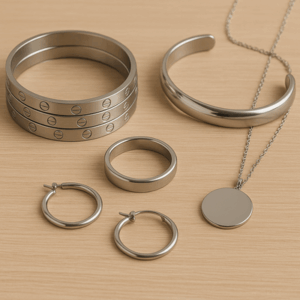
Silver Jewelry
Sterling Silver Jewelry and Flatware
Solid sterling silver jewelry including rings, bracelets, necklaces, and earrings represents ideal candidates for ultrasonic cleaning. These items typically feature durable construction without fragile components that might be damaged by cavitation energy. Wedding bands, chain necklaces, and simple hoop earrings clean beautifully through ultrasonic treatment, emerging bright and tarnish-free.
Sterling flatware and serving pieces respond exceptionally well to ultrasonic cleaning. Forks, spoons, and knives with intricate handle patterns accumulate tarnish in recessed areas that manual polishing cannot adequately address. Ultrasonic processing removes embedded tarnish from decorative elements while simultaneously cleaning the functional surfaces. Large serving pieces including platters and bowls can be processed in appropriately sized ultrasonic tanks designed for commercial or jewelry trade use.
Plain silver bangle bracelets, cuff links, tie clips, and similar accessories without gemstones or adhesive-mounted components benefit from regular ultrasonic cleaning that maintains their appearance without the labor intensity of hand polishing. These items tolerate repeated ultrasonic exposure throughout their service life without adverse effects.
Fine Silver and Silver-Plated Objects
Fine silver items composed of 99.9 percent pure silver clean safely in ultrasonic equipment. The absence of alloying metals eliminates concerns about differential corrosion or surface discoloration that occasionally affects sterling silver in harsh chemical environments. Fine silver’s greater softness compared to sterling alloy does not create problems during ultrasonic cleaning since cavitation forces remain well below levels that would cause surface damage.
Silver-plated items require more careful evaluation before ultrasonic cleaning. High-quality silver plate with thick electroplated layers over brass or copper substrates generally tolerates ultrasonic treatment without issue. The cavitation does not remove properly bonded plating, and the process effectively cleans decorative details without damaging the silver layer.
However, worn or poorly executed silver plating may exhibit vulnerabilities. Areas where plating has worn through to base metal can experience accelerated corrosion if aggressive cleaning solutions are employed. Antique silver-plated items with thin original plating should be evaluated carefully, starting with conservative cleaning parameters to assess results before committing to full processing.
Silver Items with Gemstone Settings
Silver jewelry incorporating gemstone settings presents more complex considerations. Many gemstones tolerate ultrasonic cleaning without concern, while others risk damage from cavitation energy or exposure to cleaning solutions. The determining factor lies in the gemstone type rather than the silver mounting itself.
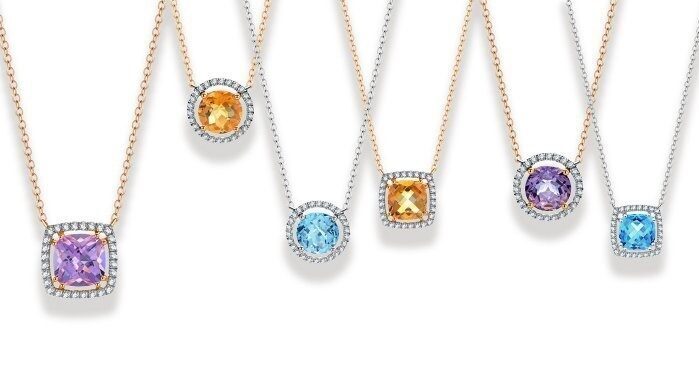
Hard, durable gemstones including diamonds, rubies, and sapphires withstand ultrasonic cleaning readily. These stones possess sufficient hardness and toughness to resist cavitation impact while their chemical stability prevents solution-related damage. Silver rings set with these gemstones clean safely using standard parameters.
Settings must be examined for secure stone mounting before ultrasonic processing. Loose stones may dislodge during cleaning as cavitation works into gaps between stone and setting. Prong settings should be checked to ensure prongs firmly grip stones without excessive wear. Bezel settings generally prove more secure during ultrasonic cleaning compared to prong mountings, though both styles clean successfully when stones are properly secured.
Silver Items That Require Caution
Certain silver objects demand modified approaches or alternative cleaning methods to prevent damage during ultrasonic processing.
Antique and Oxidized Silver Pieces
Antique silver items featuring intentionally oxidized or patinated finishes require special consideration. Some silver designs incorporate darkened recesses created through deliberate oxidation that provides contrast with polished surfaces. Aggressive ultrasonic cleaning may remove these artistic finishes, destroying the visual effect and potentially diminishing the piece’s value.
Items with historical significance or museum-quality status should generally avoid ultrasonic cleaning unless performed by conservation specialists with appropriate expertise. The mechanical action from cavitation, while safe for the silver itself, may dislodge accumulated dirt or corrosion products that provide valuable information about an object’s history and provenance.
Antique silver jewelry with original Victorian or Art Deco finishes sometimes features matte or brushed surfaces that contrast with bright-cut facets. Extended ultrasonic exposure in aggressive solutions might gradually alter these surface textures. Conservative cleaning parameters using mild solutions and shorter cycles help preserve original finishes while removing surface tarnish.
Silver with Delicate Gemstones
Several gemstone varieties commonly set in silver jewelry suffer damage from ultrasonic cleaning. Opals possess significant water content and porous structure that makes them vulnerable to fracturing from cavitation impact. Emeralds frequently contain internal fractures and inclusions that may propagate during ultrasonic exposure. Pearls, being organic gemstones with relatively soft composition, can suffer surface damage or nacre delamination.
Turquoise and other porous gemstones absorb cleaning solutions that may cause permanent discoloration or structural weakening. These stones require alternative cleaning methods that avoid immersion or mechanical agitation. Silver jewelry set with these vulnerable gemstones should be cleaned through careful manual methods using soft cloths and appropriate polishing compounds.
Amber, coral, and other organic materials set in silver cannot tolerate ultrasonic cleaning. The temperature elevation during normal ultrasonic operation combined with cavitation forces risks cracking or fracturing these materials. Professional jewelers typically remove such stones before ultrasonic processing of the silver mounting, then reset them after cleaning and polishing.
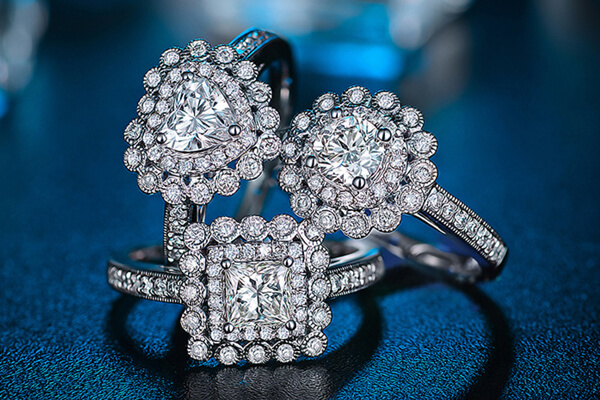
925 sterling silver ring with diamond settings
Hollow or Assembled Silver Items
Hollow silver jewelry and decorative objects constructed from multiple joined components present potential complications during ultrasonic cleaning. The cavitation energy can work into seams and joints, potentially weakening solder connections or separating components that were joined through crimping or mechanical assembly.
Hollow chain necklaces and bracelets occasionally trap air bubbles within their construction during manufacturing. Ultrasonic cleaning can drive solution into these hollow areas, and subsequent drying may prove difficult or incomplete. Moisture trapped inside hollow jewelry can cause internal tarnish formation or corrosion over time.
Silver items incorporating non-metallic components including wood inlays, enamel work, or resin fills require evaluation before ultrasonic cleaning. The differential response of dissimilar materials to cavitation and cleaning chemistry may cause separation or damage. Enamel work on silver, while often durable, may contain microcracks that allow solution penetration leading to loss of adhesion.
Proper Solution Selection for Silver Cleaning
Choosing appropriate cleaning solutions directly affects both cleaning effectiveness and silver preservation during ultrasonic processing.
Water-Based Detergent Solutions
Mild alkaline detergents formulated specifically for ultrasonic cleaning of precious metals provide optimal results for silver items. These solutions contain surfactants that reduce surface tension allowing better solution penetration into complex geometries, along with mild chelating agents that assist in tarnish removal. Concentrations between 2 and 5 percent by volume typically prove effective for routine silver cleaning.
Commercial jewelry cleaning solutions designed for ultrasonic use offer convenience and consistent results. These formulated products balance cleaning effectiveness against metal safety, incorporating corrosion inhibitors that protect silver and other precious metals during processing. Many professional jewelers rely on proprietary ultrasonic cleaning concentrates that they dilute to working strength.
Plain water can serve as an ultrasonic cleaning medium for lightly soiled silver items, though cleaning effectiveness remains limited compared to proper detergent solutions. The mechanical action of cavitation in plain water removes loose surface contamination but struggles with aged tarnish or oily residues. Adding a small amount of household dish detergent to water creates a simple cleaning solution suitable for occasional use, though purpose-formulated jewelry cleaners deliver superior performance.
pH Considerations for Silver
Silver tolerates a relatively wide pH range during ultrasonic cleaning, though neutral to mildly alkaline solutions prove optimal for most applications. Solutions with pH between 7 and 10 clean effectively without risking the surface etching or discoloration that might occur in strongly acidic or highly alkaline environments.
Strongly acidic solutions below pH 4 can attack silver alloys, particularly sterling silver containing copper. The acid preferentially dissolves copper from surface layers, leaving a porous silver structure that appears frosted or dull. This phenomenon, called dealloying, permanently damages the silver surface and cannot be reversed through polishing.
Highly alkaline solutions above pH 12 may also prove problematic for silver cleaning despite their effectiveness against organic contaminants and tarnish. Extended exposure to strong alkali can cause surface discoloration or etching on some silver alloys. Conservative practice favors mildly alkaline solutions that balance cleaning power with material safety.
Solutions to Avoid with Silver
Certain cleaning solutions commonly used in ultrasonic applications prove unsuitable for silver processing. Ammonia-based cleaners, while effective for removing tarnish through manual application, can cause problems during ultrasonic cleaning. The elevated temperature and extended exposure time typical of ultrasonic processing may result in excessive surface brightening that removes desirable patina or produces an artificially brilliant appearance.
Chlorine-containing solutions must be avoided completely when cleaning silver. Chlorine reacts with silver to form silver chloride, a white or grayish compound that adheres tenaciously to metal surfaces. This reaction can occur rapidly in ultrasonic cleaners where cavitation promotes chemical contact between cleaning solution and silver surfaces. The resulting damage typically requires professional restoration to correct.
Acidic solutions containing vinegar, lemon juice, or other organic acids should not be used for routine ultrasonic cleaning of silver despite their occasional recommendation for manual tarnish removal. These acids can etch silver surfaces or attack solder joints when combined with ultrasonic agitation and elevated temperature. Their use risks long-term damage that may not become apparent until repeated treatments have compromised surface quality.
Optimal Operating Parameters
Successful ultrasonic cleaning of silver requires attention to temperature, time, and frequency settings that optimize results while ensuring material safety.
Temperature Settings for Silver
Moderate solution temperatures between 40 and 50 degrees Celsius provide optimal conditions for ultrasonic silver cleaning. This temperature range enhances chemical activity of cleaning solutions while promoting vigorous cavitation without approaching levels that might damage heat-sensitive gemstones or assembled components.
Lower temperatures around 30 to 35 degrees Celsius reduce cleaning efficiency but prove appropriate for silver items set with temperature-sensitive materials. The cooler solution requires extended cleaning cycles to achieve comparable results, trading processing time for additional material safety.
Elevated temperatures above 55 degrees Celsius offer no significant advantages for silver cleaning while increasing risks to vulnerable gemstones and potentially accelerating unwanted chemical reactions. Some ultrasonic cleaners designed for consumer use operate without heating elements, relying on ambient temperature solution. These units clean silver successfully though processing times increase compared to heated professional equipment.
Cleaning Cycle Duration
Most silver items achieve thorough cleaning within 3 to 8 minutes of ultrasonic exposure. Lightly tarnished pieces with simple geometry may appear fully clean within 2 to 3 minutes, while heavily tarnished items with intricate details could require 10 to 15 minutes for complete restoration.
Operators should monitor cleaning progress visually, removing items for inspection after initial processing cycles. This practice prevents unnecessary overexposure while ensuring adequate cleaning. Silver that appears clean after 5 minutes gains no benefit from extended 20 or 30 minute cycles that waste energy and potentially stress gemstone settings.
Severely tarnished silver sometimes benefits from multiple short cleaning cycles with intermediate rinsing rather than single extended exposure. Processing for 5 minutes, rinsing, then repeating allows fresh solution contact with surfaces and prevents removed tarnish from redepositing. This staged approach often produces better results than continuous processing of equal total duration.
Frequency Selection Considerations
Most ultrasonic cleaners designed for jewelry and household silver cleaning operate at frequencies between 40 and 80 kHz, with 40 kHz being the most common standard. These frequencies produce cavitation bubbles suitable for removing dirt, oils, and tarnish from silver jewelry while remaining gentle enough for everyday items and detailed craftsmanship.
Higher frequency ultrasonic cleaners operating around 80 to 130 kHz provide a softer and more delicate cleaning action. They are commonly used for fragile silver items, gemstone-set jewelry, and precision cleaning applications where reduced cavitation intensity helps minimize stress on delicate settings and surfaces. The gentler cleaning effect usually requires longer cleaning times.
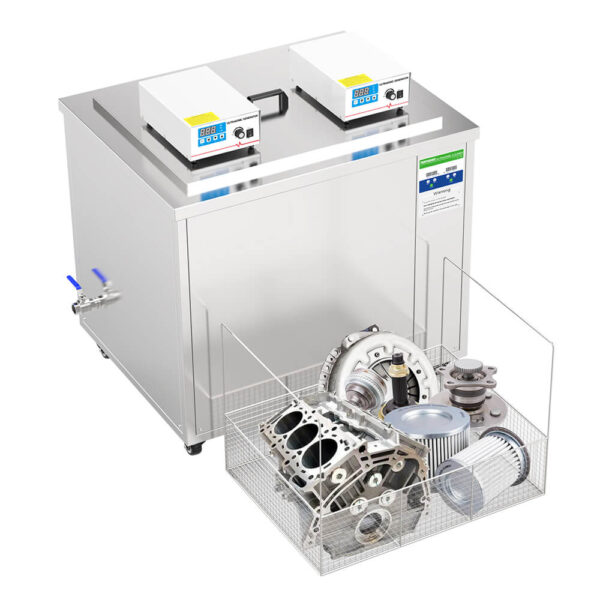
Lower frequency industrial ultrasonic cleaners operating at 20 to 28 kHz generate larger cavitation bubbles and more aggressive cleaning power. These frequencies are mainly intended for heavy industrial contamination such as grease, carbon deposits, machining residues, and metal parts cleaning. While highly effective for industrial degreasing, they are generally too aggressive for most silver jewelry and decorative silverware.
Ultrasonic Cleaner for Silver Jewelry
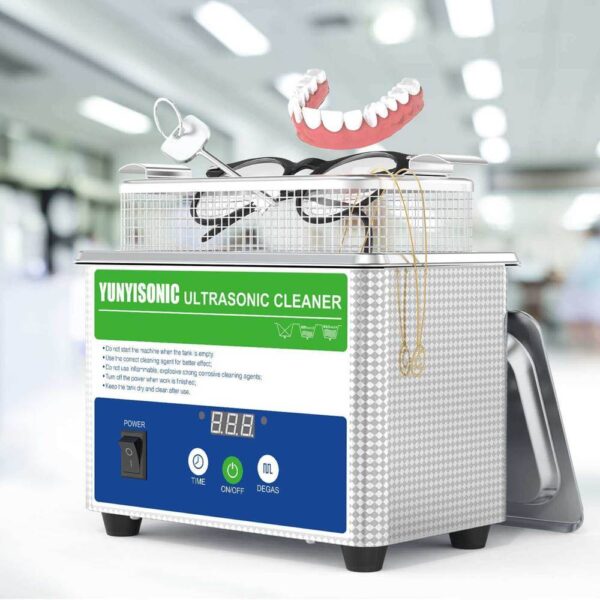
800ml Digital Ultrasonic Jewelry Cleaner | Compact Sonic Cleaning Machine with Timer for Household Cleaning
In stock
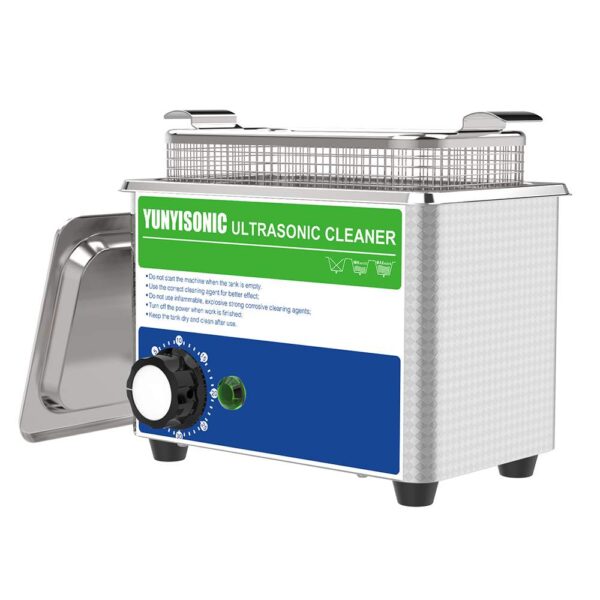
Mini Ultrasonic Cleaner for Jewelry, Dental, and Eyeglass Care | Cleans Dentures, Braces, Retainers, Teeth,Toothbrush Heads
In stock
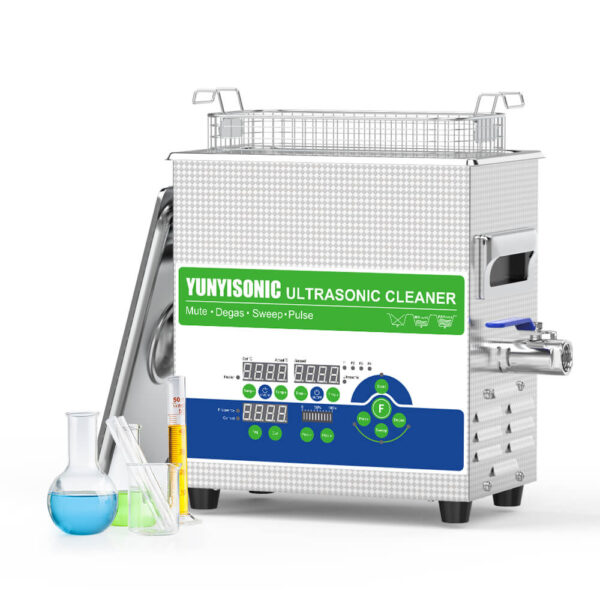
40/80kHz Switchable Dual-Frequency Ultrasonic Bath, 3.2L Capacity, 0–150W Adjustable Power
In stock

Step-by-Step Silver Cleaning Process
Systematic procedures ensure consistent results and prevent common errors during ultrasonic silver cleaning.
Pre-cleaning inspection represents the essential first step before ultrasonic processing. Examine all silver items for loose stones, damaged settings, or structural weaknesses that might worsen during cleaning. Check gemstones to identify varieties unsuitable for ultrasonic exposure. Items with concerning conditions should be set aside for alternative cleaning methods or professional repair before processing.
Solution preparation involves filling the ultrasonic tank with appropriate cleaning solution at correct concentration and temperature. Most units require solution levels that completely immerse items while remaining below maximum fill lines. Allow heated units to reach target temperature before beginning cleaning cycles for consistent results.
Item placement affects cleaning effectiveness and safety. Arrange silver pieces in cleaning baskets to prevent contact between items that could cause scratching or tangling. Position items to allow free solution circulation around all surfaces. Avoid overcrowding baskets, as excessive loading creates shadowing where ultrasonic energy cannot reach effectively.
Cleaning cycle operation proceeds according to equipment specifications and item requirements. Start conservative with 3 to 5 minute cycles for initial evaluation. Observe cleaning progress through tank windows if available, watching for complete tarnish removal and brightening of silver surfaces.
Intermediate inspection after initial cleaning cycles allows assessment of results. Remove items carefully using basket handles or plastic tongs to avoid burns from heated solution. Rinse briefly under running water to remove cleaning solution, then examine for remaining tarnish or contamination. Items requiring additional cleaning can be returned for supplementary cycles.
Final rinsing removes all traces of cleaning solution from processed silver. Thorough rinsing under warm running water ensures no chemical residue remains that could cause subsequent discoloration or skin irritation when jewelry is worn. Pay particular attention to hollow areas and detailed patterns where solution may accumulate.
Post-Cleaning Care and Finishing
Proper finishing after ultrasonic cleaning maximizes silver appearance and prevents rapid retarnishing.
Drying silver items completely before storage prevents water spot formation and reduces tarnish development. Soft lint-free cloths effectively dry simple pieces, while compressed air helps remove moisture from chain links, hollow areas, and intricate details. Some professional jewelers use dedicated jewelry dryers that circulate heated air for rapid moisture removal.
Polishing cloths designed specifically for silver can enhance the brightness achieved through ultrasonic cleaning. Light buffing with jeweler’s rouge cloths brings up maximum luster on flat surfaces while ultrasonic cleaning handles the detailed work in crevices and patterns. This combination of ultrasonic cleaning followed by light hand polishing produces optimal results.
Anti-tarnish treatments applied after cleaning extend the interval before silver requires reprocessing. These products deposit microscopic protective layers that slow oxidation reactions responsible for tarnish formation. Commercial anti-tarnish sprays or wipes provide convenient application for jewelry and decorative items.
Common Mistakes to Avoid
Understanding frequent errors helps prevent damage during ultrasonic silver cleaning.
Using incorrect solutions ranks among the most common mistakes. Household cleaners not formulated for ultrasonic use may contain chemicals harmful to silver or produce excessive foam that dampens ultrasonic effectiveness. Always employ proper ultrasonic cleaning solutions or jewelry-specific formulas.
Overcrowding cleaning baskets reduces effectiveness and increases risk of item damage. Silver pieces that contact during cleaning may develop scratches or become entangled. Proper spacing allows cavitation energy to reach all surfaces uniformly.
Neglecting pre-cleaning inspection leads to processing items unsuitable for ultrasonic treatment. Loose stones may fall from settings, damaged components may separate, and incompatible gemstones could fracture. Always examine items thoroughly before processing.
Excessive processing time wastes energy without improving results. Silver cleaned to brightness gains nothing from continued ultrasonic exposure. Extended unnecessary processing may stress gemstone settings or gradually affect surface textures.
Inadequate rinsing leaves cleaning solution residue that can cause discoloration or skin reactions. Thorough rinsing under running water ensures complete solution removal, particularly important for jewelry that contacts skin.
Alternative Methods When Ultrasonic Cleaning Isn’t Appropriate
Silver items unsuitable for ultrasonic treatment can be cleaned effectively through alternative approaches.
Manual polishing using jeweler’s rouge cloths or silver polishing compounds provides safe cleaning for delicate or problematic items. This method requires more labor and time compared to ultrasonic processing but offers complete control and eliminates risks to vulnerable gemstones or construction types.
Chemical dip cleaners formulated for silver remove tarnish through chemical reaction without mechanical agitation. These products suit items with delicate gemstones that cannot tolerate ultrasonic exposure. Application involves brief immersion followed by thorough rinsing, though results may not match ultrasonic cleaning for heavily detailed pieces.
Electrolytic cleaning using aluminum foil, baking soda, and hot water provides a gentle alternative for routine tarnish removal. This method chemically reduces silver sulfide back to metallic silver without abrasion or mechanical force. The technique works well for flatware and simple jewelry though it cannot match ultrasonic cleaning for intricate or heavily soiled items.
Professional conservation cleaning may be appropriate for valuable antiques, museum pieces, or historically significant silver items. Conservators employ specialized techniques that preserve original surfaces and finishes while removing harmful contamination. This approach prioritizes preservation over cosmetic appearance, suitable for items where historical integrity supersedes brightness.