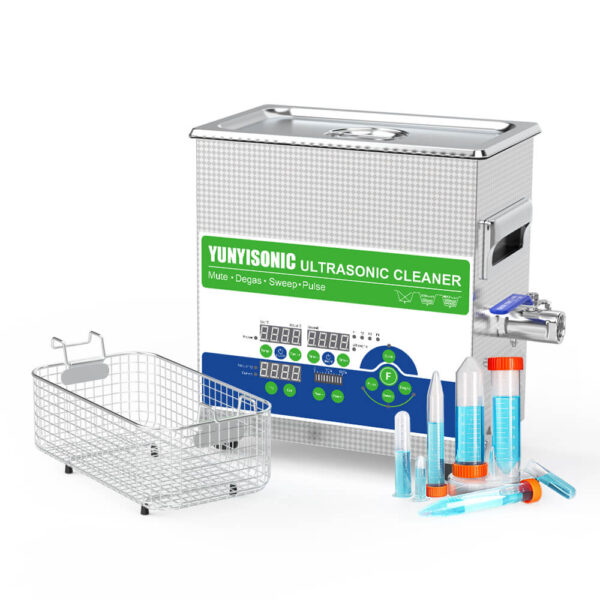


Ultrasonic glasses cleaners can efficiently dislodge trapped sebum, dead skin cells, airborne particulate, dried perspiration, and cosmetic films from microscopic crevices without relying on abrasive wiping. While traditional wiping methods can redistribute surface oils and may drag abrasive grit across sensitive optical coatings if debris is not first rinsed away, ultrasonic cleaning uses fluid-borne sound energy to detach soils from exposed lens surfaces and complex frame geometries. Evaluating how these machines function, where their operational boundaries lie, and which parameters protect modern optical assemblies reveals why acoustic cavitation is used in optical and precision-cleaning applications.
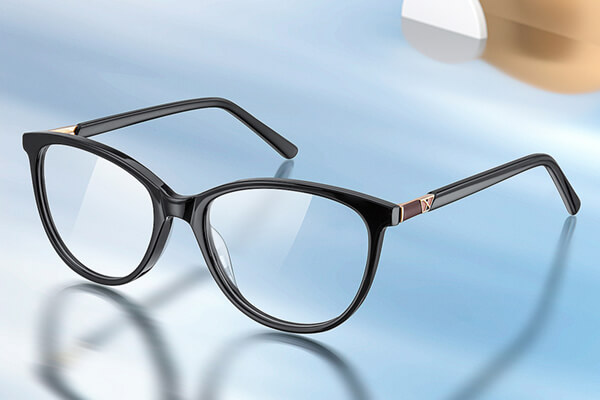
Glasses
Fundamental Mechanics: Acoustic Cavitation and Fluid Dynamics
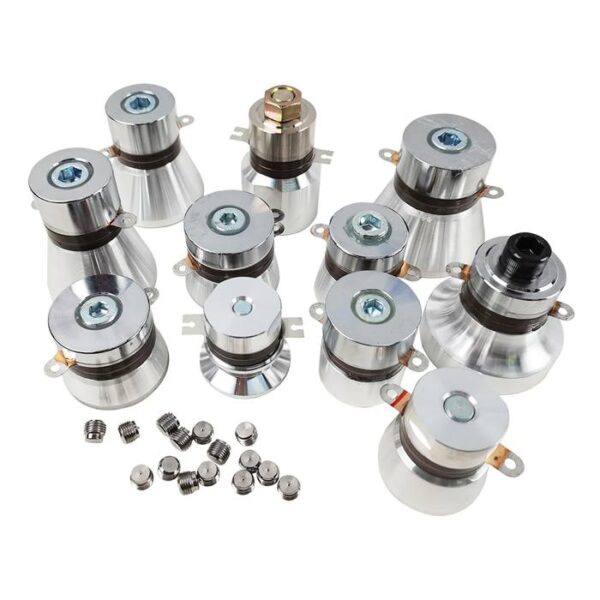
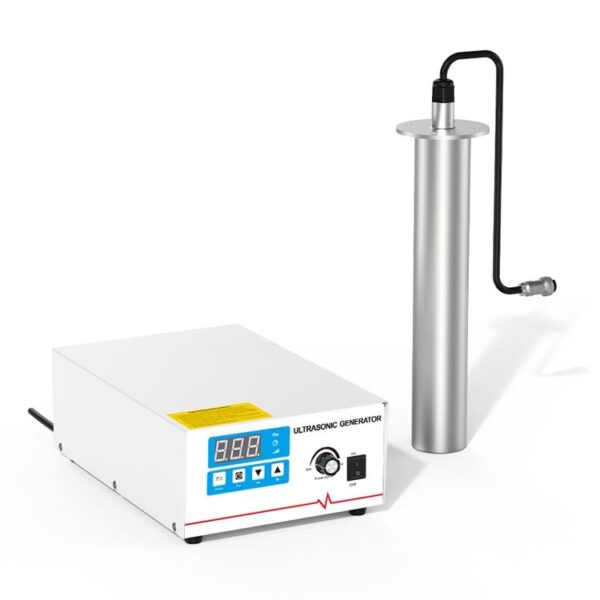
The core operating principle governing ultrasonic cleaning machines is acoustic cavitation. Rather than using mechanical brushes, turbulent agitation, or pressurized liquid streams, an ultrasonic cleaner relies on high-frequency sound waves propagated through a fluid bath. The mechanical heart of the machine consists of one or more piezoelectric transducers bonded directly to the external base or sidewall of a stainless steel tank. When driven by an electronic high-frequency generator, these transducers convert electrical oscillations into alternating mechanical expansions and contractions.
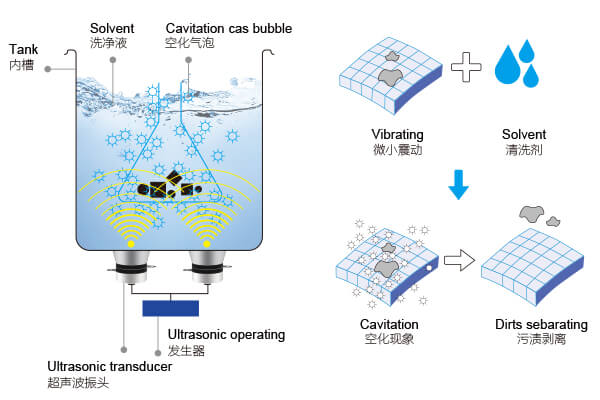
The Principle Behind Ultrasonic Cleaning
These rapid mechanical pulses transmit alternating high-pressure (compression) and low-pressure (rarefaction) cycles through the cleaning medium. During rarefaction cycles, pre-existing microscopic gas or vapor nuclei in the liquid can expand into cavitation bubbles. As the acoustic wave shifts into subsequent compression phases, these bubbles can become unstable and collapse rapidly.
This localized collapse produces fluid motion, micro-jets near solid boundaries, and hydrodynamic shear forces. When bubble collapse occurs adjacent to a solid boundary—such as an eyeglass frame, a lens edge, or a hinge assembly—the resulting forces help detach particulate matter and loosen oily residues from the surface. Because acoustic waves travel throughout the liquid medium, cavitation can take place on submerged surfaces that the liquid can wet, including recessed frame geometries.
Optical and Mechanical Cleaning Efficiency vs. Manual Methods
Standard eyewear care has long depended on microfiber cloths and topical lens sprays. While a clean microfiber cloth is adequate for managing transient superficial fingerprints, manual wiping presents distinct physical limitations. When dust, quartz particles, or environmental sand accumulate on a lens, pressing a cloth against the surface can create friction that drags microscopic mineral granules across anti-reflective coatings, potentially generating fine scratches or micro-abrasions. Over prolonged maintenance cycles, this friction can degrade optical clarity and accelerate coating wear.
Furthermore, manual tools cannot easily reach the structural junctions of a mounted pair of spectacles. Contaminants can aggregate along the rim wire bevel, inside screw threads, behind silicone nose pad brackets, and within spring hinge assemblies. These tight interfaces may accumulate sweat, facial oils, and exfoliated skin cells, contributing to residue buildup and, in some cases, corrosion or stiff hinge movement. A professional ultrasonic cleaner for glasses, jewelry, and watches reduces the need for direct surface scrubbing by using cavitation-induced fluid movement, as detailed in industry reviews examining whether ultrasonic glasses cleaners deliver genuine cleaning performance.
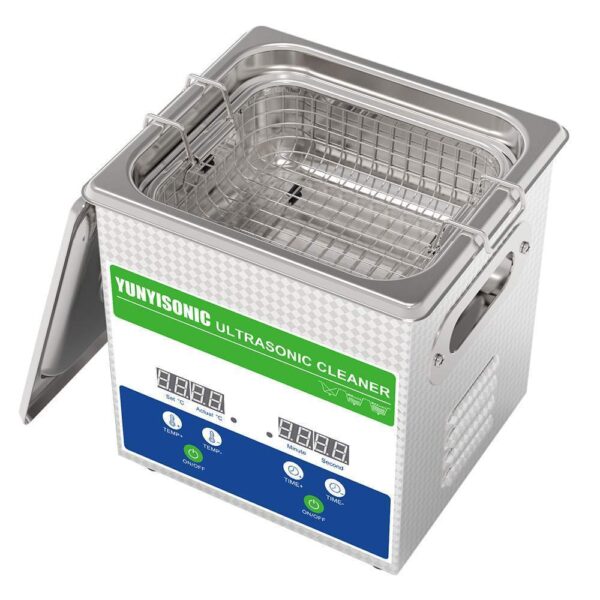
For compact optical practices, laboratories, and specialized home workstations, purpose-built desktop machines such as the 0.8L ultrasonic eyeglass cleaner can provide a controlled cleaning bath for hinge mechanisms and rim recesses, provided the eyewear manufacturer permits ultrasonic cleaning.
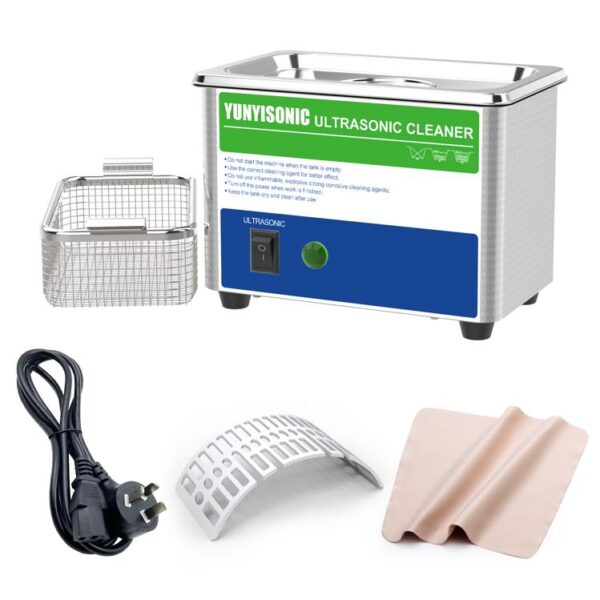
Click to view: 0.8L Ultrasonic Eyeglass Cleaner | Efficient Clean Spectacles, Magnifying Glasses, Optical Lenses, Jewelry, Dentures
Material Compatibility Analysis across Lens and Frame Substrates
Determining whether ultrasonic cleaning is appropriate for a specific pair of spectacles requires an understanding of material science and, above all, the eyewear manufacturer’s care instructions. Contemporary eyewear is an assembly of disparate materials, each possessing distinct mechanical properties, thermal expansion behavior, and surface treatments.
Most corrective and protective lenses are cast from optical polymers, including standard allyl diglycol carbonate (CR-39), polycarbonate, Trivex, and high-index resins. Mineral glass lenses, though less common today, are generally more resistant to scratching and tolerate aqueous ultrasonic cleaning well. Intact optical polymers can also tolerate brief ultrasonic cycles when the bath chemistry and temperature are appropriate. However, modern ophthalmic lenses rely on multi-layer coatings to deliver anti-reflective (AR), scratch-resistant, hydrophobic, and oleophobic capabilities. These coatings and the underlying lens substrate can respond differently to heat, chemicals, and pre-existing damage.
If an anti-reflective coating is intact and the lens manufacturer permits ultrasonic cleaning, a short, cool cycle may remove contaminants without damaging the coating. However, ultrasonic cleaning should not be used to test or treat lenses with visible coating peeling, crazing, deep scratches, chemical damage, or uncertain coating condition. Cleaning can reveal or worsen damage that already exists, particularly at lens edges or other compromised areas. Specialized multi-zone lenses, such as those evaluated in technical analyses of ultrasonic cleaning on myopia-control defocus glasses, demand additional procedural caution because their surface structures and coatings may have product-specific cleaning requirements.
Frame materials also exhibit variable responses:
- Standard Metallic Frames: Titanium, stainless steel, Monel, and nickel alloys are generally compatible with brief ultrasonic cleaning cycles. Ultrasonic cleaning can remove oils and loose debris from hinge barrels and pad arms, but it does not reverse corrosion or restore damaged plating.
- Cellulose Acetate and Propionate: Many plastic frames tolerate short ultrasonic cycles, but elevated temperatures, prolonged immersion, and unsuitable detergents can cause warping, whitening, hazing, or surface changes, especially in aged material.
- Thermoplastic Polyamides (TR-90 / Grilamid): These flexible plastics often tolerate brief cycles in a cool aqueous bath, but compatibility still depends on the specific frame, pigments, coatings, and manufacturer guidance.
- Natural and Porous Materials: Genuine horn, natural wood, bone, and tortoiseshell frames should not be subjected to ultrasonic cleaning unless the manufacturer expressly approves it. These materials can absorb water or be damaged by immersion and cavitation.
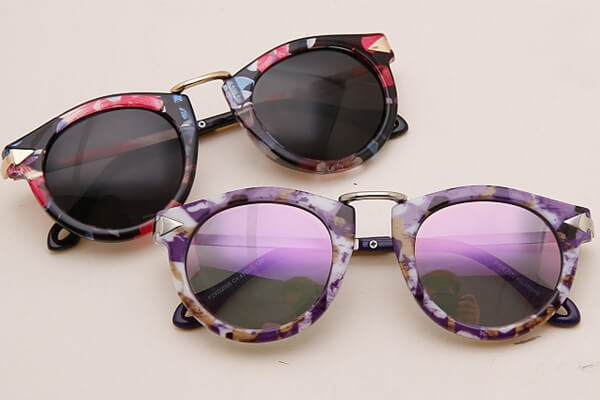
- Adhesive-Bonded and Coated Elements: Frames featuring glued crystal accents, painted temple inlays, or applied decorative foils may be vulnerable. Immersion, heat, detergents, and ultrasonic agitation can weaken adhesive bonds or damage decorative finishes.
Glasses
Technical Operating Parameters Determining Cleaning Efficacy
Cleaning efficacy is not a product of uncontrolled power; it is an engineered balance between frequency, acoustic intensity, bath chemistry, temperature, and exposure time. A system calibrated for automotive degreasing operates under parameters that may be unsuitable for ophthalmic assemblies. Optical equipment design focuses on precise physical standards, as recognized in optical literature such as What Is Ultrasonic Cleaning in Optics? Definition, Clinical Use SHORT READS (Lens.com).
Acoustic frequency affects cavitation behavior and cleaning action. Lower frequencies, such as 20 kHz to 28 kHz, generally produce more aggressive cavitation and are commonly used for heavy industrial cleaning. For eyewear and fine optics, consumer and professional units commonly operate around 40 kHz; some units operate at higher frequencies. The appropriate setting depends on the cleaner design and the eyewear manufacturer’s instructions rather than on frequency alone.
Thermal control inside the fluid tank is equally important. Heated solutions may be useful for some industrial soils, but ophthalmic lenses and frame assemblies should generally be cleaned in cool or lukewarm liquid unless their manufacturer specifies otherwise. Excessive heat can stress lens materials, coatings, adhesives, and frame components. For routine eyewear cleaning, room-temperature water is normally the conservative choice.
Acoustic energy also requires a properly formulated liquid medium. Plain water may be adequate for light cleaning, while a small amount of mild, neutral cleaner can improve wetting and oil removal. Excess detergent, however, can leave residue and may reduce cavitation effectiveness. Water quality can affect spotting and residue, so distilled or deionized water may be useful where hard water leaves mineral deposits. Many ultrasonic-cleaner instructions recommend allowing a newly prepared bath to run briefly before loading parts; this can reduce excess dissolved gas and stabilize cleaning performance.
Standard Operating Procedure for Eyewear Decontamination
Executing a reliable cleaning cycle requires adhering to a structured procedural methodology. Bypassing essential steps—such as resting components on bare tank metal—can introduce physical damage.
First, inspect the eyewear under oblique direct lighting. Verify that the lens coatings display no edge peeling, visible flaking, or thermal crazing lines. Check that all hinge screws are seated securely and confirm that the frame material contains no organic or adhesive-bonded decorative elements. When in doubt, consult the lens or frame manufacturer, or an optician.
Prepare the tank by filling it with clean fluid to the operating level line. While municipal water is functional for general tasks, reviewing the parameters of tap water usage in ultrasonic equipment highlights why distilled or deionized water can be useful in hard-water areas: it may reduce mineral spotting on freshly cleaned optics. Introduce only a small quantity of a mild, neutral cleaner that is suitable for the eyewear. If utilizing an advanced machine such as the 1.3L digital ultrasonic cleaner with degas function, follow the manufacturer’s directions for any degas mode before loading parts.
Never place eyewear directly onto the stainless steel floor of the ultrasonic basin. Direct contact can allow the workpiece to vibrate or rub against the tank, potentially scratching lenses or damaging the frame. Components should be supported in a dedicated cleaning basket, as established in the technical guide regarding the necessity of cleaning baskets in ultrasonic tanks. Position the spectacles so that lenses and decorative surfaces do not rub against basket wires or other items.
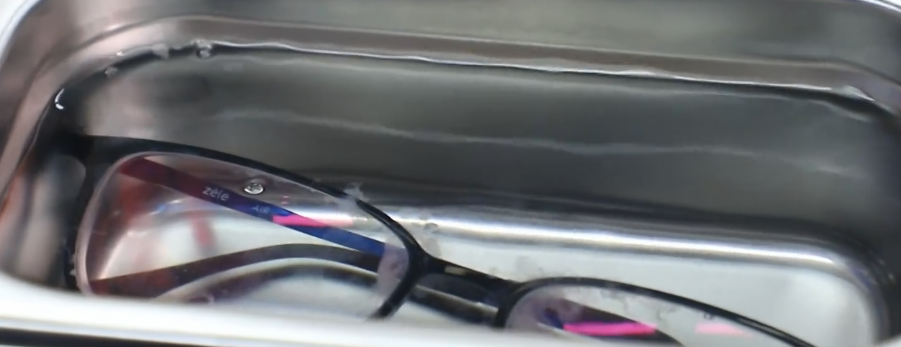
Initiate a short timed cycle, with 30 seconds generally recommended for routine cleaning. This duration is suitable for most ultrasonic-compatible eyewear and helps dislodge organic debris, sebum, and residue around hinges. Avoid prolonged cleaning cycles, as excessive ultrasonic exposure may increase the risk of damaging lens coatings. Once the timer elapses, lift the basket, remove the eyewear, and rinse the assembly with clean water if compatible with the frame and lens materials to flush away suspended particles and detergent residue. Dry the frame and lenses using a clean, dedicated optical microfiber cloth or an oil-free filtered air stream, taking care not to exert heavy pressure across the optical centers.
Ultrasonic cleaner in the process of cleaning eyeglasses
Demonstration only. Always place eyeglasses in the cleaning basket before inserting it into the tank.
Operational Limitations and Critical Contraindications
While ultrasonic cleaners excel at particulate removal and cleaning inaccessible frame areas, they possess clear operational boundaries that must be recognized to prevent equipment misuse.
Ultrasonic cavitation does not repair physical damage, polish out scratches, or reverse oxidation on degraded materials. It cannot clear clouded, yellowed, or UV-degraded polycarbonate lenses. Furthermore, ultrasonic cleaning may accelerate failure in assemblies that are already structurally compromised. Loose hinge screws or other fasteners should be tightened before a cycle, because parts can loosen further or become lost in the tank.
Rimless and semi-rimless frames linked by nylon compression threads or drilled mounting pins require heightened vigilance. If nylon monofilament cords have become brittle from UV exposure or age, immersion and agitation may contribute to failure or release of the lens. Furthermore, tinted fashion sunglasses featuring applied cosmetic coatings may experience damage or color change if submerged in incompatible cleaning chemistries. Contact lenses, hearing aids, electronic glasses, and eyewear containing batteries or electronic components should not be placed in an ultrasonic cleaner unless the product manufacturer explicitly authorizes it.
Proper tank hygiene is essential for consistent cleaning performance. Over multiple cleaning cycles, dislodged sebum and solid particulate accumulate in the stainless steel basin. Operators should drain the tank periodically, wipe down the basin with a soft cloth, and refill it with fresh fluid according to the equipment manufacturer’s instructions.
Maintenance Scheduling and Protocol Frequency
A frequent point of inquiry among optical technicians and eyewear owners involves optimal cleaning frequency. Because cleaning needs and material compatibility vary, there is no universal ultrasonic-cleaning interval for every pair of glasses.
As documented in research covering how often to clean glasses ultrasonically, occasional ultrasonic cleaning can serve as a deep-cleaning protocol for compatible prescription frames. Daily maintenance should generally consist of rinsing away grit first, then using clean water, an approved lens cleaner, and an uncontaminated microfiber cloth. An ultrasonic cycle may be used when residue has accumulated around hinges, nose pads, and other difficult-to-reach areas, provided the eyewear manufacturer permits it.
Equipment Sizing and Specification Matching
Selecting appropriate equipment depends primarily on the operational setting and processing volume. Small consumer countertop units generally offer fixed low-wattage cycles, while professional benchtop units may incorporate frequency stabilization, sweep modes, and precision digital countdown timers.
For individuals seeking simple, dependable operations, a unit like the 1L glasses ultrasonic cleaner with timer knob provides analog simplicity matched with stainless steel construction. In contrast, multi-station retail optical dispensaries and optometry clinics processing multiple patient frames simultaneously may benefit from expanded capacity, such as a 2L ultrasonic cleaning bath, which can accommodate wider panoramic sunglasses, safety goggles, and multiple testing trial lenses without crowding the acoustic field.
Broader technical guidance on selecting and running equipment across varied frames is further detailed in the comprehensive review on using an ultrasonic cleaner on glasses, which outlines critical safeguards for specialty coatings.
Ultrasonic Eyeglass Cleaner
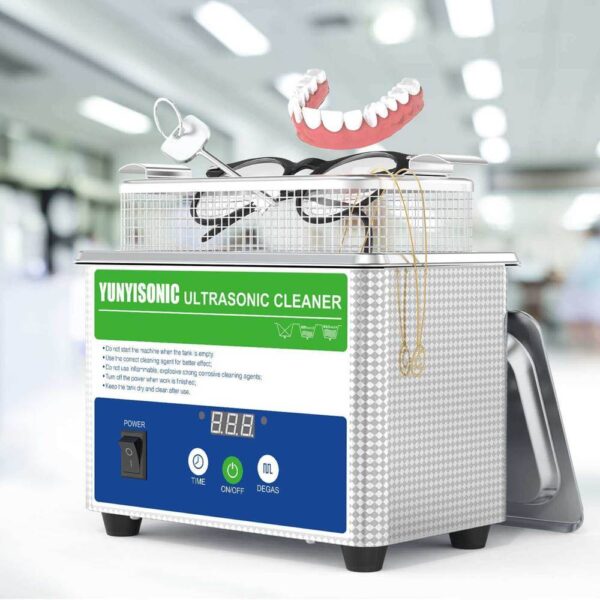
800ml Digital Ultrasonic Jewelry Cleaner | Compact Sonic Cleaning Machine with Timer for Household Cleaning
In stock
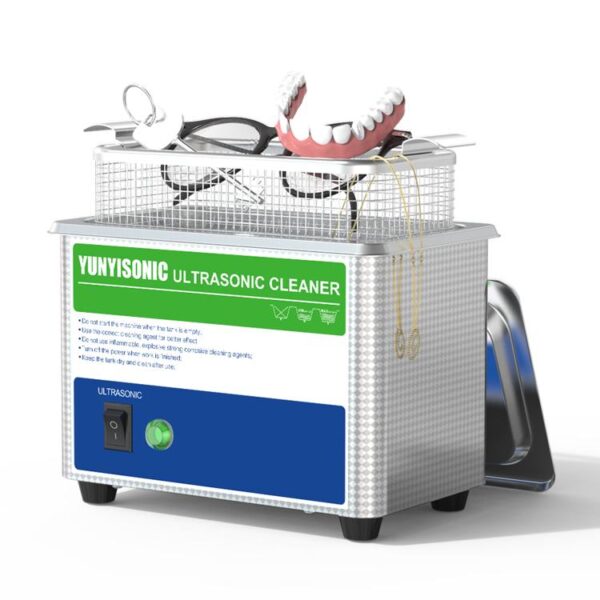
0.8L Ultrasonic Eyeglass Cleaner | Efficient Clean Spectacles, Magnifying Glasses, Optical Lenses, Jewelry, Dentures
In stock
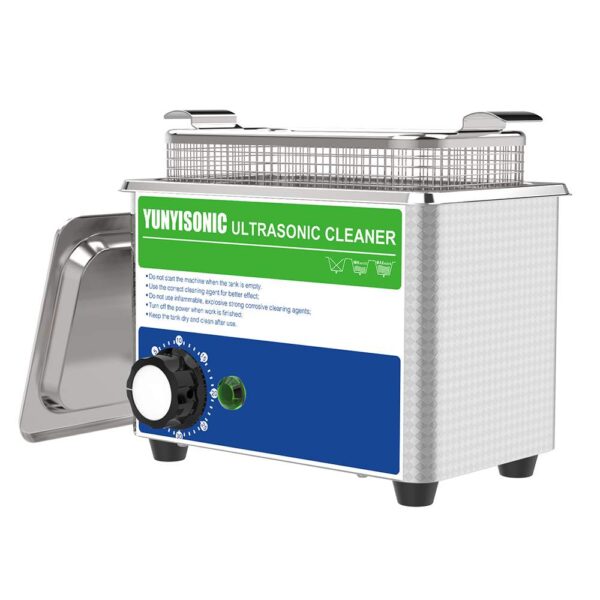
Mini Ultrasonic Cleaner for Jewelry, Dental, and Eyeglass Care | Cleans Dentures, Braces, Retainers, Teeth,Toothbrush Heads
In stock
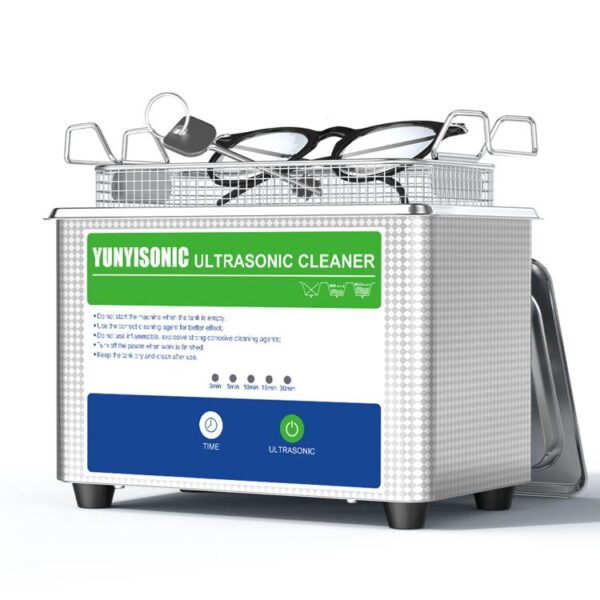
Compact 1L Digital Timer Ultrasonic Jewelry Cleaner For Rings, Necklaces, Watches, Bracelets, Gemstones, and Earrings
In stock
References
- What Is Ultrasonic Cleaning in Optics? Definition, Clinical Use SHORT READS (Lens.com)
- Can You Use an Ultrasonic Cleaner on Glasses?
- Do Ultrasonic Glasses Cleaners Actually Work or Are They Just Hype?
- The Role of the Cleaning Basket in Ultrasonic Cleaning: Essential or Optional?
- Can You Use Tap Water in an Ultrasonic Cleaner?
- How Often Should You Use Ultrasonic Cleaning on Your Glasses?
- Ultrasonic Cleaning for Myopia-Control Defocus Glasses