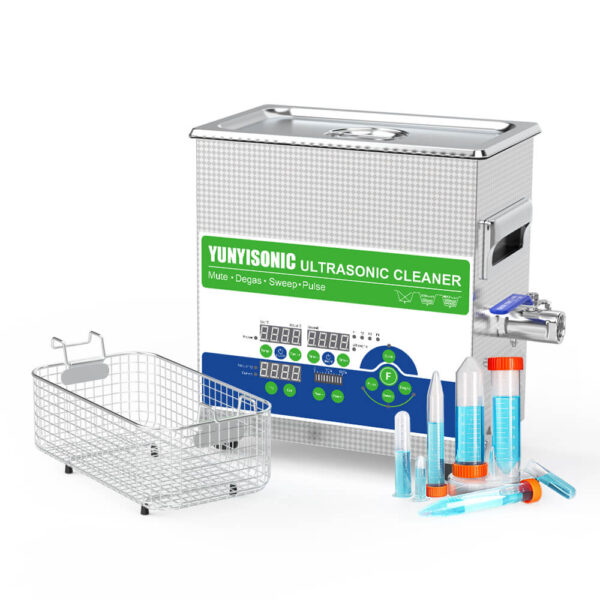



Ultrasonic fruit cleaners can help remove loose dirt, dust, fine particles, and some surface residue from fruits and vegetables when they are used with clean water and followed by a thorough rinse. Their effectiveness comes from ultrasonic cleaning, which creates microscopic bubble activity in the water around the produce. That activity can improve contact between water and uneven surfaces that are difficult to clean by hand.
However, ultrasonic fruit cleaners are not sterilizers, pesticide-removal guarantees, or replacements for safe food-handling practices. Their performance varies with the produce type, surface condition, water quality, ultrasonic power, frequency, cleaning time, loading method, and rinsing procedure. Consumers should treat these devices as an aid for surface cleaning rather than a method that makes raw produce risk-free.
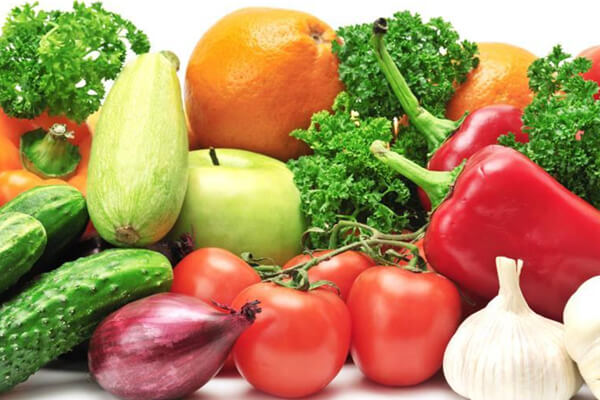
Fruits and vegetables
What an Ultrasonic Fruit Cleaner Can and Cannot Do
An ultrasonic fruit cleaner is designed to clean the exterior of produce submerged in water. It may improve the removal of loosely attached particulate matter from crevices, stem areas, textured skins, and irregular surfaces. This can be useful for produce such as apples, grapes, cherries, tomatoes, cucumbers, broccoli, leafy vegetables, and berries when the cycle is selected carefully.
Its limits are equally important. No countertop ultrasonic fruit cleaner can reliably remove every contaminant from every surface. Some residues are strongly attached, embedded in natural surface wax, trapped beneath damaged skin, or already inside the produce. If a fruit or vegetable is bruised, cut, spoiled, or visibly decayed, ultrasonic cleaning cannot restore its safety or quality.
Food-safety guidance should remain the foundation of produce preparation. The U.S. Food and Drug Administration advises consumers to wash produce thoroughly under running water before preparing or eating it and not to use soap, detergents, or commercial produce washes. The same guidance notes that washing can reduce bacteria on produce but does not eliminate it: Selecting and Serving Produce Safely (U.S. Food and Drug Administration).
How Ultrasonic Fruit Cleaning Works
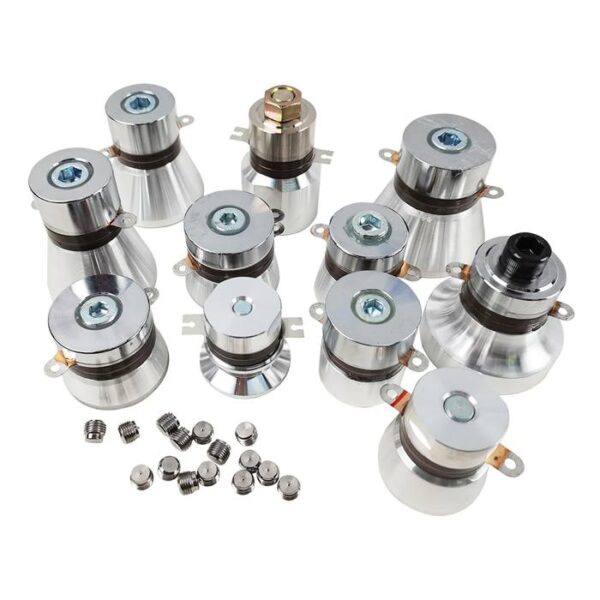
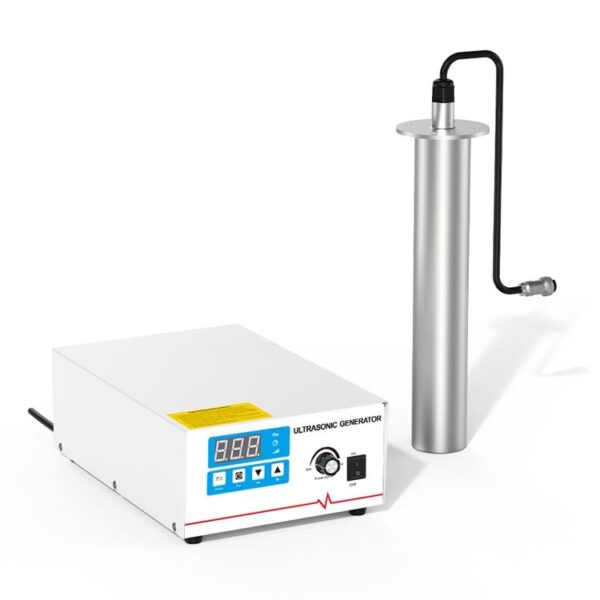
Ultrasonic cleaning relies on acoustic cavitation. Inside an ultrasonic cleaning system, ultrasonic transducers generate high-frequency pressure waves in water. The alternating pressure phases create and collapse microscopic bubbles in the liquid. This phenomenon is not visible as individual bubbles, but it creates localized activity at and near submerged surfaces.
When those microscopic bubbles collapse, they help dislodge loosely attached contamination. Water can then carry the released particles away from the surface. In fruit-cleaning applications, the intended benefit is improved removal of surface soil rather than aggressive treatment of the produce itself.
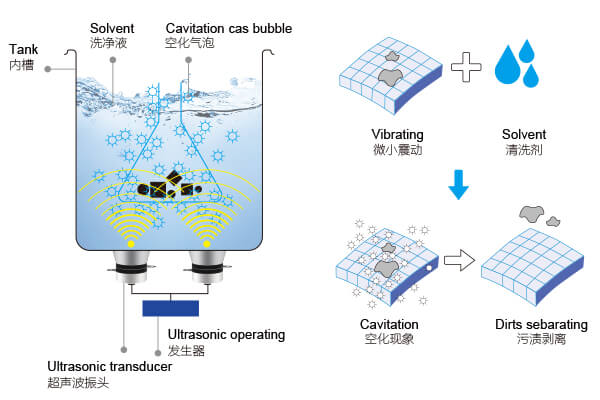
The Principle Behind Ultrasonic Cleaning
Acoustic Cavitation in Water
Water is the normal cleaning medium for ultrasonic fruit cleaners because it transfers high-frequency pressure waves effectively and is appropriate for direct food contact. The transducers are separated from the produce by the cleaner housing or container wall, while the ultrasonic energy travels through the water. A purpose-built device should be used only as instructed, with the correct water level and cycle duration.
The cleaning effect is influenced by ultrasonic frequency and power. Lower-frequency ultrasonic systems generally create stronger cavitation effects, while higher frequencies tend to create finer and more evenly distributed bubble activity. Consumer produce cleaners often use relatively short cycles and controlled output because fruits and vegetables are softer and more easily damaged than metal tools or industrial parts.
Power alone is not a quality indicator. Excessive energy, long cleaning cycles, overloading, or poor produce handling can bruise delicate fruit, disturb soft skins, or damage leafy structures. A well-designed food-cleaning process balances enough energy for surface cleaning with gentle handling appropriate for the product.
Why Produce Shape and Surface Texture Matter
Ultrasonic fruit cleaners tend to offer more practical value on produce with uneven or difficult-to-reach outer surfaces. Grapes have small contact points between individual fruits. Broccoli and cauliflower have tightly structured florets. Strawberries have seeds and surface indentations. Leafy vegetables have folds and overlapping layers that can hold soil and debris.
Smooth produce, including apples, tomatoes, peppers, and cucumbers, is easier to rinse and rub manually under running water. Ultrasonic cleaning may still help lift surface particles, but its added benefit may be less noticeable than it is on irregular produce. Firm produce can also be cleaned with a dedicated produce brush under running water, which remains a practical food-safety recommendation.
Produce should not be packed tightly into the cleaning container. Overcrowding blocks water access and prevents the fruit from being exposed evenly to the ultrasonic field. It can also cause fruits to rub against each other, leading to bruising or damaged skin.
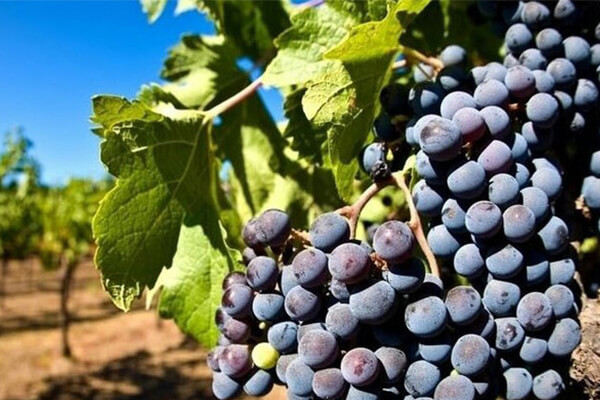
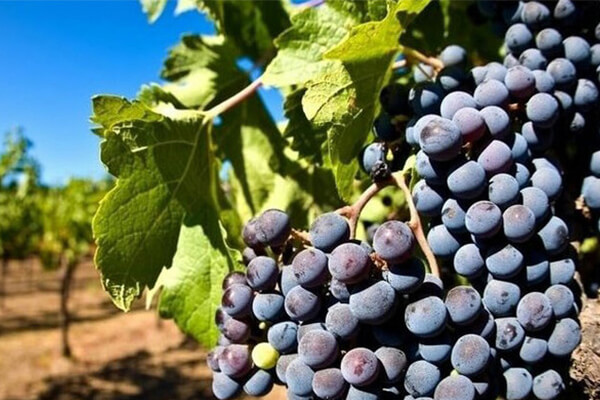
Grape
What Ultrasonic Fruit Cleaners May Help Remove
Do ultrasonic fruit cleaners work for ordinary household produce cleaning? They can work as a supplemental method for removing surface debris when the device is used correctly and followed by rinsing. The most realistic expectation is improved cleaning of external, loosely attached material rather than complete removal of all biological or chemical hazards.
Loose Dirt, Dust, and Surface Particles
Loose soil is one of the most suitable targets for ultrasonic fruit cleaning. Dirt from cultivation, handling dust, fine particles, and debris trapped in small surface features can be loosened by acoustic cavitation and water contact. This is particularly relevant for produce sourced from gardens, farmers’ markets, or bulk display bins, where external particulate contamination may be more apparent.
The water should be changed between heavily soiled batches. Reusing visibly dirty water can transfer loosened soil from one item to another. A brief clean-water rinse after ultrasonic cleaning is also important because suspended particles may remain in the water or settle back on produce as it is removed.
Some Residues on Accessible Outer Surfaces
Ultrasonic fruit cleaners may assist in reducing selected residues on the accessible outer surface of produce. Results depend on the chemistry of the residue, how strongly it adheres, whether natural wax is present, and whether the produce has rough, smooth, porous, or damaged skin. It is not technically sound to claim that ultrasonic cleaning removes all pesticide residues from all fruits and vegetables.
Some pesticide residues can be present beneath the skin, absorbed into plant tissues, or located in areas not fully exposed to the water. Peeling can reduce exposure to some surface residues, but peeling also removes edible portions and does not address every food-safety issue. Washing, rinsing, proper storage, and selecting undamaged produce remain the practical controls available at the household level.
Important Limits of Ultrasonic Fruit Cleaners
Ultrasonic fruit cleaners should not be marketed or used as disinfection equipment unless a specific model has been independently validated and legally authorized for that purpose. The fact that a device creates acoustic cavitation does not establish a defined microbial reduction level across different produce types, water conditions, contamination levels, and loading patterns.
Foodborne pathogens may be present in soil, irrigation water, harvesting environments, transport containers, cutting tools, or kitchen surfaces. Surface washing can reduce some contamination, but it cannot ensure that raw produce is free of harmful microorganisms. Cooking is the more reliable control for foods that are suitable for cooking, while cold storage, hygienic preparation, and cross-contamination prevention remain essential for fresh produce.
Food Safety and Microbial Risk
Ultrasonic fruit cleaners do not replace handwashing, clean food-contact surfaces, proper refrigeration, or separation of raw produce from raw meat, poultry, seafood, and eggs. A cleaning device can become a source of cross-contamination if the basin, basket, lid, or surrounding countertop is not washed and dried between uses.
Pre-cut and packaged produce needs separate consideration. If a package is labelled ready-to-eat or pre-washed, additional washing may not be necessary and can introduce contamination through unclean water, containers, or hands. If a product requires washing, follow the label and applicable food-safety guidance rather than applying a general cleaning routine to every package.
Pesticides, Waxes, and Internal Contamination
Many fruits have natural protective waxes, and some commercial produce may also have approved food-grade wax coatings. These coatings can affect how water and ultrasonic energy interact with the surface. A cleaner may reduce loose particles sitting on the outer layer, but it should not be expected to strip protective coatings uniformly or remove residues incorporated into the wax layer.
Ultrasonic cleaning also cannot correct contamination inside produce. Once fruit is cut, bruised, cracked, or punctured, microorganisms from the exterior can potentially be transferred inward. Washing should therefore occur before peeling or cutting, and damaged sections should be removed. Produce with mold, decay, or extensive bruising should be discarded when its condition indicates spoilage.
How to Use an Ultrasonic Fruit Cleaner Safely
Safe operation starts with a clean device and potable water. The tank, basket, and any removable components should be rinsed and cleaned before use. Do not use a device that has previously held non-food items, industrial chemicals, jewelry cleaner, degreaser, or other residues unless it can be fully cleaned and is specifically intended for food-contact use.
Sort produce before washing. Remove visibly spoiled items, cut away damaged areas where appropriate, and separate firm fruits from delicate berries or leafy vegetables. Washing different types together can cause bruising, and dirt released from root vegetables can contaminate more delicate items.
- Fill the cleaner with clean potable water to the designated operating level.
- Place produce loosely in the basket or designated container without compressing it.
- Use the shortest effective cycle specified for the type of produce.
- Remove produce promptly when the cycle ends rather than leaving it soaking.
- Rinse each item under clean running water after ultrasonic cleaning.
- Dry firm produce with a clean paper towel or clean cloth where appropriate.
- Clean, rinse, and dry the ultrasonic fruit cleaner after every use.
Do not add dish soap, household detergent, bleach, disinfectant, alcohol, or unapproved chemicals to the water. Fruits and vegetables can absorb residues through pores, damaged skin, cut surfaces, or natural openings. Food-safe operation means using clean water unless the appliance instructions specifically allow another food-contact liquid and provide validated directions for its use.
Choosing a Suitable Ultrasonic Fruit Cleaner
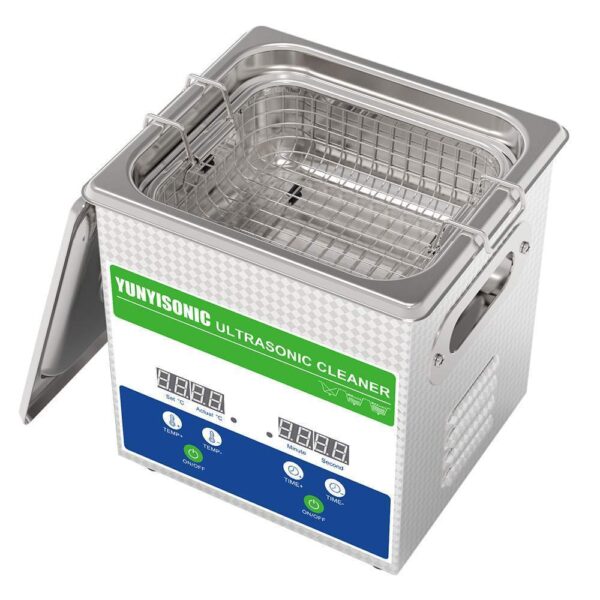
Selection should focus on practical design features rather than unsupported claims. A device intended for fruit and vegetable cleaning should have food-contact materials, a removable basket or insert, a container that is easy to drain and clean, and controls that prevent unnecessarily long cycles. A stable base and covered design can also reduce splashing during operation.
Capacity should match the expected household batch size. A unit that is too small encourages overloading, while an excessively large device may waste water and take longer to clean between uses. The usable basket volume matters more than the external dimensions because produce needs open space for water access.
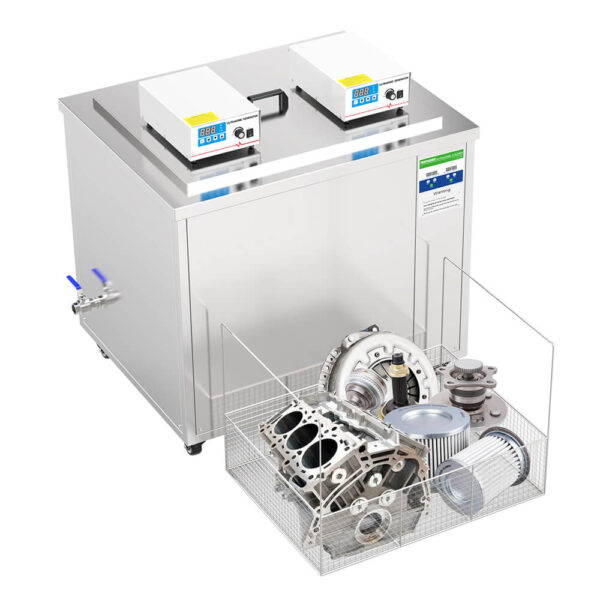
Cycle control is important for delicate produce. A short, preset cleaning cycle may be suitable for berries, leafy greens, and soft tomatoes, while firm produce may tolerate a slightly longer cycle. Avoid treating a general industrial ultrasonic cleaner as a fruit cleaner. Industrial equipment may use higher power, larger tanks, heated baths, or cleaning conditions intended for metal parts rather than food.
For readers comparing ultrasonic technology across different cleaning tasks, What Are the Advantages and Disadvantages of Ultrasonic Cleaners? Full Breakdown for Home and Industry provides useful background on how acoustic cavitation, frequency, solution selection, and material sensitivity affect results. Food cleaning remains a separate use case that requires potable water, gentle handling, and food-safety controls.
Produce That Needs Extra Care
Soft berries are among the most delicate items. Strawberries, raspberries, blackberries, and ripe blueberries can bruise or break if cycles are too long, water movement is excessive, or the basket is overloaded. Use a short cycle where appropriate, avoid piling berries deeply, and rinse them gently. Wash berries close to the time they will be eaten because added moisture can shorten storage life.
Leafy greens require attention to both cleaning and drying. Water can reach folds and layers, but loose leaves can trap water after cleaning. Separate damaged leaves, rinse thoroughly, and dry with a salad spinner or clean towels where suitable. Refrigerate cleaned greens promptly in a clean container if they will not be consumed immediately.
Firm produce such as melons, cucumbers, potatoes, and apples can tolerate more direct handling. Even so, melons and similar items should be washed before cutting because microbes on the rind can be carried into the edible flesh by a knife. A clean produce brush under running water remains useful for firm skins with visible soil.
Cleaning, Maintenance, and Common Problems
Maintenance is essential because the cleaner itself becomes part of the food-contact environment. After each cycle, discard the used water and remove visible debris from the basket and basin. Rinse all removable parts, wash them as allowed by the appliance instructions, and dry them thoroughly before storage. Stagnant water can support odors, mineral buildup, and microbial growth.
Hard-water deposits may appear as white marks on the tank or water line. These deposits can usually be reduced by wiping the unit after use and following the manufacturer’s approved descaling procedure. Do not use harsh chemicals unless they are compatible with the materials and can be fully rinsed from food-contact surfaces.
Weak results may be caused by overloading, dirty water, incorrect water level, excessive cycle time, poor produce sorting, or unrealistic expectations. If soil remains in deep crevices, repeat the rinse under running water or use a produce brush for firm items. If soft fruit becomes damaged, reduce the load, shorten the cycle, and avoid combining it with heavy or firm produce.
Final Guidance
Do ultrasonic fruit cleaners work? They can improve removal of loose dirt and surface particles from many fruits and vegetables, particularly produce with textured, folded, or irregular outer surfaces. Their usefulness is greatest when they are treated as one part of a careful washing routine that also includes clean water, proper rinsing, hygienic handling, and correct storage.
They should not be relied on to sterilize produce, remove all pesticides, or make damaged and spoiled food safe. Choose a food-contact device with gentle cycle controls, do not use soap or household chemicals, avoid overcrowding, rinse produce after the cycle, and keep the cleaner itself clean. These practices provide the most realistic and technically sound approach to ultrasonic fruit cleaning.
References
- Selecting and Serving Produce Safely (U.S. Food and Drug Administration)
- What Are the Advantages and Disadvantages of Ultrasonic Cleaners? Full Breakdown for Home and Industry