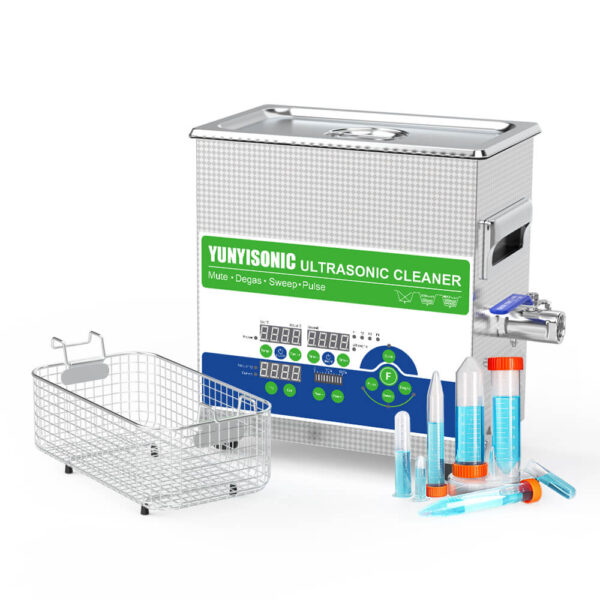


Yes, water can be used in an ultrasonic cleaner, and it is the standard base liquid for many cleaning tasks. Plain water is suitable for removing loose dust, water-soluble residues, light soil, and some particles from hard, non-porous items. For better consistency, distilled or deionized water is generally preferred because it leaves fewer mineral deposits on parts and inside the tank.
Water is not a universal cleaning solution. It has limited ability to dissolve oils, waxes, heavy grease, oxidation products, polishing compound, and carbonized deposits. In those cases, a compatible water-based ultrasonic cleaning concentrate supplies the chemistry needed to loosen or dissolve contamination while the ultrasonic cleaner provides the physical cleaning energy. Successful ultrasonic cleaning depends on the combined effect of the liquid, operating temperature, frequency, cycle time, and the material being cleaned.
Water as the Base Liquid for Ultrasonic Cleaning

Water
Water is an effective starting medium because it transmits ultrasonic energy efficiently and supports the formation of cavitation bubbles. Most benchtop and industrial ultrasonic tanks are designed to operate with an aqueous bath, either as plain water or water diluted with a purpose-formulated detergent. The liquid level must remain within the manufacturer’s marked operating range so that the tank, transducers, and heater can function as designed.
For lightly contaminated stainless steel parts, laboratory glassware, ceramic components, certain tools, and metal jewelry without vulnerable stones or coatings, warm water with a small amount of neutral cleaner can be sufficient. The important distinction is that water carries ultrasonic energy, while detergent changes surface tension and helps separate contaminants from the workpiece. A small amount of the correct cleaner often delivers a far better result than increasing cleaning time alone.
When Plain Water Is Effective
Plain water performs best when the contamination is loose, fresh, and water-soluble. Common examples include machining dust, fingerprints, light particulate debris, salts, water-based fluids, and some food residues. It is also appropriate for a preliminary rinse cycle before a more targeted wash stage.
Water-only operation may be useful where chemical residue must be minimized, such as the initial cleaning of certain precision components or the rinsing of parts after detergent cleaning. Even then, the water quality matters. Tap water varies in mineral content, alkalinity, dissolved solids, and chloride concentration. As water dries, those dissolved minerals may remain as visible spots or residues.
Why Distilled or Deionized Water Is Often Preferred
Distilled and deionized water reduce the risk of scale, spotting, and conductive residues. This is particularly important for optics, electronic assemblies that are specifically approved for wet cleaning, laboratory items, and parts that will be coated, bonded, plated, or inspected after cleaning. Deionized water does not remove grease on its own, but it can provide a cleaner rinse after a detergent wash.
Water quality also influences tank maintenance. Hard water can form scale on heated surfaces and tank walls, which may reduce heat-transfer efficiency and complicate visual inspection. In facilities that run repeated cycles, using filtered, softened, deionized, or reverse-osmosis water can lower housekeeping demands and improve process repeatability.
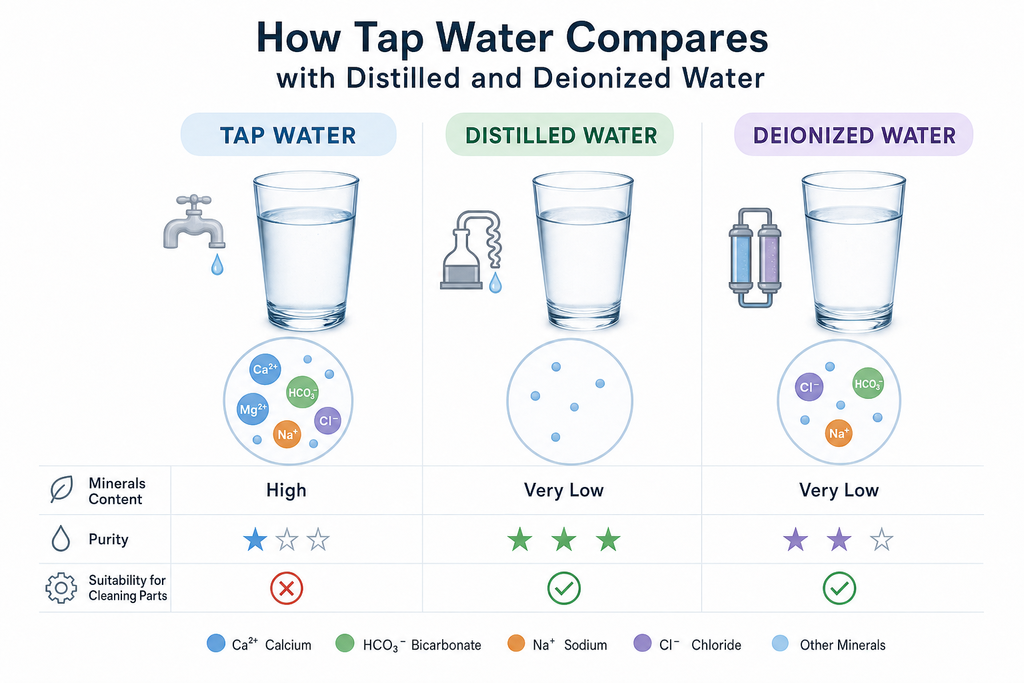
How Tap Water Compares with Distilled and Deionized Water
How Water Supports Acoustic Cavitation
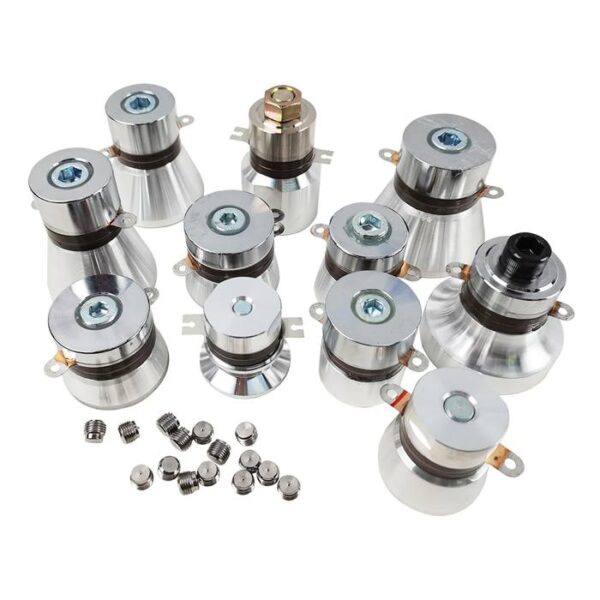
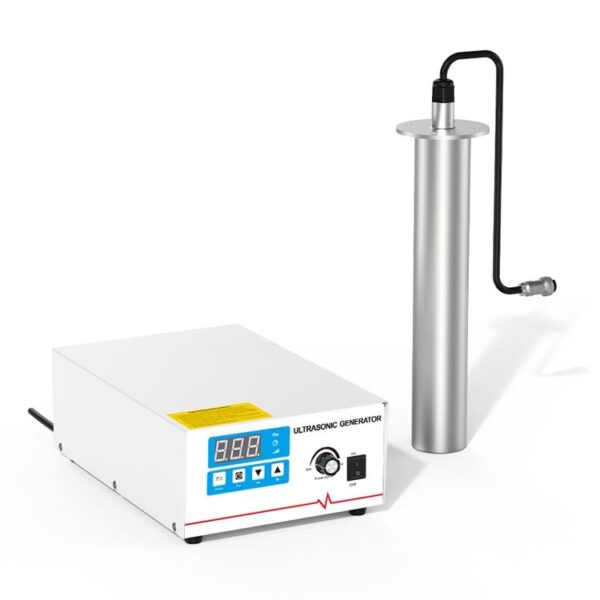
Ultrasonic cleaning is not mechanical stirring or mixing. Ultrasonic transducers bonded to or integrated with the tank convert electrical energy into high-frequency vibration. These transducers generate high-frequency pressure waves in the liquid. During low-pressure portions of the wave, microscopic bubbles form; during high-pressure portions, they collapse. This repeating event is called acoustic cavitation.
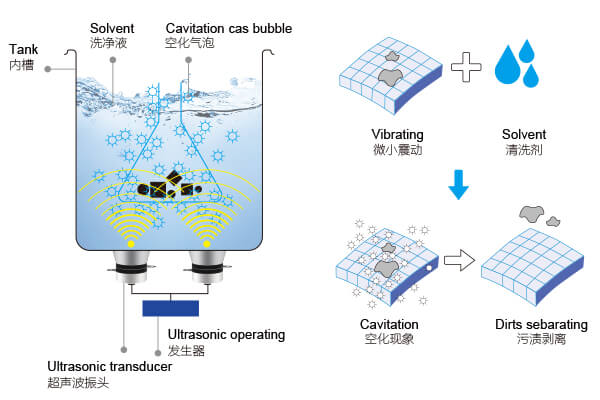
The Principle Behind Ultrasonic Cleaning
When cavitation occurs near a submerged surface, the collapsing bubbles release localized energy that disrupts the bond between contamination and the part. The process is especially valuable for blind holes, threads, narrow gaps, textured surfaces, and complex internal geometries that are difficult to reach with a brush. Water provides the continuous medium required for those pressure waves and bubbles to form throughout the effective cleaning zone.
Frequency, Temperature, and Dissolved Gases
Frequency affects cavitation intensity and bubble size. Lower frequencies, commonly around 25 to 40 kHz, tend to create stronger cavitation suitable for robust metal parts and heavier contamination. Higher frequencies, such as 80 to 120 kHz, generally create smaller and gentler cavitation events, which can be preferable for fine features, delicate surfaces, and precision work. Frequency alone does not determine suitability; material strength, surface finish, contamination type, and cleaning chemistry must all be considered.
Temperature often improves water-based cleaning because it lowers the viscosity of oils and improves detergent activity. Many aqueous cleaning processes operate in the approximate range of 40°C to 60°C, although the correct temperature depends on the solution and the item. Excessive temperature can soften adhesives, accelerate chemical attack, damage heat-sensitive plastics, and increase vapor release from unsuitable liquids.
Freshly filled water contains dissolved air. Excess gas can absorb ultrasonic energy and reduce cavitation performance, so a degas cycle is helpful before loading critical parts. If the unit does not include a dedicated degas setting, operating the cleaner for several minutes with the tank filled and unloaded can reduce dissolved gases. The water surface may show rippling or fine bubble activity during this preparation stage.
The following is a demonstration of defoaming and degassing in an ultrasonic cleaner
When Water Alone Is Not Enough
Water does not readily dissolve nonpolar contamination such as lubricating oil, grease, wax, many polishing compounds, and fuel residue. It also cannot chemically remove most tarnish or corrosion layers. Acoustic cavitation may dislodge loose material around these deposits, but it cannot replace the chemical action required to break down strongly bonded soils.
For example, tarnish on silver, brass, or copper is a chemical surface reaction rather than simple dirt. Water may remove skin oils and dust that make the item appear dull, but it normally will not eliminate the underlying sulfide or oxide layer. The material-specific chemistry needed for tarnish removal should be selected carefully to avoid etching, discoloration, or damage to plating. The guide ultrasonic cleaning for tarnish removal provides useful context on the difference between physical soil removal and oxidation treatment.
Greasy mechanical parts normally require a low-foaming alkaline or neutral degreasing concentrate diluted according to the chemical supplier’s instructions. Rust removal requires a compatible chelating or acidic formulation selected for the base metal and tank construction. Solvent use requires particular caution: many common flammable solvents should never be placed directly in a heated ultrasonic tank because vapor ignition and equipment damage are serious risks.
Choosing a Compatible Water-Based Cleaning Concentrate
The cleaning chemical should match both the contaminant and the workpiece. Neutral detergents are often selected for general soils and mixed materials. Alkaline cleaners may be suitable for oils and heavy grease on steel, stainless steel, and some robust alloys. Acidic formulations can address mineral scale and oxides, but they need stricter controls because they may attack aluminum, zinc, magnesium, plated finishes, and vulnerable solder joints.
Always confirm compatibility with the tank material, basket, seals, drains, pumps, filtration components, and the item being cleaned. Stainless steel tanks are widely used because they withstand repeated aqueous cycles and resist many cleaning chemicals, but not every chemical is compatible at every concentration or temperature. The material and fabrication role of the tank is explained in Why Is Stainless Steel Used in the Inner Cavity of Ultrasonic Cleaners: Properties, Benefits, and Industry Insights.
Proper Water Use in an Ultrasonic Cleaner
A controlled process protects both the equipment and the parts. The tank should be filled before the ultrasonic function is activated. Operating an ultrasonic cleaner with an empty tank, or substantially below its minimum fill level, can overheat transducers and damage bonded components. Parts should be held in a basket or fixture rather than placed directly on the tank bottom, where contact can scratch the workpiece and interfere with sound transmission.
- Fill the tank with water or the specified water-and-concentrate mixture to the operating level.
- Set the required temperature and allow the bath to stabilize if heated cleaning is needed.
- Degas fresh solution before processing quality-sensitive parts.
- Load parts in a basket without stacking or tightly nesting them.
- Run a short initial cycle, inspect the result, and extend time only when necessary.
- Rinse parts with clean water when detergent or treatment chemistry remains on the surface.
- Dry promptly using filtered air, lint-free materials, controlled heat, or another material-compatible method.
Cleaning time should be based on test results, not assumptions. Longer exposure is not always better. Extended ultrasonic cleaning can accelerate wear at sharp edges, remove loose coatings, force liquid into assemblies, or affect delicate stones and bonded components. Short cycles with inspection between cycles give better process control than one long unattended cycle.
Direct-Bath and Indirect-Beaker Methods
In direct-bath cleaning, the water-based solution contacts the tank and the workpiece directly. This is the most efficient arrangement for routine aqueous cleaning. It is appropriate only when the liquid is compatible with every wetted component of the ultrasonic cleaner.
In indirect cleaning, a smaller glass or stainless steel container holding the process liquid is placed in a water-filled tank. The surrounding tank water transfers ultrasonic energy through the container wall. This method can reduce direct tank exposure to specialty liquids and is useful for small batches, but cleaning intensity is lower and the liquid level inside the container must be managed carefully. It does not make flammable or incompatible chemicals safe; chemical safety data and equipment instructions still govern the process.
Water Compatibility by Item and Material
Many solid, non-porous materials tolerate water-based ultrasonic cleaning well when the chemistry and exposure time are suitable. Stainless steel, many glass items, ceramics, robust engineering plastics, and uncoated metal components are common examples. However, the object’s construction matters as much as its visible material.
Do not assume that every metal, plastic, or jewelry item is appropriate. Porous stones, pearls, opals, emeralds with fracture filling, glued settings, laminated components, wood, leather, painted surfaces, loose coatings, and water-sensitive electronics may be damaged by water, heat, or acoustic cavitation. Watches require special restraint because seals are designed for static water resistance, not necessarily an ultrasonic bath. For that reason, a guide to ultrasonic cleaning for watches correctly distinguishes a removable metal bracelet from a complete watch head.
For electronics, water is appropriate only where the assembly is designed for aqueous processing and a validated rinse-and-dry procedure exists. Water trapped under components, inside connectors, or under shielding can create corrosion and reliability issues. Deionized-water rinsing and controlled drying are common in professional processes, but they are not substitutes for confirming component compatibility.
Equipment Selection and Practical Applications
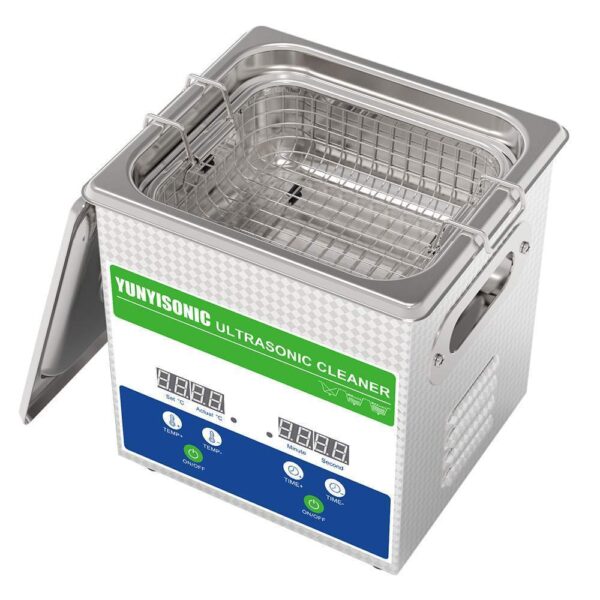
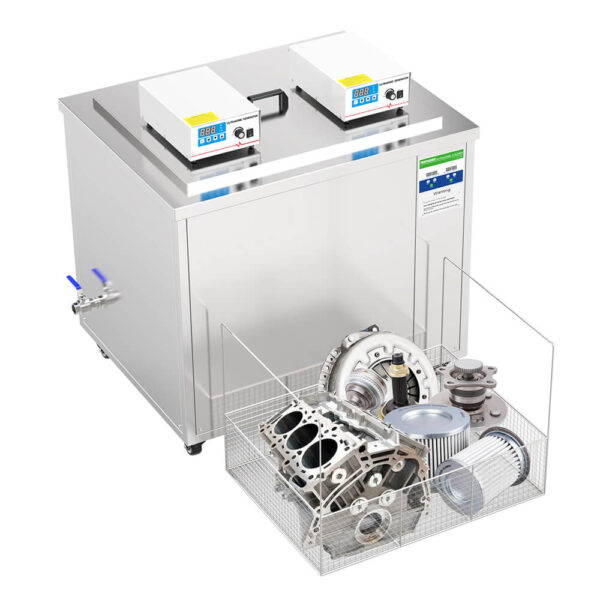
Tank size should accommodate the largest workpiece while leaving space for solution circulation around it. A small benchtop cleaner is suitable for items such as fasteners, small tools, metal watch bracelets, laboratory accessories, and compact mechanical components. Larger tanks are better suited to batches of automotive parts, production fixtures, filters, valves, and industrial maintenance items.
Frequency and control features should reflect the task. General-purpose 40 kHz operation is widely used for everyday metal parts and intricate hard items. Higher-frequency units can be useful when surface sensitivity is a concern. Adjustable power, heating, timer controls, sweep operation, filtration, and overflow rinsing are process features that may improve repeatability in professional settings. A pumped circulation loop or spray stage, where fitted, is a separate fluid-handling function and should not be confused with ultrasonic cleaning.
For fuel-system components and other parts with internal passages, water-based chemistry can be more effective than water alone because it addresses dried fuel film and oil residues while acoustic cavitation reaches narrow channels. The process guidance in Ultrasonic Cleaner Solutions for Carburetors: How to Deep Clean for Peak Performance is relevant when selecting solution strength, temperature, and rinsing practices for mechanical assemblies.
Ultrasonic Cleaner Recommendations for Everyday Home Use
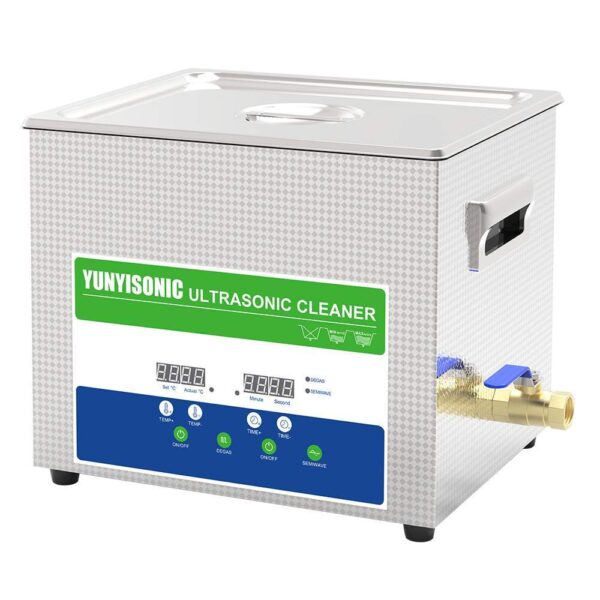
10L Digital Ultrasonic Cleaner for Carburetors 40kHz SUS304 with Timer, Heating
In stock
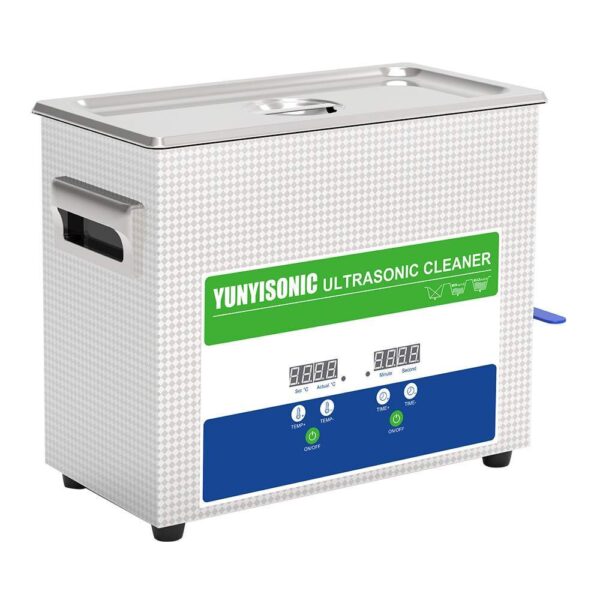
6L Ultrasonic Cleaner for Instruments Maintenance | Optimal Performance and Long-Lasting Sound Quality for Your Timeless Tunes
In stock
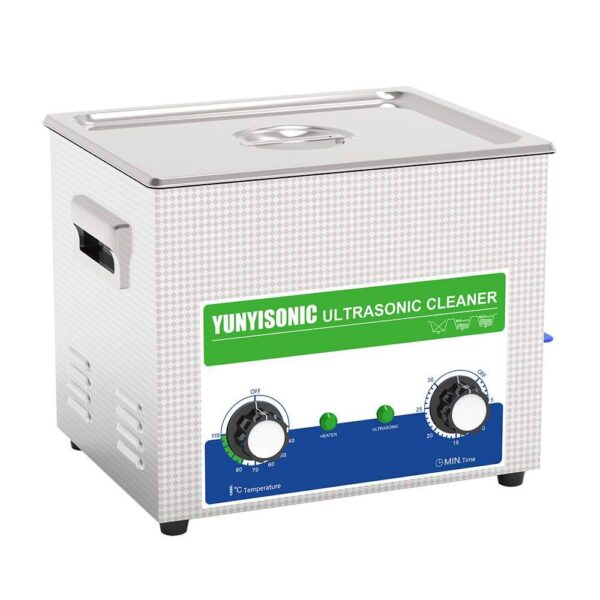
10L Ultrasonic Cleaner for PCB Parts, Electronic Tools, and Assemblies | Professional Cleaning for Electronics
In stock
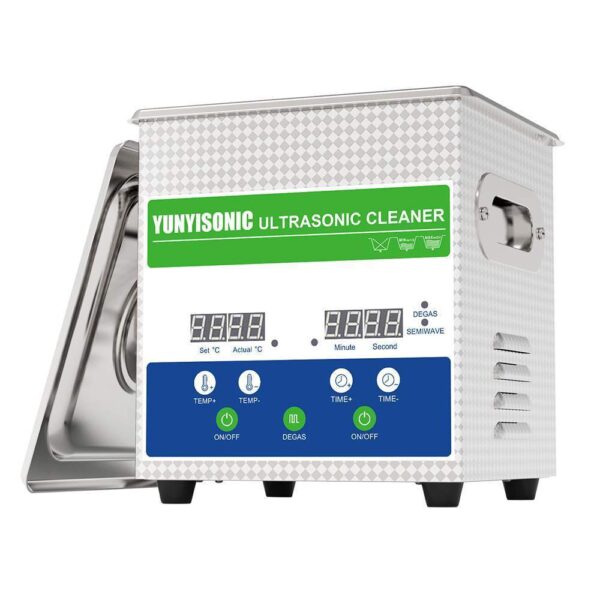
1.3L Portable Ultrasonic Parts Washer with Degas for Jewelry and Dental Cleaning
In stock
Common Problems When Using Water in an Ultrasonic Cleaner
Weak cleaning often results from an incorrect liquid, insufficient detergent concentration, excessive dissolved air, low temperature, poor part orientation, overloaded baskets, or worn transducers. If water appears active but results are poor, do not immediately increase power or time. First verify that the contaminants are water-soluble and that the selected chemistry is appropriate.
White spots after drying usually indicate minerals in tap water or detergent residue. Switching to deionized water for the final rinse, improving rinsing, and drying parts promptly can correct the problem. Foam is another common issue. Excess foaming cushions cavitation and may lead to overflow, so only low-foaming concentrates intended for ultrasonic equipment should be used.
Rapid discoloration, pitting, softened coatings, or dull surfaces indicate a compatibility problem. Stop the process, remove the parts, rinse them if safe to do so, and review the solution’s concentration, temperature, and material limitations. Aluminum and zinc alloys deserve particular attention because aggressive alkaline or acidic products can attack them quickly.
Maintenance and Water Management
Water and cleaning solution should be changed when it becomes visibly contaminated, develops persistent foam, loses cleaning performance, or reaches the chemical supplier’s specified service limit. Reusing a heavily contaminated bath can redeposit soils and make results inconsistent. In production settings, solution concentration, temperature, pH, conductivity, and soil load may be monitored as part of a documented cleaning process.
After draining the tank, wipe it with a soft cloth and rinse away residues using a compatible water source. Avoid abrasive pads that can scratch the stainless steel surface. Check baskets, drains, valves, heaters, electrical connections, and tank seams according to the equipment maintenance schedule. A clean tank and fresh water-based solution allow acoustic cavitation to act more consistently and extend the useful life of the system.
References
- Why Is Stainless Steel Used in the Inner Cavity of Ultrasonic Cleaners: Properties, Benefits, and Industry Insights
- Do Ultrasonic Cleaners Remove Tarnish? Expert Guide to Restoring Metal Shine
- Can You Clean a Watch in an Ultrasonic Cleaner? A Safe and Smart Guide for Watch Owners
- Ultrasonic Cleaner Solutions for Carburetors: How to Deep Clean for Peak Performance