

Yes, ultrasonic cleaners effectively remove tarnish from metal surfaces when used with appropriate cleaning solutions. The combination of high-frequency sound waves creating cavitation bubbles and chemically active cleaning solutions works synergistically to dissolve and lift tarnish layers from silver, copper, brass, and other metals. However, ultrasonic cleaning alone, using only water, provides minimal tarnish removal because cavitation primarily addresses physical contaminants rather than chemical oxidation products.
The effectiveness depends on matching the cleaning solution chemistry to the specific tarnish type. Silver sulfide tarnish responds to different chemical treatments than copper oxide or brass corrosion. Ultrasonic energy accelerates chemical reactions and enhances solution penetration into microscopic surface irregularities where tarnish forms, achieving results significantly faster and more thoroughly than chemical soaking alone.
Most tarnished items show dramatic improvement within 3 to 10 minutes of ultrasonic cleaning with proper solution selection. Heavy tarnish accumulation may require multiple cleaning cycles or pre-treatment to achieve complete restoration. Understanding the interaction between ultrasonic mechanics and tarnish chemistry enables optimal results across diverse applications.

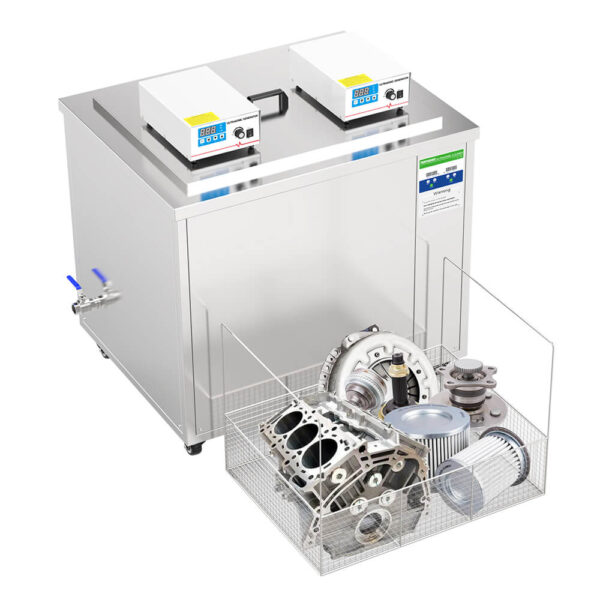
Industrial Ultrasonic Cleaner
Understanding What Tarnish Actually Is
Tarnish represents a specific type of surface contamination fundamentally different from dirt, oil, or simple oxidation.
Chemical Composition of Tarnish
Tarnish forms through chemical reactions between metal surfaces and environmental compounds. Unlike dirt that sits on surfaces mechanically, tarnish bonds chemically to the underlying metal as a corrosion product.
Silver tarnish consists primarily of silver sulfide (Ag₂S), created when silver reacts with sulfur-containing compounds in air. Hydrogen sulfide from industrial pollution, volcanic activity, or even foods like eggs and onions drives this reaction. The characteristic black or brown discoloration results from silver sulfide’s dark color and semi-transparent nature that allows underlying metal to show through partially.
Copper tarnish progresses through multiple stages. Initial oxidation creates cuprous oxide (Cu₂O), appearing pink or red. Further exposure produces cupric oxide (CuO), showing black. Extended weathering, especially with moisture and carbon dioxide, forms green copper carbonate or blue-green copper sulfate patina.
Brass tarnish involves zinc oxidation alongside copper since brass is a copper-zinc alloy. Zinc oxide forms a whitish or grayish layer while copper components create the familiar dark or greenish tarnish. The dual-metal composition complicates tarnish chemistry compared to pure metals.
Tarnish layers typically measure only micrometers thick but dramatically alter appearance. The chemical bonding to base metal means tarnish cannot simply wipe away like surface dirt. Chemical dissolution or conversion is required for removal.
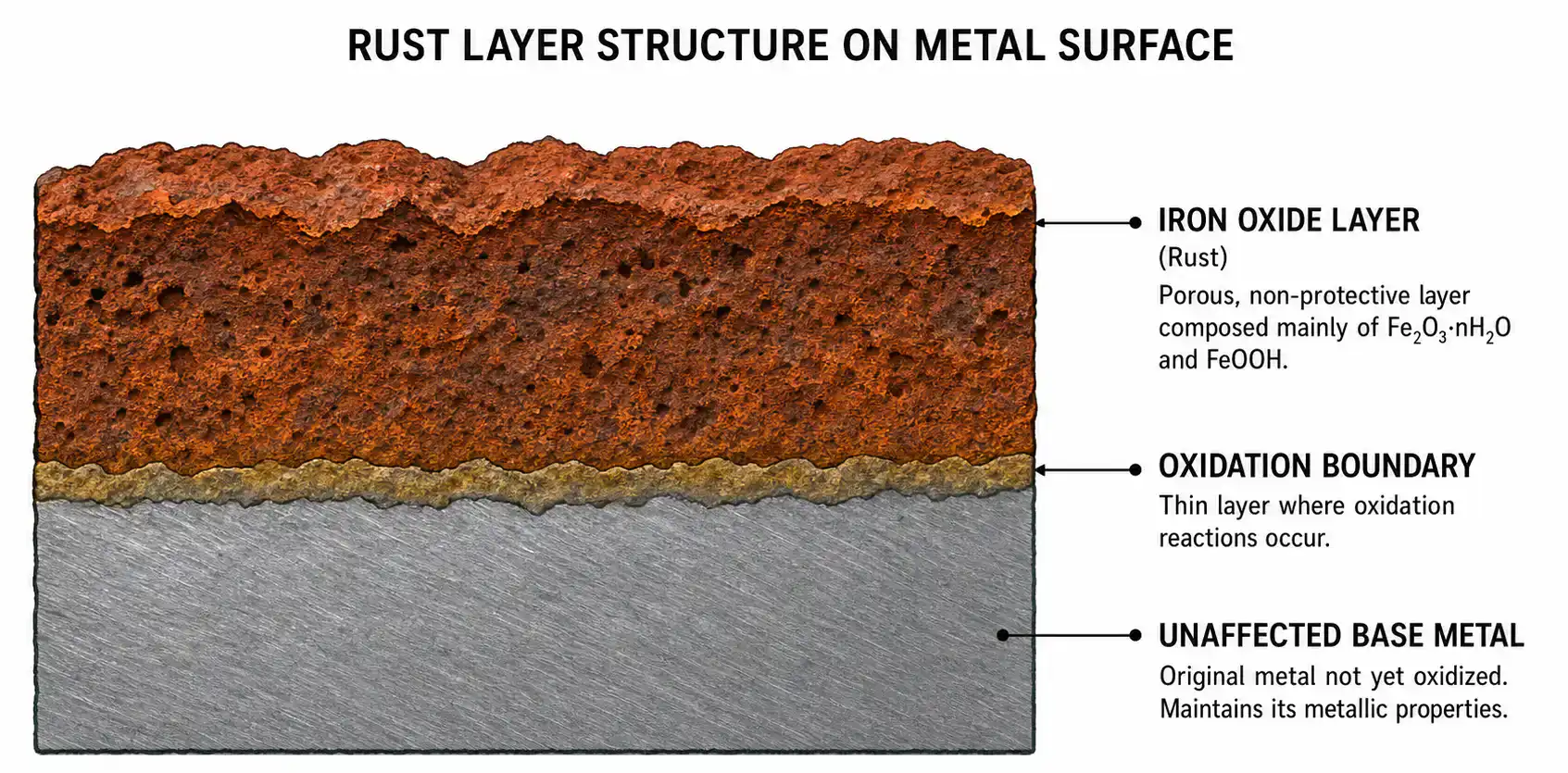
Schematic diagram of the cross-sectional structure of the rust layer on a metal surface
How Different Metals Tarnish
Metal composition and environmental exposure patterns determine tarnish formation rate and character.
Noble metals including gold and platinum resist tarnishing because their chemical stability prevents reaction with common atmospheric compounds. Pure gold remains untarnished indefinitely under normal conditions. Lower-karat gold alloys containing copper or silver may develop slight tarnish from the alloyed metals.
Reactive metals like silver, copper, and brass tarnish readily. Silver tarnishes even in clean indoor environments given sufficient time. Copper develops patina relatively quickly outdoors. The reactivity makes these metals prone to tarnish but also responsive to chemical cleaning.
Protective oxide layers form on aluminum and stainless steel. Unlike decorative metals where any discoloration is undesirable, these materials depend on stable oxide films for corrosion resistance. The “tarnish” on these metals serves a protective function and should not be aggressively removed.
Environmental factors dramatically affect tarnishing rate. Humidity accelerates reactions by providing water for electrochemical processes. Pollutants including sulfur dioxide, nitrogen oxides, and chlorides attack metal surfaces. Coastal environments with salt spray promote rapid tarnishing. Industrial areas with airborne chemicals create aggressive conditions.
Storage conditions matter significantly. Metals stored in sealed containers with desiccants resist tarnishing. Exposure to wood, paper, rubber, and certain plastics can accelerate tarnishing because these materials off-gas sulfur or acidic compounds.
Why Tarnish Differs from Other Contamination
Distinguishing tarnish from other surface deposits is essential for choosing appropriate cleaning methods.
Mechanical contamination including dust, fingerprints, oils, and grime sits on surfaces without chemical bonding. These deposits respond well to physical cleaning action from cavitation bubbles even in plain water. Detergent solutions enhance removal but chemical reactivity isn’t essential.
Tarnish represents chemical conversion of the surface itself into new compounds. The metal atoms have reacted and bonded with environmental elements. Removal requires reversing or dissolving these chemical bonds, demanding specific chemistry beyond simple physical cleaning.
Corrosion extends deeper than tarnish and involves progressive metal degradation. While light surface tarnish affects only the outermost atomic layers, true corrosion pits and degrades substantial metal thickness. Ultrasonic cleaning removes corrosion products from surfaces but cannot restore metal lost to deep corrosion.
The bonded nature of tarnish means physical scrubbing or ultrasonic cavitation alone proves insufficient. Chemical action must dissolve the tarnish compounds or convert them to soluble forms. This fundamental difference explains why plain water ultrasonic cleaning shows limited effectiveness on tarnished items despite excellent performance on greasy or dirty objects.
How Ultrasonic Cleaning Works on Tarnished Surfaces
Ultrasonic tarnish removal combines physical and chemical mechanisms working together synergistically.
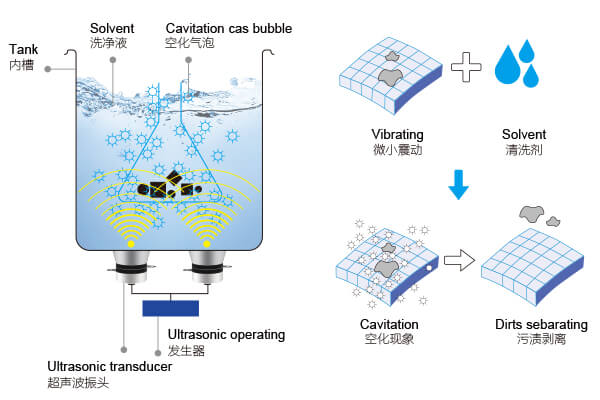
The Principle Behind Ultrasonic Cleaning
Cavitation Mechanics and Surface Interaction
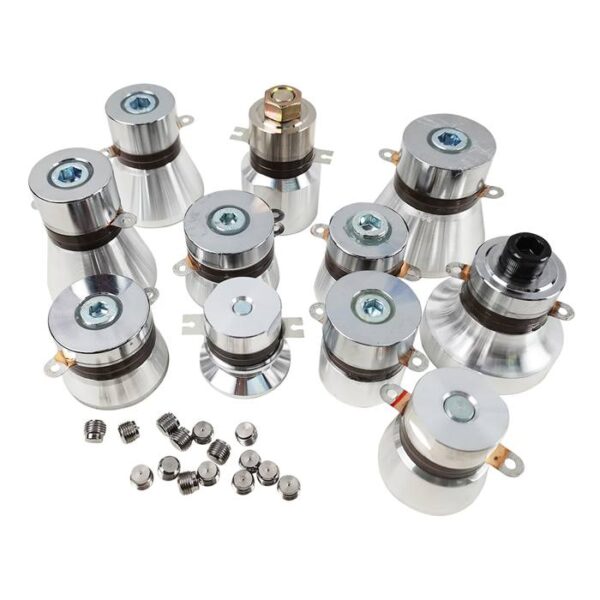
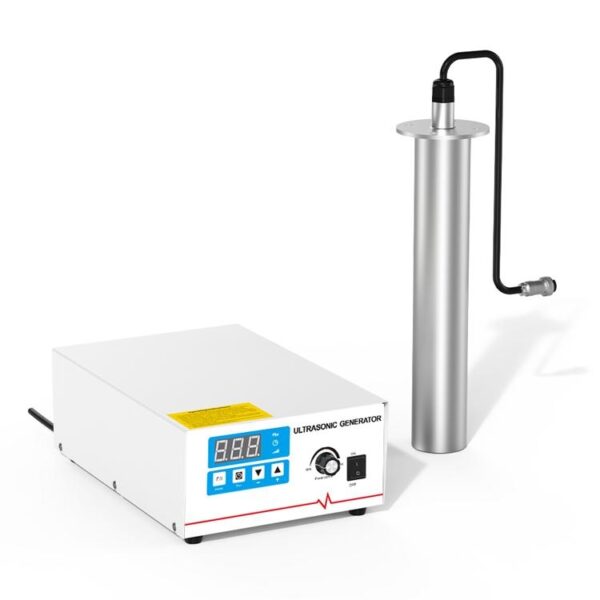
Ultrasonic transducers generate high-frequency sound waves, typically 35 to 50 kHz for cleaning applications. These waves create alternating high and low-pressure zones in the cleaning solution.
During low-pressure phases, microscopic bubbles form throughout the liquid. These cavitation bubbles grow during successive pressure cycles. When they reach critical size, usually 10 to 100 micrometers in diameter, the bubbles violently collapse during high-pressure phases.
Bubble collapse generates intense localized effects. Temperatures at collapse points momentarily reach thousands of degrees Celsius. Pressures spike to hundreds of atmospheres. Liquid microjets form, shooting toward nearby surfaces at velocities exceeding 100 meters per second.
These extreme conditions occur at microscopic scales for microsecond durations. The effects are too brief to damage most solid materials but sufficient to disrupt surface films and deposits.
Physical scrubbing action from cavitation impacts tarnished surfaces continuously. Millions of bubble collapses per second create aggressive mechanical cleaning without requiring abrasive contact. The microscopic jets penetrate into crevices, under edges, and across irregular surfaces that manual cleaning cannot reach effectively.
For tarnish removal specifically, cavitation performs several functions. The mechanical impacts break up tarnish layers, creating cracks and fissures. This increases surface area exposed to chemical cleaning solution. Microstreaming flows generated by ultrasonic action continuously refresh solution against surfaces, preventing depletion zones and maintaining chemical activity.
Cavitation also disrupts the boundary layer, a thin liquid film that normally clings to submerged surfaces and limits mass transfer. By continuously disrupting this layer, ultrasonic action accelerates chemical reaction rates between cleaning solutions and tarnish layers.
The Role of Cleaning Solutions in Tarnish Removal
While cavitation provides mechanical enhancement, chemical action performs the actual tarnish dissolution.
Acid-based solutions dissolve metal oxide and sulfide tarnish by converting them to soluble salts. Mild acids including citric acid, acetic acid, and proprietary formulations react with tarnish compounds without excessively attacking base metals. The acid donates hydrogen ions that combine with tarnish to form water-soluble products that rinse away.
Chelating agents including EDTA and specialized sequestrants bind to metal ions in tarnish compounds. This binding shifts chemical equilibrium, favoring tarnish dissolution. Chelators also prevent dissolved metals from redepositing onto cleaned surfaces.
Reducing agents convert oxidized metal compounds back to metallic states. Thiourea-based silver cleaners work through reduction chemistry, converting black silver sulfide back to bright metallic silver. The ultrasonic action disperses the converted sulfur compounds before they can react again.
Alkaline solutions clean some tarnish types through saponification and emulsification of associated greases and oils that often accompany tarnish. While not directly dissolving metal oxides effectively, alkaline cleaners remove organic films that can seal in tarnish or prevent cleaning solution contact.
The cleaning solution must contact tarnish intimately for chemical reactions to proceed. Ultrasonic cavitation enhances this contact by removing air pockets, penetrating microscopic surface features, and continuously circulating fresh solution.

Click to view : Industrial Metal Degreasing Powder Remove Duty Oil Grease for Machinery Automotive Parts Factory Cleaning
Physical Versus Chemical Tarnish Removal
Understanding the balance between mechanical and chemical action optimizes cleaning effectiveness.
Mechanical removal alone using plain water and ultrasonic energy can dislodge very loose or flaking tarnish but cannot dissolve chemically bonded tarnish layers. Testing plain water ultrasonic cleaning on tarnished silver typically shows minimal improvement, perhaps removing associated dirt but leaving tarnish essentially intact.
Chemical cleaning without ultrasonic enhancement works but requires extended soak times, often hours or overnight. The chemical must diffuse to tarnish surfaces, react, and allow dissolved products to diffuse away. Without agitation, boundary layer depletion slows reactions dramatically.
Combined ultrasonic and chemical cleaning achieves synergistic results exceeding either method alone. Chemical solutions provide the reactive species that dissolve tarnish. Ultrasonic cavitation accelerates reaction rates through continuous solution mixing, enhanced mass transfer, mechanical disruption of tarnish layers, and penetration into microscopic surface features.
The synergy typically reduces cleaning time by factors of 10 to 100 compared to chemical soaking alone. What might require hours of soaking often completes in 3 to 10 minutes with ultrasonic assistance.
Optimization requires matching solution chemistry to tarnish type and using sufficient ultrasonic intensity. Inadequate chemical activity limits results regardless of ultrasonic power. Conversely, even optimal solutions work slowly without ultrasonic enhancement.
Effectiveness on Different Metal Types
Tarnish removal success varies significantly across different metals due to chemistry differences.
Silver Tarnish Removal
Silver responds exceptionally well to ultrasonic cleaning with appropriate solutions. Silver sulfide tarnish dissolves readily in several chemical formulations.
Thiourea-based cleaners specifically target silver sulfide through reduction chemistry. These formulations convert tarnish back to metallic silver while forming soluble sulfur compounds that disperse into solution. Ultrasonic action accelerates the process and ensures uniform treatment across complex surfaces.
Typical cleaning times for moderately tarnished silver range from 3 to 5 minutes. Heavily tarnished pieces may require 10 to 15 minutes or multiple cleaning cycles. The results often appear dramatic, transforming black tarnished surfaces to bright silver.
Acid-based silver cleaners work through different chemistry but achieve similar results. Mild acids dissolve silver sulfide, creating soluble silver salts. Ultrasonic enhancement prevents concentration buildup at surfaces that would otherwise slow reactions.
Sterling silver, which contains 7.5% copper, responds similarly to pure silver. The copper content may create slight yellowish or pinkish tarnish components alongside silver sulfide, but mixed formulations handle both effectively.
Silver plate requires more care than solid silver. Aggressive cleaning or extended exposure can remove the thin silver layer, exposing base metal beneath. Using gentler formulations and monitoring progress prevents over-cleaning plated items.
Copper and Brass Restoration
Copper and brass present more complex tarnish chemistry involving multiple oxide states and patina formation.
Copper oxide removal requires acidic solutions that dissolve the oxide layers. Citric acid, acetic acid, or proprietary copper cleaners convert cuprous oxide and cupric oxide to soluble copper salts. Ultrasonic cavitation accelerates the dissolution and removes dissolved products before they can redeposit.
Heavily oxidized copper showing thick black coatings may require stronger acid concentrations or extended cleaning times. Very thick oxide buildup sometimes needs pre-treatment with chemical stripping before ultrasonic cleaning achieves full restoration.
Brass tarnish involves both copper and zinc oxidation products. The zinc component complicates cleaning because zinc forms different compounds than copper. Brass-specific cleaners formulated to address both metals provide best results.
Ultrasonic cleaning restores brass to bright golden color efficiently. Cleaning times typically range from 5 to 10 minutes for moderate tarnish. The cavitation action reaches into engraved details and decorative features that manual polishing cannot access without excessive effort.
Patina preservation presents special considerations. Some copper and brass items have developed desirable aged patinas valued for aesthetic or historical reasons. Aggressive ultrasonic cleaning removes patina along with tarnish. Items where patina should be preserved require gentler cleaning using neutral pH solutions that remove dirt without stripping the desired surface character.
Gold and Precious Metals
Gold rarely tarnishes in pure form but may require cleaning for other reasons.
High-karat gold (18K to 24K) remains essentially tarnish-free but accumulates dirt, body oils, and cosmetic residues. Ultrasonic cleaning with mild detergent solutions restores brilliance by removing these deposits. Tarnish removal is not typically necessary.
Lower-karat gold alloys containing significant copper or silver content can develop slight tarnish from the alloyed metals. The tarnish appears as subtle darkening rather than heavy discoloration. Gentle cleaning solutions formulated for precious metals address this light tarnish without damaging gold.
Platinum and palladium resist tarnishing completely under normal conditions. These noble metals require only physical cleaning to remove accumulated dirt, making them ideal candidates for simple ultrasonic cleaning with neutral detergent solutions.
The primary concern with precious metals involves gemstone settings. Many gemstones tolerate ultrasonic cleaning well, but some including emeralds, opals, pearls, and certain treated stones can be damaged. The tarnish removal process itself poses minimal risk to gold or platinum, but associated gemstones require evaluation before cleaning.
Aluminum and Steel Considerations
These metals require different approaches because their surface oxides serve protective functions.
Aluminum oxide forms naturally on aluminum surfaces, creating a hard protective layer that prevents deeper corrosion. This oxide is actually desirable for protection. Aggressive tarnish removal formulations that strip this layer leave aluminum vulnerable to corrosion and pitting.
Cleaning aluminum focuses on removing dirt and stains while preserving the protective oxide. Neutral or mildly alkaline solutions with ultrasonic action achieve this goal. Dedicated aluminum cleaners balance cleaning effectiveness with oxide preservation.
Stainless steel similarly depends on chromium oxide surface films for corrosion resistance. The passive layer should not be removed. Cleaning stainless steel removes contamination and water spots but avoids aggressive tarnish-stripping chemistry.
Carbon steel and cast iron can tarnish through rust formation. Ultrasonic cleaning with rust removal solutions, typically phosphoric acid-based formulations, dissolves rust effectively. However, these ferrous metals require post-cleaning drying and oiling to prevent immediate re-rusting.
The distinction between protective oxides and undesirable tarnish guides appropriate cleaning strategies for different metal types.
Choosing the Right Cleaning Solution for Tarnish
Solution selection determines tarnish removal success more than any other factor.
Acidic Formulations for Oxide Removal
Acid-based cleaners excel at dissolving metal oxide and sulfide tarnish through conversion to soluble salts.
Citric acid solutions provide gentle yet effective tarnish removal for silver, copper, and brass. Concentrations typically range from 5% to 15% for ultrasonic applications. The mild organic acid dissolves tarnish without excessive base metal attack. Food-grade citric acid availability and low toxicity make these solutions popular for jewelry and household items.
Acetic acid formulations based on vinegar chemistry offer similar performance. Commercial ultrasonic cleaners often use buffered acetic acid blends that maintain consistent pH and include surfactants for enhanced wetting. Concentrations around 5% to 10% handle most tarnish effectively.
Proprietary acid blends combine multiple acids with chelating agents, inhibitors, and surfactants for optimized performance. These commercial formulations often outperform simple single-acid solutions by addressing multiple tarnish types simultaneously and including corrosion inhibitors that prevent base metal damage.
Temperature significantly affects acid cleaning rates. Heating solutions to 50 to 60 degrees Celsius accelerates tarnish dissolution, reducing cleaning time substantially. Most ultrasonic cleaners include heating elements specifically for this purpose.
Chelating Agents and Their Function
Chelators enhance tarnish removal through metal ion sequestration.
EDTA (ethylenediaminetetraacetic acid) represents the most common chelating agent in cleaning formulations. EDTA binds strongly to metal ions including copper, silver, iron, and calcium. When added to tarnish removal solutions, EDTA performs multiple functions.
First, EDTA pulls metal ions from tarnish compounds into solution, shifting equilibrium toward dissolution. Second, it prevents dissolved metals from redepositing onto cleaned surfaces or forming new tarnish. Third, EDTA sequesters hard water minerals that would otherwise interfere with cleaning or leave spots.
Citric acid functions as both an acid and chelator. Beyond dissolving tarnish through acidic attack, it chelates metal ions, providing dual-action cleaning. This explains why citric acid formulations often outperform stronger acids that lack chelating properties.
Gluconic acid and other specialty chelators appear in premium formulations. These compounds offer specific advantages for certain metals or tarnish types, providing alternatives when standard chelators prove insufficient.
Chelating action becomes particularly important when cleaning heavily tarnished items. Without chelation, dissolved metal concentrations in solution can reach saturation, stopping further tarnish dissolution. Chelators maintain dissolution capacity even with high contamination loads.
pH-Neutral Options for Delicate Items
Some applications require gentler cleaning that avoids acidic attack.
Neutral detergent solutions clean away dirt, oils, and very light tarnish without aggressive chemical action. These formulations rely primarily on surfactants and ultrasonic cavitation. While less effective on heavy tarnish than acid solutions, neutral cleaners provide safer options for delicate items or materials sensitive to pH extremes.
Applications involving mixed materials, such as jewelry combining metals with gemstones, often necessitate neutral solutions. Pearls, opals, coral, and certain other organic gemstones suffer damage from acidic cleaners. Neutral formulations allow ultrasonic cleaning of the metal components without harming sensitive stones.
Specialized mild formulations bridge the gap between harsh acid cleaners and completely neutral detergents. These solutions incorporate weak acids at low concentrations, buffered pH, and extensive inhibitor packages. They provide moderate tarnish removal capability while minimizing risk to sensitive materials.
The trade-off involves cleaning speed and effectiveness. Neutral solutions require longer cleaning times and may not fully remove heavy tarnish. Multiple cleaning cycles or supplemental manual polishing may be necessary for complete restoration when neutral solutions are required.
Specialty Tarnish Removers
Purpose-designed formulations optimize results for specific metals and applications.
Silver-specific cleaners combine thiourea or other reducing agents with surfactants and brighteners. These formulations specifically target silver sulfide tarnish chemistry while protecting the silver itself. Some include anti-tarnish additives that leave protective films reducing future tarnishing.
Brass and copper cleaners formulated for these specific alloys address both copper oxide and zinc corrosion products. They often include brightening agents that enhance the golden color of brass or rosy tone of copper beyond simple tarnish removal.
Multi-metal formulations attempt broader effectiveness across diverse tarnish types. While less optimized than metal-specific products, quality multi-metal cleaners handle silver, copper, brass, and other common metals acceptably. These versatile solutions suit applications involving mixed metalwork.
Environmentally-friendly formulations using biodegradable acids, plant-based surfactants, and low-toxicity chelators address environmental and safety concerns. Performance often matches conventional chemistries while reducing environmental impact and improving user safety.
Matching solution chemistry to specific tarnish and metal combinations optimizes results while minimizing risks to valuable items.
Process Parameters That Affect Tarnish Removal
Operating conditions significantly influence cleaning effectiveness and speed.
Temperature Requirements
Heat accelerates chemical tarnish removal reactions dramatically.
Room temperature cleaning at 20 to 25 degrees Celsius works but requires extended times. Tarnish removal reactions proceed slowly in cold solutions. Items that clean in 5 minutes at 60 degrees Celsius might require 30 to 60 minutes at room temperature.
Optimal cleaning temperature for most aqueous tarnish removal solutions ranges from 50 to 65 degrees Celsius. This temperature range provides rapid reaction rates without excessive evaporation or chemical degradation. Most ultrasonic cleaners with heating capability target 60 degrees Celsius as the standard operating point.
Temperature limitations apply to certain items. Plastics, adhesives, and some gemstones cannot tolerate elevated temperatures. These materials require room-temperature cleaning despite slower performance. Heat-sensitive items may need longer cleaning times or stronger chemical solutions to compensate for lower temperatures.
Thermal management involves heating solution before introducing items for cleaning. Starting with cold solution wastes time and exposes items to chemical action without benefit of optimal temperature. Pre-heating to target temperature ensures consistent, efficient cleaning from the start.
Cleaning Duration and Cycle Time
Exposure time must be sufficient for complete tarnish dissolution without over-treatment.
Light tarnish typically requires 3 to 5 minutes of ultrasonic cleaning with appropriate solutions. Visual inspection during cleaning allows stopping when desired results appear. Extending cleaning beyond necessary completion provides no benefit and potentially risks damage to delicate items or plating.
Moderate to heavy tarnish demands 10 to 15 minutes for complete removal. Heavily tarnished items showing thick black coatings may require multiple cycles with fresh solution between treatments. The first cycle removes bulk tarnish while subsequent cycles address remaining discoloration.
Progress monitoring through periodic visual inspection guides optimal cleaning time. Removing items every few minutes to check progress prevents over-cleaning while ensuring adequate treatment. Most tarnish removal occurs progressively rather than suddenly, allowing gradual assessment.
Multiple short cycles often work better than single extended cleaning. Three 5-minute cycles with brief inspection intervals between provide more control than one 15-minute unmonitored cycle. This approach allows adjusting solution or techniques if progress appears inadequate.
Very heavily tarnished items benefit from pre-soaking in cleaning solution before ultrasonic treatment. The chemical pre-treatment softens and begins dissolving heavy tarnish, allowing ultrasonic cleaning to finish the process efficiently.
Frequency Selection
Ultrasonic frequency affects cleaning characteristics and tarnish removal efficiency.
Standard 40 kHz frequency represents the most common choice for general ultrasonic cleaning. This frequency produces cavitation bubbles of moderate size that balance cleaning intensity with surface compatibility. Most tarnish removal applications use 40 kHz equipment successfully.
Lower frequencies around 25 to 35 kHz generate larger, more energetic cavitation bubbles that provide aggressive cleaning action. These frequencies excel for heavily tarnished items with thick oxide layers requiring mechanical assistance. The increased intensity risks damage to delicate items or thin plating.
Higher frequencies from 80 to 130 kHz create smaller, gentler bubbles suitable for delicate items requiring careful treatment. Fine jewelry, thin plating, and fragile antiques benefit from higher frequency cleaning that minimizes mechanical stress while maintaining chemical effectiveness.
Dual-frequency systems offering switchable or simultaneous operation at multiple frequencies provide versatility. Operators can select appropriate frequency for specific items and tarnish conditions. Some advanced systems sweep frequency continuously, ensuring uniform cavitation across all areas of the cleaning tank.
Frequency selection interacts with other parameters. Higher frequencies may require longer cleaning times to compensate for reduced mechanical intensity. Lower frequencies might allow reduced chemical strength by providing greater physical assistance.
Solution Concentration
Chemical strength must be balanced between effectiveness and safety.
Manufacturer recommended concentrations provide starting points optimized for typical applications. Following label directions ensures adequate cleaning capability while avoiding excessive chemical strength that risks item damage.
Dilution for delicate items reduces chemical aggressiveness when treating valuable or fragile pieces. Halving the recommended concentration and doubling cleaning time often provides safer treatment for questionable items. The reduced chemical intensity combined with ultrasonic enhancement still achieves tarnish removal while minimizing risks.
Increased concentration for heavy tarnish helps when standard dilutions prove insufficient. Doubling concentration or using solutions at full strength accelerates heavily tarnished item cleaning. This approach requires careful monitoring to prevent base metal damage from excessive chemical attack.
Replenishment during use maintains concentration as active ingredients deplete. Solutions cleaning multiple items progressively weaken as chemicals consume themselves dissolving tarnish. Adding fresh concentrate or replacing solution partway through batch cleaning maintains consistent performance.
Testing solution effectiveness on less valuable items before treating precious pieces verifies adequate concentration and technique. This precaution prevents disappointment or damage to important items.
Limitations and What Ultrasonic Cleaners Cannot Do
Understanding limitations prevents unrealistic expectations and item damage.
Deep corrosion pitting cannot be reversed through cleaning. Ultrasonic treatment removes corrosion products filling pits but cannot restore metal lost to corrosion. Heavily corroded items may appear improved after cleaning but retain surface damage from metal loss.
Plating restoration exceeds ultrasonic cleaning capabilities. Worn or damaged plating where base metal shows through cannot be repaired by cleaning. Ultrasonic treatment may actually worsen plating condition by removing loosely adhering plate material. Re-plating requires electroplating processes beyond cleaning scope.
Protective patina removal occurs unintentionally when cleaning valuable antiques. The same chemistry that removes unwanted tarnish also strips desirable aged patinas that contribute to item value and character. Indiscriminate ultrasonic cleaning can damage antique value by over-restoration.
Instant results on extreme tarnish may not occur. While ultrasonic cleaning dramatically accelerates tarnish removal, items neglected for decades with extremely thick tarnish buildup may require multiple treatments, stronger solutions, or supplemental manual intervention for complete restoration.
Gemstone compatibility issues limit cleaning options for jewelry. Many gemstones including emeralds, opals, pearls, tanzanite, and certain treated stones suffer damage from ultrasonic cavitation or cleaning solutions. Mixed jewelry containing incompatible stones cannot be safely ultrasonically cleaned for tarnish removal.
Selective cleaning impossibility means ultrasonic treatment affects entire submerged items uniformly. Situations requiring tarnish removal from some areas while preserving patina elsewhere cannot be accomplished through ultrasonic methods. Selective treatment requires manual techniques with localized application.
Recognizing these limitations guides appropriate application selection and prevents damage to items unsuitable for ultrasonic tarnish removal.
Comparing Ultrasonic Cleaning to Traditional Methods
Understanding comparative advantages guides method selection.
Manual polishing using abrasive compounds physically removes tarnish through mechanical action. This traditional method works reliably but requires substantial labor and skill. Complex shapes with intricate details resist manual polishing, often showing incomplete cleaning in crevices and recesses.
Polishing removes small amounts of base metal along with tarnish, gradually degrading fine details over repeated cleanings. Engraving and delicate features suffer progressive loss from abrasive polishing. Ultrasonic cleaning avoids this metal removal by dissolving tarnish chemically rather than abrading it away.
Chemical dip solutions provide rapid tarnish removal through immersion in reactive formulations. These products work quickly but often leave items with flat, unrealistic appearance lacking the subtle luster of properly cleaned metal. Dip solutions also struggle with complex geometries where solution access limits effectiveness.
Ultrasonic enhancement of chemical cleaning provides uniform treatment across all surfaces. The cavitation action drives solution into every recess while continuously refreshing chemical contact with tarnished surfaces.
Electrochemical methods using aluminum foil and baking soda rely on galvanic action to reduce tarnish. This popular home method works through electron transfer rather than chemical dissolution. While effective for silver, results appear less consistent than controlled ultrasonic cleaning with proper solutions.
Tumbling and vibratory finishing provide mechanical tarnish removal through abrasive media contact. These methods suit industrial applications processing quantities of similar items but risk damage to delicate pieces. Surface finish becomes uniform but potentially altered from original character.
Ultrasonic tarnish removal balances effectiveness, speed, item safety, and result quality better than most alternatives for valuable or delicate items requiring gentle yet thorough treatment.
Safety Considerations for Different Materials
Material compatibility determines appropriate cleaning approaches and parameters.
Soft metals including pure silver, gold, and copper tolerate ultrasonic cleaning well structurally but may show surface effects from aggressive solutions. Using appropriately formulated tarnish removers rather than generic industrial cleaners prevents unwanted surface alteration.
Plated items require gentler treatment than solid metal pieces. Thin electroplating can delaminate under aggressive ultrasonic action or chemical attack. Reducing cleaning time, temperature, and chemical concentration helps protect plating integrity.
Gemstones vary enormously in ultrasonic compatibility. Diamonds, rubies, and sapphires tolerate ultrasonic cleaning excellently. Emeralds, opals, pearls, tanzanite, and many others risk damage from cavitation or chemical exposure. Identifying all stones before cleaning prevents costly damage.
Adhesive-set stones present particular risks. Many jewelry pieces use adhesives rather than mechanical settings. Ultrasonic vibration can loosen adhesive bonds, causing stone loss. Heat from warm cleaning solutions may soften adhesives. Items showing adhesive settings require alternative cleaning.
Enamel and decorative finishes may be damaged by either ultrasonic cavitation or tarnish removal chemistry. Testing inconspicuous areas before full treatment reveals compatibility issues. Some decorated items cannot be safely ultrasonically cleaned without finish damage.
Mechanical movements in watches and instruments may be disturbed by ultrasonic energy. Removing movements before cleaning cases prevents potential damage to delicate mechanisms.
Assembled items with soldered or joined components occasionally fail under ultrasonic vibration, particularly if joints were previously weakened or poorly executed. Inspecting for structural soundness before cleaning identifies risky items.
Careful material assessment and appropriate parameter selection enable safe tarnish removal across diverse items while preventing damage to incompatible materials.