


Can you use ultrasonic cleaner on Pandora jewelry? In most cases, the appropriate answer is no. Pandora advises against ultrasonic cleaning because its jewelry collections can contain oxidized finishes, plated surfaces, enamel, pearls, stones, adhesives, and detailed charm constructions that may not tolerate the mechanical effects of ultrasonic cleaning. A plain, unadorned sterling-silver item may appear robust, but a complete Pandora bracelet is often a mixed-material assembly rather than a single piece of solid metal.
From an ultrasonic-equipment perspective, the concern is not whether acoustic cavitation can remove body oils, soap residue, and particles from fine gaps. It can. The concern is whether every finish, setting, coating, and decorative component on the item can withstand repeated exposure to that process. With Pandora jewelry, that assessment is difficult for the average owner because a bracelet may combine many different charm types and materials. A controlled hand-cleaning method is therefore the lower-risk option.
The Direct Answer for Pandora Bracelets, Charms, and Rings
Pandora’s published jewelry-care guidance recommends avoiding ultrasonic cleaning. Its cleaning instructions instead describe a short soak in a suitable gentle cleaner, rinsing with lukewarm water, drying with a soft cloth, and careful polishing where appropriate. The guidance also gives special handling instructions for natural pearls and other sensitive materials. How to Clean Jewelry | Clean Gold & Silver at Home | Pandora US (Pandora US).
This recommendation is sensible from a materials-engineering standpoint. Pandora pieces vary considerably, even within the same bracelet. A sterling-silver spacer charm and an enamel charm with a glued decorative stone do not have the same cleaning tolerance. A cleaning method that may be technically acceptable for one plain-metal component can be unsuitable for another component beside it.
For that reason, a Pandora bracelet should be treated as its most sensitive component, not its strongest component. If even one charm contains pearl, opal, enamel, coating, adhesive-bonded decoration, a fragile stone setting, or intentional oxidation, ultrasonic cleaning should be excluded.
How Ultrasonic Cleaning Works
The Principle Behind Ultrasonic Cleaning
Acoustic Cavitation and High-Frequency Pressure Waves
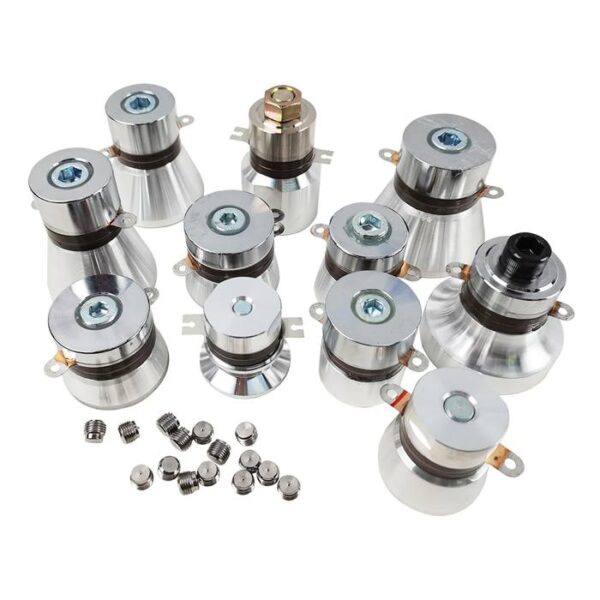
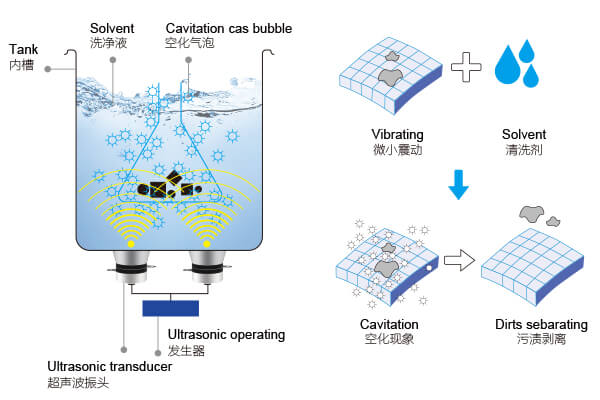
Ultrasonic cleaning is a precision cleaning process that uses ultrasonic transducers to generate high-frequency pressure waves in a liquid bath. These pressure waves create alternating compression and rarefaction cycles in the cleaning solution. During the low-pressure phase, microscopic bubbles form. During the high-pressure phase, the bubbles collapse rapidly. This phenomenon is known as acoustic cavitation.
The collapse of microscopic bubbles releases localized energy at the liquid interface. That action loosens soils from tight gaps, recessed engravings, threaded areas, and small surface features. It is particularly useful for removing oils, polishing residues, fingerprints, dust, and manufacturing debris from durable parts with complex geometry.
Most compact jewelry-oriented ultrasonic cleaners operate around 40 kHz. At this frequency, acoustic cavitation is effective for general cleaning while being less aggressive than many lower-frequency industrial systems. Frequency alone, however, does not establish compatibility. Cleaning duration, bath temperature, solution chemistry, power density, basket design, loading arrangement, and the item’s condition all influence the final result.
Why Deep Cleaning Can Create Material Risks
Ultrasonic cleaning does not simply remove dirt. Acoustic cavitation acts wherever liquid reaches, including tiny openings around stones, seams, decorative layers, threaded charm cores, and surface defects. That reach is valuable for precision-manufactured metal components, but it can expose weaknesses in jewelry construction.
For example, an adhesive that is already aging may lose bond strength after repeated ultrasonic exposure. A stone with a surface-reaching fracture may be more vulnerable to damage. A plated layer can be affected indirectly if cleaning chemicals are too alkaline, too acidic, or unsuitable for the coating. In a charm bracelet, pieces may also contact one another during the cleaning cycle, creating scratches, dents, or chipped decorative surfaces.
Gemological guidance similarly cautions against ultrasonic cleaning for certain organic gems, coated materials, filled stones, and stones that are sensitive to heat or temperature changes. Ultrasonic Cleaners for Gems: What You Need to Know | GIA 4Cs (Gemological Institute of America) identifies materials such as pearls, coral, amber, opal, turquoise, malachite, and treated or fracture-filled gems as unsuitable or high-risk candidates.
Why Pandora Jewelry Requires a Conservative Cleaning Method
Oxidized Silver and Decorative Surface Finishes
Many Pandora charms use intentional oxidation to create contrast within engraved letters, patterns, recesses, and sculpted details. This darkened appearance is a controlled decorative finish, not ordinary surface tarnish. Aggressive polishing, unsuitable chemical cleaners, or repeated deep cleaning can reduce this contrast and make a detailed charm look flatter than its original design.
Ultrasonic cleaning is not necessarily designed to remove oxidation by itself, but the process can intensify the action of a cleaning liquid in recesses and difficult-to-reach areas. If a solution is not appropriate for oxidized silver, it may change the appearance of intentional darkened details. Restoring a factory-style oxidized finish after it has been lightened is not a simple home-maintenance task.
Plating, Enamel, Adhesives, and Mixed Materials
Pandora jewelry may include gold-plated or rose-toned surfaces, enamel decoration, glass-like crystals, and multi-metal assemblies. These components expand, contract, and respond to chemicals differently. Heated ultrasonic cleaning is especially unsuitable because temperature adds another variable to the cleaning process.
Enamel can be durable during normal wear, yet it remains vulnerable at edges, thin sections, and existing micro-cracks. Repeated exposure to pressure-wave activity, particularly when charms contact the basket or one another, can increase the risk of chipping. Adhesive-bonded elements also require caution. Even when a stone looks secure, the bond line may be hidden and may have aged through exposure to skin oils, fragrance, sunlight, or moisture.
For rose-toned and plated Pandora designs, the care approach should be particularly gentle. Abrasive cloths, silver dips, strong chemicals, and ultrasonic cleaning are poor choices because they may accelerate visual wear on the plated surface or alter the intended finish.
Pearls, Opals, Crystals, and Stone Settings
Natural pearls should never be placed in an ultrasonic cleaner. Pearl nacre is an organic layered material and can be affected by vibration, heat, and unsuitable cleaning solutions. Pandora also specifically advises keeping pearl jewelry away from ultrasonic cleaning. A soft cloth lightly dampened with clean lukewarm water is more appropriate for these pieces.
Opals require similar caution. Their internal structure can be sensitive to abrupt environmental changes, while some stones may have treatments or internal features that are not visible without professional inspection. Stones held by glue rather than prongs or bezels also present a practical risk because acoustic cavitation can work around the adhesive interface.
Even a hard stone should not automatically be considered safe. The relevant question is not only the mineral’s hardness. It is also whether the stone has fractures, filling treatments, coatings, a delicate setting, or adjacent materials that are less durable than the stone itself.
Pandora Pieces That Should Never Enter an Ultrasonic Cleaner
The following Pandora items should be excluded from ultrasonic cleaning because their design or material composition creates a meaningful risk of damage:
- Bracelets or charms with natural pearls, mother-of-pearl, coral, shell, amber, or similar organic materials.
- Pieces containing opal, turquoise, malachite, lapis lazuli, enamel, or visibly delicate decorative inserts.
- Gold-plated, rose-toned, coated, antiqued, oxidized, or mixed-metal designs.
- Charms with glued stones, glued decorative elements, dangling sections, hinges, moving components, or hollow cavities.
- Jewelry with loose stones, visible cracks, damaged prongs, worn plating, or unknown repair history.
- Complete charm bracelets containing mixed materials, even when several individual charms appear to be plain silver.
A detailed technical discussion of material and construction risks is also available in Is It Safe to Clean a Pandora Bracelet in an Ultrasonic Cleaner?. The central maintenance principle remains the same: cleaning compatibility must be determined by the most vulnerable material or construction feature on the jewelry.
Safer Ways to Clean Pandora Jewelry at Home
For routine maintenance, use a controlled hand-cleaning method. This approach allows visual inspection throughout the process and avoids exposing the entire bracelet to a cleaning environment that may be unsuitable for one or more charms.
- Remove the jewelry before cleaning and inspect every charm, clasp, stone setting, and decorative surface for movement, cracks, missing stones, or worn plating.
- Prepare lukewarm water with a small amount of mild soap. Avoid bleach, chlorine-containing products, strong detergents, silver dips, and abrasive household cleaners.
- Use a soft, non-abrasive brush to clean accessible crevices with light pressure. A soft toothbrush can be useful for plain sterling-silver areas, but it should not be used aggressively on plated surfaces, pearls, or delicate stones.
- Rinse in a separate container of clean water rather than directly under a sink drain, especially if a stone or charm component is loose.
- Pat dry with a soft lint-free cloth. Allow threaded areas and recessed charm details to dry fully before storage.
- Use a polishing cloth only where it is compatible with the jewelry’s metal and finish. Avoid polishing intentionally oxidized recesses or plated areas unless the product instructions confirm suitability.
For heavy tarnish, uncertain materials, loose settings, or visibly degraded finishes, professional jewelry assessment is preferable to stronger home-cleaning methods. Tarnish removal and finish preservation are separate tasks. Removing darkened material indiscriminately may also remove visual contrast that was intentionally built into the original design.
When an Ultrasonic Cleaner Is Appropriate for Other Jewelry
Ultrasonic cleaning remains highly effective for suitable jewelry items. Appropriate candidates are typically durable, plain-metal pieces or mechanically secure jewelry with no coatings, no fragile stones, no adhesives, and no intentional oxidized finish. Examples may include certain solid gold, platinum, and plain sterling-silver items, provided they are structurally sound and compatible with the chosen cleaning solution.
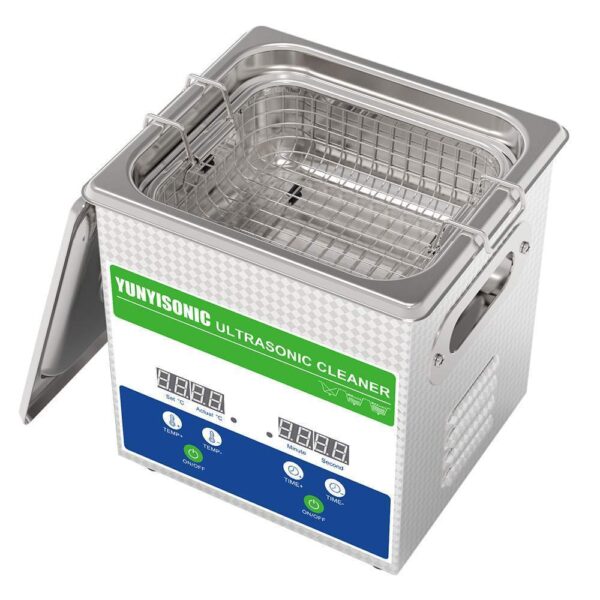
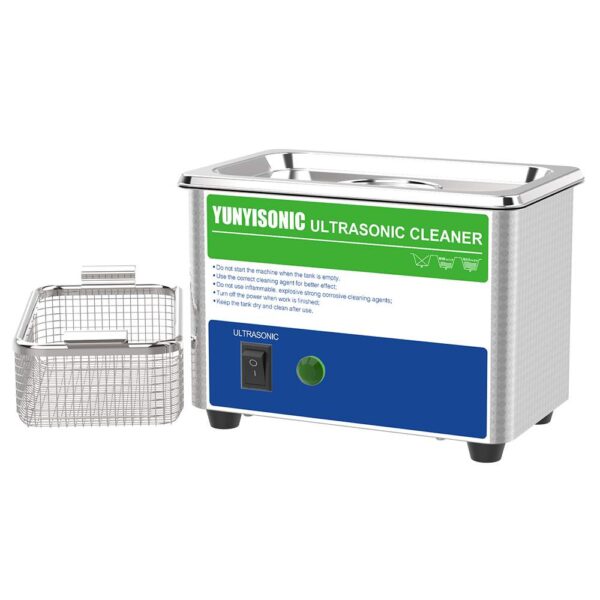
For non-Pandora plain-metal jewelry that has passed a material and setting inspection, a compact unit such as the 1.3L Ultrasonic Cleaner for Jewelry, Small Hardware, and Spark Plugs | Easy Operation Household Cleaner can be appropriate for small-item cleaning. Its 1.3 L SUS304 stainless-steel tank and 40 kHz operating frequency are suited to small durable objects. It should not be treated as a recommendation to clean Pandora jewelry; instead, it is better reserved for inspected items that are confirmed to be ultrasonic-compatible.
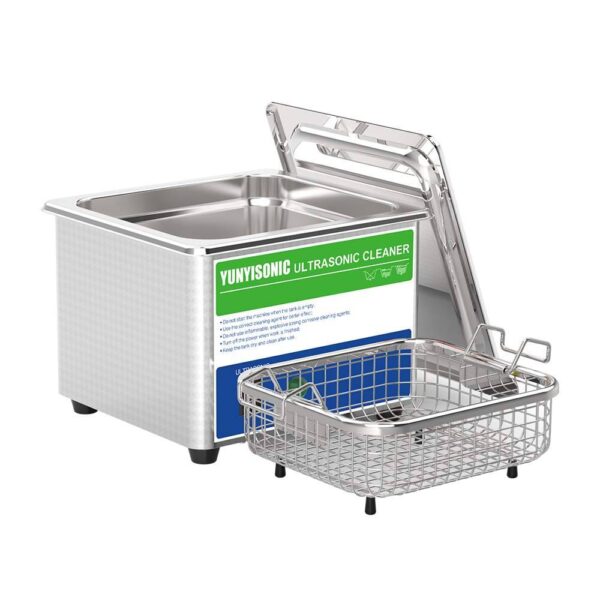
Click to view: 1.3L Ultrasonic Cleaner for Jewelry, Small Hardware, and Spark Plugs | Easy Operation Household Cleaner
Equipment Features That Matter for Jewelry Cleaning
When selecting ultrasonic equipment for compatible jewelry, several design features support process control:
- Frequency: Around 40 kHz is common for general jewelry and small-part cleaning. Lower frequencies generally create more forceful cavitation and require more caution.
- Timer control: Short, repeatable cycles reduce unnecessary exposure. A longer cycle is not automatically a better cycle.
- Basket support: Jewelry should not sit directly on the tank bottom. A basket reduces metal-to-metal contact and helps prevent surface damage.
- Tank size: The item must be fully submerged without crowding. Overloading can cause parts to contact each other during operation.
- Heating control: Heat can improve the performance of some aqueous cleaning solutions for durable metal parts, but it is not appropriate for many jewelry materials and should be avoided for uncertain items.
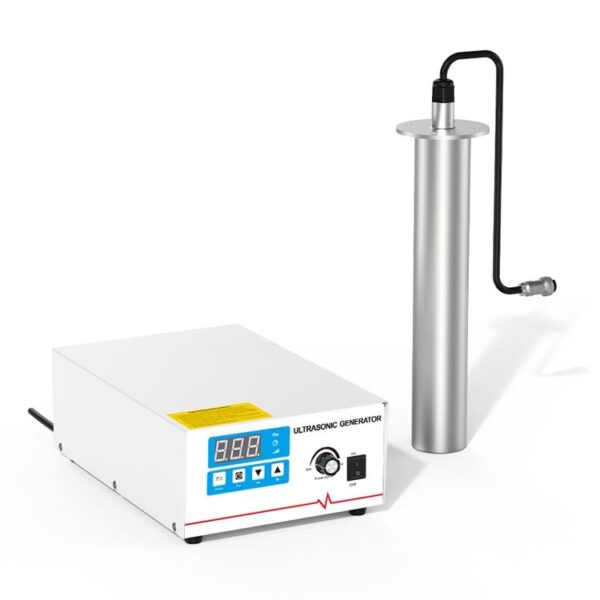
Ultrasonic transducers and precision controls improve cleaning consistency, but no feature can make an incompatible material safe. Correct material screening remains more important than machine capacity, power rating, or cycle length.
Common Cleaning Mistakes and How to Avoid Them
A frequent mistake is assuming that sterling silver alone determines cleaning compatibility. A Pandora bracelet may have a sterling-silver base, yet its charms can include enamel, stones, plating, pearls, and special finishes. The complete assembly must be evaluated, not only the bracelet chain.
Another mistake is using high bath temperatures to make cleaning faster. Elevated temperature can weaken adhesives, increase stress on layered materials, and change the behavior of certain cleaning chemicals. For delicate jewelry, lukewarm hand cleaning is safer than a heated ultrasonic cycle.
Users should also avoid adding flammable solvents, alcohols, or unapproved chemicals to an ultrasonic tank. Standard open ultrasonic cleaners are not designed for volatile flammable liquids. Chemical compatibility must include the jewelry, the cleaning tank, seals, basket, ventilation conditions, and electrical equipment.
Finally, do not try to restore shine by extending an ultrasonic cycle. If dirt remains after a short, controlled cleaning process on a compatible item, the cause may be tarnish, finish wear, a damaged coating, or debris trapped behind a setting. These conditions require the correct cleaning chemistry or professional repair rather than more cavitation exposure.
Maintenance Practices That Reduce Tarnish and Build-Up
Preventive care reduces the need for intensive cleaning. Remove Pandora jewelry before bathing, swimming, exercising, household cleaning, and applying perfume, lotion, hairspray, or cosmetics. Chlorine, skin-care ingredients, sweat, and sulfur-containing environmental contaminants can accelerate tarnish or affect surface finishes.
Store each piece separately in a soft pouch, lined jewelry case, or tarnish-resistant storage solution. Keeping charms from rubbing together limits scratching and helps preserve plated and polished surfaces. Jewelry should also be dry before storage, particularly around bracelet threads, clasp channels, and hidden recesses where residual moisture can remain.
The best answer to “can you use ultrasonic cleaner on Pandora” is therefore based on risk management rather than cleaning power. Ultrasonic cleaning is an effective industrial and precision-cleaning technology, but Pandora jewelry often includes materials and finishes that require a slower, more selective care method. Gentle hand cleaning, compatible products, and regular preventive maintenance provide the most reliable path to preserving appearance and construction integrity.
References
- How to Clean Jewelry | Clean Gold & Silver at Home | Pandora US (Pandora US)
- Ultrasonic Cleaners for Gems: What You Need to Know | GIA 4Cs (Gemological Institute of America)
- Is It Safe to Clean a Pandora Bracelet in an Ultrasonic Cleaner?