

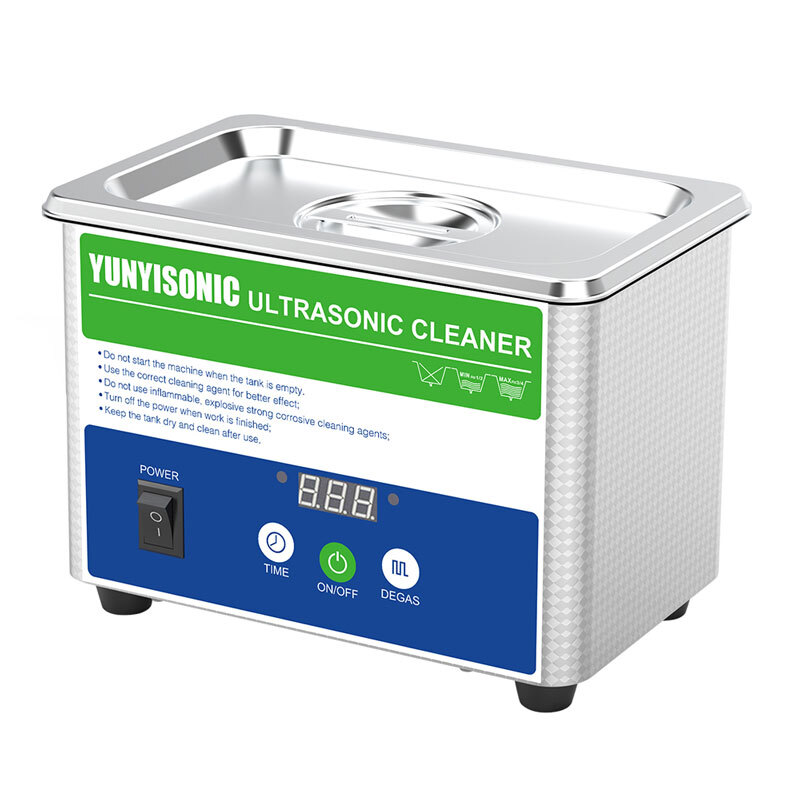

Your Pandora bracelet holds memories. Each charm represents a moment, a milestone, or a meaningful gift. Over time, the silver tarnishes, soap residue builds up between charms, and the bracelet loses its original sparkle. You’ve heard ultrasonic cleaners work wonders on jewelry, thoroughly cleaning every crevice without scrubbing. The question pressing on your mind is whether your treasured Pandora bracelet can safely go into one of these devices.
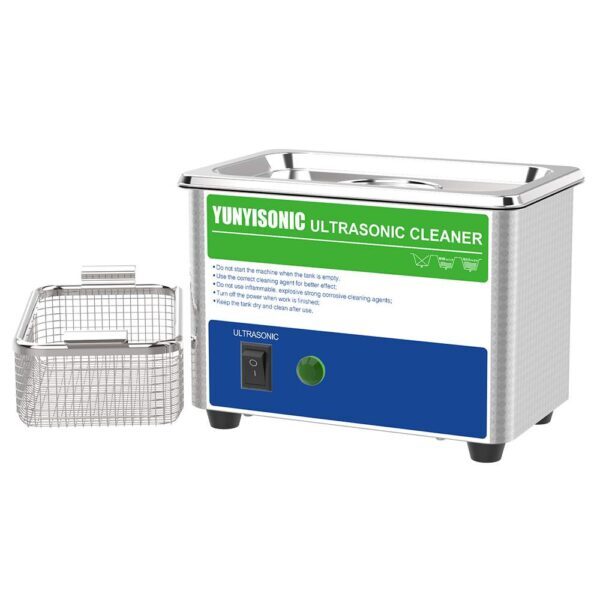
Ultrasonic cleaners promise convenient, thorough jewelry cleaning using sound waves and liquid. The technology sounds perfect for intricate charm bracelets with numerous hard-to-reach spaces. However, Pandora jewelry has unique construction features that make ultrasonic cleaning potentially risky. The answer to whether you can put your Pandora bracelet in an ultrasonic cleaner is more nuanced than a simple yes or no.
Understanding what makes Pandora jewelry different from other sterling silver pieces helps explain the cleaning challenges. The brand’s signature oxidized finishes, enamel details, glued components, and various materials require careful consideration. Making an informed decision about ultrasonic cleaning protects your investment and preserves the sentimental value of your bracelet.
Understanding Pandora Bracelet Construction
Materials Used in Pandora Jewelry
Pandora bracelets and charms incorporate multiple materials beyond basic sterling silver. The standard bracelet base typically consists of sterling silver, which is 92.5% pure silver mixed with other metals for durability. This silver component can generally tolerate various cleaning methods. However, the complexity begins with the charms and decorative elements.
Many Pandora charms feature intentional oxidation in recessed areas. This darkened silver creates contrast and highlights design details. The oxidation is chemically applied and controlled during manufacturing. It differs from natural tarnish that you want to remove. Aggressive cleaning can strip away this intentional oxidation, leaving charms looking flat and losing their dimensional appearance.
Enamel appears on numerous Pandora designs, adding vibrant color through glass-like coatings fused to metal surfaces. This enamel is relatively durable under normal wear but can crack or chip from excessive vibration or impact. The material remains vulnerable to sudden temperature changes and mechanical stress that ultrasonic cleaning might introduce.
Gemstones in Pandora charms range from cubic zirconia to genuine stones including pearls, opals, and other materials. Some stones are glued into settings rather than mechanically secured. Others have natural vulnerabilities to cleaning methods. Pearls, for example, have soft surfaces that ultrasonic vibration can damage. Opals contain water and can crack from cleaning stress.
Gold and rose gold versions of Pandora jewelry add another material consideration. Pandora’s 14k gold pieces are solid gold, but the rose gold involves specific alloy composition. Some two-tone pieces combine different metals that expand and contract at different rates under temperature stress. These mixed-metal designs need gentler handling than single-material jewelry.
Charm Attachment and Design Vulnerabilities
Pandora charms attach to bracelets through threaded cores or clips. The threading allows charms to move freely along the bracelet while staying secure. However, these threads can trap soap, lotion, and dirt in the tiny grooves. This trapped debris dulls the bracelet’s appearance and can make charms harder to move smoothly.
Certain charm designs incorporate moving parts, dangling elements, or hinged sections. These mechanical features add charm and personality but create vulnerability points. Ultrasonic vibration might stress these connections, particularly if adhesive helps secure components. Charms with suspended elements could experience accelerated wear if vibrated intensely.
Some Pandora charms contain internal components that aren’t visible from the outside. Certain designs have hollow spaces or hidden mechanisms. Liquid can enter these spaces during cleaning and become trapped. If moisture remains inside charms, it can cause tarnish or corrosion that develops from within, impossible to address without professional disassembly.
The weight distribution across a charm bracelet creates uneven stress during ultrasonic cleaning. Heavier charms might bounce or vibrate differently than lighter ones. This differential movement could cause charms to strike each other repeatedly, potentially causing dents or scratches. The cumulative effect of many small impacts during a cleaning cycle adds up.
Special Finishes and Special Treatments
Pandora applies various special finishes beyond standard polishing. Some pieces feature brushed or matte textures intentionally different from high polish. These textures result from specific manufacturing processes. Certain cleaning methods, particularly those involving abrasive polishing, can alter or remove these special finishes.
Rhodium plating appears on some Pandora pieces to enhance shine and slow tarnishing. This ultra-thin plating provides a bright, reflective surface. However, any plating is vulnerable to wear and removal. While ultrasonic cleaning typically doesn’t remove plating, combining ultrasonic cleaning with harsh chemicals or excessive frequency could accelerate plating wear.
Antiquing techniques beyond simple oxidation create aged appearances on certain designs. These finishes involve multiple steps and specific chemicals. Restoring an antiqued finish if cleaning removes it requires professional work and may not perfectly match the original. Once special finishes are lost, home methods cannot restore them.
Protective coatings that Pandora may apply to certain designs help preserve specific appearances. These invisible coatings resist tarnish or protect colored treatments. The coatings are durable but not permanent. Aggressive cleaning methods can strip protective treatments, making jewelry more vulnerable to future tarnishing and damage.
The Official Pandora Stance on Ultrasonic Cleaning
What Pandora Recommends
Pandora’s official care instructions specifically state that ultrasonic cleaning is not recommended for their jewelry. The company has issued consistent guidance across their care documentation, in-store information, and customer service responses. This official position stems from the diverse materials and construction methods used across their product lines.
The brand recommends using their proprietary cleaning products designed specifically for Pandora jewelry. Their cleaning kit includes a gentle liquid cleaner and a soft brush for detailed work. These products are formulated to clean silver while being safe for enamel, gemstones, and special finishes that appear throughout their collections.
For routine cleaning, Pandora suggests using mild soap, lukewarm water, and a soft toothbrush. This simple method allows gentle scrubbing of tarnished areas and dirt accumulation. The manual approach gives you control over pressure and focus, avoiding potential damage that automated cleaning might cause.
Pandora stores offer complimentary cleaning services for jewelry purchased from them. This service involves hand cleaning using approved methods and products. Store staff are trained to recognize pieces needing special care and can identify potential damage before cleaning. Taking advantage of this free service eliminates home cleaning risks entirely.
Why the Manufacturer Advises Against It
The primary reason Pandora discourages ultrasonic cleaning relates to their signature oxidized finishes. Ultrasonic cavitation, particularly when combined with certain cleaning solutions, can remove or lighten intentional oxidation. This changes the appearance of charms significantly, often disappointing customers who preferred the original contrasted look.
Enamel vulnerability represents another major concern. While quality enamel work is durable, the intense vibration from ultrasonic cleaning can propagate micro-cracks or loosen enamel from its metal base. Once enamel damage begins, it typically worsens with wear. Preventing initial damage through appropriate cleaning methods protects long-term appearance.
Glued components in many Pandora charms create specific ultrasonic cleaning risks. Some gemstones, decorative elements, and internal components rely partly on adhesive for security. Ultrasonic vibration can weaken adhesive bonds over time. Temperature changes during heated ultrasonic cleaning may further stress these bonds, potentially leading to lost stones or detached elements.
Pandora’s product line diversity makes universal cleaning recommendations impossible. What works safely for a plain silver spacer bead might damage an elaborate enamel and gemstone charm. The company takes a conservative approach, recommending methods safe for all their products rather than requiring customers to assess each piece individually.
Warranty and Damage Considerations
Pandora’s warranty covers manufacturing defects but typically excludes damage from improper care or cleaning. Using cleaning methods that Pandora specifically advises against could potentially void warranty coverage. If damage occurs during ultrasonic cleaning, getting warranty service or free repair becomes unlikely.
The company cannot inspect how individual customers clean jewelry, so warranty denial rarely happens solely due to cleaning methods. However, if you bring damaged jewelry for service and admit to ultrasonic cleaning despite recommendations, repair charges will likely apply. The cost of repairing damaged enamel or replacing lost stones can exceed the original charm price.
Insurance claims for jewelry damage may also scrutinize cleaning methods. If you file a claim for damaged Pandora jewelry, the insurance company might investigate whether improper care contributed. Following manufacturer care instructions demonstrates reasonable precautions and strengthens any insurance claims should loss or damage occur.
Professional jewelers who repair Pandora pieces can often identify ultrasonic cleaning damage. The characteristic pattern of enamel micro-cracking, oxidation removal, or loosened settings suggests specific causes. If seeking repair, honest disclosure about cleaning methods helps jewelers properly assess and fix damage.