

Opals captivate jewelry lovers with their stunning color play and unique beauty. These gemstones shift and shimmer with every movement, displaying flashes of blue, green, red, and orange that no other gem can replicate. However, their beauty comes with specific care requirements that many owners don’t fully understand. When it’s time to clean opal jewelry, the question naturally arises about using convenient ultrasonic cleaners that work so well for other pieces.
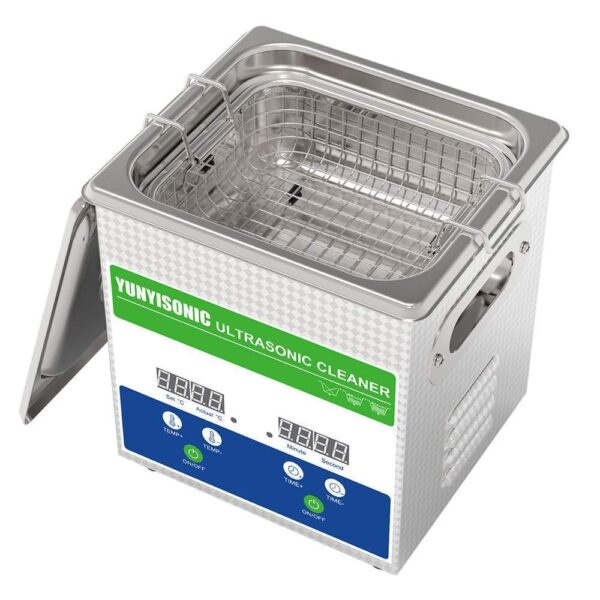
Many people own ultrasonic cleaners for maintaining their jewelry collections. These devices promise quick, thorough cleaning without scrubbing or harsh chemicals. They work wonderfully for diamonds, sapphires, and most metal settings. But not every gemstone can withstand the powerful forces these machines generate. Opals fall into a special category of delicate gems that require different care approaches.
Can You Put Opals in an Ultrasonic Cleaner?
The Simple Answer
No, you should never put opals in an ultrasonic cleaner. This answer applies without exceptions, regardless of how gentle your machine claims to be or how short the cleaning cycle. The forces that ultrasonic cleaners generate fundamentally conflict with opal’s internal structure. What makes these devices effective for cleaning diamonds and hard gemstones makes them destructive to opals.
Professional jewelers, gemological institutes, and opal dealers universally agree on this prohibition. The Gemological Institute of America explicitly lists opals among gemstones that must never undergo ultrasonic cleaning. This guidance comes from decades of research and countless examples of damaged stones. Insurance companies often deny claims for opals damaged by ultrasonic cleaning because proper gemstone care represents the owner’s responsibility.
The risk isn’t worth taking even if you’ve heard stories about someone successfully cleaning an opal ultrasonically. Damage might not appear immediately, but internal stress can cause cracks days or weeks later. Once damage occurs, it cannot be reversed. A beautiful opal worth hundreds or thousands of dollars can become worthless in minutes.
Why This Rule Applies to All Opal Types
Every opal variety shares fundamental characteristics that make ultrasonic cleaning dangerous. Precious black opals from Australia, white opals, fire opals from Mexico, and Ethiopian opals all have the same basic structure involving silica spheres and water content. This structure cannot withstand the mechanical forces ultrasonic cleaners produce.
Some people assume that expensive, high-quality opals might be more durable and better able to tolerate ultrasonic cleaning. The opposite often proves true. Valuable opals frequently display more dramatic color play, which correlates with specific structural arrangements that can be particularly vulnerable to stress. The most valuable opal in your collection deserves the gentlest care, not experimental cleaning methods.
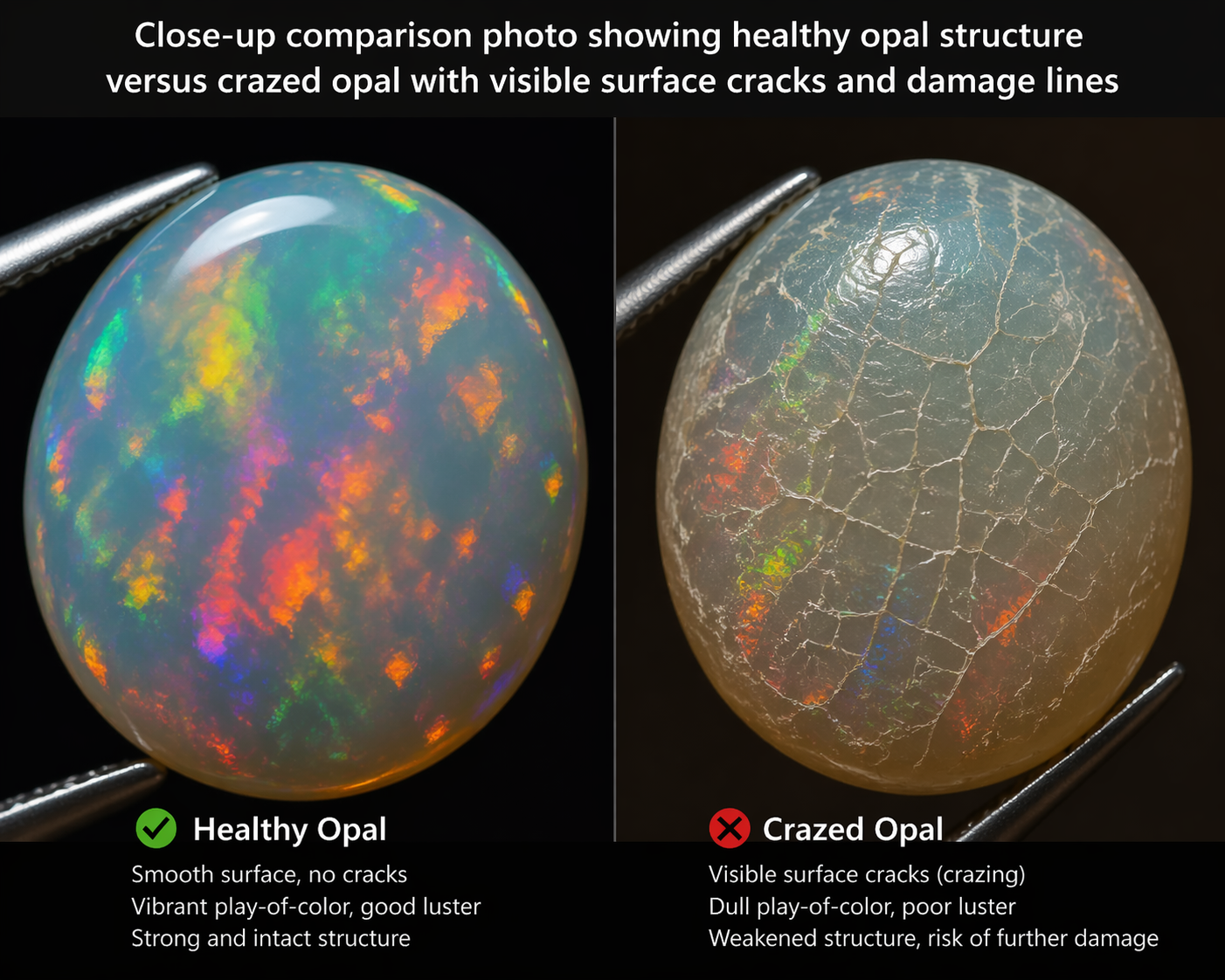
Close-up comparison image of opal (opal gemstone)
Synthetic or laboratory-created opals face the same restrictions. While man-made opals can be manufactured with more consistent quality than natural stones, they still use similar silica-based structures. The manufacturing process doesn’t create immunity to cavitation damage. Treat synthetic opals with the same caution you’d apply to natural specimens.
Even opals in protective settings like bezels cannot safely undergo ultrasonic cleaning. While a bezel setting offers some physical protection during daily wear, it doesn’t shield the stone from ultrasonic cavitation. The cleaning solution reaches the stone, and the vibrations transmit through the metal setting directly into the gem. Setting style makes no difference to ultrasonic cleaning safety.
Understanding Why Opals Cannot Handle Ultrasonic Cleaning
The Unique Structure of Opals
Opals differ fundamentally from other gemstones in how they form and what they’re made of. Most gemstones grow as crystals with atoms arranged in regular, repeating patterns. Diamonds, sapphires, and rubies all have this crystalline structure, which gives them strength and durability. Opals form through an entirely different process that creates a much more delicate internal structure.
An opal consists of millions of tiny silica spheres stacked together. These microscopic spheres arrange themselves in patterns, and the spaces between them create the interference effects that produce opal’s signature color play. Think of it like stacked marbles rather than a solid block. This structure includes countless tiny interfaces where the spheres meet, and each interface represents a potential weak point.
The spaces between silica spheres aren’t empty. They contain water, typically ranging from 3% to 21% of the stone’s total weight. This water exists as an integral part of the opal’s structure, not just surface moisture. The water content makes opals responsive to environmental changes and contributes to their vulnerability to mechanical stress.
Opals also rate lower on the hardness scale compared to most jewelry gemstones. The Mohs scale places opals between 5.5 and 6.5, while diamonds rate 10 and sapphires rate 9. This relative softness means opals scratch more easily, but hardness alone doesn’t tell the whole story. Toughness, which measures resistance to breaking and chipping, matters more for ultrasonic cleaning. Opals have poor toughness despite moderate hardness.
How Ultrasonic Cleaners Work
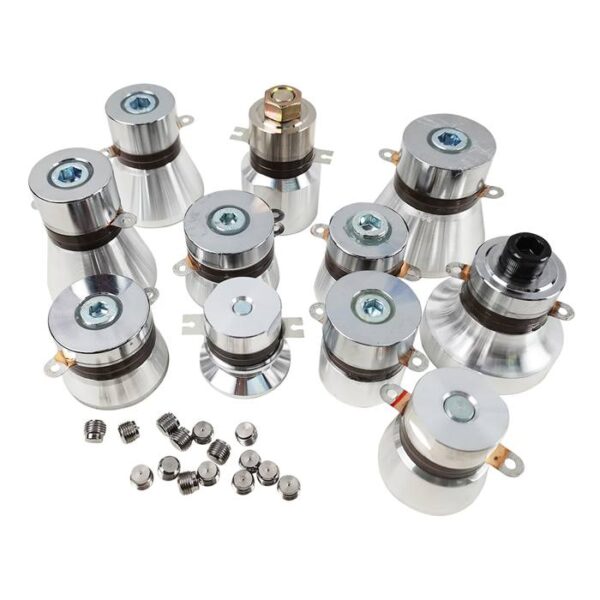
Ultrasonic cleaners generate high-frequency sound waves through the cleaning solution. Most standard units operate at 40 kHz, though higher-end models designed for more delicate applications often employ higher frequencies such as 68 kHz or 80 kHz. Premium ultrasonic cleaners feature frequency-switching capabilities, allowing users to alternate between multiple frequency settings depending on the cleaning task. These sound waves create pressure changes in the liquid that cause microscopic bubbles to form and collapse rapidly.
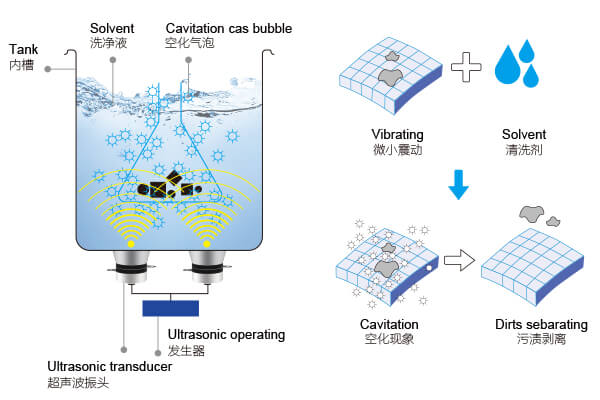
The Principle Behind Ultrasonic Cleaning
This bubble formation and collapse process is called cavitation. During the low-pressure phase of the sound wave, tiny bubbles appear throughout the solution. When the pressure increases again, these bubbles collapse violently. The bubble collapse generates intense localized forces, creating shock waves that blast dirt and debris off jewelry surfaces.
For appropriate jewelry items like diamond rings or gold chains, cavitation provides thorough cleaning that reaches into crevices where brushes cannot go. The collapsing bubbles effectively scrub every surface without requiring physical contact. This makes ultrasonic cleaning convenient and effective for durable materials that can withstand the mechanical forces involved.
The cavitation process also generates heat. As millions of bubbles collapse every second, the cumulative effect warms the cleaning solution and the jewelry being cleaned. This temperature increase typically remains modest, perhaps 10 to 20 degrees Celsius during a normal cleaning cycle. However, the localized temperature at bubble collapse sites can spike to thousands of degrees for microseconds. These micro-scale temperature fluctuations don’t affect durable gemstones but can stress sensitive materials.
What Happens When Opals Meet Cavitation Forces
When ultrasonic cavitation forces impact an opal’s structure, the results can be catastrophic. The shock waves from collapsing bubbles propagate through the stone, creating stress at the countless interfaces between silica spheres. These interfaces cannot withstand the repeated impacts from millions of bubble collapses occurring every second. Microscopic separations begin forming throughout the stone’s structure.
The stone’s water content compounds the problem. Cavitation forces don’t just impact the opal’s surface but drive cleaning solution into the porous structure. This forced water intrusion occurs far more aggressively than simple soaking. The combination of mechanical stress and liquid penetration can trigger immediate damage or create internal weaknesses that manifest as cracks later.
Opals might survive a few seconds of ultrasonic exposure without visible damage, leading some people to believe short cycles are safe. However, internal damage can occur without immediate external signs. The stressed stone might develop visible cracks hours, days, or even weeks after the ultrasonic exposure. By the time the damage becomes apparent, the connection to the cleaning incident might not be obvious.
Temperature changes during ultrasonic cleaning add another stress factor. Opals are sensitive to rapid temperature fluctuations. The heat generated by cavitation, combined with the temperature difference between the stone and the cleaning solution, creates thermal stress. This stress works together with mechanical forces to push the opal beyond its structural limits.
Special Risks for Different Opal Types
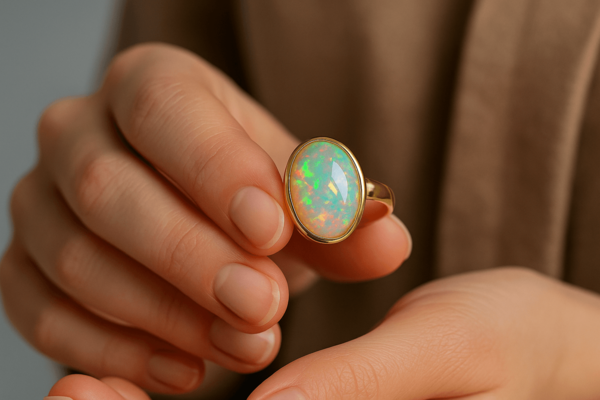
Opal
Solid Opals
Solid opals consist entirely of natural opal material cut directly from the rough stone. These include the most valuable varieties like Australian black opals, white opals, crystal opals, and boulder opals. Many people assume that solid opals, being “pure” opal without added layers, might withstand cleaning better than composite stones. This assumption is incorrect.
Black opals from Lightning Ridge, Australia, represent some of the world’s most valuable opals. Individual stones can be worth thousands or even tens of thousands of dollars. These precious gems often contain natural stress lines or minor crazing from their formation and mining. Ultrasonic cleaning can activate these existing weaknesses, causing minor flaws to expand into major cracks that destroy the stone’s value.
Fire opals from Mexico display transparent to translucent body colors ranging from yellow to bright red. Unlike other opals, fire opals don’t always show strong color play. Their visual appeal comes from their vivid body color. Despite their different appearance, fire opals share the same fundamental structure as other opals. They face identical risks from ultrasonic cleaning and must be cleaned using gentle methods only.
Boulder opals form in ironstone rock, creating beautiful natural combinations of precious opal and dark matrix. The attached ironstone doesn’t protect the opal portion during ultrasonic cleaning. Cavitation forces penetrate throughout the piece, and the boundary between opal and rock actually represents a weak point where separation can occur. Boulder opals require the same careful handling as any other opal variety.
Opal Doublets and Triplets
Opal doublets and triplets represent composite stones constructed from thin slices of precious opal combined with backing and sometimes capping materials. These constructions make expensive opal go further by creating multiple finished stones from limited precious material. Doublets consist of a thin opal slice glued to a dark backing. Triplets add a clear protective dome over the doublet.
The adhesives holding these layers together cannot survive ultrasonic cleaning. Cavitation forces attack adhesive bonds aggressively, causing layers to separate. This delamination often happens quickly, sometimes within a single cleaning cycle. Once the layers separate, the stone is essentially destroyed. Repair is usually impossible or economically impractical.
Even before complete delamination occurs, ultrasonic exposure can cause partial adhesive failure. This appears as cloudiness, bubbles, or haziness visible at the stone’s edges where layers meet. These early warning signs indicate that cleaning solution has penetrated between layers and begun breaking down the adhesive. The damage will typically continue progressing even after removing the piece from the cleaner.
Jewelers report that doublet and triplet damage from ultrasonic cleaning represents one of the most common customer-caused jewelry disasters. Many people don’t realize their opal is a composite stone and treat it like a solid gem. The resulting damage often costs hundreds of dollars to repair through complete stone replacement. Original stones cannot be restored once the adhesive fails.
Ethiopian vs Australian Opals
Ethiopian opals entered the market in significant quantities starting in the 1990s and have become increasingly popular. These opals form in volcanic rock environments, unlike Australian opals that form in sedimentary conditions. The formation difference creates distinct characteristics that affect how these opals respond to cleaning and environmental exposure.
Many Ethiopian opals display hydrophane properties, meaning they readily absorb water. When submerged, these opals can become nearly transparent as water fills their porous structure. As they dry, they return to their original appearance. This dramatic water absorption makes Ethiopian opals particularly vulnerable to ultrasonic cleaning. The cavitation forces drive solution deep into the stone while potentially causing structural damage.
Australian opals generally contain less water and show lower porosity than most Ethiopian varieties. This leads some people to believe Australian opals can better tolerate aggressive cleaning. While Australian opals might be slightly less prone to water absorption issues, they remain completely unsuitable for ultrasonic cleaning. The structural characteristics that make all opals vulnerable to cavitation damage exist in Australian stones just as they do in Ethiopian varieties.
Both Ethiopian and Australian opals require identical care approaches. Neither type can safely undergo ultrasonic cleaning, steam cleaning, or exposure to harsh chemicals. The slight differences in their properties don’t change the fundamental incompatibility between opal structure and aggressive cleaning methods. Treat all opals with the same gentle care regardless of their origin.
Real Damage from Ultrasonic Cleaning
Crazing and Crack Formation
Crazing refers to the network of fine cracks that develop when opals experience excessive stress. This damage pattern looks like a spider web or the cracks in shattered safety glass spreading across the stone’s surface. Once crazing appears, it cannot be reversed. The stone’s value drops dramatically, and in severe cases, the opal becomes essentially worthless.
Ultrasonic cleaning can trigger crazing in previously perfect opals within minutes. The mechanical stress from cavitation exceeds the stone’s structural capacity, causing internal fractures to form and propagate. These cracks might initially be microscopic but quickly become visible to the naked eye. The brilliant color play that makes opals desirable becomes disrupted and diminished as cracks spread through the stone.
Not every opal shows immediate crazing after ultrasonic exposure. Some stones appear undamaged initially but develop cracks later. This delayed failure happens because ultrasonic cleaning creates internal stress without causing immediate visible fractures. As the stone experiences normal temperature and humidity changes during subsequent wear, the stressed areas finally crack. This time delay makes it difficult for owners to connect the damage to their cleaning mistake.
Professional examination can sometimes detect ultrasonic damage before visible cracks appear. Gemologists use microscopes and specialized lighting to identify subtle stress patterns and microscopic surface damage. However, most opal owners lack access to this equipment. By the time crazing becomes visible without magnification, the damage is severe and well beyond any possibility of repair.
Water Absorption Issues
Opals submerged in ultrasonic cleaning solutions face forced water intrusion. The cavitation process doesn’t just impact the stone’s surface but actively drives liquid into the porous structure. This forced absorption happens far more quickly and completely than simple soaking. The cleaning solution might contain detergents, solvents, or other additives that alter the opal’s internal chemistry once absorbed.
Ethiopian opals demonstrate this problem most dramatically. Their hydrophane nature means they absorb water readily, becoming transparent or nearly transparent when wet. While this change can reverse through drying under normal circumstances, ultrasonic exposure complicates the situation. The cavitation damage may prevent proper drying, leaving the stone permanently altered in appearance.
Even less porous Australian opals absorb solution during ultrasonic cleaning. The vibrations open microscopic pathways that would normally remain closed. Absorbed solution carries dissolved minerals and contaminants deep into the stone. When the water eventually evaporates, these deposits remain inside the opal, potentially creating permanent cloudiness or discoloration.
Some opals develop a chalky or milky appearance after water damage. This cloudiness results from light scattering by trapped water droplets or mineral deposits within the stone’s structure. The transparency and color play that defined the opal’s beauty become obscured. No practical treatment exists to remove water and deposits from deep within an opal’s structure once this absorption occurs.
Adhesive Failure in Composite Opals
Doublet and triplet opals depend entirely on adhesive bonds to hold their layers together. These adhesives range from simple epoxies to specialized optical cements. Regardless of the adhesive type, ultrasonic cavitation attacks these bonds effectively. The microscopic bubbles collapsing at and within the adhesive layer create mechanical disruption that breaks down the chemical bonds holding layers together.
Complete delamination can occur in a single cleaning cycle. The layers simply separate, leaving individual components that no longer function as a finished gemstone. The opal slice, backing material, and cap (in triplets) come apart. Even if you could glue them back together, which is difficult without proper equipment and materials, the stone would never match its original quality.
Partial adhesive failure appears as specific warning signs. Cloudy areas develop at the stone’s edges where layers meet. Small bubbles or spots become visible within the stone when viewed from certain angles. These indicators show that cleaning solution has penetrated between layers and the adhesive has begun failing. The damage typically progresses even after removing the piece from the ultrasonic cleaner.
Heat generated during ultrasonic cleaning accelerates adhesive failure. Many adhesives soften at elevated temperatures. The combination of mechanical stress from cavitation plus heat-induced softening rapidly destroys bonds. Temperature spikes from cavitation, though brief and localized, contribute to this accelerated failure process. Composite opals have no chance of surviving intact.
Safe Cleaning Methods for Your Opal Jewelry
The Gentle Soap and Water Method
The safest way to clean opal jewelry uses lukewarm water and mild soap. This simple approach effectively removes everyday dirt and oils without exposing the stone to damaging forces. You don’t need special equipment or expensive products. Basic materials you already have at home work perfectly for routine opal maintenance.
Choose a gentle soap without harsh chemicals, dyes, or strong fragrances. Plain dish soap works well, as does baby shampoo or hand soap formulated for sensitive skin. Avoid antibacterial soaps that contain triclosan or other strong additives. The goal is to create a mild cleaning solution that lifts dirt without chemically affecting the opal.
Water temperature matters more than many people realize. Use lukewarm or room-temperature water, never hot water. Hot water can cause thermal shock that cracks opals. Similarly, avoid very cold water if the jewelry has been sitting in a warm room. The temperature difference between the stone and the cleaning water should be minimal to prevent stress.
This gentle approach works for all opal types, from solid precious opals to doublets and triplets. The method is safe enough to use regularly without worrying about cumulative damage. You can clean opal jewelry as often as needed to maintain its appearance without risking the stone’s integrity.
Using Soft Cloths for Routine Cleaning
For light cleaning between more thorough washes, soft cloth polishing works wonderfully. A clean microfiber cloth or jewelry polishing cloth can remove fingerprints, dust, and light oil buildup. This quick maintenance keeps opals looking their best without requiring water or soap.
Microfiber cloths trap dirt effectively without scratching. The fine fibers lift particles from the stone’s surface and hold them within the cloth’s structure. This prevents the wiped-off dirt from scratching the opal as you clean. Avoid paper towels or regular fabric cloths that might contain abrasive fibers or rough weaves.
Specialized jewelry polishing cloths work well but aren’t necessary. Some polishing cloths contain rouge or other compounds that can leave residue on opals. If using a treated polishing cloth, choose one specifically labeled as safe for soft gemstones. Plain microfiber often performs better than treated cloths for opal maintenance.
Gentle pressure is essential when cloth-polishing opals. Let the cloth do the work rather than pressing hard against the stone. Use light circular motions or gentle strokes. Remember that opals rate relatively low on the hardness scale. Excessive pressure, especially if any dirt particles get trapped under the cloth, can cause surface scratching.
Professional Cleaning Services
Reputable jewelers offer professional cleaning services for delicate gemstones like opals. These professionals understand proper care requirements and use appropriate methods. Professional cleaning makes sense for valuable pieces, antique jewelry, or situations where home cleaning seems insufficient.
Before leaving your opal jewelry for professional cleaning, confirm that the jeweler understands opal care requirements. Specifically ask how they plan to clean the piece. A knowledgeable jeweler will explain that they use hand cleaning with gentle solutions, never ultrasonic or steam cleaning. If the jeweler seems uncertain or suggests ultrasonic cleaning is fine for “quick” cycles, take your jewelry elsewhere.
Professional cleaning typically involves examination followed by careful hand cleaning. The jeweler inspects the stone for existing damage, setting security, and overall condition. They then clean using mild solutions and soft brushes or cloths. After cleaning, they rinse carefully and dry thoroughly. Many jewelers also check and tighten prong settings as part of their cleaning service.
The cost for professional opal cleaning varies but typically ranges from free (as a customer service) to $20-30. Some jewelers clean pieces they originally sold at no charge. Given the risk of improper home cleaning, professional service provides good value for expensive opal jewelry. The investment in proper care protects your much larger investment in the gemstone itself.
Step-by-Step Guide to Cleaning Opals at Home
Materials You Need
Gather these simple supplies before starting:
Cleaning solution: Mix a few drops of mild dish soap or baby shampoo in a small bowl of lukewarm water. The solution should be just barely sudsy, not thick with soap. Too much soap requires extra rinsing and can leave residue.
Soft cloths: Have several clean, soft cloths ready. Microfiber works best. One cloth for washing, one for rinsing, and one for drying. Keep these cloths dedicated to jewelry cleaning to ensure they remain clean and free from debris.
Soft brush: A baby toothbrush or makeup brush with very soft bristles helps clean around settings and in crevices. The bristles must be genuinely soft. Test the brush on your inner wrist; if it feels scratchy, it’s too harsh for opals.
Bowls: Use two small bowls. One for the soapy cleaning solution and one with clean lukewarm water for rinsing. Glass or ceramic bowls work better than metal, which can scratch jewelry if items bump against the sides.
Avoid using paper towels, which can be abrasive. Skip any specialized jewelry cleaning solutions unless they specifically state they’re safe for opals. Many commercial jewelry cleaners contain harsh chemicals suitable for diamonds but damaging to softer gemstones.
The Cleaning Process
Start by examining your opal jewelry carefully under good light. Look for any existing cracks, loose settings, or damage. If you discover problems, skip home cleaning and take the piece to a professional jeweler instead. Cleaning jewelry with compromised settings or damaged stones risks making problems worse.
Place your opal jewelry in the bowl of soapy water. Let it soak for 30 seconds to one minute, no longer. Brief soaking allows dirt and oils to loosen without prolonged water exposure. Swish the jewelry gently in the solution. For light dirt, this soaking and swishing might be sufficient without further scrubbing.
If additional cleaning is needed, use your soft cloth or brush to gently clean the opal and setting. Work with light pressure and gentle motions. Focus on areas where dirt accumulates, such as behind the stone, around prongs, and in crevices. For opal doublets and triplets, be especially careful around edges where layers meet. Never allow cleaning solution to sit on composite opals for extended periods.
Pay attention to the jewelry setting and metal components, not just the stone. Built-up dirt on prongs or in the setting affects the overall appearance. However, remain gentle even when cleaning metal parts. Aggressive scrubbing near the stone can cause impacts that damage the opal.
Proper Drying and Storage
Remove the jewelry from soapy water and rinse thoroughly under running lukewarm water. Hold the piece securely; soapy jewelry is slippery. Ensure all soap residue is completely removed. Any remaining soap will dry into a cloudy film that dulls the opal’s appearance.
Alternatively, rinse by swishing the jewelry in your bowl of clean water. Change the rinse water if it becomes soapy. The goal is to remove every trace of cleaning solution without exposing the opal to running water pressure, which some people prefer to avoid with very delicate pieces.
Pat the jewelry dry immediately using a soft, clean cloth. Don’t let opals air-dry, as water spots can form. Press the cloth gently against all surfaces, absorbing moisture rather than rubbing vigorously. Pay special attention to areas where water can become trapped, such as behind bezels or between prongs.
Allow the jewelry to rest on a dry cloth for 10-15 minutes before wearing or storing it. This ensures any remaining moisture in crevices evaporates naturally. Store opals in a fabric-lined jewelry box or soft pouch, separate from harder gemstones that might scratch them. Some experts recommend storing opals with a lightly damp cotton ball to maintain humidity, though this is debated. Room temperature and moderate humidity usually suffice.
What to Avoid When Cleaning Opals
Steam Cleaners
Steam cleaning represents another popular jewelry maintenance method that seems convenient but damages opals. Jewelry steam cleaners shoot high-pressure steam at jewelry to blast away dirt. The combination of heat and pressure makes steam cleaning effective for durable gems like diamonds. However, this same combination destroys opals.
The heat from steam can crack opals through thermal shock. Opals are sensitive to rapid temperature changes, and steam provides exactly that type of sudden heat exposure. The temperature differential causes uneven expansion within the stone’s structure. This expansion stress often exceeds the opal’s capacity to accommodate, resulting in cracks.
Pressure from steam jets adds mechanical stress on top of thermal stress. While not as intense as ultrasonic cavitation, steam pressure still impacts the stone forcefully. For an already heat-stressed opal, this additional mechanical force can trigger failure. The combination of heat and pressure makes steam cleaning nearly as dangerous as ultrasonic cleaning.
Some jewelers use steam cleaning for appropriate jewelry types and might accidentally steam-clean opals if they’re not paying attention. Always specify that your jewelry contains opals when requesting professional cleaning. A responsible jeweler will never steam-clean opals, but mistakes can happen in busy shops if the gemstone type isn’t clearly communicated.
Harsh Chemicals
Many household cleaning products contain chemicals that can damage opals. Bleach, ammonia, chlorine, and acids all pose risks. These substances can cause surface etching, discoloration, or internal damage if absorbed into the stone’s porous structure. Even brief exposure to harsh chemicals can permanently alter an opal’s appearance.
Household cleaners aren’t the only concern. Some commercial jewelry cleaning solutions contain strong chemicals designed for durable gemstones. These products work safely for diamonds or sapphires but attack softer stones like opals. Always read product labels and confirm that cleaning solutions are specifically rated safe for opals before use.
Chlorinated pool water and hot tubs present particular hazards. The chlorine concentration in these environments can damage opals, especially with prolonged exposure. Remove opal jewelry before swimming or soaking in hot tubs. The combination of chemicals and temperature changes creates multiple stress factors.
Perfumes, hairsprays, lotions, and cosmetics contain various chemicals that can affect opals over time. While a single exposure probably won’t cause visible damage, regular contact allows these substances to accumulate on the stone’s surface or absorb into its structure. Apply perfumes and cosmetics before putting on opal jewelry, allowing these products to dry first. This simple habit minimizes chemical exposure.
Extreme Temperatures
Rapid temperature changes represent one of the most common causes of opal damage outside of improper cleaning. Never expose opals to sudden heating or cooling. This includes situations that might not immediately seem risky, such as wearing opal jewelry while cooking over a hot stove or stepping from a warm house into freezing winter weather.
The water content within opals expands and contracts with temperature changes. Rapid temperature shifts don’t allow time for this expansion or contraction to occur gradually and evenly throughout the stone. Instead, different parts of the opal experience different rates of change, creating internal stress. When this stress exceeds the stone’s structural capacity, cracks develop.
Hot water from faucets can be hot enough to damage opals, especially if the jewelry is at room temperature when immersed. Always use lukewarm or slightly warm water for cleaning. Test the water temperature with your hand first. If the water feels hot rather than just warm, it’s too hot for opals.
Storing opals in excessively hot or cold locations causes problems even without sudden changes. Attics, cars, and outdoor sheds experience temperature extremes that stress opals. Storage areas should maintain relatively stable temperatures similar to normal indoor conditions. Avoid placing jewelry boxes near heating vents, air conditioning outlets, or windows where direct sunlight creates heat.
Maintaining Your Opal’s Beauty Long-Term
Daily Care Tips
Opals in rings face more wear than those in pendants or earrings. Rings experience constant impacts, exposure to chemicals, and temperature changes throughout normal daily activities. Consider removing opal rings during activities that pose extra risk, such as dishwashing, gardening, exercising, or heavy cleaning.
Apply the “last on, first off” rule for opal jewelry. Put your opals on after finishing your morning routine of applying cosmetics, perfumes, and lotions. Remove opal jewelry first when you get home or before beginning evening activities. This practice minimizes exposure to chemicals and reduces wear time, extending the period between necessary cleanings.
Regular visual inspection helps catch problems early. Take a moment weekly to examine your opal jewelry under good lighting. Look for changes in the stone’s appearance, loose settings, or wear on prongs. Early detection of issues allows for timely repairs before minor problems become serious damage.
Clean opals regularly but gently. Frequent light cleaning proves better than occasional heavy cleaning. A quick wipe with a soft cloth after wearing removes oils and prevents dirt buildup. This reduces how often you need more thorough water cleaning. Think of it like dental care: regular brushing prevents the need for intensive deep cleaning.
Storage Recommendations
Store opals carefully to prevent physical damage and environmental stress. Keep opal jewelry in individual soft pouches or separate compartments within jewelry boxes. This separation prevents harder gemstones like diamonds from scratching opals. Even casual contact can abrade opal surfaces since they’re relatively soft.
The storage environment affects opal stability. Extreme dryness can cause opals to lose water content gradually, potentially leading to crazing. Excessively humid storage can promote tarnish on metal settings. Moderate humidity similar to comfortable indoor conditions works best. Standard bedroom or closet storage usually provides appropriate conditions.
Some opal experts recommend storing pieces with a slightly damp cotton ball or piece of cloth to maintain humidity. This practice is somewhat controversial, with some professionals considering it unnecessary for most climates. If you live in an extremely dry environment, this precaution might help. However, ensure the damp material doesn’t directly contact the opal or metal setting, as constant moisture against metal promotes tarnish.
Avoid storing opals in bank safe deposit boxes long-term. These vaults often maintain very low humidity to prevent paper deterioration. The extremely dry environment can gradually remove moisture from opals, especially over years of storage. For short-term storage during travel or emergencies, safe deposit boxes work fine. For long-term storage of valuable opals, home storage in appropriate conditions proves better.
When to Seek Professional Help
Certain situations require professional jeweler expertise rather than home care. If your opal develops any cracks or crazing, take it to a professional immediately. While the damage cannot be reversed, a jeweler can assess whether the piece remains wearable or if the setting needs adjustment to protect the compromised stone.
Loose settings demand professional attention. Opals in loose mountings risk falling out and becoming lost. More immediately relevant to cleaning, loose stones can shift during cleaning, allowing water or cleaning solution to penetrate under the stone. This trapped moisture can damage both the stone and setting. A jeweler can tighten prongs or bezels to secure the stone properly.
Heavily soiled opal jewelry that home cleaning cannot adequately address should go to professionals. Very old dirt buildup, especially in intricate settings, might require techniques beyond safe home methods. Professional jewelers have specialized tools and solutions that allow deep cleaning while maintaining safety margins appropriate for delicate gemstones.
Periodic professional inspection makes sense for valuable opal jewelry even without apparent problems. Many jewelers offer free inspection services. They check setting security, examine the stone for developing issues, and provide expert cleaning. Annual or biannual professional visits help ensure your opal jewelry remains in optimal condition. This preventive care often costs nothing but can prevent expensive repairs or stone loss.