


Hydrogen peroxide represents one of the most versatile oxidizing agents available for cleaning applications, offering antimicrobial properties and oxidation-based soil removal without leaving toxic residues. The question of whether hydrogen peroxide can be used in ultrasonic cleaners arises frequently in medical, laboratory, and specialized cleaning contexts where disinfection and gentle material treatment combine as essential requirements. When properly diluted and applied to compatible materials, hydrogen peroxide enhances ultrasonic cleaning effectiveness through synergistic chemical and mechanical action. However, concentration management, material compatibility, and safety protocols require careful attention to prevent equipment damage, material degradation, or operator exposure to hazardous conditions.
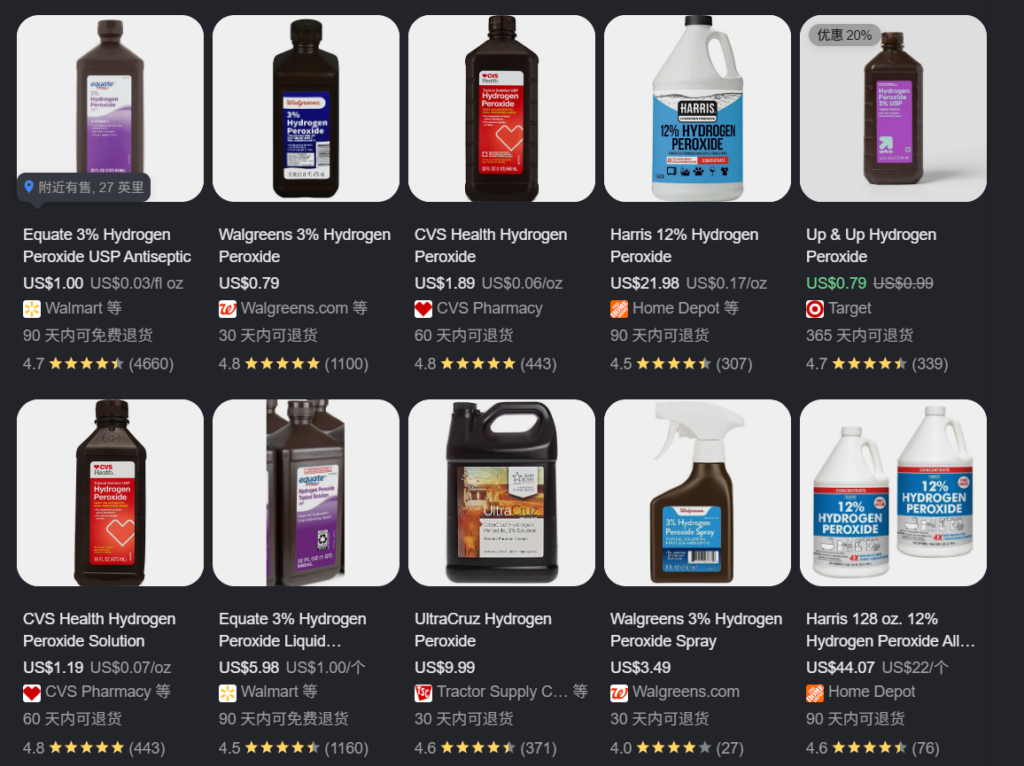
Screenshot of the hydrogen peroxide product page
Understanding Hydrogen Peroxide as a Cleaning Agent
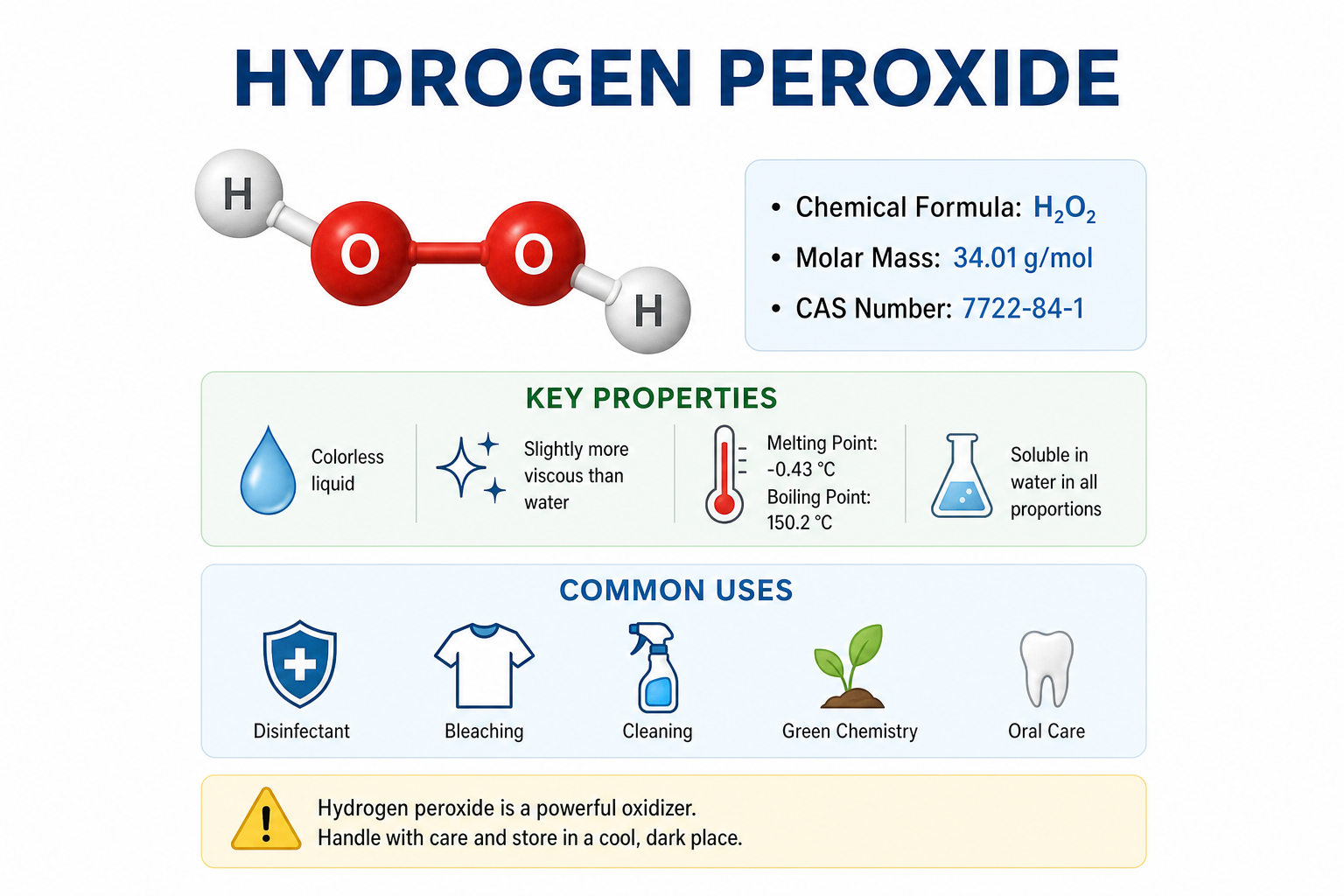
Hydrogen peroxide (H₂O₂) functions as a powerful oxidizing agent that breaks down into water and oxygen through decomposition reactions. This environmentally benign degradation pathway makes hydrogen peroxide attractive for applications where residue elimination and ecological considerations matter. The oxidation potential of hydrogen peroxide attacks organic contaminants, microbial cell structures, and certain inorganic deposits, providing cleaning action distinct from surfactant-based approaches.
Chemical Properties and Oxidation Mechanisms
The hydrogen peroxide molecule contains an oxygen-oxygen single bond that readily breaks under various conditions, releasing highly reactive oxygen species. These reactive intermediates include hydroxyl radicals and superoxide ions that oxidize organic molecules, denature proteins, and disrupt microbial membranes. The oxidation process converts many contaminants into water-soluble compounds that rinse away easily, avoiding redeposition problems common with some cleaning methods.
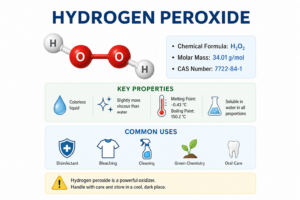
Hydrogen peroxide (H₂O₂)
Decomposition kinetics of hydrogen peroxide depend on solution pH, temperature, presence of catalytic surfaces, and contamination with transition metal ions. Alkaline conditions accelerate decomposition, while acidic environments stabilize peroxide solutions. Temperature increases drive faster decomposition rates according to Arrhenius kinetics, with reaction rates approximately doubling for each 10°C temperature rise. Catalytic surfaces including many metals, metal oxides, and organic materials dramatically accelerate decomposition through heterogeneous catalysis mechanisms.
The antimicrobial efficacy of hydrogen peroxide stems from oxidative damage to cellular components. Bacterial cell walls, fungal structures, and viral protein coats undergo oxidation that compromises structural integrity and metabolic function. Concentrations as low as 3% demonstrate significant antimicrobial activity, while higher concentrations provide more rapid and complete disinfection. The spectrum of activity encompasses bacteria, viruses, fungi, and bacterial spores, though spore inactivation requires higher concentrations and extended contact times.
Oxidation-based cleaning removes organic contaminants including proteins, lipids, carbohydrates, and complex biological residues. The reactive oxygen species generated during hydrogen peroxide decomposition cleave peptide bonds, oxidize amino acid residues, and break down complex organic molecules into simpler water-soluble fragments. This mechanism proves particularly effective against biological contamination resistant to surfactant-based cleaning alone.
Concentration Grades and Their Applications
| Hydrogen Peroxide Concentration | Typical Grade | Typical Applications | Key Characteristics |
|---|---|---|---|
| 3% | Consumer grade | General cleaning, light disinfection, jewelry and household items | Mild oxidation, relatively easy handling, broad material compatibility |
| 6–12% | Industrial / commercial grade | Professional cleaning, laboratory and equipment cleaning | Stronger oxidation and disinfection with moderate handling requirements |
| 20%+ | High-concentration industrial grade | Specialized industrial cleaning and high-level oxidation processes | Strong oxidizing power, higher corrosion and safety risks; requires specialized handling |
| Stabilized formulations | Various concentrations | Long-term storage and commercial cleaning formulations | Stabilizers reduce decomposition and help maintain consistent peroxide concentration |
Note: Higher hydrogen peroxide concentrations do not automatically produce better ultrasonic cleaning results. The appropriate concentration depends on the contaminant, material compatibility, required disinfection level, equipment design, and applicable safety procedures.
How Ultrasonic Cleaners Work with Chemical Solutions
Ultrasonic cleaning systems generate mechanical cleaning forces through acoustic cavitation while simultaneously providing a medium for chemical cleaning action. The synergy between mechanical cavitation effects and chemical oxidation or dissolution creates cleaning performance exceeding what either mechanism achieves independently.
Cavitation Enhancement Through Solution Chemistry
The formation and collapse of cavitation bubbles depend critically on solution physical and chemical properties. Surface tension, vapor pressure, viscosity, dissolved gas content, and temperature all influence cavitation intensity and distribution. Hydrogen peroxide solutions exhibit properties that generally support effective cavitation when concentrations and temperatures remain within appropriate ranges.
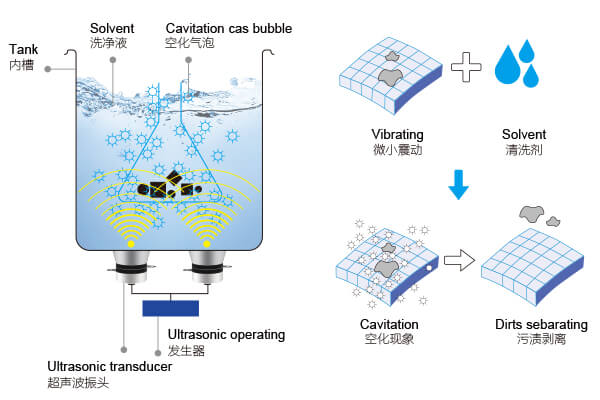
The Principle Behind Ultrasonic Cleaning
Surface tension of dilute hydrogen peroxide solutions remains similar to water, providing good cavitation bubble formation characteristics. The slight reduction in surface tension with increasing hydrogen peroxide concentration may actually enhance cavitation nucleation and intensity compared to pure water. This effect contributes to improved cleaning performance when hydrogen peroxide serves as the ultrasonic cleaning medium.
Vapor pressure elevation in hydrogen peroxide solutions modestly increases compared to pure water. This characteristic influences cavitation bubble internal pressure and collapse intensity. The effect remains relatively minor at concentrations below 10%, but higher concentrations demonstrate more pronounced vapor pressure effects that may alter cavitation dynamics.
Decomposition of hydrogen peroxide during ultrasonic operation releases dissolved oxygen into the solution. This gas evolution can influence cavitation characteristics by altering the gas content available for bubble nucleation and growth. Moderate oxygen release may enhance cavitation through increased nucleation site availability, while excessive gas evolution creates degassing problems that suppress cavitation intensity.
Can You Use Hydrogen Peroxide in an Ultrasonic Cleaner?
Hydrogen peroxide can indeed be used in ultrasonic cleaners, and this combination provides effective cleaning and disinfection for numerous applications. The compatibility between hydrogen peroxide chemistry and ultrasonic cavitation creates synergistic effects that enhance both cleaning speed and thoroughness compared to either method alone.
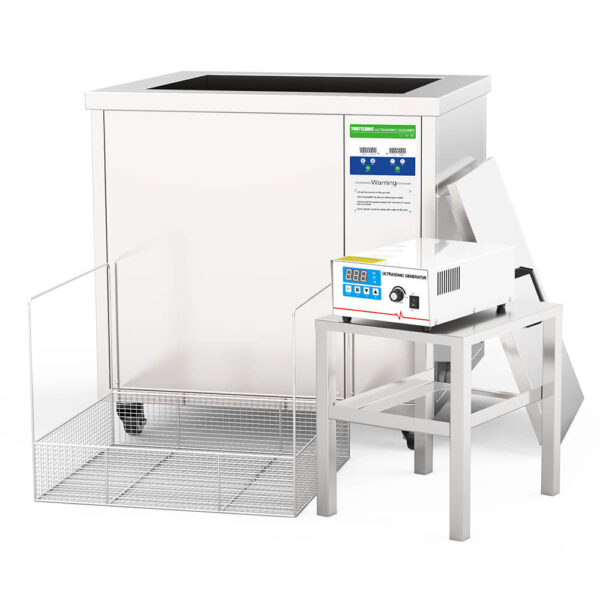
Direct Answer and Safety Considerations
The use of hydrogen peroxide in ultrasonic cleaners is not only possible but actively employed in medical, dental, laboratory, and specialized industrial cleaning applications. The key requirement involves selecting appropriate concentrations, ensuring material compatibility, maintaining proper operating conditions, and following safety protocols that address both the chemical hazards of hydrogen peroxide and the mechanical aspects of ultrasonic operation.
Concentrations between 1-6% hydrogen peroxide represent the practical range for most ultrasonic cleaning applications. This range provides useful oxidizing and antimicrobial activity while maintaining manageable material compatibility and safety profiles. Lower concentrations suit routine cleaning of sensitive materials, while higher concentrations within this range address heavily contaminated items or applications requiring enhanced disinfection.
Safety considerations include adequate ventilation to prevent oxygen accumulation in enclosed spaces, protection against skin and eye contact, and prevention of hydrogen peroxide contact with incompatible materials that might trigger rapid decomposition. Standard chemical handling protocols including wearing appropriate protective equipment and maintaining proper storage conditions ensure safe operation.
Equipment compatibility verification prevents damage to ultrasonic cleaner components. Tank materials including stainless steel, glass, and certain plastics demonstrate good hydrogen peroxide resistance. Control electronics, heating elements, and transducer assemblies should remain isolated from direct peroxide contact to prevent corrosion or electrical complications. Manufacturer specifications should be consulted to verify chemical compatibility before introducing hydrogen peroxide solutions.
Compatible Concentration Ranges
For general ultrasonic cleaning applications, diluting commercial 3% hydrogen peroxide to 1-2% concentration provides a safe starting point that balances cleaning effectiveness against material sensitivity and equipment compatibility. This concentration removes light organic contamination, provides antimicrobial activity, and demonstrates broad compatibility with common materials encountered in ultrasonic cleaning.
Moderate contamination levels and items requiring enhanced disinfection benefit from 3-4% hydrogen peroxide concentrations. This range delivers stronger oxidizing action that tackles protein residues, blood, tissue fragments, and similar biological contamination commonly encountered in medical and laboratory settings. Material testing remains important at these concentrations, particularly for reactive metals or sensitive polymers.
Heavy contamination or applications demanding high-level disinfection may employ 5-6% hydrogen peroxide solutions in ultrasonic cleaners. These concentrations approach the upper practical limit for routine ultrasonic applications due to increased material reactivity, accelerated decomposition rates, and elevated safety requirements. Professional supervision and thorough material compatibility testing become essential at these concentration levels.
Concentrations exceeding 6% hydrogen peroxide rarely find application in standard ultrasonic cleaning due to aggressive material attack, rapid decomposition, excessive oxygen generation, and significant safety hazards. Specialized applications under controlled conditions might employ higher concentrations, but these situations require expert chemical handling knowledge and specialized equipment designed for aggressive oxidizing environments.
Solution Requirements for Optimal Performance
Ultrasonic cleaning solutions must maintain stability during the mechanical agitation and localized heating generated by cavitation events. Hydrogen peroxide demonstrates moderate stability in clean systems but undergoes accelerated decomposition when exposed to catalytic surfaces, elevated temperatures, or contamination with decomposition catalysts.
Temperature control becomes particularly important when using hydrogen peroxide in ultrasonic cleaners. While elevated temperatures enhance cleaning effectiveness for many contaminants, they simultaneously accelerate hydrogen peroxide decomposition. Operating temperatures below 40°C preserve hydrogen peroxide concentration during extended cleaning cycles, while temperatures exceeding 50°C cause rapid decomposition that depletes active peroxide concentration.
Solution pH significantly affects both hydrogen peroxide stability and cleaning performance. Slightly acidic conditions (pH 4-6) maximize peroxide stability, minimizing spontaneous decomposition during storage and use. However, cleaning effectiveness against certain contaminants improves at neutral or slightly alkaline pH. Formulations must balance these competing requirements based on specific application needs.
Acoustic energy absorption by the cleaning solution converts electrical power into mechanical cavitation and waste heat. Hydrogen peroxide solutions demonstrate absorption characteristics similar to water-based solutions, providing efficient energy transfer from transducers to the cleaning zone. The presence of dissolved oxygen from peroxide decomposition minimally affects acoustic transmission at moderate gas concentrations.
Recommended Concentration Formulas
Calculating dilution ratios from concentrated hydrogen peroxide stock requires careful measurement to achieve target concentrations. The formula C₁V₁ = C₂V₂ (where C represents concentration and V represents volume) determines the amount of stock peroxide needed to prepare a desired final concentration and volume.
For example, preparing one liter of 3% hydrogen peroxide solution from 35% stock requires:
(35%)(V₁) = (3%)(1000 mL)
V₁ = 85.7 mL of 35% H₂O₂ diluted to 1000 mL total volume
This calculation yields approximately 86 mL of concentrated peroxide mixed with 914 mL of water to produce one liter of 3% solution.
Dilution procedures should add concentrated hydrogen peroxide to water rather than water to concentrated peroxide. This sequence minimizes heat generation and reduces splashing risks. Using cool water helps control the exothermic dilution process and prevents excessive temperature rise that accelerates decomposition.
Measurement accuracy affects both cleaning performance and safety. Volumetric glassware or calibrated measuring devices ensure precise dilutions that achieve target concentrations. Approximations or estimation introduce concentration errors that may reduce cleaning effectiveness or create unexpected material compatibility problems.
Fresh solution preparation immediately before use maximizes hydrogen peroxide concentration and cleaning effectiveness. Pre-diluted solutions undergo gradual decomposition during storage, reducing active peroxide content over time. When storage of diluted solutions becomes necessary, cool dark conditions and closed containers minimize decomposition losses.
Applications Suited for Hydrogen Peroxide Ultrasonic Cleaning
Several application categories benefit particularly from combining hydrogen peroxide chemistry with ultrasonic mechanical cleaning. These applications leverage the unique advantages that peroxide oxidation and disinfection provide when enhanced through ultrasonic cavitation.
| Application | Examples | Main Benefit |
|---|---|---|
| Medical & Dental Instruments | Surgical instruments, dental tools, handpieces | Removes blood, tissue, and microorganisms from hard-to-reach areas. |
| Laboratory Equipment | Glassware, pipettes, sample containers | Eliminates organic residues and helps prevent contamination. |
| Cell Culture Equipment | Culture vessels, laboratory tools | Removes cellular debris and provides antimicrobial cleaning. |
| Jewelry & Precious Metals | Gold, platinum, diamond jewelry | Removes oils, dirt, and tarnish while restoring shine. |
| Eyewear & Personal Care Items | Eyeglasses, contact lens cases | Cleans deposits and improves hygiene. |
| Personal Accessories | Watchbands, metal accessories | Removes grime, odors, and accumulated skin oils. |
Potential Risks and Safety Precautions
Hydrogen peroxide ultrasonic cleaning requires appropriate control of chemical concentration, temperature, ventilation, and equipment compatibility. Hydrogen peroxide gradually decomposes during operation, releasing oxygen and heat, while ultrasonic agitation can accelerate this process. Excessive temperature, contamination, or contact with incompatible metals may further accelerate decomposition, causing excessive bubbling, foaming, or rapid heat generation. Adequate ventilation, temperature monitoring, and regular replacement or concentration testing of the cleaning solution help maintain stable operation.
The ultrasonic cleaner itself should be constructed from hydrogen-peroxide-compatible materials. Stainless steel, glass, PTFE, and suitable plastics generally provide better resistance, while aluminum, copper, brass, and other susceptible materials may corrode or catalyze peroxide decomposition. Tank components, heaters, fittings, seals, and transducer assemblies should therefore be verified for chemical compatibility before routine use.
Operators should use appropriate protective equipment, particularly chemical-resistant gloves and splash goggles or a face shield. Protective clothing is recommended when handling or transferring peroxide solutions. Concentrated solutions or poorly ventilated spaces may require additional respiratory protection and stricter handling procedures. Hydrogen peroxide should also be kept away from incompatible chemicals, combustible materials, and sources of contamination.
Performance Optimization and Operating Considerations
Effective hydrogen peroxide ultrasonic cleaning depends on balancing chemical oxidation with ultrasonic cavitation. Moderate temperatures around 30–40°C can improve cleaning performance while limiting excessive peroxide decomposition. Temperatures above approximately 50°C can significantly accelerate decomposition, so temperature monitoring and cooling may be necessary during extended cleaning cycles.
Low-foaming surfactants can improve wetting and removal of oily contaminants, while suitable chelating or enzymatic agents may improve the removal of mineral deposits or specific organic residues. However, additives should only be used after confirming their compatibility with hydrogen peroxide, the ultrasonic cleaner, and the materials being cleaned. Avoid indiscriminately mixing hydrogen peroxide with other chemicals, particularly reducing agents, reactive metals, or incompatible cleaning agents, as unwanted reactions may occur.
For consistent results, maintain the recommended peroxide concentration, temperature, ultrasonic power, and cleaning time for the specific application. Material compatibility should always be verified before processing valuable, delicate, or chemically sensitive items.
Alternative Cleaning Solutions for Comparison
Comparing hydrogen peroxide with other ultrasonic cleaning solutions helps identify optimal choices for specific applications based on contamination types, material compatibility, and performance requirements.
Enzymatic Cleaners for Biological Contamination
Enzymatic ultrasonic cleaners employ biological catalysts that specifically target proteins, carbohydrates, lipids, and other organic contaminants. These solutions excel at biological residue removal but lack the oxidizing and antimicrobial properties of hydrogen peroxide. Applications requiring organic matter removal without disinfection may favor enzymatic cleaners, while situations demanding both cleaning and antimicrobial treatment benefit from hydrogen peroxide.
The gentle action of enzymatic cleaners provides superior material compatibility compared to oxidizing agents. Sensitive instruments, delicate components, and reactive materials tolerate enzymatic treatment while potentially suffering damage from hydrogen peroxide exposure. Matching cleaner chemistry to material sensitivity ensures safe effective cleaning.
Residue characteristics differ between enzymatic and peroxide cleaners. Enzymes leave protein-based residues requiring thorough rinsing, while hydrogen peroxide decomposes to residue-free water and oxygen. Applications demanding absolute residue elimination favor hydrogen peroxide over enzymatic alternatives.
Alkaline and Acidic Ultrasonic Solutions
Alkaline ultrasonic cleaners provide strong degreasing and organic residue removal through saponification and peptide bond hydrolysis. These solutions effectively clean heavily contaminated items but demonstrate aggressive material attack against aluminum, zinc, and other reactive metals. Hydrogen peroxide offers milder treatment with different chemistry suited for materials intolerant of high pH.
Acidic ultrasonic cleaners remove mineral deposits, rust, scale, and oxide films through dissolution reactions. The chemistry targets inorganic contamination types that hydrogen peroxide addresses poorly. Combining acidic descaling with peroxide-based organic cleaning provides comprehensive contamination removal across diverse soil types.
Cost considerations sometimes favor alkaline or acidic cleaners over hydrogen peroxide formulations. Simple commodity chemicals including sodium hydroxide, citric acid, and detergent builders create inexpensive yet effective ultrasonic cleaning solutions. Hydrogen peroxide costs more but delivers unique oxidative and antimicrobial properties justifying expense for appropriate applications.
Maintenance and Equipment Care When Using Peroxide
Long-term successful operation of ultrasonic cleaners with hydrogen peroxide solutions requires maintenance practices that address both standard ultrasonic cleaner care and peroxide-specific considerations.
Tank Material Considerations
Regular inspection of tank condition detects early corrosion or degradation before serious damage occurs. Stainless steel tanks generally demonstrate excellent longevity with hydrogen peroxide use, but stress corrosion cracking may develop in severely contaminated solutions or with incompatible peroxide formulations. Visual inspection for pitting, discoloration, or surface changes guides maintenance interventions.
Protective coatings on aluminum or mild steel tanks require monitoring for defects that expose base metal to hydrogen peroxide attack. Any coating damage should trigger immediate repair or tank replacement to prevent accelerating corrosion once peroxide contacts reactive substrates.
Tank cleaning after peroxide use removes residues and prevents buildup that might interfere with future operations. Rinsing with clean water followed by drying prevents residual peroxide from causing continued oxidation or metal attack. Periodic deep cleaning with appropriate solvents maintains tank condition and performance.
Preventing Degradation and Residue Buildup
Oxygen gas release during hydrogen peroxide decomposition may trap bubbles on tank surfaces, transducers, or items being cleaned. These bubbles interfere with cavitation and reduce cleaning effectiveness. Periodic degassing through brief high-power operation or mechanical agitation purges accumulated gas and restores proper function.
Residue from decomposed contaminants may precipitate from peroxide solutions as oxidation converts organic materials into insoluble compounds. Regular solution replacement before excessive contamination accumulates prevents residue buildup. Filtration systems remove particulates but do not address dissolved contamination requiring complete solution change.
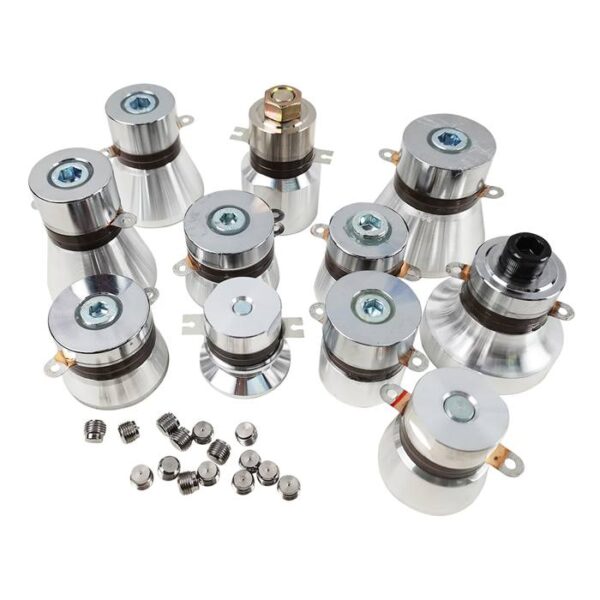
Transducer face cleaning maintains acoustic coupling efficiency and prevents performance degradation. Gentle cleaning with soft cloths and appropriate solvents removes deposits without damaging protective coatings or piezoelectric elements. Abrasive cleaning methods should be avoided since they damage transducer surfaces and reduce ultrasonic transmission.
Seal and gasket inspection identifies degradation from peroxide exposure before leaks develop. Replacement of deteriorated seals using peroxide-resistant materials prevents operational problems and maintains equipment integrity.