

CLR remains one of the most recognizable names in calcium, lime, and rust removal products available to consumers. The question of whether this powerful chemical formula belongs inside an ultrasonic cleaning tank requires careful examination of both the cleaner’s chemical properties and the equipment’s material specifications. While CLR can technically function within ultrasonic systems under specific conditions, several important factors determine whether this combination proves practical or potentially damaging.
The decision to use any acidic cleaning agent in ultrasonic equipment depends on understanding how chemical formulations interact with tank materials, transducer components, and the items being cleaned. Manufacturers design ultrasonic cleaners with specific chemical compatibility ranges, and exceeding these parameters can compromise equipment longevity or cleaning effectiveness.
Understanding CLR Chemical Composition
Active Ingredients and Cleaning Mechanisms
CLR contains a blend of organic and inorganic acids formulated to dissolve mineral deposits, calcium buildup, lime scale, and rust stains. The primary active ingredients include lactic acid, gluconic acid, and lauramine oxide, combined with water and proprietary surfactants. These acids work by chemically reacting with alkaline mineral deposits, converting them into soluble compounds that rinse away easily.
The cleaning action occurs through chelation, where acid molecules bind to metal ions in mineral deposits and break the bonds holding scale to surfaces. This chemical process differs fundamentally from mechanical cleaning methods. When combined with ultrasonic cavitation, the acid reaches into microscopic surface irregularities while cavitation bubbles physically agitate loosened particles, accelerating the cleaning process significantly.
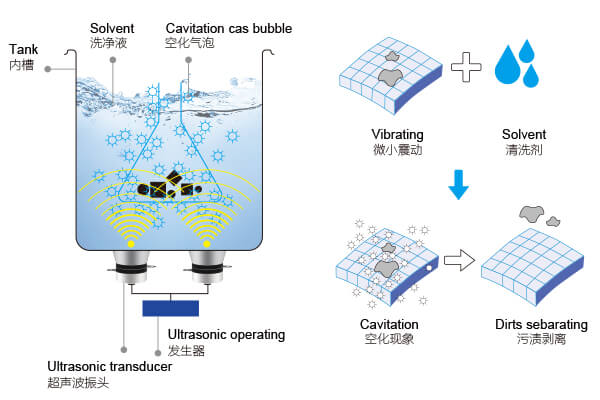
The Principle Behind Ultrasonic Cleaning
pH Levels and Corrosive Properties
Standard CLR formulations maintain a pH between 2.0 and 2.5, classifying the solution as highly acidic. This acidity level provides effective mineral dissolution but also presents potential risks to certain metals and materials. The low pH can attack reactive metals including aluminum, magnesium, zinc, and certain brass alloys if exposure time exceeds recommended limits.
Corrosion rates depend on concentration, temperature, and contact duration. Undiluted CLR at elevated temperatures creates the most aggressive conditions, while proper dilution and controlled exposure times minimize material damage. Understanding these chemical properties allows operators to make informed decisions about appropriate applications and necessary precautions.
Compatibility Assessment for Ultrasonic Cleaning Systems
Tank Material Considerations
Ultrasonic cleaner tanks constructed from 304 stainless steel demonstrate good resistance to diluted acidic solutions when exposure remains limited to reasonable cleaning cycles. The chromium oxide layer protecting stainless steel surfaces withstands brief contact with pH levels as low as 2.0 without significant degradation. However, prolonged exposure or elevated temperatures can compromise this protective layer, particularly in tank corners and welds where passivation may be less complete.
Tanks made from polypropylene or other acid-resistant plastics handle CLR more safely than metal tanks. The chemical inertness of these materials eliminates corrosion concerns, though operators must still verify that specific plastic formulations maintain structural integrity and acoustic transmission properties when exposed to CLR’s chemical components.
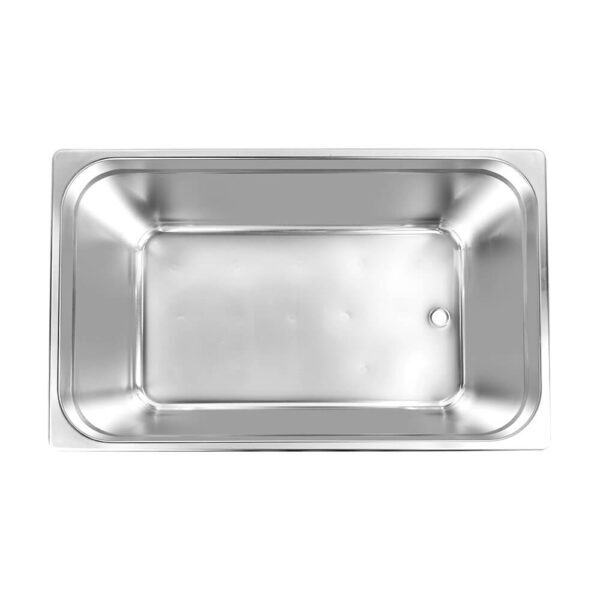
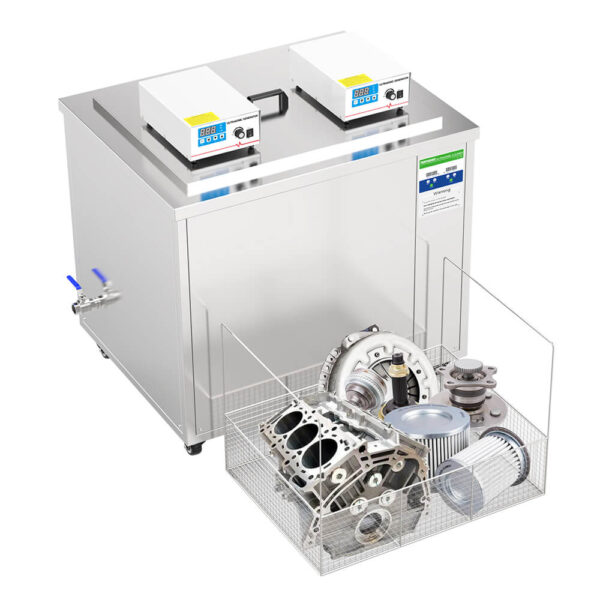
Click to view : Stainless Steel Ultrasonic Tank with Transducer Pack
Transducer Protection Requirements
Transducers bonded to tank bottoms require protection from direct chemical contact. Most manufacturers seal transducers from the tank interior, but aggressive chemicals can potentially penetrate gaskets or adhesive bonds over time. The greatest risk involves CLR seeping into the gap between transducer housing and tank bottom, where trapped acidic solution can corrode bonding surfaces and degrade acoustic coupling.
Equipment featuring externally mounted transducers or generator tanks with separate cleaning vessels offer superior protection. These designs isolate sensitive electronic components from chemical exposure entirely, permitting use of more aggressive cleaning formulations without equipment damage risks.
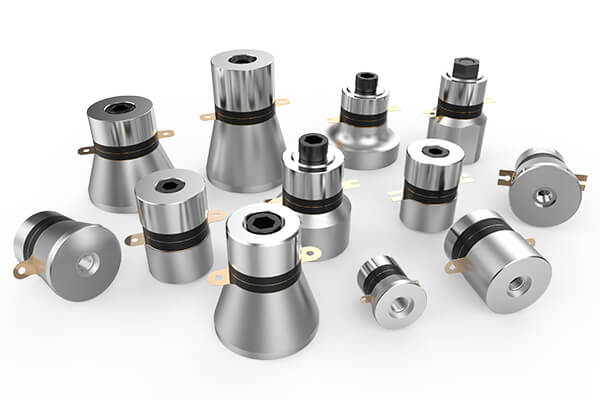
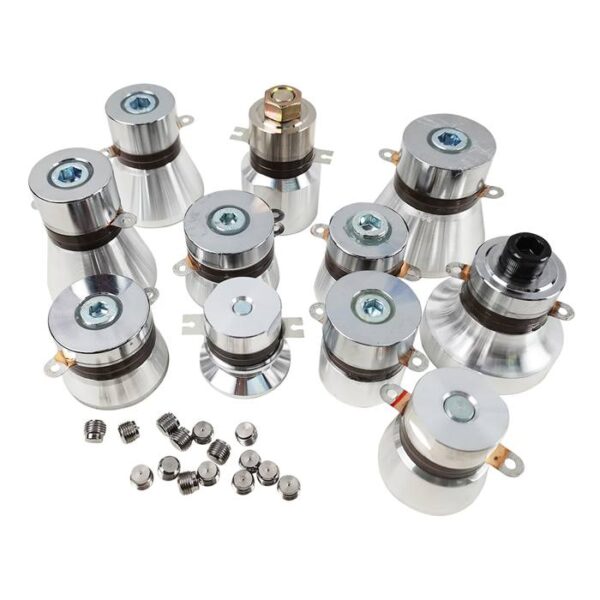
Click to view : Transducers
Seal and Gasket Integrity
Drain valves, lid gaskets, and other sealing components may use materials incompatible with acidic solutions. Natural rubber and certain synthetic elastomers degrade when exposed to low pH chemicals, causing swelling, hardening, or loss of sealing effectiveness. Viton and EPDM gaskets demonstrate better acid resistance, but not all ultrasonic cleaners incorporate these premium materials.
Checking manufacturer specifications for chemical compatibility before introducing CLR prevents seal failures that could lead to leaks or contamination. If documentation remains unavailable, testing gasket material with a small amount of diluted CLR outside the tank reveals potential compatibility issues before risking equipment damage.
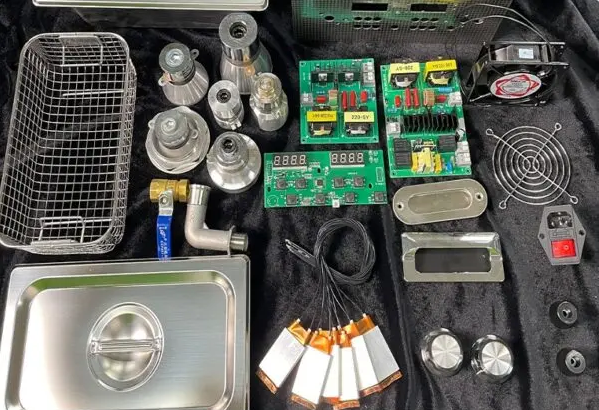
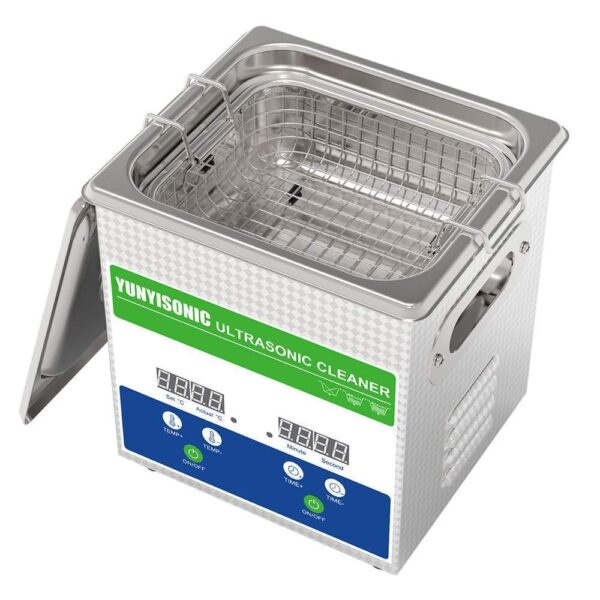
Basic Components of an Ultrasonic Cleaner
Risk Factors When Using CLR in Ultrasonic Equipment
Corrosion Potential on Metal Components
Beyond tank construction, many ultrasonic cleaners incorporate metal components including heating elements, thermostats, and structural supports that contact cleaning solutions. CLR’s acidic formulation can attack these components, particularly if constructed from steel, brass, or aluminum. Heating elements prove especially vulnerable since elevated temperatures accelerate corrosion reactions.
The items being cleaned also face corrosion risks. While CLR works well for removing deposits from robust materials like stainless steel or ceramic, the same formulation can damage softer metals, plated surfaces, or decorative finishes. Aluminum parts develop pitting, zinc coatings dissolve, and chrome plating may lift if CLR concentration or exposure time exceeds safe parameters.
Foam Generation and Cavitation Interference
CLR contains surfactants that reduce surface tension and improve wetting characteristics. These same surfactants generate foam when agitated by ultrasonic cavitation. Excessive foam formation creates several problems: it dampens cavitation energy at the solution surface, reduces cleaning effectiveness, and may overflow from the tank during operation.
Foam also traps air bubbles that interfere with ultrasonic wave transmission through the cleaning solution. The acoustic impedance mismatch between liquid and foam reduces energy transfer to items being cleaned, particularly for objects positioned near the solution surface. Controlling foam through proper dilution or defoaming additives becomes necessary for maintaining cleaning efficiency.
Residue Formation and System Contamination
As CLR dissolves mineral deposits, the resulting compounds remain suspended or dissolved in the cleaning solution. Calcium, magnesium, and iron compounds accumulate with continued use, eventually reaching saturation levels where they precipitate onto cleaned items or tank surfaces. This redeposition defeats the cleaning purpose and can leave visible stains or films.
The dissolved minerals also alter solution chemistry, changing pH and reducing cleaning effectiveness. Regular solution changes become necessary to maintain performance, increasing operational costs compared to purpose-formulated ultrasonic detergents designed for extended bath life.
Manufacturer Recommendations for Chemical Selection
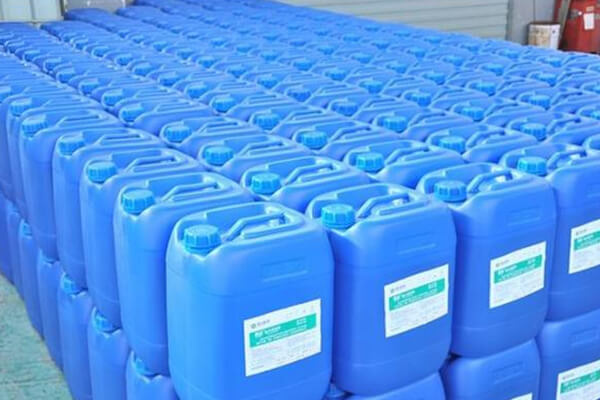
Cleaning agent
Approved Cleaning Solution Characteristics
Equipment manufacturers typically specify compatible cleaning solutions in user documentation. Most approve neutral to mildly alkaline detergents with pH ranges between 7.0 and 11.0 for general purpose cleaning. These formulations provide effective cleaning without risking tank corrosion or component degradation.
For applications requiring acidic cleaning, manufacturers may approve specific products tested for compatibility with their equipment materials. These approved solutions balance cleaning effectiveness against material safety, typically maintaining pH levels above 3.0 and excluding ingredients known to attack stainless steel or common gasket materials.
pH Range Specifications
Standard operating guidelines establish acceptable pH ranges based on tank material and component selection. Stainless steel tanks generally permit solutions between pH 3.0 and 12.0 for limited exposure durations. More acidic or alkaline formulations require special tank treatments, premium materials, or restricted operating times to prevent damage.
Plastic tanks tolerate wider pH ranges, often accepting solutions from pH 1.0 to pH 14.0 without material degradation. However, other system components including heaters, thermostats, and baskets may impose more restrictive chemical limits regardless of tank material.
Surfactant and Foaming Considerations
Low-foaming formulations optimize ultrasonic cleaning performance by maintaining cavitation efficiency throughout the cleaning cycle. Manufacturers design specialized ultrasonic detergents with carefully selected surfactants that provide necessary wetting and emulsification properties without generating excessive foam under cavitation conditions.
CLR’s surfactant package was formulated for manual application and spray cleaning methods rather than ultrasonic agitation. The resulting foam production exceeds ideal levels for ultrasonic applications, though dilution reduces this effect to more manageable levels.
Alternative Cleaning Solutions for Mineral Deposits
Citric Acid-Based Formulations
Citric acid provides effective mineral deposit removal with less aggressive corrosion characteristics than CLR’s acid blend. Food-grade citric acid powder dissolves readily in water, creating solutions with controlled pH levels suitable for ultrasonic cleaning applications. Typical concentrations range from 1% to 5% by weight, producing pH levels between 2.5 and 3.5 depending on dilution.
The chelating properties of citric acid effectively remove calcium and lime deposits while presenting lower risk to aluminum and zinc components. The milder acidic action requires longer exposure times compared to CLR but provides greater safety margins for sensitive materials and equipment components.
Specialized Ultrasonic Detergents
Purpose-formulated ultrasonic cleaning detergents designed for descaling applications offer optimized performance in cavitation environments. These products balance acidic cleaning action against material compatibility, foam control, and solution longevity. Manufacturers test these formulations extensively with ultrasonic equipment to verify compatibility and effectiveness.
Descaling detergents for ultrasonic applications typically incorporate buffered acid systems that maintain stable pH levels, corrosion inhibitors protecting metal components, and low-foam surfactant packages. While often more expensive than general-purpose cleaners like CLR, these specialized products reduce equipment risks and provide consistent performance across multiple cleaning cycles.
Dilution Protocols for Acidic Cleaners
When acidic cleaning proves necessary and approved alternatives remain unavailable, proper dilution protocols minimize risks. Diluting CLR to 10% to 25% of full strength (3 to 7.5 parts water to 1 part CLR) reduces acidity to more manageable levels while retaining descaling effectiveness. This dilution raises pH from approximately 2.0 to a range of 2.5 to 3.5, significantly reducing corrosion rates.
Testing diluted solutions on sample materials before full-scale cleaning verifies compatibility and prevents damage to valuable items. Starting with more dilute concentrations and increasing strength only if cleaning proves inadequate provides the safest approach to acidic ultrasonic cleaning.
Proper Dilution and Application Methods
Concentration Guidelines for Acidic Solutions
Maximum safe concentration depends on tank material, item composition, and cleaning duration. For stainless steel tanks cleaning robust materials like stainless steel parts or ceramics, CLR dilutions up to 25% concentration generally prove acceptable for cleaning cycles under 10 minutes. More delicate materials or extended cleaning times require further dilution to 10% or less.
Plastic tanks permit higher concentrations, though the items being cleaned still determine practical limits. Monitoring solution temperature and limiting heat input reduces corrosion rates even at higher acid concentrations. Room temperature operation provides the safest conditions for aggressive chemical formulations.
Temperature Settings and Exposure Duration
Elevated temperatures accelerate both cleaning action and corrosion rates exponentially. Each 10°C temperature increase approximately doubles chemical reaction rates through standard thermodynamic principles. This relationship means that moderately acidic solutions at 60°C create more aggressive conditions than highly acidic solutions at room temperature.
Limiting cleaning cycles to 5 to 10 minutes for acidic solutions prevents excessive metal removal from both items and tank surfaces. Items requiring longer exposure to achieve cleaning goals may benefit from multiple short cycles with fresh rinses between treatments rather than single extended exposures.
Rinsing and Neutralization Procedures
Thorough rinsing immediately following acidic cleaning removes residual CLR that would otherwise continue attacking surfaces after cleaning concludes. At minimum, three separate rinse cycles using fresh water ensure complete acid removal from part surfaces and internal passages. For critical applications, final rinses with mildly alkaline solutions neutralize any remaining acidity.
Tank cleaning after acidic solution use prevents contamination of subsequent cleaning batches and removes acid residues from tank surfaces. A complete water rinse followed by an alkaline detergent cycle neutralizes and cleans tank interiors, preparing the system for normal operation.
Item-Specific Considerations
Materials Compatible with Acidic Cleaning
Stainless steel components, glass, ceramic, and most plastics tolerate brief CLR exposure without damage. Hardened tool steels and titanium also demonstrate good acid resistance. These materials can undergo ultrasonic cleaning with diluted CLR to remove mineral deposits, rust stains, or scale buildup when milder cleaners prove ineffective.
Dense materials benefit most from ultrasonic acid cleaning since cavitation drives cleaning solution into blind holes, threads, and tight clearances inaccessible to spray or immersion cleaning alone. The combination of chemical action and mechanical cavitation removes deposits from complex geometries effectively.
Items Requiring Alternative Methods
Aluminum, magnesium, zinc, and their alloys require alternative cleaning methods since CLR attacks these reactive metals rapidly. Similarly, chrome plating, anodized finishes, and decorative coatings may suffer damage from acidic cleaning solutions. Natural materials including pearls, coral, ivory, and shells dissolve in acid, absolutely prohibiting CLR use.
Soft metals like copper, brass, and bronze develop surface etching and color changes when exposed to acidic cleaners. While structural damage remains minimal for brief exposures, aesthetic effects may prove unacceptable for decorative items. Testing inconspicuous areas first reveals potential issues before treating visible surfaces.
Pre-Treatment and Post-Treatment Steps
Items with heavy mineral buildup may benefit from pre-soaking in diluted CLR before ultrasonic cleaning. This initial treatment softens deposits, allowing shorter ultrasonic exposure times and reducing the acid concentration required during cavitation cleaning. Pre-treatment in separate containers also protects ultrasonic equipment from unnecessary acid exposure.
Post-treatment steps including thorough rinsing, neutralization, and protective coating application prevent flash rusting on ferrous metals and ensure complete contaminant removal. Applying corrosion inhibitors or protective oils immediately after cleaning and drying preserves cleaned surfaces and prevents new deposit formation.
Frequently Asked Questions
Can CLR damage my ultrasonic cleaner?
CLR can potentially damage ultrasonic cleaners constructed with materials incompatible with acidic solutions. Stainless steel tanks generally withstand properly diluted CLR for short cleaning cycles, but aluminum components, certain gaskets, and heating elements may corrode. Always verify equipment specifications before introducing any acidic cleaner, and consider using plastic tank liners for additional protection when cleaning with aggressive chemicals.
How much should I dilute CLR for ultrasonic cleaning?
Dilute CLR to 10% to 25% of full strength for ultrasonic applications, mixing 1 part CLR with 3 to 9 parts water. This dilution reduces corrosion risks while maintaining mineral removal effectiveness. Start with more dilute solutions and increase concentration only if cleaning results prove inadequate. Never use CLR at full strength in ultrasonic cleaners.
What works better than CLR in ultrasonic cleaners?
Specialized ultrasonic descaling detergents formulated specifically for cavitation cleaning provide superior performance with lower equipment risks. These products incorporate corrosion inhibitors, pH buffers, and low-foam surfactants optimized for ultrasonic applications. Alternatively, citric acid solutions offer effective mineral removal with gentler material compatibility than CLR’s acid blend.
How long can I run CLR in an ultrasonic cleaner?
Limit cleaning cycles with diluted CLR to 5 to 10 minutes maximum. Shorter exposure times reduce corrosion risks to both the items being cleaned and the ultrasonic equipment itself. For heavy deposits requiring extended treatment, multiple short cycles with fresh rinses between treatments prove safer than single prolonged exposures. Monitor items during cleaning and stop immediately if surface dulling or discoloration appears.
Will CLR remove rust in an ultrasonic cleaner?
CLR removes rust effectively when combined with ultrasonic cavitation. The acidic formulation dissolves iron oxide while cavitation physically agitates loosened rust particles. However, proper dilution and limited exposure time remain critical to prevent base metal etching beneath the rust layer. Rinse parts thoroughly after rust removal and apply protective coatings immediately to prevent flash rusting.