

Sterling silver develops tarnish through natural chemical reactions with sulfur compounds in the environment. This darkening appears as a yellowish film that progresses to brown and eventually black discoloration. Traditional cleaning methods involve manual polishing with abrasive compounds, which gradually removes microscopic layers of metal with each application. Over years of repeated polishing, fine details become worn and pieces lose their original crispness.
Ultrasonic cleaning technology offers a fundamentally different approach. Instead of mechanical abrasion, high-frequency sound waves create cleaning action through microscopic bubble formation and collapse. This process reaches into crevices, under gemstone settings, and along textured surfaces that polishing cloths cannot access effectively. The method removes tarnish and accumulated debris without the physical contact that causes wear on decorative elements.
Yes, ultrasonic cleaners work safely and effectively on most sterling silver items when proper procedures and parameters are followed. The technology provides superior cleaning results compared to manual methods while preserving fine details and reducing long-term wear. However, certain sterling silver pieces require modified approaches or alternative cleaning methods based on their construction, gemstone content, and surface treatments.
Understanding Sterling Silver Composition
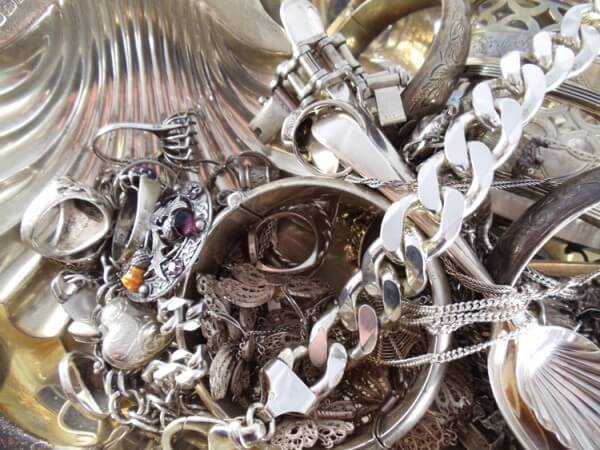
Silver Jewelry
The 92.5% Silver Alloy Standard
Sterling silver contains 92.5% pure silver combined with 7.5% other metals, typically copper. This precise composition balances the desirable properties of pure silver with improved durability and workability. Pure silver offers exceptional luster and tarnish resistance but lacks sufficient hardness for functional jewelry and household items. The metal bends easily and scratches with minimal force, making pure silver impractical for most applications.
Adding copper to create sterling silver increases hardness substantially while maintaining silver’s attractive appearance. The resulting alloy accepts fine detail during fabrication, holds shape under normal use, and develops the warm patina valued in silver objects. The 92.5% silver content became standardized centuries ago as the optimal balance point, producing an alloy that performs well across diverse applications from jewelry to flatware to decorative objects.
Manufacturing processes affect sterling silver’s internal structure. Cast sterling contains grain boundaries and potential porosity from the solidification process. These microscopic variations create no functional issues but influence how tarnish develops and how thoroughly cleaning removes accumulated contamination. Fabricated sterling made from rolled sheet and drawn wire exhibits more uniform structure with tighter grain boundaries, typically showing more even tarnish patterns and responding predictably to cleaning.
Why Alloying Metals Matter for Cleaning
The copper content in sterling silver creates the material’s primary maintenance challenge. Copper oxidizes readily when exposed to atmospheric sulfur compounds, forming copper sulfide that appears as dark tarnish. Since copper distributes throughout the sterling alloy, tarnish develops within the surface layers rather than as a simple surface coating. This subsurface tarnish formation requires cleaning methods that can reach into microscopic surface irregularities.
Different alloying formulations produce variations in tarnish resistance and cleaning response. Some manufacturers use proprietary alloy compositions containing germanium, zinc, or platinum group metals alongside copper. These modified sterling alloys often market under names like “tarnish-resistant sterling” or “low-maintenance silver.” The enhanced formulations tarnish more slowly than traditional sterling but respond to ultrasonic cleaning similarly when tarnish does develop.
The alloy composition also affects how sterling responds to cleaning solutions. Copper shows greater reactivity to acidic solutions compared to silver, making pH selection important for cleaning effectiveness and material safety. Solutions formulated specifically for sterling silver account for the alloy composition, providing chemistry that addresses both the silver and copper components without creating unwanted reactions.
How Ultrasonic Cleaning Affects Sterling Silver
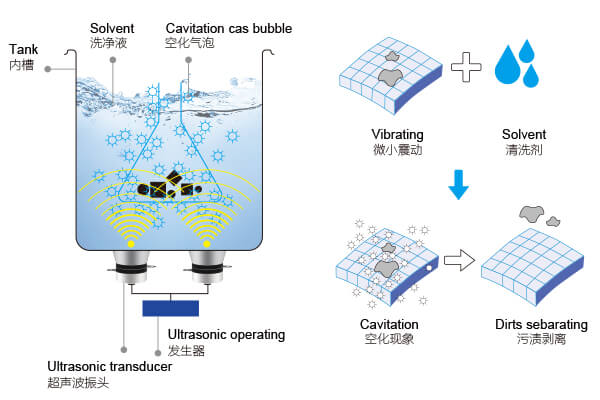
The Principle Behind Ultrasonic Cleaning
Cavitation Process on Metal Surfaces
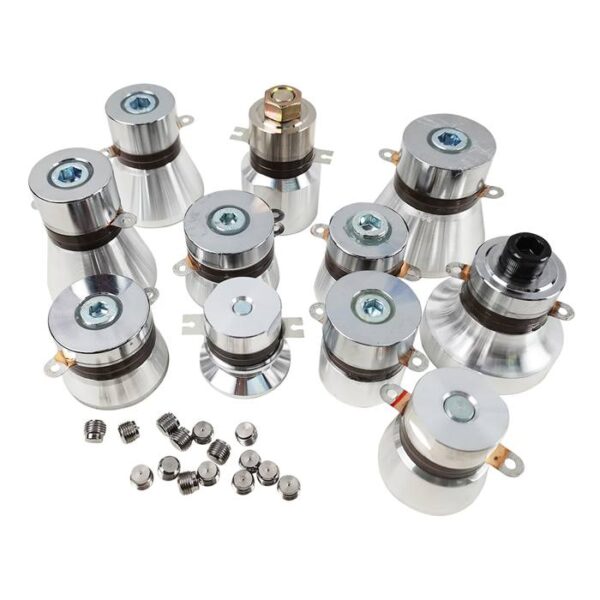
Ultrasonic cleaners generate sound waves at frequencies typically ranging from 20 kHz to 200 kHz. A transducer converts electrical energy into mechanical vibrations that propagate through the cleaning liquid. These vibrations create alternating high- and low-pressure zones throughout the fluid.
During low-pressure phases, microscopic bubbles form spontaneously in the liquid. These cavitation bubbles grow slightly with each pressure cycle until reaching unstable size. When high-pressure waves arrive, the bubbles implode violently, creating intense localized forces. The bubble collapse generates pressure spikes exceeding 10,000 psi concentrated in areas smaller than 0.1 millimeters.
On sterling silver surfaces, these imploding bubbles create several beneficial effects. The physical force dislodges tarnish layers and embedded particles. Rapid fluid motion around collapsing bubbles flushes debris from recessed areas, removing contamination from engraved details, filigree patterns, and chain links. The cleaning action reaches every exposed surface simultaneously, including areas that brushes and cloths cannot access.
The mechanical cleaning action proves particularly valuable for complex sterling silver pieces. Traditional polishing requires accessing each surface individually, making thorough cleaning of elaborate designs extremely time-consuming. Ultrasonic cavitation works on all surfaces simultaneously regardless of geometry, cleaning intricate pieces as easily as simple forms.
Benefits Over Traditional Polishing Methods
Silver polishing compounds contain fine abrasive particles suspended in a cream or liquid base. These abrasives physically scrape away tarnish along with a thin layer of underlying metal. Each polishing session removes 0.1 to 0.5 micrometers of silver from surfaces, depending on compound aggressiveness and polishing pressure applied.
This material removal accumulates over time. A sterling piece polished monthly for ten years loses 12 to 60 micrometers of surface metal. On items with fine engraving, raised details, or delicate filigree, this gradual wear softens crisp edges and reduces definition. Hallmarks become less distinct, and decorative elements lose their original sharpness.
Ultrasonic cleaning removes tarnish through chemical and physical action rather than abrasion. Properly formulated cleaning solutions dissolve or loosen tarnish compounds while cavitation disrupts the loosened material and carries it away. The metal surface itself experiences minimal wear, preserving fine details indefinitely. Testing comparing ultrasonic cleaning to manual polishing demonstrates that ultrasonic methods remove less than 0.01 micrometers per cleaning cycle, reducing wear by 90-98% compared to abrasive polishing.
The time efficiency advantage proves substantial for complex pieces. Polishing an ornate sterling necklace manually may require 15-30 minutes of careful work to access all surfaces. The same piece cleaned ultrasonically requires 3-8 minutes of actual cleaning time plus brief pre-cleaning preparation and post-cleaning rinsing. The time savings increases with design complexity, as ultrasonic cleaning duration remains relatively constant while manual polishing time increases proportionally with piece intricacy.
When Ultrasonic Cleaning is Safe for Sterling Silver
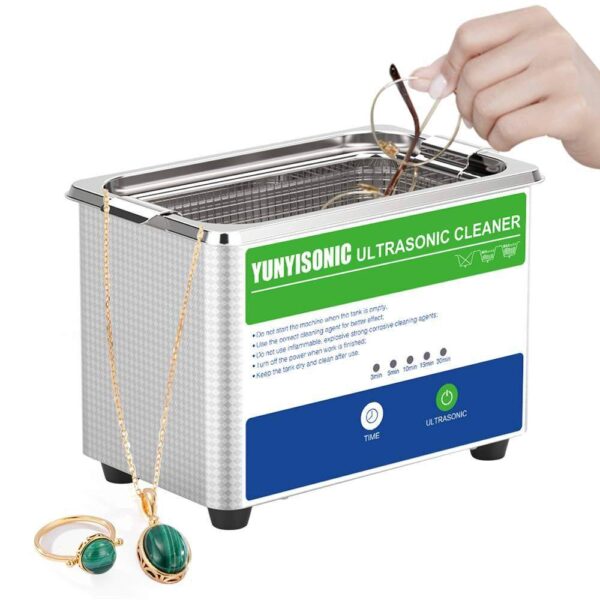
Solid Sterling Pieces Without Stones
Solid sterling silver items without gemstones represent the ideal candidates for ultrasonic cleaning. The material withstands the cavitation forces without damage, and the absence of additional components eliminates compatibility concerns. Categories include sterling silver chains, bangles, simple rings without stone settings, ear wires, and functional items like napkin rings or picture frames.
These pieces benefit maximally from ultrasonic cleaning advantages. Chain links that trap soap residue and skin oils between connecting surfaces emerge thoroughly cleaned from ultrasonic treatment. Textured surfaces showing oxidation in recesses regain uniform appearance as cavitation reaches into every depression. The cleaning proves both faster and more thorough than any manual method can achieve.
Frequency and power settings for solid sterling require no special reduction from standard jewelry cleaning parameters. Operating frequencies between 40-45 kHz provide effective cleaning while maintaining gentle action appropriate for precious metals. Power levels standard for jewelry cleaning equipment, typically 50-100 watts for household units and 100-200 watts for professional equipment, prove entirely safe for solid sterling construction.
Simple Designs and Minimal Embellishments
Sterling silver jewelry featuring simple designs without gemstones or special treatments responds excellently to ultrasonic cleaning. Plain wedding bands, simple hoop earrings, link bracelets, and minimalist pendants all fall into this category. The straightforward construction eliminates concerns about loose stones, degraded adhesives, or incompatible materials.
Even pieces with basic surface treatments like brushed finishes or high polish maintain their intended appearance through ultrasonic cleaning. The cavitation action removes tarnish and contamination without altering the underlying surface texture. Brushed finishes retain their directional pattern, and mirror polishes remain unmarred by cleaning action.
Monogrammed or engraved sterling items particularly benefit from ultrasonic cleaning. The engraved recesses accumulate tarnish that polishing cloths cannot reach effectively. Manual cleaning of engraved areas requires careful work with specialized brushes to avoid damaging surrounding surfaces. Ultrasonic cavitation penetrates engraved details thoroughly, removing tarnish from recesses while cleaning raised surfaces simultaneously.
Sterling Silver Items Requiring Caution
Gemstone-Set Jewelry Considerations
Sterling silver jewelry featuring gemstone settings requires individual evaluation before ultrasonic cleaning. The primary concerns involve stone durability, setting security, and adhesive stability rather than the sterling silver itself.
Hard, durable gemstones like diamonds, rubies, and sapphires tolerate ultrasonic cleaning well when securely set. These materials rate 9-10 on the Mohs hardness scale and contain no cleavage planes that ultrasonic vibration could exploit. Prong settings holding these stones should undergo inspection for wear or loosening before cleaning, as vibration may dislodge stones from compromised settings.
Softer gemstones including pearls, opals, emeralds, and turquoise require alternative cleaning methods. Pearls consist of layered nacre that ultrasonic vibration can delaminate. Opals contain water within their structure that responds unpredictably to ultrasonic energy. Emeralds typically feature natural inclusions and fractures that make them vulnerable to vibration damage. Turquoise shows porosity that allows cleaning solutions to penetrate the stone, potentially causing discoloration.
Glued or epoxy-set stones present additional concerns. Some sterling jewelry uses adhesive to secure stones instead of mechanical prongs or bezels. Ultrasonic vibration can weaken adhesive bonds, particularly on older pieces where adhesives have begun degrading naturally. Temperature elevation during extended ultrasonic cleaning cycles further softens many adhesive types.
Antique and Oxidized Finishes
Antique sterling silver often incorporates intentional oxidation as a design element. Manufacturers apply chemical treatments that darken recessed areas, creating contrast with polished highlights. This “oxidized” or “antiqued” finish depends on controlled tarnish formation in specific locations.
Ultrasonic cleaning removes tarnish indiscriminately, stripping both unwanted accumulated tarnish and intentional oxidation simultaneously. Sterling pieces featuring oxidized finishes emerge from ultrasonic cleaning with uniform bright appearance, losing the contrasting patina integral to their design. While the cleaning causes no structural damage, the aesthetic alteration may prove undesirable.
Truly antique sterling items, particularly pieces predating 1900, may feature construction techniques incompatible with ultrasonic cleaning. Early manufacturing methods sometimes incorporated soft solder joints with lower melting points than modern hard solders. Extended ultrasonic cleaning at elevated temperatures occasionally weakens these vintage solder connections. Antique pieces also may have developed fatigue cracks from decades of use and handling, with ultrasonic vibration potentially propagating existing damage.
Hollow or Thin-Walled Construction
Hollow sterling construction appears in items like large beads, statement rings, and decorative elements where solid construction would create excessive weight. Manufacturing processes form hollow interiors through techniques including die-forming, electroforming, or fabricating hollow sections from thin sheet material.
Hollow sterling tolerates ultrasonic cleaning when construction quality proves sound. Well-made hollow pieces feature adequate wall thickness and secure seam closure that withstands cleaning vibration. However, economy hollow jewelry sometimes uses extremely thin walls to minimize material costs. Wall thickness below 0.3 millimeters shows potential for distortion from sustained ultrasonic exposure.
The primary risk involves hollow pieces with small openings or incomplete sealing. Cleaning solution enters hollow interiors during ultrasonic cleaning but may become trapped inside after rinsing. The retained solution slowly evaporates, leaving tarnish-promoting residue concentrated within the hollow space. This internal contamination can cause accelerated tarnish development following cleaning, with discoloration appearing to spread from inside the piece.
Proper Cleaning Solution Selection
Cleaning agent
pH-Neutral Formulations for Silver
Sterling silver responds optimally to cleaning solutions with near-neutral pH between 6.5 and 8.0. This pH range provides effective cleaning while avoiding chemical reactions that could affect the metal surface. Neutral solutions clean through surfactant action and mechanical cavitation rather than aggressive chemical attack.
The copper content in sterling silver shows particular sensitivity to pH extremes. Strongly acidic solutions below pH 4 can dissolve copper preferentially from the sterling alloy, creating surface enrichment of silver that appears dull and grayish. Highly alkaline solutions above pH 10 may react with copper oxides, creating copper hydroxide compounds that deposit as greenish residue.
Commercial ultrasonic cleaning concentrates formulated specifically for precious metals incorporate surfactants, wetting agents, and mild chelating compounds at appropriate pH levels. Quality formulations optimize chemistry for silver alloys, removing tarnish and oils while protecting the underlying metal. Dilution ratios typically range from 20:1 to 40:1, with manufacturers providing specific mixing instructions.
Water quality affects cleaning solution performance substantially. Hard water containing dissolved calcium and magnesium leaves mineral deposits on sterling surfaces during drying. These water spots appear as white or cloudy residue that requires additional cleaning to remove. Using distilled or deionized water for both cleaning solution preparation and final rinsing eliminates mineral deposition, ensuring spot-free results.
Commercial Solutions vs. Homemade Alternatives
Dedicated precious metal cleaning concentrates provide formulated chemistry optimized for ultrasonic application. These products balance multiple performance requirements including tarnish removal, soil suspension, foam control, and material compatibility. Professional formulations undergo testing to verify compatibility with various metals, gemstones, and construction methods.
Some users prepare homemade ultrasonic cleaning solutions using common household products. Mild dish soap diluted in distilled water provides basic cleaning capability for lightly tarnished sterling. The surfactants in dish soap help lift oils and dirt while presenting minimal risk to sterling silver. However, this simple solution lacks the tarnish-dissolving chemistry and soil suspension additives found in commercial formulations, limiting effectiveness on heavily tarnished pieces.
Recipes combining baking soda or washing soda with water appear frequently in cleaning advice but require careful consideration. These alkaline compounds create pH levels between 8 and 11, approaching or exceeding optimal ranges for sterling. While occasional use at appropriate concentrations proves safe, regular cleaning with alkaline solutions may gradually affect surface appearance, particularly on pieces containing other metals in decorative elements.
Avoid solutions containing ammonia, chlorine, or strong acids. Ammonia-based formulations attack copper aggressively, creating the potential for alloy disruption and surface pitting. Chlorine bleach causes rapid corrosion of sterling silver, forming silver chloride that appears as white or grayish deposits. Acidic formulations including vinegar or lemon juice remove tarnish through chemical dissolution but may etch the metal surface with prolonged exposure.
Optimal Operating Parameters
Frequency and Power Settings
Sterling silver cleaning performs optimally with ultrasonic frequencies between 40-45 kHz. This frequency range creates cavitation bubble sizes that balance cleaning effectiveness with gentle action appropriate for precious metals. Lower frequencies around 25-35 kHz produce more aggressive cleaning suitable for heavy-duty industrial applications and may be too harsh for delicate sterling silver pieces with intricate details.
Higher frequencies above 80 kHz generate extremely fine cavitation that proves too gentle for effective tarnish removal. These frequencies find application in specialized cleaning of delicate semiconductor components and optical elements but lack sufficient intensity for removing accumulated tarnish from sterling surfaces.
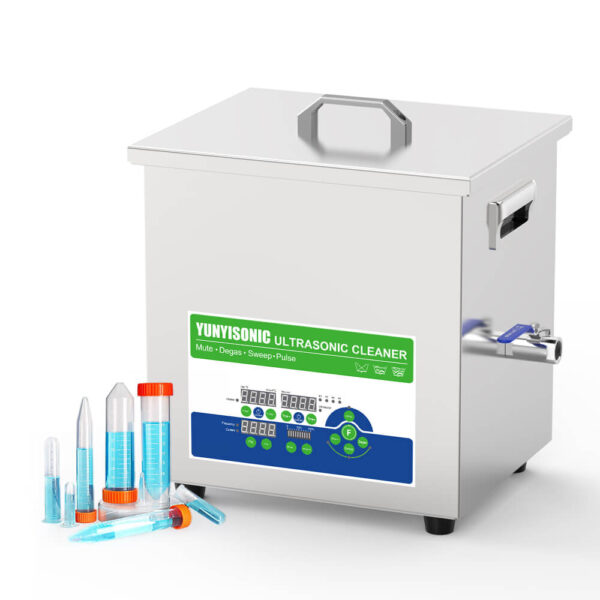
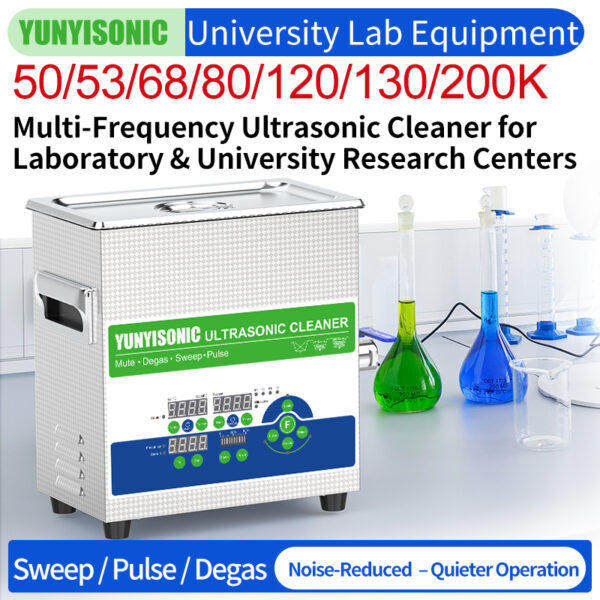
Most household ultrasonic cleaners operate at fixed frequency, typically 40 or 42 kHz. Professional jewelry cleaning equipment may offer multiple frequency options, with 40 kHz selected for general sterling silver cleaning. Some advanced units offer dual-frequency operation, such as 40/80 kHz or 35/70 kHz, allowing users to select appropriate intensity for different items. Units offering sweep frequency modes that vary operating frequency across a narrow range provide slightly more uniform cleaning by preventing standing wave patterns, though the improvement proves minimal for typical sterling items.
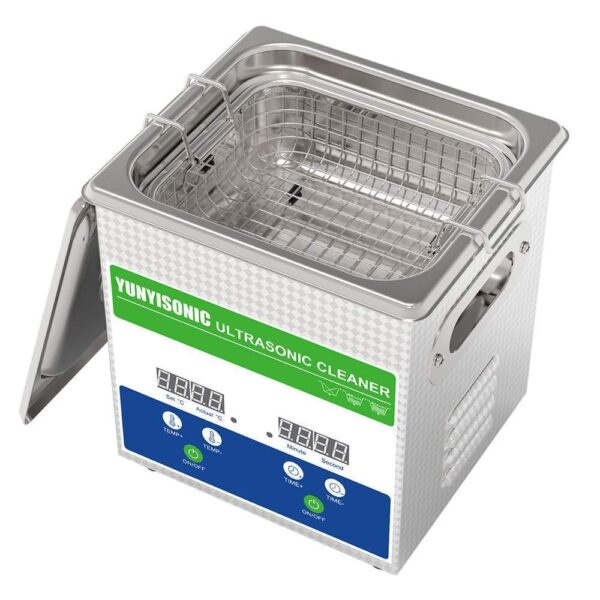
Power output affects cleaning intensity and determines optimal tank capacity. Household units typically range from 35-60 watts for tanks holding 400-800 milliliters. Larger capacity units of 1.5-3 liters require 100-180 watts for effective cleaning throughout the entire solution volume. Professional equipment serving jewelry stores or manufacturing operations may provide 250-600 watts distributed across tanks ranging from 3 to 10 liters or more.
Temperature and Duration Guidelines
Room temperature ultrasonic cleaning effectively removes light tarnish and surface contamination from sterling silver. Solutions at 20-25 degrees Celsius provide adequate cleaning for recently tarnished pieces and items cleaned regularly. The mechanical cleaning action from cavitation alone proves sufficient when chemical tarnish formation remains minimal.
Moderate heating to 40-50 degrees Celsius substantially improves cleaning effectiveness for heavily tarnished sterling. Elevated temperature accelerates chemical reactions, reduces solution viscosity, and enhances cavitation intensity. Tarnish removal that requires 8-10 minutes at room temperature may complete in 3-5 minutes at 45 degrees Celsius.
Temperature limits for sterling silver cleaning prove quite generous compared to many other materials. The metal itself tolerates temperatures well above those practical for ultrasonic cleaning solutions. The limiting factors involve gemstones, adhesives, and surface treatments rather than the sterling silver base material. Maintaining solution temperature below 55 degrees Celsius provides safety margin for most sterling pieces while delivering enhanced cleaning performance.
Cleaning duration depends on tarnish severity and piece complexity. Lightly tarnished simple pieces require 2-3 minutes of ultrasonic cleaning. Moderately tarnished items benefit from 4-6 minute cycles. Heavily tarnished sterling showing black discoloration may need 8-10 minutes. Extending cleaning beyond 10 minutes provides minimal additional benefit, as the most persistent tarnish has either been removed or requires chemical treatment beyond ultrasonic capability.
Step-by-Step Cleaning Process
Pre-cleaning inspection identifies potential issues before ultrasonic treatment begins. Visual examination under bright light reveals loose stones, damaged prongs, cracked solder joints, or construction defects. Testing stone security by gentle manipulation with fingertips or tweezers detects loose settings requiring repair before cleaning. Checking clasps, catches, and mechanical closures ensures all components function properly and show adequate strength to withstand vibration.
Solution preparation begins with filling the ultrasonic tank to the recommended operating level using distilled or deionized water. Adding cleaning concentrate according to manufacturer specifications creates appropriate dilution. Activating heaters on temperature-controlled units brings solution to target temperature, typically 40-45 degrees Celsius for optimal performance.
Positioning sterling items in the cleaning solution requires attention to spacing and orientation. Items should avoid contact with each other and with tank walls when possible. Contact points create cushioned zones where cavitation cannot occur, leaving those areas inadequately cleaned. Specialized jewelry cleaning baskets suspend items in the optimal cleaning zone while maintaining separation. For items without basket compatibility, placing pieces individually on the tank bottom with adequate spacing works effectively.
Starting the ultrasonic cycle initiates cavitation throughout the solution. The characteristic buzzing or humming sound indicates proper operation. During the cleaning cycle, tarnish visibly loosens and detaches from sterling surfaces. Solution gradually becomes cloudy as suspended contamination accumulates. Observing the cleaning progress through clear tank walls allows monitoring effectiveness and determining if additional time proves necessary.
Rinsing thoroughly after ultrasonic cleaning removes all cleaning solution residues. Running the sterling item under warm distilled or deionized water for 15-20 seconds ensures complete solution removal. Particular attention to recessed areas, chain links, and complex geometry prevents solution retention that could cause residue spotting during drying.
Post-Cleaning Care and Polishing
Drying sterling silver immediately after rinsing prevents water spot formation. Blotting excess water with clean, lint-free cloths removes bulk moisture. Air drying at room temperature completes the drying process, with adequate air circulation preventing moisture retention in complex areas.
Polishing after ultrasonic cleaning enhances luster and removes any remaining surface dulling. Since ultrasonic cleaning already removed tarnish, post-cleaning polishing requires minimal effort and uses the least aggressive polishing method. Silver polishing cloths treated with mild polishing compounds provide sufficient action for post-ultrasonic buffing. Light pressure and brief polishing time bring cleaned sterling to full luster without unnecessary metal removal.
For sterling pieces showing exceptionally heavy tarnish that ultrasonic cleaning alone cannot completely remove, chemical tarnish removers may supplement ultrasonic treatment. Applying chemical tarnish remover after ultrasonic cleaning addresses the most persistent discoloration, with the ultrasonic pre-cleaning having already removed the bulk of accumulated tarnish and facilitated chemical access to remaining deposits.
Storage conditions significantly affect how quickly cleaned sterling develops new tarnish. Anti-tarnish storage solutions including treated cloth pouches, anti-tarnish strips, and low-humidity storage containers substantially slow tarnish formation. Storing cleaned sterling silver in sealed plastic bags with anti-tarnish tabs maintains freshly cleaned appearance for months rather than weeks.
Common Mistakes That Damage Sterling Silver
Overcrowding the ultrasonic tank creates multiple problems. Excessive item quantity prevents adequate spacing, creating numerous contact points where cleaning cannot occur. The increased mass in the solution absorbs ultrasonic energy, reducing overall cleaning intensity. Contamination loosened from some pieces may redeposit on others in crowded conditions. Limiting cleaning loads to amounts allowing 10-15 millimeters minimum spacing between items optimizes results.
Using inappropriate cleaning solutions causes avoidable damage. Harsh chemicals including bleach, ammonia, and strong acids attack sterling silver aggressively. These substances create surface etching, preferential copper dissolution, or chemical compound formation that appears as discoloration or surface degradation. Restricting solutions to those specifically formulated for precious metals or mild pH-neutral alternatives prevents chemical damage.
Neglecting pre-cleaning inspection leads to avoidable losses. Ultrasonic cleaning dislodges stones from worn or damaged settings that visual inspection would identify. Pieces with fatigue cracks or weak solder joints may separate during ultrasonic vibration when pre-cleaning examination would reveal the vulnerability. Spending 30-60 seconds inspecting each item before cleaning prevents the majority of cleaning-related damage.
Extended cleaning duration beyond necessary time periods provides no benefit while consuming energy and potentially accelerating wear on sensitive components. Tarnish removal reaches practical completion within 10 minutes for any sterling piece responsive to ultrasonic cleaning. Running 20-30 minute cycles wastes time without improving results. Setting timers appropriately for tarnish level observed prevents unnecessary extended operation.
Insufficient rinsing after ultrasonic cleaning allows cleaning solution residues to remain on sterling surfaces. These residues contain tarnish-promoting compounds loosened during cleaning plus chemical constituents from the cleaning solution itself. As the residue dries, concentrated tarnish accelerators remain on the surface, causing rapid re-tarnishing. Thorough rinsing with abundant clean water eliminates this issue completely.
Alternative Cleaning Methods for Sensitive Pieces
Sterling silver items incompatible with ultrasonic cleaning require alternative maintenance approaches. Hand washing with mild soap and warm water provides the safest method for pieces containing soft gemstones, damaged components, or special finishes. Soft brushes access textured areas and recesses without the mechanical intensity of ultrasonic cavitation. This manual approach requires more time and effort but eliminates risks associated with ultrasonic treatment.
Chemical tarnish removal dips offer quick tarnish elimination for sterling pieces unsuitable for ultrasonic cleaning. These solutions dissolve tarnish through chemical reduction, converting silver sulfide back to metallic silver. The process requires only seconds of immersion, after which thorough rinsing removes treatment chemicals. However, chemical dips provide no mechanical cleaning action, leaving oils and dirt unaffected. The method works best for removing tarnish from otherwise clean sterling.
Electrolytic cleaning using aluminum foil and alkaline solution creates an electrochemical reaction that reduces tarnish. This traditional method requires no specialized equipment beyond a container, hot water, baking soda, and aluminum foil. The process effectively removes tarnish from complex shapes and hard-to-reach areas through chemical action rather than mechanical force. The method proves particularly valuable for large sterling items like trays or serving pieces that exceed ultrasonic cleaner capacity.
Professional jewelry cleaning services provide expert care for valuable, antique, or complex sterling pieces requiring specialized treatment. Professional jewelers assess each piece individually, selecting appropriate cleaning methods based on construction, condition, and materials. Access to specialized equipment and expertise makes professional cleaning the preferred option for irreplaceable heirloom pieces or items with significant monetary or sentimental value.
Regular maintenance reduces cleaning difficulty regardless of method selected. Sterling silver cleaned frequently before heavy tarnish develops requires only gentle treatment. Monthly or bimonthly cleaning prevents the tarnish accumulation that necessitates aggressive cleaning approaches. This proactive maintenance extends sterling longevity while minimizing the time and effort required for each cleaning session.