


No, fingers should not be placed in operating ultrasonic cleaners. While brief contact with low-power consumer units may cause only discomfort, it still poses risk of tissue damage. Industrial-strength equipment can cause pain and cellular injury within seconds. The practice offers no practical benefit and violates basic safety protocols established by manufacturers and occupational health organizations.
The primary hazard stems from cavitation, the same mechanism that enables effective cleaning. Microscopic bubbles forming and collapsing millions of times per second create mechanical forces capable of disrupting human tissue. Combined with heated solutions and chemical cleaners, these forces present multiple pathways to injury.
Understanding why this seemingly simple action carries risk requires examining the underlying physics and documented effects on biological tissue.
How Ultrasonic Cleaners Work
Ultrasonic cleaning technology relies on high-frequency sound waves to remove contamination from surfaces.
Cavitation Process Explained
The Principle Behind Ultrasonic Cleaning
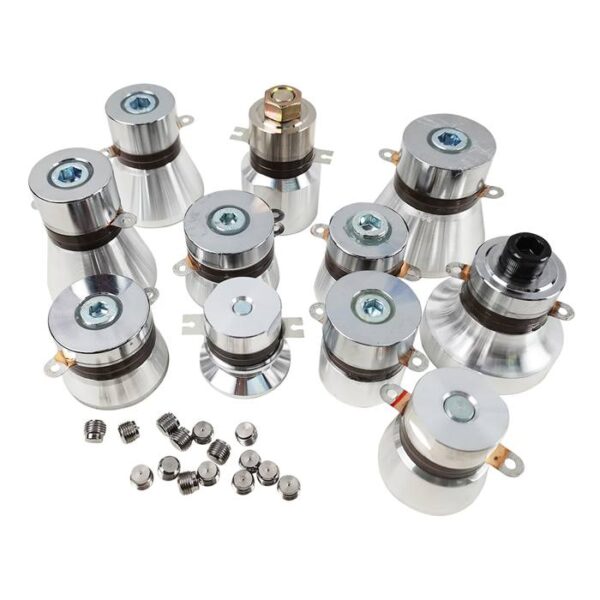
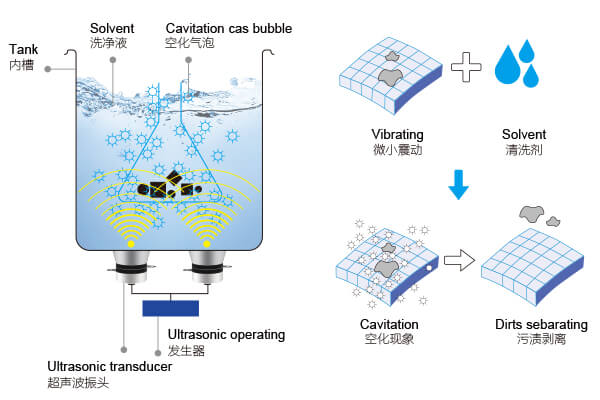
Ultrasonic transducers convert electrical energy into mechanical vibrations at frequencies between 20 and 400 kilohertz, far above the range of human hearing. These vibrations travel through the cleaning solution, creating alternating high and low pressure zones.
During low-pressure cycles, tiny bubbles form throughout the liquid. These cavitation bubbles grow rapidly over several acoustic cycles. When bubbles reach critical size, they collapse violently during high-pressure cycles.
Each bubble collapse generates extreme conditions in microscopic zones. Pressures reach several thousand atmospheres, and instantaneous temperatures spike to thousands of degrees Celsius. The collapse happens in nanoseconds, creating tiny shockwaves and microjets of liquid.
Millions of these microscopic implosions occur throughout the tank every second. When they happen near contaminated surfaces, the energy dislodges dirt, oils, and particles. This cleaning action operates at microscopic scale, reaching into crevices and complex geometries impossible to clean manually.
The same forces that remove stubborn contamination from metal and glass also affect softer materials, including human tissue.
Power and Frequency Basics
Equipment specifications determine cavitation intensity and therefore risk level.
Operating frequency affects bubble size and violence. Lower frequencies around 25 to 40 kilohertz produce larger bubbles that collapse more violently, creating aggressive cleaning action and stronger tissue impact. Higher frequencies above 80 kilohertz generate smaller, gentler bubbles but still maintain cleaning effectiveness and tissue damage potential.
Power density measured in watts per liter indicates how much ultrasonic energy fills the tank volume. Consumer units typically deliver 20 to 50 watts per liter. Professional equipment operates at 60 to 100 watts per liter. Industrial systems can exceed 150 watts per liter in specialized applications.
Higher power density creates more intense cavitation fields with greater bubble density and collapse energy. This translates directly to both improved cleaning performance and increased tissue damage risk.
What Happens to Skin During Contact
Human tissue responds to ultrasonic cavitation in measurable and potentially harmful ways.
Physical Effects of Cavitation Bubbles
Skin consists of multiple layers serving different protective and sensory functions. The outer epidermis provides mechanical barrier against environmental hazards. The underlying dermis contains nerve endings, blood vessels, hair follicles, and connective tissue. Deeper subcutaneous layers include fat and connective structures.
Cavitation bubbles collapsing near skin surface create repetitive microscopic impacts. Each individual collapse affects an area smaller than a single cell, but millions occur every second across the contact area. The cumulative effect resembles microscopic sandblasting or repeated micro-trauma.
Cellular membranes, the protective barriers surrounding each cell, can rupture under cavitation stress. This compromises cell integrity and triggers inflammatory responses. Blood vessels near the surface may also rupture, causing petechiae (pinpoint bleeding) or larger bruising.
Nerve endings throughout the skin register this mechanical disruption as pain or abnormal sensation. The density and sensitivity of nerves in fingertips make them particularly responsive to cavitation effects.
Unlike a single impact injury that heals in predictable fashion, repeated micro-trauma from continuous cavitation prevents normal healing responses during exposure. Damage accumulates faster than cellular repair mechanisms can compensate.
Immediate Sensations
Physical feelings during contact vary based on equipment power and individual sensitivity.
Low-power consumer units produce intense tingling or prickling sensation. Most people describe it as uncomfortable but not immediately painful. The feeling resembles “pins and needles” from reduced circulation but more intense and localized to the contact area.
Medium-power professional equipment creates stronger sensations that progress quickly from tingling to stinging or burning. The discomfort intensifies noticeably within two to three seconds, prompting instinctive withdrawal.
High-power industrial systems cause immediate sharp pain. Contact feels like electric shock or needle sticks. The sensation is intense enough that accidental contact results in immediate reflexive withdrawal.
Temperature significantly affects perception. Room-temperature solutions feel uncomfortable primarily from mechanical cavitation. Solutions at 50 to 60 degrees Celsius add thermal discomfort. Above 60 degrees, the heat alone approaches pain threshold, and combined with cavitation becomes intolerable within one to two seconds.
These sensations serve as warning signals indicating tissue stress and potential damage. Ignoring discomfort and maintaining contact allows progressive tissue injury.
Tissue Damage Mechanism
Several interconnected processes contribute to tissue damage during ultrasonic exposure.
Mechanical disruption occurs as shockwaves from bubble collapse physically tear cellular structures. Cell membranes lose integrity, allowing uncontrolled mixing of internal and external fluids. This disrupts normal cellular function and can trigger cell death if damage exceeds repair capacity.
Vascular damage happens when capillaries and small blood vessels rupture under cavitation stress. This causes localized bleeding into surrounding tissue, producing discoloration and swelling. More significantly, vascular disruption reduces oxygen and nutrient delivery to affected areas, slowing healing.
Inflammatory response follows as the immune system reacts to cellular damage. White blood cells migrate to the area, releasing chemical signals that cause redness, swelling, heat, and pain. While inflammation aids healing, excessive response can cause additional tissue damage.
Thermal effects compound mechanical damage when heated solutions are used. Localized heating at bubble collapse sites adds thermal stress to mechanical trauma. Even if bulk solution temperature remains moderate, microscopic thermal spikes contribute to protein denaturation and cellular dysfunction.
Chemical penetration accelerates when cavitation disrupts the skin’s barrier function. Cleaning chemicals that might cause minimal irritation during static contact penetrate more deeply when combined with cavitation, increasing chemical exposure to sensitive underlying tissues.
Damage severity correlates directly with exposure duration. Brief contact measured in seconds typically causes only temporary discomfort with microscopic tissue disruption that heals completely. Extended contact over tens of seconds to minutes produces progressively worse outcomes including visible tissue damage, prolonged healing times, and potential for permanent changes.
Key Risk Factors
Multiple variables determine whether contact produces minor discomfort or significant injury.
Equipment Power Level
Power output creates the fundamental difference between tolerable and dangerous exposure.
Consumer jewelry cleaners operating at 20 to 40 watts per liter represent the lowest risk category. Brief accidental contact typically causes only tingling sensation. Deliberate immersion for several seconds produces discomfort but rarely visible tissue damage. However, extended contact beyond 30 seconds can still cause measurable tissue trauma.
Professional bench units at 60 to 100 watts per liter present moderate to high risk. Contact produces noticeably stronger sensations and accelerates tissue damage timeline. What might require 60 seconds to cause visible damage in consumer units could occur in 20 seconds with professional equipment.
Industrial systems exceeding 100 watts per liter pose immediate danger. These units can cause painful tissue damage within seconds of contact. Many incorporate safety features like covers and interlocks specifically to prevent operator contact.
Power specifications on consumer products may not accurately reflect actual ultrasonic output. Advertised wattage often includes heating elements and control circuits. Actual ultrasonic power delivered to the solution may be only 60 to 80 percent of stated values.
Solution Temperature
Heat dramatically increases tissue damage risk and speed.
Room temperature (20 to 25 degrees Celsius) solutions present only mechanical cavitation hazard. Skin tolerates these temperatures indefinitely without thermal damage, making cavitation effects the sole concern.
Warm solutions (40 to 50 degrees Celsius) add moderate thermal stress. These temperatures cause no immediate harm to skin but combined with cavitation they accelerate tissue damage progression and intensify discomfort.
Hot solutions (60 degrees Celsius and above) approach the threshold for thermal burns even without cavitation present. Water at 60 degrees causes pain within seconds and can produce burns with sustained contact. Combined with cavitation, these temperatures create severe injury risk within very short timeframes.
Many ultrasonic cleaners heat solutions to optimize cleaning performance. Industrial applications commonly operate between 50 and 70 degrees Celsius. This temperature range significantly compounds cavitation hazards.
Chemical Solutions
Cleaning solutions introduce separate chemical hazard layer.
Alkaline detergents with pH levels above 10 can chemically burn skin tissue. Many industrial degreasers use strong alkaline formulations. Even brief exposure causes damage, and cavitation accelerates chemical penetration by disrupting the skin’s protective barrier.
Acidic cleaners for descaling and oxide removal present similar risks. Solutions below pH 4 damage proteins in skin tissue, causing chemical burns that worsen with exposure time.
Solvent-based cleaners may rapidly penetrate skin, carrying toxic substances into the bloodstream. Some industrial applications use aggressive solvents completely incompatible with skin contact regardless of cavitation presence.
Enzymatic cleaners used in medical applications can trigger allergic reactions or irritation. Repeated exposure increases sensitization risk over time.
Cavitation enhances chemical penetration rates significantly. Solutions that might cause only mild irritation during static immersion produce accelerated damage when cavitation disrupts the skin barrier and drives chemicals deeper into tissue.
Exposure Time
Duration determines whether contact produces temporary discomfort or lasting injury.
One to three seconds of contact with consumer equipment generally causes only temporary tingling that fades within minutes. Cellular damage occurs but remains below threshold for permanent tissue injury in most cases.
Five to ten seconds increases risk substantially. Visible skin reddening may appear, and altered sensation can persist for hours. Microscopic examination would reveal cellular disruption and inflammatory response.
Fifteen to thirty seconds of sustained contact creates clear tissue damage even with moderate-power equipment. Skin may show redness, swelling, and tenderness lasting for days.
Beyond thirty seconds, tissue injury becomes severe. Effects can resemble mild chemical or thermal burns with potential blistering, peeling, and extended healing periods measured in weeks.
Repeated brief exposures carry cumulative risk. Workers experiencing regular incidental contact report chronic skin irritation and increased sensitivity even when individual exposures last only seconds.
Consumer vs Industrial Equipment Differences
Risk assessment must account for dramatic performance variations between equipment classes.
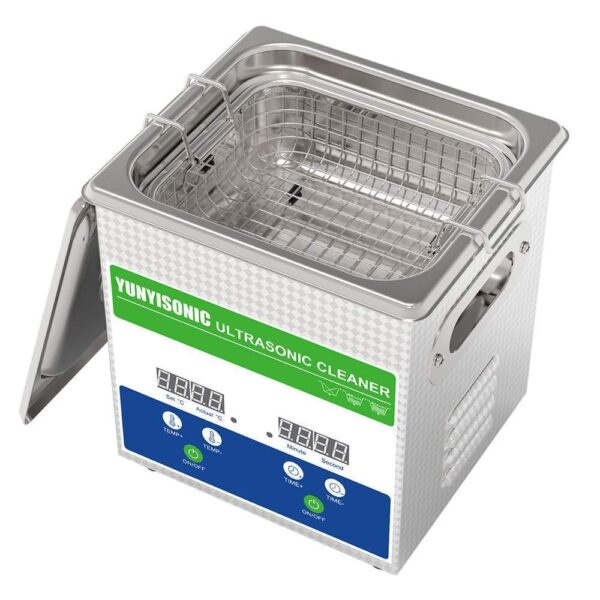
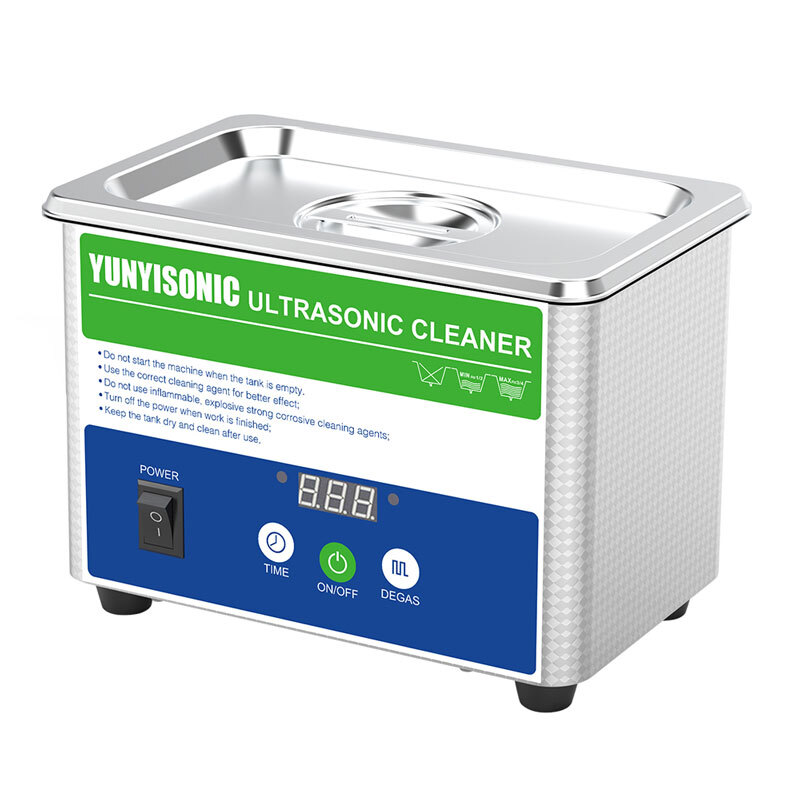
Consumer ultrasonic cleaners marketed for eyeglasses, jewelry, and small household items typically measure 400 to 800 milliliters capacity with 20 to 50 watts total power. Actual ultrasonic output often ranges from 15 to 35 watts. These specifications produce relatively gentle cavitation fields where brief contact causes discomfort but rarely immediate visible injury.
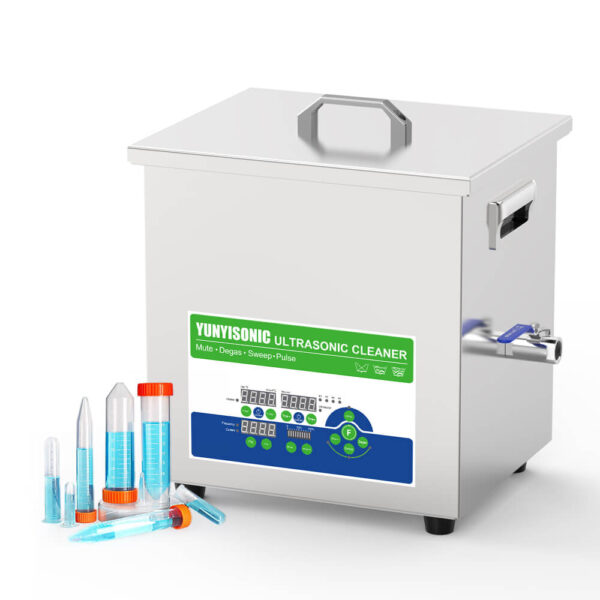
Professional bench-top equipment serves industries including medical device manufacturing, electronics assembly, and precision machining. These units feature 2 to 10 liter tanks with 100 to 400 watts ultrasonic power. Power density consistently exceeds 60 watts per liter, creating noticeably more aggressive cavitation. Brief contact produces strong discomfort, and extended exposure causes tissue damage within shorter timeframes.
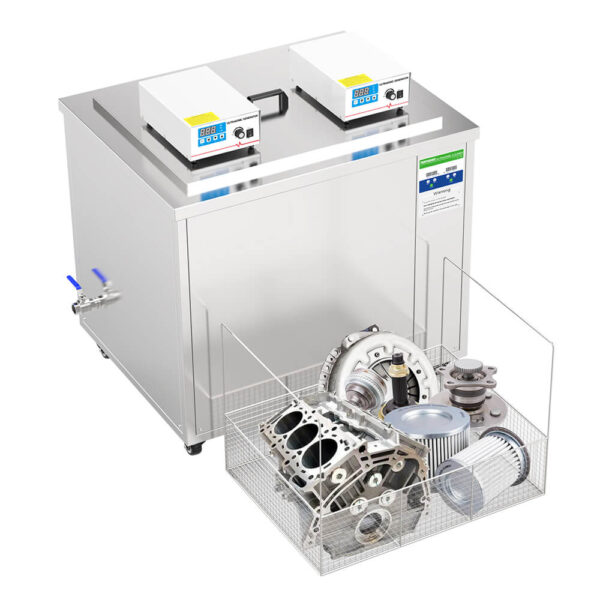
Industrial production systems operate at entirely different scale. Tank capacities from 50 to 200 liters accommodate large parts or batch processing. Total ultrasonic power may reach 5,000 to 15,000 watts. These installations create cavitation fields powerful enough to clean heavily contaminated industrial components but dangerous for any human contact.
The performance gap means that safety guidance for small consumer units does not translate to professional or industrial equipment. What might be merely uncomfortable with a jewelry cleaner could cause immediate painful injury with industrial equipment.
Medical device and aerospace manufacturers typically implement engineering controls including automated loading systems, tank covers, and interlocks that prevent operation when access panels are open. These industries recognize that power levels necessary for effective cleaning create unacceptable contact hazards.
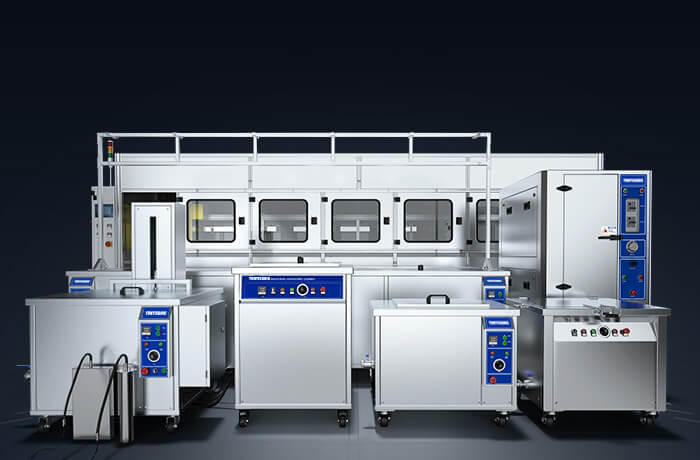
Large industrial ultrasonic cleaning machine