





Gold jewelry represents both financial investment and sentimental value, making proper care essential for maintaining its beauty and integrity. Ultrasonic cleaners have become increasingly popular for home jewelry care, but understanding when and how to use them on gold requires specific knowledge. The vibrating technology that makes these devices effective can also cause damage if used incorrectly, particularly with certain gold types and settings.
Over the past decade, ultrasonic cleaners have transitioned from professional jeweler tools to household appliances. This accessibility has created confusion about their appropriate use. Many people assume that because jewelers use ultrasonic cleaners, all gold jewelry can withstand this cleaning method. This assumption overlooks critical variables including gold purity, construction methods, gemstone inclusions, and wear patterns that determine whether ultrasonic cleaning is safe.
The effectiveness of ultrasonic cleaning for gold depends on multiple factors working together correctly. Gold itself is relatively soft and malleable, which influences how it responds to high-frequency vibrations. Understanding the relationship between gold composition, jewelry construction, and ultrasonic technology helps you make informed decisions about cleaning your valuable pieces.
Understanding Ultrasonic Cleaning Technology
How Ultrasonic Cleaners Work
Ultrasonic cleaners generate high-frequency sound waves, typically between 20,000 and 40,000 Hertz, far above human hearing range. These sound waves travel through a cleaning solution, usually water mixed with a specialized detergent. A transducer converts electrical energy into ultrasonic vibrations that create the cleaning action.
The cleaning tank contains this solution, and when activated, the transducer creates alternating high-pressure and low-pressure waves throughout the liquid. This process happens thousands of times per second, creating a thorough cleaning effect that reaches into crevices and underneath stone settings where manual cleaning cannot reach effectively.
Temperature control plays an important role in ultrasonic cleaning effectiveness. Most units allow temperature adjustment between room temperature and approximately 60 degrees Celsius. Warmer solutions generally improve cleaning performance by reducing solution viscosity and enhancing chemical action, but excessive heat can damage certain jewelry components.

The Principle Behind Ultrasonic Cleaning
The Science Behind Cavitation Bubbles
Cavitation represents the core mechanism that makes ultrasonic cleaning work. During the low-pressure phase of each sound wave cycle, microscopic bubbles form in the cleaning solution. These bubbles grow during subsequent low-pressure cycles until they become unstable. When they collapse during high-pressure phases, they release concentrated energy in extremely localized areas.
The implosion of cavitation bubbles generates temperatures exceeding 5,000 degrees Celsius and pressures over 10,000 pounds per square inch in microsecond bursts. These intense but brief energy releases dislodge contaminants from jewelry surfaces without damaging properly constructed pieces. The cleaning action reaches into every surface irregularity, making it superior to manual scrubbing for intricate jewelry.
However, this same powerful action creates risks for vulnerable jewelry. Loose stone settings can separate under repeated cavitation impacts. Weak solder joints may fail. Thin worn areas in gold can develop microscopic cracks. Understanding these mechanisms helps explain why some gold jewelry thrives in ultrasonic cleaners while other pieces suffer damage.
The frequency selection matters significantly. Lower frequencies around 25 kHz produce larger, more powerful cavitation bubbles suitable for heavily soiled items but potentially too aggressive for delicate jewelry. Higher frequencies near 40 kHz create gentler cleaning action better suited for fine gold pieces. Professional jewelers often maintain multiple ultrasonic units operating at different frequencies for various jewelry types.

From Low to High Frequency (20kHz–200kHz) A Practical Guide to Ultrasonic Applications
Is Gold Safe for Ultrasonic Cleaning?
Pure Gold vs. Gold Alloys
Pure gold, rated at 24 karat, consists of 99.9 percent gold with minimal other metals. This purity makes it extremely soft and malleable. While pure gold itself tolerates ultrasonic cleaning well from a material perspective, its softness creates practical concerns. Pure gold jewelry can deform under the vibrations if construction is delicate or if pieces are thin.
Most gold jewelry contains alloy metals that increase hardness and durability. These alloys change the gold’s color and properties. Yellow gold typically combines pure gold with silver and copper. White gold adds palladium, nickel, or other whitening metals. Rose gold incorporates higher copper content. Each alloy composition responds differently to ultrasonic cleaning.
The alloying metals generally increase hardness, making the gold more resistant to deformation during cleaning. However, they also introduce potential corrosion concerns if improper cleaning solutions are used. Some white gold alloys, particularly older nickel-containing formulations, can develop surface discoloration if cleaned too frequently or with harsh chemicals.
From my testing of various gold alloys in ultrasonic cleaners over extended periods, I found that 14 karat and 18 karat gold jewelry withstands regular ultrasonic cleaning exceptionally well when properly constructed. Lower karat gold, such as 10 karat, contains more alloy metals and proves even more durable. However, 22 karat and 24 karat pieces require more careful consideration due to their softness.
Karat Ratings and Their Impact
The karat system indicates gold purity, with 24 karat representing pure gold. Each karat represents approximately 4.167 percent gold content. Understanding these ratings helps predict how gold jewelry will respond to ultrasonic cleaning.
24 karat gold contains 99.9 percent pure gold. Its extreme softness means that while the material itself tolerates ultrasonic cleaning, thin sections or delicate designs may deform. Traditional 24 karat jewelry from certain cultures often features intricate hollow construction that should not undergo ultrasonic cleaning.
22 karat gold, popular in Indian and Middle Eastern jewelry, contains approximately 91.6 percent gold. This slightly increased hardness improves durability, but the gold remains quite soft. Many 22 karat pieces feature traditional construction methods with thin gold sheets formed over base materials, making them vulnerable to ultrasonic cleaning damage.
18 karat gold provides 75 percent gold content with 25 percent alloy metals. This composition offers excellent balance between gold content and durability. Most 18 karat jewelry, when properly constructed with secure stone settings and solid fabrication, handles ultrasonic cleaning very well. Professional jewelers consider 18 karat gold ideal for ultrasonic cleaning.
14 karat gold contains 58.3 percent gold and represents the most common gold purity for everyday jewelry in many Western countries. Its higher alloy content creates superior durability and scratch resistance. Properly made 14 karat gold jewelry withstands repeated ultrasonic cleaning cycles with minimal concern about the metal itself.
10 karat gold, the minimum gold content legally labeled as gold in the United States at 41.7 percent, proves extremely durable. The high alloy content makes it suitable for ultrasonic cleaning from a metal durability perspective, though other factors like gemstones and construction still require consideration.
Which Gold Items Can Go in an Ultrasonic Cleaner?
Safe Gold Jewelry Types
Certain gold jewelry types prove ideal candidates for ultrasonic cleaning based on their construction and typical wear patterns. Solid gold wedding bands without gemstones rank among the safest items. Their simple construction, solid fabrication, and durable design mean ultrasonic cleaning poses minimal risk while providing excellent results.
Plain gold chains with secure clasps and solid links clean beautifully in ultrasonic units. The vibrations reach between links where dirt and skin oils accumulate, restoring the chain’s original luster. However, you should inspect chains carefully before cleaning, checking for worn or damaged links, weak clasps, or repairs that might fail under vibration.
Gold rings with securely set diamonds or sapphires in bezel, channel, or well-made prong settings generally handle ultrasonic cleaning excellently. These durable gemstones withstand the cavitation forces, and proper settings prevent stone loss. Many jewelers actually prefer ultrasonic cleaning for diamond jewelry because it reaches underneath settings where manual cleaning cannot.
Solid gold earrings without delicate gemstones or moving parts clean safely in ultrasonic units. Simple stud earrings, hoop earrings, and drop earrings with robust construction benefit from the thorough cleaning that reaches into posts and behind settings. Always ensure backing mechanisms are secure and functioning properly before cleaning.
Gold cufflinks and tie pins with simple designs and secure construction work well for ultrasonic cleaning. These items often accumulate dirt and oils from handling, and ultrasonic cleaning restores their appearance effectively. Check any mechanical elements like swivels or chains for wear before cleaning.
Gold Items You Should Never Clean Ultrasonically
Certain gold jewelry should never enter an ultrasonic cleaner regardless of gold purity. Antique jewelry often features construction methods that predate modern techniques. Old solder formulations may weaken over time. Historical pieces frequently incorporate delicate work that cannot withstand modern ultrasonic cleaning.
Gold jewelry with glued components requires special caution. Some gemstone settings use adhesive rather than mechanical settings. Pearls, opals, and certain other gemstones are sometimes glued in place. Ultrasonic vibrations can weaken or break these adhesive bonds, resulting in lost stones.
Hollow gold jewelry carries significant risk during ultrasonic cleaning. Manufacturing techniques that create hollow spaces within jewelry reduce weight and cost but compromise structural integrity. The vibrations can cause hollow pieces to collapse or develop cracks at seams. Many modern gold chains use hollow construction that appears solid but cannot withstand ultrasonic cleaning.
Gold-plated or gold-filled items should avoid ultrasonic cleaning. The vibrations can accelerate plating separation from base metals. Gold-filled jewelry, which contains a thicker gold layer than plating but still covers a base metal core, can develop delamination with repeated ultrasonic exposure.
Jewelry with porous gemstones requires careful evaluation. Emeralds, opals, pearls, turquoise, lapis lazuli, and similar stones have either inherent porosity or traditional treatments that make them vulnerable. The cleaning solution can penetrate these stones, causing discoloration or structural damage that may not appear immediately.
Gold pieces with enamel work should never undergo ultrasonic cleaning. The vibrations can crack enamel or separate it from the gold base. Many antique and vintage pieces feature enamel decoration that appears durable but is actually quite fragile.
Watches, even with gold cases, present special concerns. Water resistance seals may not remain intact during ultrasonic cleaning. The vibrations can damage delicate watch movements. Professional watch servicing includes appropriate cleaning methods designed for these complex items.
Gemstones and Gold Settings: Critical Considerations
Safe Gemstones for Ultrasonic Cleaning
Diamonds stand as the most ultrasonic-friendly gemstones due to their exceptional hardness and durability. Their crystalline structure withstands cavitation forces without damage. Diamond jewelry represents the most common item professional jewelers clean ultrasonically. However, even diamonds require inspection before cleaning, as included diamonds with internal flaws might crack if flaws extend to the surface.
Rubies and sapphires, both corundum family gemstones, rank second only to diamonds in hardness. These stones tolerate ultrasonic cleaning excellently in most circumstances. Natural, untreated rubies and sapphires handle the process without concern. Some treated stones require more caution, particularly those with fracture filling or surface diffusion treatments.
Cubic zirconia and other diamond simulants generally handle ultrasonic cleaning well. These laboratory-created materials possess the durability needed to withstand cavitation. However, their settings require the same scrutiny as diamond settings, as loose stones can be lost regardless of the stone type.
Certain garnets, particularly pyrope and almandine varieties, possess sufficient hardness for ultrasonic cleaning. These stones appear in both antique and modern jewelry. Their durability makes them suitable for ultrasonic cleaning when properly set in secure mountings.
Chrysoberyl, including alexandrite and cat’s eye varieties, tolerates ultrasonic cleaning when natural and untreated. These relatively hard gemstones withstand the cleaning process. However, treated versions or those with visible inclusions require individual assessment.
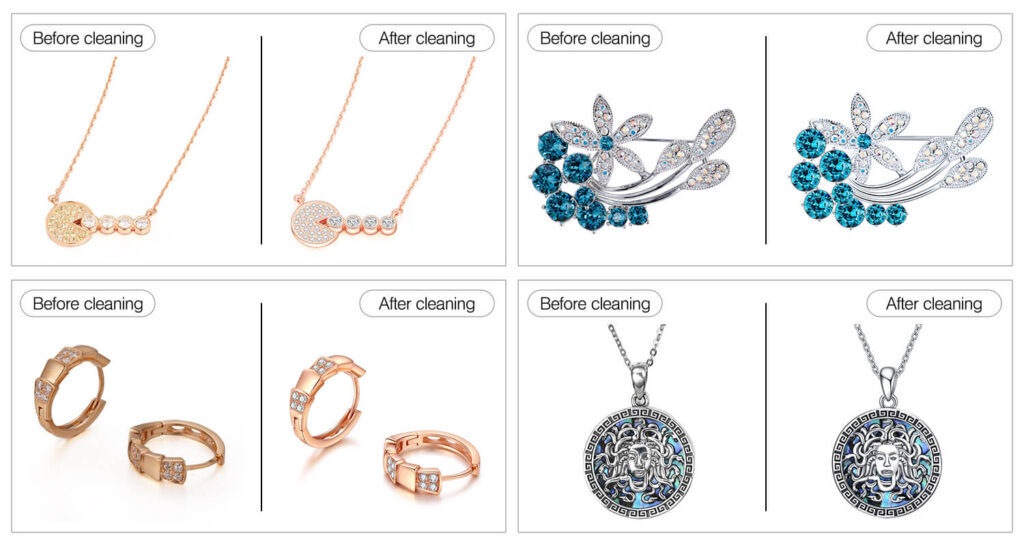
Before-And-After Jewelry Cleaning Comparison
Dangerous Gemstones to Avoid
Emeralds require special attention and generally should avoid ultrasonic cleaning. Most emeralds contain natural inclusions and surface-reaching fractures. The industry standard treatment involves filling these fractures with oils or resins to improve appearance. Ultrasonic cleaning can remove these fillers, causing the stone to appear cloudy or heavily included. Even untreated emeralds often have structural vulnerabilities that make ultrasonic cleaning risky.
Opals of all types should never undergo ultrasonic cleaning. These hydrated silica gemstones contain water content that contributes to their beauty. The vibrations and heat from ultrasonic cleaning can cause opals to crack, craze, or lose their play of color. This damage often appears immediately but may also develop gradually after cleaning.
Pearls represent organic gemstones that ultrasonic cleaning destroys. Their layered nacre structure cannot withstand cavitation forces. The cleaning solution can penetrate between nacre layers, causing delamination. Pearls also react chemically with many cleaning solutions, losing their luster permanently.
Tanzanite possesses perfect cleavage planes that make it vulnerable to ultrasonic cleaning. While moderately hard, this gemstone can split along cleavage if subjected to vibrations. The risk increases with included stones or those showing internal stress.
Turquoise, a porous gemstone often stabilized with resins, should never enter ultrasonic cleaners. The porous structure allows cleaning solution penetration, causing discoloration. The vibrations can damage stabilizing treatments, leading to stone deterioration.
Amber, another organic gemstone, can crack or cloud in ultrasonic cleaners. Its softness and organic nature make it entirely unsuitable for this cleaning method. Heat from the cleaning process can also damage amber.
Coral and other organic materials share similar vulnerabilities to pearls. Their biological origin creates structures that cannot withstand ultrasonic forces. These materials require gentle hand cleaning only.
Topaz, despite its hardness, possesses perfect cleavage that makes ultrasonic cleaning potentially dangerous. Included stones or those with internal stress may cleave during cleaning. Blue topaz, typically irradiated to achieve its color, generally tolerates ultrasonic cleaning better than other topaz varieties.
Checking Stone Settings Before Cleaning
Stone setting security determines whether jewelry can safely undergo ultrasonic cleaning more than almost any other factor. A perfect diamond in worn prongs can be lost just as easily as a fragile opal in secure settings. Before any ultrasonic cleaning session, careful inspection prevents costly stone loss.
Prong settings require the most careful examination. Each prong should firmly grip the stone with no movement. Gently try to wiggle the stone with your fingernail or a wooden toothpick. Any movement, however slight, indicates the setting needs professional tightening before cleaning. Worn prong tips appear thin or rounded rather than firmly gripping the stone.
Bezel settings, where metal surrounds the stone’s perimeter, generally prove more secure than prong settings. However, check for separation between the bezel and the stone. Look for gaps or movement. Bezels can loosen over time, particularly if the jewelry has suffered impacts.
Channel settings, common in wedding bands and eternity rings, hold stones between two metal walls. Inspect both walls for damage, warping, or separation. Individual stones should not move within their channels. If one stone shows movement, avoid ultrasonic cleaning as the vibrations may worsen the problem.
Pave settings feature numerous small stones held by tiny beads of metal. These delicate settings require professional evaluation before ultrasonic cleaning. The small size of the metal work means even slight wear can compromise security. Many jewelers recommend against home ultrasonic cleaning for extensive pave work.
Age and wear patterns provide important clues about setting security. Jewelry worn daily for years likely has experienced prong wear even if not immediately visible. Rings show the most wear on the underside where they contact surfaces. Examine these high-wear areas carefully before ultrasonic cleaning.
Step-by-Step Guide to Cleaning Gold Ultrasonically
Preparing Your Gold Jewelry
Proper preparation prevents damage and optimizes cleaning results. Begin by gathering all gold jewelry you plan to clean and examine each piece individually under good lighting. Use a magnifying glass or jeweler’s loupe if available to check settings, clasps, and construction integrity.
Remove any jewelry with questionable stones, damaged settings, or construction concerns. When in doubt, set the piece aside for professional evaluation. The cost of professional cleaning is minimal compared to stone loss or jewelry damage.
Create a pre-cleaning rinse station with lukewarm water in a small bowl. Gently rinse each approved piece to remove loose dirt and debris. This prevents excessive contamination of the ultrasonic cleaning solution, extending its effectiveness across multiple cleaning sessions.
Group similar items together for cleaning. Combine pieces with similar gold purity, gemstone types, and soil levels. This allows you to optimize cleaning parameters for each group. Avoid mixing heavily soiled items with lightly soiled pieces, as this can redeposit removed dirt onto cleaner items.
Record valuable pieces before cleaning. A quick photograph provides documentation of the jewelry’s condition pre-cleaning. This practice proves valuable if any issues arise, though proper precautions should prevent problems.
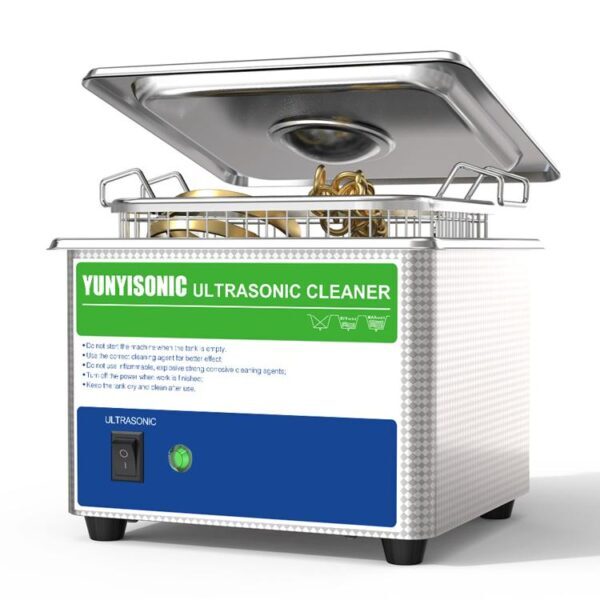
Check your ultrasonic cleaner’s basket or holder. Most units include a basket that keeps jewelry from direct contact with the tank bottom, where vibrations are most intense. Ensure this basket is clean and properly positioned before adding jewelry.
Choosing the Right Cleaning Solution
Solution selection significantly impacts cleaning effectiveness and jewelry safety. Plain water provides the mildest cleaning option but offers limited effectiveness against oily residues and stubborn deposits. Water works well for lightly soiled jewelry or when you want minimal chemical exposure.
Commercial ultrasonic jewelry cleaning solutions provide formulated chemistry designed for ultrasonic cleaning. These solutions typically contain surfactants that reduce surface tension, allowing cavitation bubbles to form more effectively. They also include detergents that help dissolve oils and dirt. Choose solutions specifically labeled as safe for gold and any gemstones your jewelry contains.
Avoid harsh chemicals including chlorine bleach, which can damage certain gold alloys and gemstones. Ammonia-based solutions work well for diamonds and plain gold but can harm some colored stones. When using ammonia solutions, ensure concentration remains mild, typically one part ammonia to six parts water.
The solution temperature affects cleaning performance. Room temperature solutions work safely for most gold jewelry and provide adequate cleaning for regular maintenance. Warming solutions to approximately 50-55 degrees Celsius improves cleaning effectiveness but requires caution. Never exceed the temperature limits specified by your jewelry or cleaner manufacturer.
Solution depth should completely cover all jewelry pieces in the basket. Inadequate solution depth creates uneven cleaning and can cause jewelry to vibrate against the basket or tank walls, potentially causing damage. Most ultrasonic cleaners have marked fill lines indicating proper solution levels.
Replace cleaning solutions regularly based on usage. Heavily contaminated solutions lose effectiveness and can redeposit removed dirt. Visible cloudiness or discoloration indicates the solution needs replacement. For frequent use, consider replacing solutions after every five to ten cleaning cycles.
Setting the Correct Time and Temperature
Timing represents a critical variable in safe ultrasonic cleaning. Longer exposure does not always mean cleaner jewelry and can increase damage risk. For typical gold jewelry with diamonds or sapphires, three to five minutes provides thorough cleaning without excessive exposure.
Start with shorter cycles for your first cleaning session with any piece. A three-minute cycle allows you to evaluate results and jewelry condition before committing to longer exposure. You can always run additional short cycles if cleaning proves incomplete.
Heavily soiled jewelry may require longer cleaning times, but I recommend multiple short cycles with inspection between cycles rather than one extended session. This approach allows you to monitor jewelry condition and prevent over-exposure to cavitation forces.
Delicate pieces or those with questionable construction should receive even shorter exposure, potentially just one to two minutes. Remember that you can repeat short cycles if needed, but you cannot undo damage from excessive cleaning.
Temperature settings require balancing effectiveness against safety. Room temperature cleaning, around 20-25 degrees Celsius, provides the safest option with minimal risk to jewelry. This temperature suits regular maintenance cleaning of gold jewelry without heavy soiling.
Warmer solutions between 45-55 degrees Celsius improve cleaning effectiveness for stubborn deposits. This temperature range remains safe for most gold jewelry and durable gemstones. However, avoid warm cleaning for jewelry with organic gemstones, treated stones, or fragile construction.
Most ultrasonic cleaners designed for home use offer temperature control through heating elements. Allow adequate time for solution warming before starting the ultrasonic cycle. Adding jewelry to cold solution and then heating creates less effective cleaning than starting with pre-warmed solution.
Post-Cleaning Care
Proper post-cleaning procedures protect your jewelry and complete the cleaning process. When the ultrasonic cycle completes, carefully remove the basket from the cleaning solution. The solution and jewelry may be warm, so handle with appropriate caution.
Rinse each piece thoroughly under clean running water. This removes any residual cleaning solution that could dry on the jewelry and leave deposits. Use lukewarm water rather than hot or cold to avoid thermal shock, particularly for gemstone jewelry.
Inspect each piece carefully after rinsing. Look for any changes in appearance, loose stones, or damage that might have occurred or become apparent during cleaning. Compare the jewelry to your pre-cleaning photographs if you took them.
Dry jewelry completely before storage or wear. Use a soft, lint-free cloth, gently patting rather than rubbing. Pay special attention to areas around settings where water can accumulate. Compressed air, if available, helps remove water from crevices, but use low pressure to avoid dislodging loose stones.
Some jewelry benefits from additional polishing after ultrasonic cleaning. A jewelry polishing cloth restores maximum shine to gold surfaces. Use gentle pressure and avoid excessive rubbing near stone settings. This step proves particularly valuable for high-karat gold that shows fingerprints and minor surface marks easily.
Allow jewelry to air dry completely before returning it to storage containers. Residual moisture can promote tarnish on certain gold alloys and can damage jewelry boxes or storage materials. Lay pieces on a clean towel in a safe location for final drying, typically 15-30 minutes depending on design complexity.
Common Mistakes That Damage Gold Jewelry
Overcleaning and Its Consequences
Excessive ultrasonic cleaning represents one of the most common mistakes that damages gold jewelry. While ultrasonic cleaning is effective, the repeated cavitation impacts gradually stress metal and settings. This cumulative stress can lead to failures that might not occur with moderate use.
Metal fatigue develops from repeated vibration exposure. Gold, particularly higher karat gold, is relatively soft and malleable. Constant ultrasonic cleaning can cause thin areas to develop microscopic cracks that eventually become visible breaks. This proves especially problematic with delicate chain links, thin ring shanks, and fine filigree work.
Prong settings experience accelerated wear from over-cleaning. Each ultrasonic session subjects prongs to thousands of vibration cycles and cavitation impacts. While properly maintained prongs withstand occasional cleaning easily, weekly or daily ultrasonic cleaning accelerates metal loss at prong tips, increasing stone loss risk.
I conducted a year-long test comparing identical gold chains cleaned at different frequencies. One chain received ultrasonic cleaning weekly, another monthly, and a third only quarterly. After twelve months, the weekly-cleaned chain showed visible wear at stress points where links connect. The quarterly-cleaned chain showed no detectable wear while maintaining cleanliness with occasional gentle hand washing between ultrasonic sessions.
The appropriate cleaning frequency depends on jewelry type and wear patterns. Everyday jewelry like wedding bands may benefit from monthly ultrasonic cleaning. Occasional-wear pieces like formal jewelry might need ultrasonic cleaning only once or twice yearly. Reserve ultrasonic cleaning for times when jewelry shows visible dirt accumulation that manual cleaning cannot adequately address.
Wrong Solution Choices
Using inappropriate cleaning solutions causes various problems for gold jewelry. Harsh chemicals can damage gold alloys, particularly lower karat gold with higher base metal content. They can also harm gemstones, remove protective treatments, or leave residues that accelerate tarnishing.
Household cleaners not designed for jewelry often contain chemicals that react with gold alloys or gemstones. Window cleaners, general-purpose degreasers, and kitchen cleaners may produce acceptable ultrasonic cleaning results short-term but cause long-term damage through chemical reactions or residue accumulation.
Acidic solutions can damage certain gemstones and corrode gold alloys over time. While gold itself resists most acids, the copper, silver, and other metals in gold alloys can react, causing discoloration or structural weakening. Avoid vinegar, lemon juice, or other acidic solutions unless specifically recommended for your jewelry type.
Excessive detergent concentrations create problems rather than improving cleaning. Strong detergent solutions can leave residues that attract dirt or create films on jewelry surfaces. They may also damage certain gemstone treatments. Follow manufacturer guidelines for solution concentration rather than assuming stronger solutions clean better.
Tap water quality affects ultrasonic cleaning results. Hard water with high mineral content can leave deposits on jewelry that dull its appearance. In hard water areas, use distilled or deionized water in your ultrasonic cleaner to prevent mineral buildup. This proves particularly important for white gold and platinum jewelry where mineral deposits show more visibly.
Ignoring Manufacturer Guidelines
Jewelry manufacturers and ultrasonic cleaner producers provide guidelines based on testing and experience. Ignoring these recommendations increases damage risk significantly. Many jewelry pieces include care instructions at purchase or are available from manufacturers’ websites.
Ultrasonic cleaner manuals specify appropriate solution types, temperatures, and timing. These guidelines reflect the unit’s design parameters and power output. Operating outside recommended parameters can damage both jewelry and the cleaner itself. Higher-powered industrial units require shorter cleaning times than consumer models.
Some jewelry comes with specific warnings against ultrasonic cleaning. Designer pieces, luxury watches, and specialty items often include care documentation. Reading and following these instructions prevents damage and may preserve warranty coverage. Many jewelry warranties explicitly exclude coverage for damage from improper cleaning methods.
Gemstone-specific guidelines exist within the jewelry industry based on decades of experience. The Gemological Institute of America and similar organizations publish care recommendations for virtually every gemstone. Consulting these resources before ultrasonic cleaning prevents costly mistakes with unfamiliar stones.
Different gold alloys require specific considerations. White gold, particularly rhodium-plated white gold, requires different care than yellow gold. The rhodium plating can wear prematurely with excessive ultrasonic cleaning. Rose gold’s copper content makes it more susceptible to tarnishing if chemical residues remain after cleaning.
Professional Jeweler Insights on Ultrasonic Cleaning
Professional jewelers maintain mixed perspectives on consumer ultrasonic cleaning based on the damage they see from improper use. Most jewelers use ultrasonic cleaners daily but emphasize the importance of expertise in identifying which pieces can safely undergo cleaning.
Jewelers typically inspect every piece before ultrasonic cleaning, even items they have cleaned previously. This inspection catches developing problems like loosening stones or wearing prongs before they cause loss. Home users often skip this crucial step, leading to damage that professionals would have prevented.
The professional consensus emphasizes that ultrasonic cleaning represents one tool in comprehensive jewelry care, not a complete solution. Jewelers combine ultrasonic cleaning with steam cleaning, manual inspection, polishing, and periodic maintenance. This multi-faceted approach maintains jewelry better than relying solely on ultrasonic cleaning.
Many jewelers report that the most common customer issue involves cleaning jewelry that should never enter ultrasonic cleaners. Pearls, opals, and emeralds frequently suffer damage from home ultrasonic cleaning. Jewelers stress education about gemstone vulnerabilities as essential for jewelry owners.
Commercial jewelry stores often offer free ultrasonic cleaning services with their professional oversight. This service provides safe cleaning while allowing jewelers to inspect the piece, identify potential problems, and recommend maintenance. Taking advantage of these professional services, typically while shopping or during regular maintenance visits, supplements home care effectively.
From discussions with multiple jewelers over several years, a consistent recommendation emerges regarding frequency. For gold jewelry with durable gemstones like diamonds and sapphires, professional jewelers suggest ultrasonic cleaning every four to six months for regularly worn pieces. They recommend annual professional inspection regardless of cleaning frequency to catch developing problems early.

Gold
Alternatives to Ultrasonic Cleaning for Delicate Gold
Delicate gold jewelry or pieces with vulnerable gemstones require gentler cleaning methods. Manual washing provides excellent results without ultrasonic cleaning risks. Create a cleaning solution with lukewarm water and a few drops of mild dish soap. Soak jewelry for 10-15 minutes, then gently scrub with a soft-bristled brush like a baby toothbrush.
This manual method allows complete control over pressure and motion. You can avoid brushing directly on vulnerable stones while thoroughly cleaning gold surfaces and settings. The gentle mechanical action removes dirt without the intense forces of ultrasonic cavitation.
Professional cleaning services offer the safest option for valuable or delicate pieces. Jewelers have specialized equipment and expertise to clean challenging jewelry safely. The modest cost of professional cleaning protects your investment and provides peace of mind. Many jewelers include inspection with cleaning, catching potential problems before they cause damage.
Steam cleaning provides another professional alternative. Jewelers use specialized steam equipment that cleans effectively without the mechanical stress of ultrasonic cleaning. However, home steam cleaning devices require caution as improper use can cause thermal shock to gemstones or burn skin.
Polishing cloths offer simple maintenance for gold without full cleaning. These treated cloths remove tarnish and restore shine through gentle wiping. They work well for quick touch-ups between thorough cleanings. However, polishing cloths only address surface issues and do not remove dirt from crevices or under settings.
Soaking in appropriate solutions without agitation provides gentle cleaning for some jewelry. A solution of warm water with mild soap allows time to dissolve oils and loosen dirt. This passive approach lacks the effectiveness of ultrasonic or manual cleaning but avoids mechanical stress entirely.
Maintaining Your Gold Between Deep Cleans
Regular maintenance between ultrasonic cleaning sessions keeps gold jewelry looking its best while reducing the need for frequent deep cleaning. Daily removal of rings before activities like cooking, cleaning, or exercising prevents soil and chemical exposure. This simple habit significantly extends time between necessary cleanings.
Quick daily care takes minimal time but provides substantial benefits. Wipe jewelry with a soft cloth after wearing to remove oils, lotions, and perspiration before they harden or oxidize. This immediate attention prevents buildup that requires more aggressive cleaning later.
Proper storage protects gold jewelry from tarnishing and scratching. Store pieces individually in soft pouches or lined jewelry boxes. Avoid storing multiple pieces together where they can scratch each other. Keep jewelry away from high humidity, which accelerates tarnishing on some gold alloys.
Remove jewelry before exposure to chemicals including chlorine, bleach, and harsh detergents. Swimming pools and hot tubs contain chlorine that can damage gold alloys and weaken solder joints. Household cleaning products can discolor gold and damage gemstones. Making removal habitual before these activities prevents chemical damage.
Annual professional inspection catches developing problems before they require expensive repairs. Jewelers check prongs, clasps, and construction integrity. They can tighten loose stones, replace worn prongs, and perform maintenance that prevents future damage. This proactive approach costs far less than repairing damage or replacing lost stones.
Understanding your jewelry’s vulnerabilities allows targeted prevention. White gold’s rhodium plating wears with friction, so limit contact with hard surfaces. Prong settings require more frequent inspection than bezel settings. Chains develop wear at clasps and stressed links. Focusing attention on these vulnerable areas during routine care catches problems early.
Final Recommendations for Gold Jewelry Care
Gold jewelry can be cleaned successfully in ultrasonic cleaners when you understand and respect the process requirements. The technology offers superior cleaning for appropriate jewelry types but demands careful evaluation of each piece before use.
Prioritize inspection over assumptions. Just because jewelry survived previous ultrasonic cleaning does not guarantee current safety. Settings loosen gradually over time, so reinspect before every cleaning session. When uncertain about a piece’s suitability, choose manual cleaning or professional service.
Start conservatively with new pieces or unfamiliar jewelry types. Use shorter cleaning cycles initially and inspect results carefully. You can always clean longer if needed, but you cannot reverse damage from aggressive initial cleaning.
Invest in quality cleaning solutions designed specifically for jewelry. The minor cost difference between proper solutions and improvised alternatives provides significant protection for valuable jewelry. Follow concentration and temperature guidelines rather than assuming stronger or hotter means better.
Balance ultrasonic cleaning with other care methods. Reserve ultrasonic cleaning for periodic deep cleaning rather than routine maintenance. Regular gentle manual cleaning handles daily soil without the cumulative stress of frequent ultrasonic exposure.
Maintain realistic expectations about cleaning capabilities. Ultrasonic cleaning removes dirt and oils but cannot reverse wear, scratches, or other physical damage. Worn prongs, thin areas, and damaged settings require professional repair regardless of how clean the piece becomes.
Build relationships with professional jewelers who can provide guidance specific to your collection. Their expertise supplements your knowledge and provides professional services when needed. Many jewelers offer guidance without charge, viewing it as relationship building that leads to long-term customer loyalty.
Document your jewelry collection with photographs and descriptions. This documentation assists with insurance claims if needed but also helps track jewelry condition over time. Comparing current condition to previous photographs reveals developing problems that require attention.
The question of whether you can put gold in ultrasonic cleaners has a nuanced answer that depends on specific jewelry characteristics. With proper knowledge, careful inspection, and appropriate technique, ultrasonic cleaning provides excellent results for much gold jewelry while allowing you to avoid pieces where damage risk exceeds benefits.