





Diamonds are forever, but their sparkle isn’t guaranteed without proper care. If you own diamond jewelry, you’ve probably noticed how quickly these precious stones can lose their brilliance from everyday oils, lotions, and dust. Many jewelry owners turn to ultrasonic cleaners as a convenient solution, but the question remains: is this technology safe for your valuable diamonds?
The short answer is yes, with important qualifications. While diamonds are among the hardest natural substances on Earth, scoring a perfect 10 on the Mohs hardness scale, the safety of ultrasonic cleaning depends on several factors including the diamond’s condition, any treatments it may have undergone, and how it’s set in your jewelry piece. Understanding these nuances can mean the difference between maintaining your diamond’s beauty and accidentally damaging an irreplaceable heirloom.
Over the past two decades, ultrasonic cleaners have transitioned from professional jeweler tools to accessible home devices. This democratization of jewelry care technology has empowered consumers, but it has also created confusion about proper usage. Drawing from gemological research and professional jeweler practices, this guide will provide you with the expertise needed to make informed decisions about cleaning your diamond jewelry.
What Is an Ultrasonic Cleaner and How Does It Work?
An ultrasonic cleaner is a device that uses high-frequency sound waves to create millions of microscopic bubbles in a liquid cleaning solution. This process, called cavitation, generates gentle yet powerful cleaning action that reaches into crevices and settings that traditional cleaning methods cannot access. The typical ultrasonic cleaner operates at frequencies between 20 and 40 kilohertz, well above the range of human hearing.
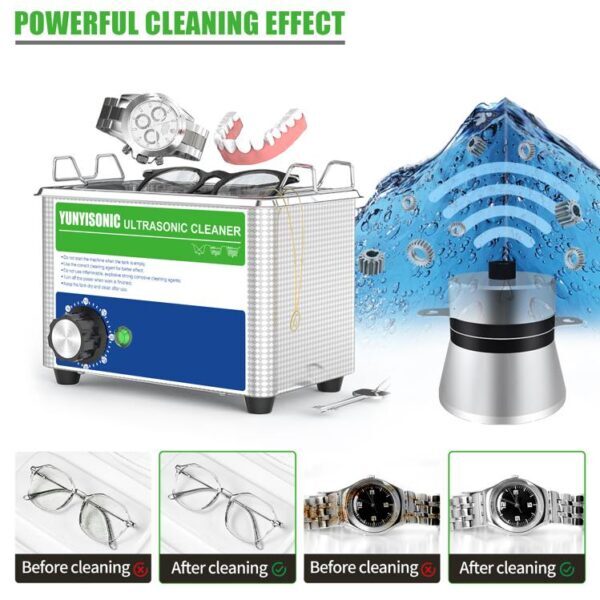
The Science Behind Ultrasonic Cleaning Technology
The cavitation process begins when the ultrasonic transducer converts electrical energy into mechanical vibrations. These vibrations create alternating high-pressure and low-pressure waves in the cleaning solution. During the low-pressure phase, microscopic bubbles form throughout the liquid. When these bubbles encounter the high-pressure wave, they collapse violently in a process called implosion.
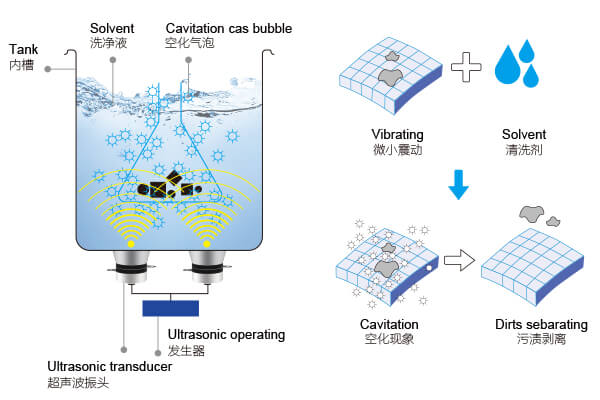
The Principle Behind Ultrasonic Cleaning
Each bubble implosion releases energy that dislodges dirt, oil, and debris from surfaces. The beauty of this technology lies in its ability to clean intricate details without physical scrubbing. For jewelry with complex settings or hard-to-reach areas, this represents a significant advantage over manual cleaning methods. The cleaning action is thorough yet gentle enough for most jewelry materials when used correctly.
Modern ultrasonic cleaners feature various settings that allow users to adjust cleaning intensity and duration. Entry-level home models typically offer single-frequency operation with timer controls, while professional-grade equipment provides multiple frequency options and programmable cycles. The choice of cleaning solution also plays a crucial role, as different formulations target specific types of contaminants.
Common Uses Beyond Jewelry
While jewelry cleaning represents the most popular consumer application, ultrasonic technology serves numerous industries. Medical and dental professionals use these devices to sterilize instruments. Optical shops clean eyeglasses and contact lens accessories. Electronics manufacturers employ ultrasonic cleaners for circuit boards and precision components. This wide adoption speaks to the technology’s effectiveness and versatility.
Understanding the broader applications helps contextualize why ultrasonic cleaners work so well for diamonds. The same precision that makes this technology suitable for delicate surgical instruments translates perfectly to valuable gemstone jewelry. However, the industrial success of ultrasonic cleaning doesn’t automatically guarantee safety for every type of jewelry, which brings us to the critical question of diamond compatibility.
Can You Safely Put Diamonds in an Ultrasonic Cleaner?
The overwhelming consensus among gemologists and professional jewelers is that natural, untreated diamonds in secure settings can be safely cleaned in ultrasonic devices. Diamonds possess exceptional durability that makes them resistant to the mechanical forces generated during ultrasonic cleaning. Their crystalline structure remains unaffected by the cavitation process that would damage softer gemstones.
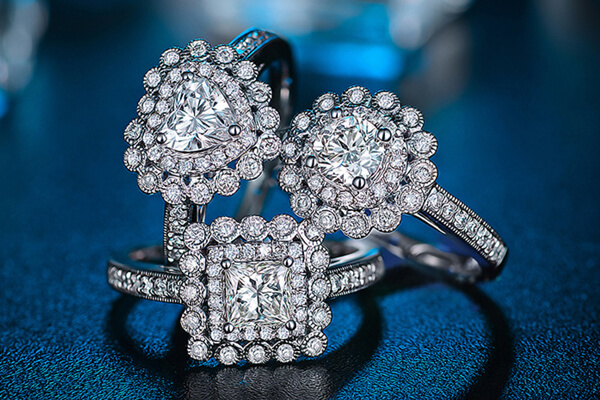
Diamonds
Why Diamonds Are Generally Safe for Ultrasonic Cleaning
Diamond’s remarkable hardness stems from its atomic structure, where each carbon atom bonds with four neighboring atoms in a tetrahedral arrangement. This creates an incredibly strong three-dimensional lattice that resists scratching, chipping, and fracturing under normal circumstances. The vibrations from an ultrasonic cleaner, while effective at removing surface contaminants, lack the force needed to damage this robust structure.
Professional jewelers have used ultrasonic cleaners for decades as their primary cleaning method for diamond jewelry. This long track record provides substantial evidence of safety when proper protocols are followed. The Gemological Institute of America, recognized worldwide as the authority on diamonds and colored stones, acknowledges ultrasonic cleaning as an acceptable method for natural diamonds without significant inclusions or treatments.
The effectiveness of ultrasonic cleaning on diamonds stems from the gemstone’s smooth surface at the microscopic level. Unlike porous gemstones that can trap moisture or cleaning solution, diamond’s non-porous nature means the cavitation bubbles work exclusively on surface contaminants. This prevents any long-term damage from repeated cleaning cycles.
Exceptions and Situations Where Caution Is Needed
Despite diamond’s inherent durability, several scenarios warrant caution or complete avoidance of ultrasonic cleaning. The most significant risk factor involves diamonds with existing fractures or inclusions that reach the stone’s surface. These structural weaknesses can propagate when subjected to ultrasonic vibrations, potentially causing the diamond to crack or chip.
Clarity-enhanced diamonds represent another category requiring special attention. Some diamonds undergo treatments to improve their appearance, including fracture filling where glass-like substances fill cracks to make them less visible. Ultrasonic cleaning can dislodge these fillers, reversing the enhancement and dramatically affecting the stone’s appearance. Similarly, diamonds treated with coatings to enhance color may experience coating degradation or removal during ultrasonic cleaning.
The age and condition of your jewelry setting matter as much as the diamond itself. Older pieces may have worn prongs or weakened metalwork that could fail under ultrasonic vibrations. Even if the diamond remains undamaged, losing a stone from its setting during cleaning would be catastrophic. This risk particularly affects vintage and antique jewelry where decades of wear may have compromised structural integrity in ways not immediately visible.
Types of Diamond Settings That Affect Ultrasonic Cleaning
The way your diamond is mounted in jewelry significantly influences whether ultrasonic cleaning is appropriate. Different setting styles present varying levels of security and risk when exposed to ultrasonic vibrations. Understanding these distinctions helps you make informed decisions about cleaning methods.
Prong Settings and Their Durability
Prong settings, also called claw settings, remain the most popular mounting style for diamond rings and pendants. This design uses thin metal projections to grip the diamond’s girdle, holding it securely while maximizing light exposure for enhanced brilliance. Well-maintained prong settings generally tolerate ultrasonic cleaning, but they require regular inspection.
The primary concern with prong settings involves wear over time. Daily activities gradually thin the prongs through friction and impact. If prongs have worn significantly, the ultrasonic cleaner’s vibrations might provide just enough force to loosen the diamond. Professional jewelers recommend inspecting prong settings at least annually, checking for signs of wear, bending, or metal fatigue.
Four-prong settings distribute stress across fewer points than six-prong configurations, making them potentially more vulnerable to vibration effects if any single prong has weakened. However, six-prong settings aren’t immune to problems either. The key lies in regular maintenance rather than the number of prongs. Before ultrasonic cleaning any prong-set diamond, gently try to wiggle the stone. If you detect any movement whatsoever, avoid ultrasonic cleaning and take the piece to a jeweler for tightening.
Bezel and Channel Settings
Bezel settings encase the diamond’s perimeter with a thin metal rim, creating one of the most secure mounting styles available. This design protects the diamond’s edges while providing excellent stability. Bezel-set diamonds typically handle ultrasonic cleaning exceptionally well because the continuous metal surround distributes vibrations evenly without creating stress points.
Channel settings, commonly seen in wedding bands and eternity rings, nestle multiple diamonds between two parallel metal walls. The diamonds sit flush with the metal surface, held by grooves cut into the channel walls. This style also demonstrates good compatibility with ultrasonic cleaning, provided the metalwork remains intact. The main vulnerability occurs if the channel walls have been bent or damaged, potentially allowing stones to shift during cleaning.
Both bezel and channel settings offer advantages beyond ultrasonic cleaning safety. They protect diamond edges from impact damage and catch fewer clothing fibers than prong settings. However, these styles can trap debris in the small spaces between metal and stone. Ultrasonic cleaning excels at removing this trapped material, making it particularly beneficial for these setting types.
Pave and Micro-Pave Settings
Pave settings feature multiple small diamonds set closely together, held by tiny metal beads or prongs. Micro-pave takes this concept further with even smaller diamonds and more delicate metalwork. These intricate designs create stunning visual effects but present significant challenges for ultrasonic cleaning.
The diminutive size of pave settings means individual stones may be secured by surprisingly little metal. Manufacturing tolerances on mass-produced pave jewelry sometimes result in settings that barely meet durability standards when new. Years of wear can weaken these already delicate structures. Ultrasonic cleaning of pave jewelry should be approached with extreme caution or avoided entirely in favor of gentler methods.
High-end pave jewelry from prestigious manufacturers typically features superior craftsmanship with more robust settings. These pieces may tolerate occasional ultrasonic cleaning better than budget alternatives. However, even premium pave work benefits from gentler cleaning methods that don’t risk dislodging stones. The potential loss of even a single small diamond from a pave setting can create a noticeable gap and diminish the piece’s value significantly.
When You Should NOT Use an Ultrasonic Cleaner on Diamonds
While many diamonds safely tolerate ultrasonic cleaning, certain circumstances absolutely require alternative methods. Recognizing these situations protects your jewelry investment and prevents heartbreaking damage.
Treated or Enhanced Diamonds
The diamond industry employs various treatments to improve stones’ appearance or color. These enhancements can dramatically increase affordability but may create vulnerabilities to ultrasonic cleaning. Fracture-filled diamonds, where microscopic glass fills reach-in cracks, represent the most common treatment that conflicts with ultrasonic cleaning.
The filling materials used in fracture enhancement don’t bond permanently with diamond. Instead, they occupy cracks through surface tension and hardening. Ultrasonic vibrations can dislodge these fillers, causing previously invisible fractures to reappear. Once removed, fillers cannot be easily replaced at home, requiring professional retreatment to restore the diamond’s appearance.
Laser drilling, another common clarity enhancement, creates tiny tunnels to reach and bleach dark inclusions. While the drilling itself doesn’t make diamonds more fragile, it does create channels where cleaning solution might become trapped. More significantly, laser-drilled diamonds often receive additional fracture filling, combining two vulnerabilities in one stone. Always request disclosure of treatments when purchasing diamonds and maintain records for future reference.
Color enhancement through irradiation or high-pressure/high-temperature treatment generally doesn’t contraindicate ultrasonic cleaning. These processes alter the diamond’s crystal structure at the atomic level, creating permanent color changes that remain stable during cleaning. However, coated diamonds, where thin films produce color effects, may experience coating damage or removal during ultrasonic cleaning.
Diamonds with Inclusions or Fractures
Natural diamonds form deep within Earth’s mantle under extreme pressure and temperature. This violent birth process often creates internal characteristics called inclusions, along with fractures known as feathers. Gemologists use these features for identification purposes, and many diamonds contain inclusions visible only under magnification. However, significant inclusions or fractures that reach the stone’s surface create vulnerabilities.
Surface-reaching feathers allow ultrasonic vibrations to penetrate the diamond’s interior, potentially propagating the fracture. What begins as a minor crack might extend during cleaning, compromising the stone’s structural integrity. Diamonds with clarity grades of I1 or lower typically contain inclusions visible to the naked eye, suggesting potential vulnerability to ultrasonic cleaning.
Even diamonds with better clarity grades warrant inspection before ultrasonic cleaning. A feather positioned near a facet junction or the girdle may not affect appearance but could extend during cleaning. Professional gemologists use microscopes to evaluate inclusion positions and types, providing guidance on cleaning safety. When in doubt, request a professional assessment rather than risking damage to a valuable stone.
The relationship between inclusions and cleaning risk isn’t always straightforward. Some inclusion types, like pinpoints or clouds composed of tiny crystals, pose minimal risk. Others, particularly feathers under tension or reaching the surface, demand caution. Understanding your specific diamond’s characteristics empowers better care decisions.
Antique or Heirloom Jewelry Considerations
Jewelry passed down through generations carries sentimental value that far exceeds monetary worth. Antique diamond pieces present unique challenges for ultrasonic cleaning due to potential weaknesses from age and historical manufacturing techniques. Jewelry crafted before modern quality standards may have settings that barely secured stones when new, let alone after decades of wear.
Victorian-era jewelry often features delicate filigree work and closed-back settings that can trap moisture and cleaning solution. Edwardian pieces showcase incredible craftsmanship but sometimes employ soft metals like high-karat gold that wear more quickly than modern alloys. Art Deco designs might incorporate calibrated stone settings where each gem sits in a precisely cut seat, vulnerable to loosening from repeated vibration.
Beyond structural concerns, antique jewelry may contain unexpected materials mixed with diamonds. Period pieces sometimes combine diamonds with softer gemstones, glass, or even paste imitations, not as deception but as artistic choices. Ultrasonic cleaning could damage these softer materials while leaving diamonds unscathed. Historical repairs using different techniques or materials add another layer of unpredictability.
The safest approach for heirloom jewelry involves professional evaluation and cleaning. Jewelers experienced with antique pieces can assess condition, identify hidden vulnerabilities, and recommend appropriate care methods. The modest cost of professional service provides invaluable peace of mind when dealing with irreplaceable family treasures.
Step-by-Step Guide to Cleaning Diamonds in an Ultrasonic Cleaner
Once you’ve determined your diamond jewelry is suitable for ultrasonic cleaning, following proper procedures ensures optimal results while minimizing risks. This systematic approach reflects best practices used by professional jewelers adapted for home use.
Preparing Your Diamond Jewelry
Begin by examining your jewelry carefully under good lighting. Use a magnifying glass if available to inspect prongs, settings, and the diamond itself for any obvious damage or looseness. Gently attempt to wiggle the stone in its setting. Any movement indicates the piece needs professional tightening before cleaning. Check for bent prongs, thin metal, or signs of previous repairs that might indicate vulnerabilities.
Remove any jewelry with gemstones other than diamonds, as many colored stones cannot tolerate ultrasonic cleaning. Pearls, opals, emeralds, and turquoise are particularly vulnerable. Even if your piece primarily features diamonds, mixed gemstones require alternative cleaning methods. Similarly, set aside any jewelry with glued components, as ultrasonic vibrations can weaken adhesives.
Pre-cleaning removes loose debris that might interfere with ultrasonic action. Rinse the jewelry under lukewarm running water to remove surface dirt. A soft brush can gently remove stubborn particles from settings. This preliminary step ensures the ultrasonic cleaner focuses on dissolved contaminants rather than large debris particles. Pat the jewelry dry with a lint-free cloth before proceeding.
Inspect your ultrasonic cleaner’s tank for cleanliness. Residue from previous cleaning sessions can redeposit on your jewelry. Clean the tank according to manufacturer instructions, typically involving a rinse with fresh water and mild detergent. Ensure the tank is completely dry before adding fresh cleaning solution.
Selecting the Right Cleaning Solution
The cleaning solution you choose significantly impacts results and safety. While plain water provides some cleaning action through cavitation alone, purpose-formulated jewelry cleaning solutions deliver superior results. These products contain surfactants that break down oils and lotions, along with mild acids or bases that dissolve mineral deposits without damaging metal or diamonds.
Commercial jewelry cleaning solutions designed for ultrasonic use come in concentrated and ready-to-use formulas. Concentrated versions offer better value and allow you to adjust strength based on soil level. Always follow dilution instructions precisely, as overly concentrated solutions might damage certain metal finishes while weak solutions deliver disappointing results. The solution temperature should be lukewarm, never hot, as extreme temperatures can shock stones with existing stress fractures.
Some jewelers recommend a simple homemade solution of warm water with a few drops of mild dish soap. This economical option works well for routine cleaning of lightly soiled jewelry. However, it lacks the specialized ingredients found in commercial formulas that target specific contaminants. Avoid harsh chemicals like bleach, acetone, or chlorine, which can damage metal settings or react unexpectedly with other jewelry components.
Fill the ultrasonic cleaner’s tank to the recommended level, typically marked on the unit. Insufficient water fails to create proper cavitation, while overfilling may cause splashing during operation. The solution depth should completely submerge your jewelry with adequate clearance from the tank bottom and sides. Most home ultrasonic cleaners include a basket or tray that suspends jewelry in the optimal cleaning zone.
Operating the Ultrasonic Cleaner Safely
Place your diamond jewelry in the ultrasonic cleaner’s basket, ensuring pieces don’t overlap or touch each other. Contact between pieces during cleaning can cause scratching or tangling. For rings, position them with openings facing upward to allow cleaning solution to flow through the setting. Large pieces or multiple items may require separate cleaning cycles to ensure thorough results.
Close the lid if your ultrasonic cleaner includes one. Lids reduce noise and prevent solution splashing, though many home models operate effectively without covers. Select the appropriate cleaning time based on soil level. Most diamond jewelry requires only three to five minutes of ultrasonic cleaning. Excessively long cycles provide no additional benefit and may increase risk to vulnerable settings.
Start the cleaning cycle and observe the initial moments. Proper operation produces a faint humming sound and visible activity in the cleaning solution. If you notice unusual noises, violent splashing, or no visible activity, stop the cycle and check connections and solution levels. Some ultrasonic cleaners feature heated cleaning, which can enhance results but isn’t necessary for diamonds.
Resist the temptation to add jewelry mid-cycle. Opening the unit interrupts the cleaning process and may allow contaminants to redeposit. If you realize you forgot a piece, complete the current cycle, remove the cleaned items, add the new piece, and run another cycle. After the cycle completes, allow the unit to stop fully before opening.
Remove jewelry promptly after cleaning completes. Leaving pieces in the solution allows loosened contaminants to potentially redeposit on surfaces. Rinse each piece thoroughly under running lukewarm water to remove any residual cleaning solution. Pay special attention to the back of settings where solution might collect. Inadequate rinsing leaves residue that can dull metal finishes.
Dry your diamond jewelry carefully with a soft, lint-free cloth. Compressed air or a hair dryer on cool setting can remove water from difficult areas, but avoid high heat. Inspect the cleaned jewelry under good light to verify results and confirm settings remain secure. The diamond should display brilliant sparkle once completely dry. If residue remains, repeat the cleaning process with fresh solution.
Suitable for ultrasonic cleaners used to clean jewelry and diamonds
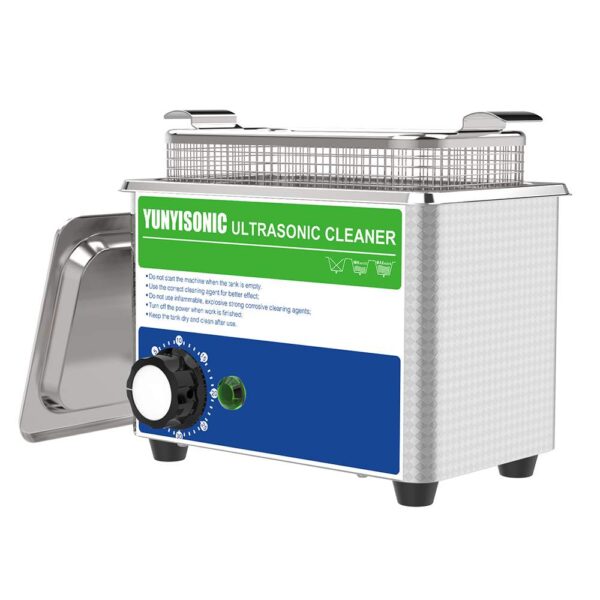
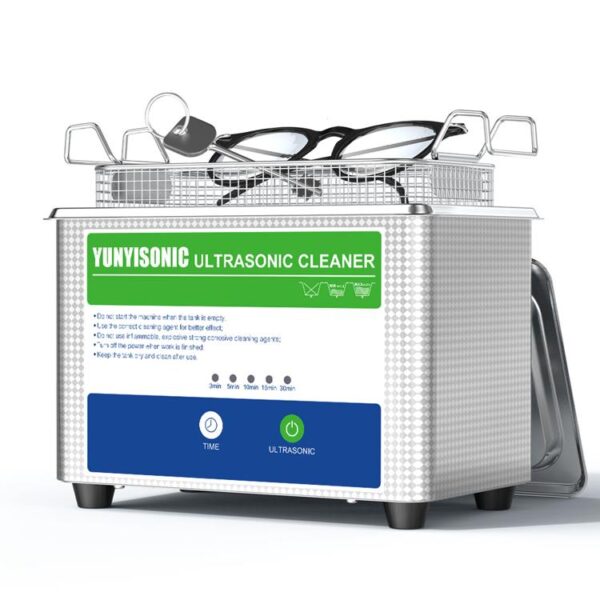
Mini Ultrasonic Cleaner for Jewelry, Dental, and Eyeglass Care | Cleans Dentures, Braces, Retainers, Teeth,Toothbrush Heads
In stock
| Volumetric Weight | 1.70 kg |
|---|---|
| Package Dimensions | 23.5 × 17 × 18 cm |
| Model | YA008B, YA008GB |
| Application Field | Brass, Coins, Contact Lenses, Dental, Denture, Earrings, Eyeglasses, Jewelry, Optical Lenses, Resin Prints, Toys, Watches |
| Brand | Yunyisonic |
| Origin | Shenzhen City, China |
| Capacity | 800ML |
| Frequency | 40kHz |
| Power | 35W, 60W |
| Tank Material | SUS304 Stainless Steel |
| Voltage | AC 110V 60Hz;AC 220V 50Hz |
| Plug Type | AU Plug, EU Plug, Other Plugs, UK Plug, US Plug |
| Certificates | CE, FCC, ROHS |
| Warranty | 1 Year |
| Customization | Logo/Pattern, Private Lable, White Label |
| Function | Clean Thoroughly, Timer Knob Control, Timing |
| Manufacturer | Yunyisonic Shenzhen Co., Ltd. |
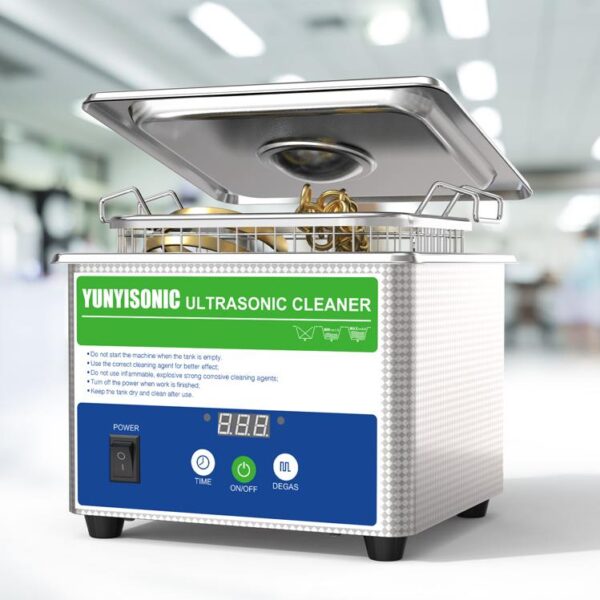
Compact 1L Digital Timer Ultrasonic Jewelry Cleaner For Rings, Necklaces, Watches, Bracelets, Gemstones, and Earrings
In stock
| Volumetric Weight | 1.70 kg |
|---|---|
| Package Dimensions | 23.5 × 17 × 18 cm |
| Model | YA010, YA010C, YA010G |
| Application Field | Coins, Contact Lenses, Dental, Denture, Earrings, Eyeglasses, Jewelry, Resin Prints, Toys, Watches |
| Brand | Yunyisonic |
| Origin | Shenzhen City, China |
| Capacity | 1L |
| Frequency | 40kHz |
| Power | 35W, 60W |
| Timer | 1-30mins |
| Tank Material | SUS304 Stainless Steel |
| Voltage | AC 110V 60Hz;AC 220V 50Hz |
| Plug Type | AU Plug, EU Plug, Other Plugs, UK Plug, US Plug |
| Certificates | CE, FCC, ROHS |
| Warranty | 1 Year |
| Customization | Logo/Pattern, Private Lable, White Label |
| Function | Clean Thoroughly, Degassing, Digital Control, Timing |
| Manufacturer | Yunyisonic Shenzhen Co., Ltd. |
1.3L Digital Ultrasonic Cleaner with Degas Function for Spectacles, Eyeglass Lenses, Jewelry, and Small Nozzles
In stock
| Volumetric Weight | 2.10 kg |
|---|---|
| Package Dimensions | 25.5 × 24.2 × 18 cm |
| Model | YA013, YA013C, YA013G |
| Application Field | Coins, Contact Lenses, Dental, Denture, Earrings, Eyeglasses, Jewelry, Optical Lenses, Resin Prints, Rings, Toys, Watches |
| Brand | Yunyisonic |
| Origin | Shenzhen City, China |
| Capacity | 1.3L |
| Frequency | 40kHz |
| Power | 35W, 60W |
| Timer | 1-30mins |
| Tank Material | SUS304 Stainless Steel |
| Voltage | AC 110V 60Hz;AC 220V 50Hz |
| Plug Type | AU Plug, EU Plug, Other Plugs, UK Plug, US Plug |
| Certificates | CE, FCC, ROHS |
| Warranty | 1 Year |
| Customization | Logo/Pattern, Private Lable, White Label |
| Function | Clean Thoroughly, Degassing, Digital Control, Timing |
| Manufacturer | Yunyisonic Shenzhen Co., Ltd. |

Portable 48kHz UV Ultrasonic Cleaner for Dental Appliances | 360° Deep Cleaning for Dentures Jewelry Travel Use
In stock
| Volumetric Weight | 0.5 kg |
|---|---|
| Package Dimensions | 12 × 12 × 18 cm |
| Model | YC01BM, YC01BU, YC01M, YC01U |
| Application Field | Coins, Contact Lenses, Dental, Denture, Earrings, Eyeglasses, Jewelry, Resin Prints, Toys, Watches |
| Brand | Yunyisonic |
| Origin | Shenzhen City, China |
| Capacity | 180ml |
| Frequency | 48kHz |
| Power | 24W |
| Tank Material | Food Grade ABS Plastic, SUS304 Stainless Steel |
| Voltage | 12V |
| Certificates | CE |
| Warranty | 1 Year |
| Customization | Logo/Pattern, Private Lable, White Label |
| Function | Clean Thoroughly |
| Manufacturer | Yunyisonic Shenzhen Co., Ltd. |
Common Mistakes to Avoid When Cleaning Diamonds
Even with proper equipment and good intentions, certain errors can damage diamond jewelry during ultrasonic cleaning. Awareness of these pitfalls helps you avoid costly mistakes.
- What is the most dangerous mistake people make with ultrasonic cleaners?
The most dangerous mistake involves failing to inspect jewelry before cleaning. Loose stones, damaged prongs, or weakened settings can lead to stone loss during ultrasonic cleaning. The vibrations that effectively remove dirt can also dislodge improperly secured diamonds. Always perform a gentle wiggle test before each cleaning, even if the jewelry appeared secure during previous sessions. Settings can loosen gradually through normal wear.
- Can I use old cleaning solution from previous sessions?
Using incorrect or expired cleaning solutions compromises results and may damage jewelry. Old cleaning solutions lose effectiveness and can develop bacterial growth or chemical changes. Replace solutions according to manufacturer recommendations, typically every 10 to 20 cleaning cycles for concentrated formulas. Plain water loses effectiveness even faster, as dissolved minerals and oils accumulate. Fresh solution each time ensures optimal cleaning action.
- Is it okay to clean multiple pieces of jewelry at once?
Overcrowding the ultrasonic cleaner’s basket reduces cleaning effectiveness and increases damage risk. Pieces that touch during cleaning can scratch each other or become tangled. Chains are particularly vulnerable to knotting when cleaned alongside other items. Clean one piece at a time or ensure adequate spacing between items. Accept that thorough cleaning requires patience and multiple cycles for jewelry collections.
- How long should I run the ultrasonic cleaner?
Excessive cleaning duration represents another common error. Longer cycles don’t enhance cleaning beyond a certain point but do increase wear on settings. Most diamonds achieve complete cleaning within five minutes. Extended cycles waste time and energy while potentially loosening stones from settings through prolonged vibration. Set timers and resist the temptation to leave jewelry in the cleaner longer than necessary.
- Do I really need to rinse my jewelry after ultrasonic cleaning?
Inadequate rinsing after ultrasonic cleaning allows chemical residue to dry on jewelry. This residue can dull metal finishes and create spots on diamonds that attract new dirt rapidly. Thorough rinsing under running water removes all cleaning solution traces. Some cleaning solutions require extended rinsing to fully remove, particularly those containing strong surfactants or acids.
- How often should I clean the ultrasonic cleaner itself?
Neglecting to clean the ultrasonic cleaner itself between uses allows contaminants to redeposit on subsequently cleaned jewelry. The tank accumulates oils, dirt, and mineral deposits that float in the solution and resettle on clean pieces. Rinse the tank after each use and perform deep cleaning monthly according to the manufacturer’s instructions. Some units benefit from running a cycle with just water and white vinegar to remove built-up residue.
- What’s the best way to dry diamond jewelry after cleaning?
Improper drying techniques can undo successful cleaning. Rough towels or paper products may scratch metal settings or leave lint on jewelry. Air-drying without patting excess water first can leave mineral spots on diamonds and metal. Use only soft, lint-free cloths specifically designed for jewelry care. Microfiber cloths intended for eyeglasses work exceptionally well for this purpose.
- Can I clean jewelry while wearing it on my hand?
Perhaps the most overlooked mistake involves cleaning jewelry without first removing it from your body. Never place your hand with jewelry still on into an ultrasonic cleaner, as the vibrations can transfer through metal and potentially affect tissues. Always remove jewelry completely before cleaning. This should be obvious, but emergency room visits from ultrasonic accidents demonstrate that this warning bears repeating.
- Do I need to follow the manufacturer’s instructions exactly?
Ignoring manufacturer instructions for your specific ultrasonic cleaner model can lead to poor results or equipment damage. Each model has unique operational parameters regarding solution levels, cycle lengths, and maintenance requirements. Familiarize yourself thoroughly with your specific unit’s manual. When in doubt about any procedure, contact the manufacturer or consult a professional jeweler rather than guessing.
- If my jewelry has been fine with ultrasonic cleaning before, is it always safe?
The final critical mistake involves false confidence from successful past cleanings. Settings weaken gradually through normal wear, meaning jewelry that safely tolerated ultrasonic cleaning for years might suddenly become vulnerable. Never assume previous success guarantees future safety. Inspect before every cleaning session and remain alert for any changes in your jewelry’s condition or security.
Understanding these common errors empowers you to avoid them. Diamond jewelry represents significant financial and emotional investment. The few extra minutes spent on careful preparation and execution of proper cleaning procedures protect these valuable possessions for generations. When any doubt exists about cleaning safety, professional jewelers provide expert assessment and service at reasonable costs, offering peace of mind that far exceeds the modest expense.
Alternative Cleaning Methods for Delicate Diamond Jewelry
Not every diamond piece suits ultrasonic cleaning, and sometimes gentler approaches prove more appropriate. These alternative methods deliver excellent results without mechanical agitation risks.
Traditional Soap and Water Method
The most universally safe cleaning method combines warm water with mild dish soap. This gentle approach works for virtually any diamond jewelry regardless of setting style, treatments, or condition. Fill a small bowl with lukewarm water and add several drops of mild, fragrance-free dish soap. Avoid antibacterial soaps containing moisturizers or harsh chemicals.
Soak the jewelry for 20 to 40 minutes, allowing the soapy water to loosen oils and debris. This extended soaking compensates for the lack of mechanical agitation. After soaking, use a soft toothbrush with fine bristles to gently scrub the diamond and setting. Pay particular attention to the underside of the diamond and areas where the stone meets the metal setting, as these locations accumulate the most buildup.
Rinse thoroughly under running lukewarm water. Consider plugging the sink or placing a strainer over the drain to prevent accidental loss if jewelry slips from your grasp. Continue rinsing until all soap residue disappears and water runs clear. Soap film can dull both diamonds and metal if not completely removed.
Pat dry with a lint-free cloth, then allow to air dry completely before wearing or storing. This simple method, while more time-consuming than ultrasonic cleaning, provides peace of mind for vulnerable or irreplaceable pieces. Professional jewelers often use similar hand-cleaning techniques for pieces that cannot tolerate ultrasonic methods.
Professional Jeweler Cleaning Services
Professional jewelers offer cleaning services that combine expertise with specialized equipment unavailable to consumers. Most jewelers provide complimentary cleaning for jewelry purchased from their store, while others charge nominal fees for pieces bought elsewhere. This professional service includes inspection, cleaning, and often minor repairs like prong tightening.
Jewelers use professional-grade ultrasonic cleaners calibrated for optimal performance. They also employ steam cleaners that use high-pressure steam to dislodge debris without the mechanical vibrations of ultrasonic equipment. Steam cleaning proves particularly effective for intricate settings while remaining gentle enough for most jewelry. The combination of professional assessment and appropriate cleaning method ensures optimal results.
The inspection component of professional cleaning provides exceptional value. Jewelers examine settings under magnification, identifying wear, damage, or loose stones before they become serious problems. This preventive maintenance can save thousands of dollars by catching issues early. Many jewelers document the jewelry’s condition, creating a valuable record for insurance purposes.
Scheduling professional cleanings twice annually maintains diamond jewelry in optimal condition. This frequency suits most wearers, though daily-wear pieces like engagement rings might benefit from quarterly professional attention. Between professional services, home cleaning keeps jewelry looking its best without requiring expensive frequent visits.
Maintaining Your Diamond Jewelry Between Cleanings
Regular cleaning represents just one aspect of proper diamond care. Daily habits and storage practices significantly impact how frequently your jewelry requires deep cleaning and how long it maintains its beauty.
Daily Care Tips
Remove diamond jewelry before activities that expose it to harsh chemicals or physical impact. Household cleaners, chlorine from swimming pools, and even hand lotions can build up on diamonds, dulling their sparkle. Take off rings before applying lotions, sunscreen, or cosmetics, as these products contain oils that coat diamonds rapidly. Put jewelry on last when dressing and remove it first when undressing to minimize exposure to cosmetics and hair products.
Wipe diamond jewelry with a soft cloth after each wearing. This simple habit removes oils from skin contact before they harden and bond to the stone. Microfiber cloths work exceptionally well, capturing oils without scratching. Keep a dedicated jewelry cloth easily accessible in your bedroom or bathroom to encourage this beneficial routine.
Avoid touching diamonds with your fingers unnecessarily. The natural oils from your skin transfer instantly to the stone’s surface, creating a film that reduces brilliance. When putting on rings or earrings, handle them by the metal portions rather than grasping the diamonds themselves. This habit maintains sparkle longer between cleanings.
Be mindful of activities that might physically stress your jewelry. While diamonds resist scratching, they can chip or fracture from sharp impact. Remove rings before exercising, doing housework, or any activity involving tools or equipment. Sports activities pose particular risk, as falls or equipment impact can damage both diamonds and settings.
Storage Recommendations
Proper storage prevents damage from jewelry pieces scratching each other and keeps diamonds away from environmental contaminants. While diamonds can scratch softer gemstones and even each other, the real concern involves protecting metal settings from scratching and preventing tangles in chains or links.
Store each piece of diamond jewelry separately in soft pouches or individual compartments of a jewelry box. Fabric-lined boxes provide excellent protection while allowing air circulation. Avoid storing jewelry in humid environments like bathrooms, as moisture can tarnish certain metals. A bedroom dresser drawer or closet shelf typically provides ideal conditions.
Some diamond jewelry benefits from sealed storage to minimize dust accumulation. Small ziplock bags or airtight containers work well for pieces worn infrequently. However, ensure jewelry is completely dry before sealing to prevent moisture problems. Add a small silica gel packet to absorb any residual humidity in sealed storage containers.
Valuable diamond jewelry deserves secure storage beyond mere protective cases. A home safe protects against theft while providing ideal environmental conditions. For exceptionally valuable pieces, bank safe deposit boxes offer maximum security, though this limits accessibility for regular wear. Balance security needs against practical wearability when choosing storage locations.