


Ultrasonic cleaning has earned its reputation as one of the most effective and non-invasive cleaning methods available today. From delicate jewelry to precision laboratory glassware, this technology removes dirt, grease, oxidation, and contaminants from surfaces that traditional cleaning methods can barely touch. But there’s one factor that often goes overlooked: the cleaning solution.
At the heart of ultrasonic cleaning lies a phenomenon called cavitation. When high-frequency sound waves pass through a liquid, they create millions of microscopic bubbles that rapidly expand and collapse. These implosions generate intense localized pressure and temperature, which physically dislodge contaminants—even from tiny crevices and blind holes.
However, cavitation doesn’t occur in a vacuum. The liquid medium through which these sound waves travel plays a critical role in determining how effectively the process works. Water alone may not be enough. In fact, without the right cleaning solution, even the most expensive ultrasonic cleaner may underperform.
The cleaning solution acts not only as a medium for sound wave transmission but also as an active cleaning agent. It’s responsible for breaking down oils, lifting corrosion, softening residues, and dispersing particles away from the item being cleaned. That’s why using the correct formulation is as important as choosing the right frequency or power level in your ultrasonic device.
Professionally formulated ultrasonic cleaning solutions are designed to complement and enhance the physical cleaning action of cavitation. They often contain ingredients like:
- Surfactants, which lower surface tension and help lift oils and particulates
- Chelating agents, which bind to metal ions and improve removal of rust or mineral scale
- pH buffers, which maintain optimal acidity or alkalinity depending on the cleaning task
- Inhibitors, which prevent corrosion on sensitive metals like brass, copper, or aluminum
Contrast this with common household liquids like dish soap, which are designed for manual washing, not ultrasonic enhancement. These products may clean a greasy plate just fine under running water and scrubbing, but they weren’t built to withstand or support the high-frequency, low-impact physics of cavitation.
Using the wrong solution can mean the difference between a fast, flawless clean and a frustrating, ineffective result. Worse, it can even damage your machine over time or harm the objects you’re trying to clean.
Understanding the role of cleaning solution is the first step toward unlocking the full power of ultrasonic cleaning—and avoiding common mistakes that can lead to poor performance, equipment damage, or even safety hazards.
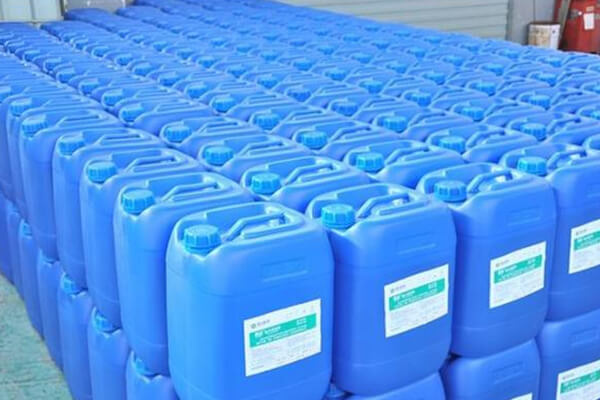
Cleaning agent
What Makes a Solution “Specialized” for Ultrasonic Use?
At first glance, an ultrasonic cleaning solution might not seem all that different from a household cleaner. Both are liquids, both have soap-like properties, and both aim to remove dirt and grime. But their internal chemistry and intended function couldn’t be more different.
A specialized ultrasonic cleaning solution is engineered to optimize the ultrasonic cleaning process. It enhances cavitation, protects materials, and ensures thorough rinsing without leaving residues behind. These formulas are developed after extensive research, often tailored for different industries—from jewelry care to medical device cleaning.
Here are the core elements that define a professional ultrasonic cleaning fluid:
1. Low-Foaming Surfactants
In ultrasonic cleaning, foaming is the enemy. Foam absorbs sound waves, dampening cavitation and reducing cleaning efficiency. That’s why specialized solutions are built with non-foaming or low-foaming surfactants—compounds that reduce surface tension to help loosen grime but don’t create bubbles that interfere with ultrasonic waves.
Dishwashing detergents, by contrast, are designed to foam as a sign of “cleaning power,” even though that foam does nothing to enhance actual cleaning—especially in ultrasonic environments.
2. Balanced pH and Application-Specific Chemistry
Different materials require different levels of acidity or alkalinity. Ultrasonic cleaning solutions are formulated with carefully adjusted pH levels to suit specific substrates:
- Alkaline solutions (pH 9–12) for oils, grease, carbon deposits
- Acidic solutions (pH 3–6) for rust, limescale, mineral residues
- Neutral solutions (pH 6.5–7.5) for delicate metals, plastics, or optics
This balance is crucial. A cleaning solution that’s too acidic can etch aluminum or copper, while one too alkaline can damage certain coatings or finishes. Specialized solutions contain buffers to maintain stable pH during the entire cleaning process, even as contaminants are dissolved.
3. Corrosion Inhibitors
One major advantage of professional ultrasonic solutions is their inclusion of metal protection agents. These inhibitors form a microscopic barrier on metals like steel, brass, or aluminum, preventing flash corrosion after cleaning. This is especially important when working with sensitive components in automotive, aerospace, or medical fields.
Dish soap lacks these inhibitors, leaving metals unprotected once removed from the tank. That’s why objects washed with improper solutions often begin to oxidize or spot shortly after drying.
4. Emulsifiers and Dispersants
Once dirt is removed, it must remain suspended in the liquid to prevent redeposition onto the item being cleaned. Ultrasonic cleaning fluids use emulsifiers to break oil into fine droplets and dispersants to keep particles evenly distributed throughout the bath.
Without these components, dislodged grime can float around and settle back onto the object—especially if the bath is used for multiple items in sequence.
5. Rinseability and Residue-Free Formulation
Professional solutions are designed to rinse clean with no film or residue left behind. This is especially critical for items that require optical clarity or medical sterilization.
On the other hand, household soaps often include thickeners, fragrances, or skin conditioners. While pleasant for hands and dishes, these additives leave a cloudy residue or sticky film that’s hard to fully rinse away—particularly from porous or finely detailed items.
Understanding these key differences helps explain why specialized ultrasonic cleaners exist in the first place. They’re not just “better” than dish soap—they’re designed from the ground up to complement a specific cleaning method built on sound waves, not scrubbing.
Why Dishwashing Detergent Falls Short
At first glance, dishwashing detergent seems like a reasonable alternative for cleaning in an ultrasonic cleaner. It’s affordable, widely available, and works well on greasy plates and dirty cookware. But that’s precisely the issue—it’s designed for manual cleaning, not ultrasonic energy. When dishwashing detergent enters an ultrasonic bath, the outcome is rarely ideal and can even be detrimental.
To understand why dish soap underperforms in this context, we need to look at what it’s made of and how it behaves under high-frequency sound.
The Foam Factor
One of the most immediate and problematic issues with using dish soap in an ultrasonic cleaner is foam. Dish soaps are designed to produce rich suds, which consumers associate with cleanliness. In fact, many commercial dish detergents are engineered to maintain foam even in the presence of oil or food particles.
In an ultrasonic cleaning tank, however, foam is not just useless—it’s actively harmful. Foam absorbs ultrasonic energy, reducing the intensity and consistency of cavitation. Instead of allowing sound waves to propagate cleanly through the liquid, a foamy surface layer acts as a shock absorber, preventing ultrasonic bubbles from forming properly. This results in patchy or incomplete cleaning, especially on complex or delicate items like dental tools, watch parts, or microchips.
Uncontrolled pH Levels
Dishwashing liquid typically has a neutral to mildly alkaline pH, designed to be safe for human skin and effective on general kitchen grime. However, this pH is not optimized for the types of contaminants ultrasonic cleaners are meant to remove—like carbon deposits, oxidation, flux residue, or fine particulates.
Because dish soap isn’t buffered, its pH may shift during cleaning, especially as contaminants dissolve into the solution. This instability can reduce cleaning effectiveness and increase the chance of chemical interactions with sensitive materials.
In contrast, professional ultrasonic solutions maintain a consistent pH throughout the cleaning cycle. This ensures repeatable, controlled results that are especially important in laboratory, optical, or electronic applications.
No Corrosion Protection
Another shortfall of dishwashing detergent is the lack of anti-corrosion additives. When metal parts are cleaned in an ultrasonic bath—especially those made of ferrous alloys—they can become highly reactive to air after cleaning. Water droplets on the surface act as oxygen-rich micro-pools, triggering flash rust within minutes of drying.
Because dish soaps do not contain rust inhibitors or metal protectants, they leave parts vulnerable to post-cleaning oxidation. This is not an issue for dinner plates, but it’s a serious concern for metal jewelry, firearms, surgical instruments, or engine components.
Residue Left Behind
Dish soaps often include fragrances, dyes, moisturizers, and foaming agents—all harmless on dishes but problematic in a precision cleaning process. These additives can:
- Leave a sticky or filmy residue on cleaned surfaces
- Interfere with coating, bonding, or soldering if parts are meant for further processing
- Cause skin irritation or allergic reactions when left on wearable items like earrings or glasses
Even a thorough rinse cycle may not remove all traces, especially from porous materials or microstructures.
Lack of Emulsifiers and Dispersants
As mentioned earlier, specialized ultrasonic solutions are built to not only remove contaminants but to keep them suspended in the bath. Dish soap lacks industrial-grade emulsifiers and dispersants, so removed oils can regroup into slicks on the water surface, while particulates settle at the bottom or cling back to cleaned items.
The result? Recontamination, uneven cleaning, and sludge buildup that shortens the life of your ultrasonic cleaning solution—and possibly your machine.
So while using dish soap in your ultrasonic cleaner may seem convenient, it’s a compromise that undermines the core advantages of ultrasonic cleaning itself. You may see some surface-level results, especially with light-duty items like plastic sunglasses or coins, but the deeper cleaning power and material safety you’re expecting simply won’t be there.
Risks of Using Dish Soap in Ultrasonic Cleaners
The temptation to pour a few drops of dishwashing detergent into your ultrasonic cleaner is understandable—it’s cheap, familiar, and seems gentle. But once you understand what’s happening at a molecular level, you’ll see why this simple substitution can cause a cascade of issues that affect both the cleaning results and the lifespan of your ultrasonic cleaner.
Let’s unpack the key risks one by one.
1. Foam Blocks Cavitation
Cavitation—the creation and collapse of microscopic bubbles—is the engine of ultrasonic cleaning. When sound waves travel through liquid, they need a clear, bubble-free path to form these energy pulses. Dishwashing detergent, however, introduces foam, and foam is the enemy of cavitation.
Foam absorbs ultrasonic energy like a sponge, preventing it from transmitting evenly throughout the tank. Instead of deep cleaning, you get dead zones—areas where cavitation is weak or nonexistent. As a result, dirt remains trapped in grooves, threads, or crevices, and the overall cleaning efficiency drops dramatically.
If you notice that your ultrasonic cleaner seems to hum but isn’t cleaning effectively, excessive foam is often to blame.
2. Overheating and Machine Strain
When foam accumulates on the liquid’s surface, it disrupts the normal cooling of the ultrasonic transducers (the components that generate sound waves). These transducers rely on consistent liquid contact to dissipate heat.
Foam pockets reduce that cooling efficiency, causing localized overheating. Over time, this can stress or even damage the transducers or the internal circuitry. What starts as a bit of dish soap “experimenting” can end with reduced machine life or costly repairs.
Professional ultrasonic cleaning fluids are engineered to remain low-foam even under agitation, allowing for optimal transducer performance and thermal stability.
3. Residue and Film Formation
Household dish detergents are formulated to leave dishes feeling smooth, not sterile. To achieve this, they include conditioning agents, fragrances, and stabilizers. When used in ultrasonic tanks, these additives can leave films or sticky residues on cleaned items and even on the tank walls.
For industries that depend on surface purity—such as jewelry finishing, optics, dental instruments, or printed circuit boards—this residue is a deal-breaker. It can:
- Obstruct plating or bonding processes
- Cloud lenses or optical coatings
- Contaminate medical devices meant for sterilization
- Cause unpleasant odors and discoloration on delicate items
What’s worse, these residues build up in the tank over time, requiring frequent draining and manual scrubbing to restore performance.
4. Cavitation Imbalance and Tank Erosion
Ultrasonic tanks are designed for uniform sound wave distribution. Dishwashing detergents can change the fluid’s density and viscosity, disrupting that balance. When cavitation becomes uneven, certain zones in the tank experience excessive microshock forces, while others see reduced activity.
Over time, the areas under high cavitation stress can suffer microscopic pitting—tiny craters in the stainless-steel tank surface. This erosion not only shortens the tank’s life but also creates rough spots that trap residue, further reducing hygiene and efficiency.
Professional solutions, on the other hand, are carefully balanced to maintain even sound transmission and protect the tank’s interior finish.
5. Poor Compatibility with Delicate Materials
Many users experiment with dish soap to clean items like eyeglasses, coins, or jewelry. But not all materials are compatible with these household detergents. For example:
- Pearls, opals, and turquoise can absorb chemicals and lose their luster.
- Silver and copper can tarnish or discolor.
- Plastics and rubber seals can degrade over time from detergent exposure.
Specialized ultrasonic fluids are pH-balanced and material-tested, ensuring that they dissolve contaminants without damaging the underlying surface.
6. Accelerated Wear and Maintenance Issues
Finally, one of the most overlooked problems: residue and foam from dish detergent can foul filters, clog drains, and increase the frequency of tank maintenance. The sticky buildup can interfere with float sensors and heaters, causing irregular performance.
When a professional ultrasonic solution is used, maintenance intervals are predictable, and the tank can be easily rinsed with water. With dish soap, however, you might find yourself scrubbing away more residue than the cleaner ever removed from your items.
In short, dish soap creates a chain reaction of inefficiencies: it disrupts cavitation, stresses the equipment, contaminates surfaces, and demands extra upkeep. The upfront savings of using a cheap household cleaner quickly vanish in the face of reduced performance and premature equipment wear.
How Specialized Solutions Enhance Cavitation Efficiency
To truly appreciate the value of a specialized ultrasonic cleaning solution, we need to look at how it actively participates in the cleaning process, not just passively serves as a medium. A high-quality solution doesn’t merely “support” ultrasonic waves—it amplifies their effect by creating the optimal physical and chemical environment for cavitation.
Here’s how these specially formulated solutions enhance both the efficiency and effectiveness of ultrasonic cleaning.
1. Tailored Viscosity for Maximum Wave Propagation
Cavitation works best when ultrasonic waves can travel quickly and evenly through a liquid. If the fluid is too thick (viscous), it dampens the energy. Too thin, and cavitation may become erratic and uncontrolled.
Specialized ultrasonic fluids are formulated with precisely calibrated viscosity, ensuring that sound waves travel at the ideal speed and energy level to generate stable cavitation bubbles throughout the tank. This leads to more uniform cleaning—even in corners, hinges, or microstructures.
2. Surface Tension Modification for Faster Penetration
Surface tension determines how easily a liquid spreads over and into tiny crevices. High surface tension causes liquids to bead up, while low surface tension allows them to flow into tiny cracks and capillaries.
Ultrasonic cleaning solutions contain surfactants that lower surface tension just enough to allow the liquid to penetrate deep into irregular shapes—whether it’s the intricate setting of a ring or the fine bore of a fuel injector.
This facilitates faster and more complete contact between the cavitation energy and contaminants, leading to quicker cleaning cycles with better results.
3. Particle Suspension and Oil Emulsification
Once dirt or oil is removed from a surface, it needs to stay removed. Professional solutions are formulated with dispersants and emulsifiers that suspend loosened particles and oils, keeping them from reattaching to your items or settling back on the tank floor.
This not only ensures consistent results over multiple cycles but also extends the usable life of the cleaning bath, reducing how often you need to change and dispose of the solution.
4. Chemistry Designed for Specific Contaminants
One of the most powerful features of ultrasonic cleaning solutions is their task-specific design. Manufacturers offer a wide range of formulas, each targeting a unique type of contaminant:
- Degreasers for cutting heavy oils and lubricants
- Descalers for removing limescale or oxidation
- Flux removers for electronics and soldered components
- Enzymatic solutions for proteins and biological residues
- Optical-grade solutions for lenses, scopes, and glass
Each formula uses a unique combination of solvents, pH levels, surfactants, and chelators tailored to that cleaning goal—ensuring that chemistry and physics work hand in hand.
Dish soap, on the other hand, is a jack-of-all-trades that becomes a master of none. It simply cannot compete with this level of specificity.
5. Tank and Equipment Protection
Ultrasonic solutions don’t just protect the items you’re cleaning—they’re also designed to protect the machine itself. By preventing foaming, corrosion, and residue buildup, they help ensure that:
- Transducers maintain stable contact and cavitation
- Heating elements operate efficiently without burn spots
- Stainless steel tanks resist pitting and chemical erosion
- Filters and pumps stay clear and operational
All of this translates to a longer-lasting machine, fewer maintenance issues, and more predictable performance—whether you’re cleaning once a week or running multiple cycles per day.
Real-World Comparisons: Specialized Solution vs Dishwashing Detergent
Theory is one thing, but how do the differences between specialized ultrasonic solutions and common dishwashing detergent actually play out in practice? To find out, we can look at multiple real-world use cases across industries—jewelry, automotive, dental, and optical—to see how performance, results, and user experience vary when different cleaning agents are used.
Jewelry Cleaning: Shine vs Smudge
A small jeweler tested two ultrasonic cleaning cycles: one with professional jewelry solution, the other with a few drops of dish soap. The results?
- The professional solution restored shine and clarity to diamonds, gold, and even white gold. Fine particles trapped under prong settings were completely removed.
- The dish soap produced only superficial results. While it removed visible grime on the surface, grease near stone settings and oxidation around the edges remained. Even worse, residues from fragrances and dyes in the soap dulled the finish.
Customers noticed a clear difference—and were more likely to return for repeat service when professional solutions were used.
Automotive Parts: Deep Degreasing vs Surface Wash
A garage specializing in carburetors and fuel injectors ran ultrasonic cycles using both cleaners on similar steel parts. Here’s what happened:
- The degreasing ultrasonic fluid emulsified thick engine oil, cut through hardened carbon deposits, and suspended all residues so that nothing reattached after rinsing. The parts came out clean, residue-free, and ready for reassembly.
- The dishwashing detergent, on the other hand, struggled. Oil floated to the surface rather than emulsifying. Particles settled in tank corners. Some gaskets appeared discolored due to prolonged exposure to perfume additives in the soap.
More importantly, because of foam buildup, the ultrasonic cleaner’s heating element was less effective, and cleaning took nearly twice as long.
Dental Instruments: Safe Sterilization vs Residual Contamination
In a controlled lab trial, two batches of reusable dental tools were ultrasonically cleaned—one in an enzymatic solution formulated for biohazard removal, and one in diluted dish soap.
- The enzymatic formula fully removed blood proteins and tissue traces before sterilization. Post-autoclaving, no biological residue was detectable under UV or chemical testing.
- The dish soap batch showed visible streaks and residue. Under protein stain tests, trace organic material remained on several tools, making them unsuitable for sterile reuse.
In healthcare, this isn’t just a performance issue—it’s a liability.
Eyeglasses: Crystal-Clear vs Cloudy
An optometry clinic tested both methods on a batch of coated lenses and titanium eyeglass frames. The outcome?
- The specialized optical cleaning solution removed facial oils, makeup, and dust without damaging anti-reflective coatings. The lenses were spotless, frames polished, and all surfaces clear.
- The dish soap cycle left behind faint film streaks, especially on hydrophobic coatings. Some frames had soap deposits where the detergent pooled during rinsing.
Patients often mistook this for damage to their lenses, returning to complain about “scratches” that were actually just residues.
Usability and Machine Health
Beyond cleaning results, staff and technicians consistently noted that:
- Dish soap required more rinsing time and left tanks cloudy after just one or two cycles.
- Foam overflowed in small machines, occasionally leaking into electronics or splashing out.
- Specialized solutions drained cleanly, rinsed easily, and left tanks ready for reuse with minimal downtime.
In the long run, using the wrong solution costs more—not less—due to rework, callbacks, tank cleaning, and equipment wear.
It’s no exaggeration to say that in every setting—from home use to industrial applications—the use of dishwashing liquid in ultrasonic cleaners undermines the core value of the cleaning technology. On the other hand, specialized solutions unlock the full potential of the method: fast, thorough, material-safe cleaning with minimal effort.
Choosing the Right Ultrasonic Cleaning Solution for Your Application
If you’ve made it this far, you understand why grabbing the nearest bottle of dish soap isn’t the best idea. But with so many specialized ultrasonic cleaning solutions available, how do you know which one is right for your needs?
Choosing the proper formulation isn’t just about effectiveness. It’s about protecting the item being cleaned, extending the life of your ultrasonic cleaner, and minimizing waste and maintenance. Let’s explore how to make the right choice—based on what you’re cleaning, what contaminants you’re targeting, and the type of material involved.
Understand What You’re Cleaning
The first and most important consideration is the type of object or material you plan to clean. Ultrasonic cleaning solutions are often tailored to specific applications and materials. A one-size-fits-all approach usually leads to suboptimal results—or worse, unintended damage.
For Jewelry and Precious Metals
Use a non-ammoniated, neutral-pH cleaning solution designed for jewelry. These formulas gently remove body oils, lotions, and polishing residues while preserving the luster of gold, silver, platinum, and delicate stones like sapphire or topaz.
For Glasses and Optics
Choose an optical-grade cleaner free of alcohol and ammonia. These solutions preserve anti-reflective coatings and hydrophobic layers while removing oils and debris from frames and lenses.
For Automotive and Mechanical Parts
You’ll want a heavy-duty degreaser or descaler, often alkaline, that can cut through oil, grease, soot, and carbon buildup. These are ideal for fuel injectors, engine valves, gears, and carburetors.
For Dental and Surgical Instruments
Use an enzymatic or neutral pH solution specifically designed for medical tools. These formulas help remove proteins, blood, and tissue, and are compatible with stainless steel and other surgical-grade alloys.
For Electronics and Circuit Boards
Select a flux remover or low-residue electronics cleaner. These are often alcohol-based or specially balanced for delicate solder joints and plastics.
Match the Contaminant Type
In ultrasonic cleaning, not all dirt is created equal. Different contaminants call for different chemical actions:
- Oils and greases require surfactants and emulsifiers.
- Oxidation and mineral buildup require acids or descaling agents.
- Biological residues (blood, tissue, proteins) need enzymatic digestion.
- Polishing compounds may require a slightly alkaline solution with chelators.
- Flux and resins benefit from solvent-based cleaners with low evaporation rates.
If you’re unsure, most manufacturers offer a compatibility chart or technical datasheet describing the appropriate use cases for each solution.
Consider pH Sensitivity of Materials
Some metals and materials are sensitive to acidic or alkaline environments. Here’s a quick guideline:
- Aluminum: Avoid strong alkalis. Use neutral or mildly acidic solutions.
- Brass and copper: Use inhibitors or specialty non-corrosive formulas.
- Steel: Can tolerate stronger solutions, but corrosion inhibitors are still helpful.
- Plastic and rubber: Use mild, non-solvent-based cleaners to avoid softening or deformation.
If in doubt, always spot test first—or contact the solution manufacturer for guidance.
Think About Rinsing and Residue
Some applications, such as electronics or lab glassware, require a spotless surface after cleaning. In these cases, you’ll want a low-residue or rinse-free solution that doesn’t leave films.
For consumer items like jewelry or glasses, rinseability is still important to avoid streaks or spotting—especially if you’re using tap water instead of distilled water.
Evaluate Biodegradability and Safety
Many modern ultrasonic cleaning solutions are now:
- Biodegradable
- Non-toxic
- Non-flammable
- VOC-compliant
This matters if you’re cleaning at home or in settings where chemical safety and environmental disposal are concerns.
Always read the safety data sheet (SDS) before purchasing, and never mix two different solutions unless specifically instructed.
Use Concentrates for Cost Efficiency
Specialized solutions are often sold as concentrates—meant to be diluted in water, usually between 1–5% depending on the application. This makes them far more economical in the long run compared to using large volumes of dish soap, which you often have to add in larger quantities to be effective (yet still fall short).
With the right concentrate, a single liter can yield 20–50 liters of working solution, offering consistent results across hundreds of cycles.
DIY Cleaning Solutions: When Can You Get Away With It?
For budget-conscious users or hobbyists, it’s tempting to try and replicate specialized ultrasonic cleaning solutions using materials you already have at home. After all, if it’s just water and some kind of soap, why not save money?
While there are a few cases where simple DIY mixtures can deliver passable results, they usually come with trade-offs—either in cleaning performance, potential material damage, machine wear, or residue left behind.
That said, let’s explore the common DIY approaches, when they might work, and when they fall short.
The Most Common DIY Ultrasonic Cleaner Recipes
- Warm Water + Dishwashing Liquid
This is by far the most common “homemade” ultrasonic cleaner solution. Add a few drops of dish soap into a tank of warm water, and you get a mild degreasing bath.- Pros: Readily available, gentle, low-cost.
- Cons: Tends to produce foam, leaves residue, lacks corrosion inhibitors, and doesn’t emulsify oils effectively.
Best for: Temporary use on non-sensitive items like stainless steel parts, tools, or plastic housings.
- Water + Vinegar
White vinegar is acidic and is often used to descale or remove oxidation. A 1:1 mix with water can help break down limescale or light rust.- Pros: Natural, low-cost, mildly effective at descaling.
- Cons: Too acidic for many metals (aluminum, brass, copper), can damage coatings, leaves a strong smell, and may erode tank linings over time.
Best for: Cleaning glass, ceramics, or heavily scaled shower heads—but not metals.
- Water + Baking Soda
Baking soda, or sodium bicarbonate, is mildly alkaline and often used for cleaning and deodorizing. A tablespoon per liter of warm water can form a basic cleaning bath.- Pros: Mildly abrasive, safe on many surfaces.
- Cons: Not very effective at dissolving oils, doesn’t prevent corrosion, minimal cavitation enhancement.
Best for: Plastic, rubber, or basic deodorizing tasks—don’t expect miracles.
- Water + Isopropyl Alcohol
Alcohol helps remove oils and evaporates quickly, making it useful for electronics.- Pros: Evaporates cleanly, great for electronics when diluted properly.
- Cons: Highly flammable, must be used in a well-ventilated area, not ideal for rubber or some plastics.
Best for: Circuit boards and electronics only if diluted and used safely with proper precautions.
Why DIY Mixtures Usually Fall Short
Despite their accessibility, most DIY cleaning solutions lack the chemistry needed for effective ultrasonic cleaning. They’re often unbalanced, non-emulsifying, and may introduce other problems like:
- Excessive foaming, which interrupts ultrasonic wave transmission
- Corrosive damage to the tank or cleaned objects
- Inconsistent results, especially over multiple cycles
- Residue and streaks, requiring thorough post-cleaning rinsing
- Risk of reaction if multiple ingredients are mixed without knowing chemical compatibility
The ultrasonic cleaning process relies heavily on both physics and chemistry. When one is compromised, you lose effectiveness and possibly even safety.
When Can You Use DIY Solutions Safely?
If you’re cleaning durable, low-value items that aren’t sensitive to residue or appearance—like steel tools, nuts and bolts, or basic plastic enclosures—then a dish soap bath may suffice for casual use.
However, if you’re cleaning anything valuable, delicate, or used in medical or optical applications, it’s not worth the risk. The cost of replacing or damaging an item far outweighs the price of proper cleaning fluid.
Ultimately, think of DIY ultrasonic solutions as temporary stopgaps—not reliable long-term replacements.
Ready for the final section? Next, we’ll explore how improper solutions affect not just your cleaning results but also the health and longevity of your ultrasonic machine.
What Happens to Your Ultrasonic Cleaner When You Use the Wrong Solution?
It’s easy to focus solely on the object being cleaned—its finish, residue, cleanliness—but what about the machine doing the cleaning? Your ultrasonic cleaner isn’t immune to the consequences of poor chemistry. In fact, the wrong solution can significantly shorten the lifespan of your machine, affect its cleaning power, and even pose safety risks.
Let’s look at what happens under the hood when you pour in a DIY mixture or use general-purpose detergent instead of a purpose-made ultrasonic cleaning fluid.
1. Foam Kills Cavitation
One of the most immediate and visible effects of using the wrong solution—especially dish soap—is excessive foam. Ultrasonic cleaners rely on the rapid formation and collapse of microscopic bubbles in a process called cavitation. Foam interferes with this.
- It absorbs ultrasonic energy, reducing cleaning power.
- It dampens wave propagation, leaving dead zones where items aren’t cleaned properly.
- It can overflow, potentially leaking into control panels or damaging electronics.
Think of it this way: you’re muffling the sound waves with a blanket of bubbles. Even a powerful transducer can’t compensate for that.
2. Tank and Transducer Corrosion
The cleaning tank of most ultrasonic machines is made of stainless steel. While durable, it is not invincible. Using solutions that are too acidic or too alkaline—especially vinegar, bleach, or improperly diluted chemicals—can cause:
- Pitting corrosion, leading to rust spots and eventual leaks.
- Degraded welds or seams, especially on cheaper models.
- Cracked ceramic transducers, due to chemical imbalance or buildup of residues.
Manufacturers design their tanks with specific pH tolerances in mind. Going outside that range—even just a few times—can silently damage the system.
3. Shortened Heater Lifespan
Many ultrasonic cleaners come with internal heaters to boost cleaning performance. But when the solution contains sticky residues, foaming agents, or particles that don’t fully dissolve:
- These materials coat the heating element, acting as insulation and reducing efficiency.
- Buildup traps heat, potentially leading to overheating or burnout.
- Some solutions create scum or sludge at the bottom of the tank, directly affecting temperature sensors.
The result? Inconsistent temperatures, poor cleaning results, and costly repair or replacement of the heating system.
4. Contamination and Re-deposition
Using a solution not designed to suspend and isolate particles means debris can reattach to the very items you just cleaned. Worse yet, the next cycle inherits that contamination, even if the parts have changed.
- Residues cling to tank walls and objects.
- Oil floats to the surface instead of emulsifying and gets stuck to new items during removal.
- Without anti-redepositing agents, dirt doesn’t stay dissolved—it resettles.
This not only reduces cleaning quality but creates more work. You’ll need to rinse, clean, and repeat—negating the efficiency ultrasonic cleaning is supposed to offer.
5. Invalidated Warranties and Unsafe Use
Using improper fluids, especially those containing alcohols, acids, bleach, or high-foaming agents, can:
- Void your ultrasonic cleaner’s warranty (most manuals explicitly forbid these).
- Pose fire hazards if used with flammable solvents and a heating unit.
- Lead to machine malfunction due to chemical incompatibility with gaskets, tubing, or internal electronics.
While most home users don’t read the fine print, commercial users and labs must document proper usage for insurance and liability reasons. Cutting corners with cleaning fluids introduces real risk.
A Cleaner is Only as Good as Its Chemistry
Even the most advanced ultrasonic machine is only as effective as the solution it uses. When you cut corners with the wrong fluid, it’s not just your cleaning results that suffer—it’s your equipment, your time, your reputation, and in some cases, your safety.
The Right Chemistry for the Right Results
Ultrasonic cleaning offers one of the most efficient and delicate ways to clean a wide range of items, from surgical instruments and jewelry to automotive parts and electronics. But the power of this method isn’t just in the machine—it’s in the chemistry behind it.
A properly formulated ultrasonic cleaning solution does more than clean. It protects the materials, enhances cavitation, prevents recontamination, and keeps your machine running smoothly. While DIY methods might provide a quick fix, they come at a cost—often in the form of residue, corrosion, inefficiency, and damage to your equipment or the items you’re trying to preserve.
Professional solutions are engineered with a deep understanding of both materials science and ultrasonic physics. They’re pH-balanced, non-foaming, and tailored to specific contaminants. This means faster, safer, and more consistent cleaning without the risks that come with household cleaners or improvised mixtures.
If you’ve invested in an ultrasonic cleaner—whether for your home workshop, dental practice, watchmaking bench, or laboratory—then matching it with the right cleaning solution is essential. It’s the difference between just making noise and delivering results.
As you evaluate your cleaning needs, always refer to your ultrasonic cleaner manufacturer’s guidelines, match the solution to the material and contaminant, and when in doubt, go with a trusted specialty cleaner. Your equipment, your time, and your peace of mind are worth it.