






Cleaning seems simple on the surface, yet the gap between different cleaning methods is much wider than most people expect. A piece of jewelry may look clean after a quick polish, a glass beaker may appear spotless after rinsing, or a carburetor may seem free of grime after a solvent soak. But beneath that appearance, residues often remain—hidden inside micro-gaps, behind tiny ridges, under stone settings, or deep inside channels where brushes and cloths cannot reach.
That difference between what looks clean and what is clean forms the foundation of why various cleaning methods perform so differently. Every method has its strengths, but they also have blind spots, and these blind spots become especially noticeable when an object has intricate geometry or a sensitive material composition. A toothbrush removes dirt where the bristles can physically touch. Soaking dissolves contaminants only on surfaces exposed directly to the solution. Steam melts certain residues but struggles in enclosed spaces. High-pressure spraying removes loose particles but may push debris deeper.
Ultrasonic cleaning stands apart because it introduces a fundamentally different mechanism: acoustic energy transforming into microscopic bubbles that behave like countless tiny cleaning tools moving everywhere liquid reaches. This principle allows ultrasonic cleaning to operate not just at the visible surface, but far into areas other methods cannot physically access. Its effectiveness comes from physics rather than manual pressure, and because of that, the results can appear almost effortless.
People usually notice this contrast the first time they switch between methods. Jewelry that seemed polished suddenly reveals deeper brilliance after an ultrasonic cycle. Dental appliances that appeared clean after brushing lose their odor and regain clarity. Laboratory glassware that looked spotless shows fewer micro-particles under inspection. Mechanical parts that felt smooth to the touch operate more efficiently once internal residues are removed. These improvements come from cleaning actions that the eye cannot see but performance clearly reflects.
The differences become even more pronounced in industries that depend on precision. Laboratories require consistent cleanliness to avoid contamination. Dental and medical fields rely on thorough debris removal before sterilization. Manufacturing and automotive maintenance depend on dirt-free parts to maintain accuracy and efficiency. In all these fields, cleaning is no longer a cosmetic process—it becomes a functional requirement. This is where the divide between ultrasonic cleaning and other methods becomes most evident.
Understanding these differences begins with understanding how ultrasonic cleaning works and why its effect is fundamentally different from scrubbing, brushing, soaking, or steaming.
How Ultrasonic Cleaning Works on a Physical Level
Ultrasonic cleaning operates on a principle that is simple in concept yet powerful in execution. Instead of relying on friction, scrubbing, or direct physical contact, it uses sound—sound so high in frequency that the human ear cannot detect it. When this sound energy moves through a liquid, it transforms into millions of microscopic cleaning events that take place simultaneously. Understanding this process on a physical level reveals why ultrasonic cleaning consistently outperforms many traditional methods.
Inside every ultrasonic cleaner is a transducer, a component that converts electrical energy into high-frequency vibrations. These vibrations travel into the cleaning liquid, creating alternating high-pressure and low-pressure waves. During low-pressure phases, tiny vacuum bubbles form in the liquid. These are not air bubbles, but cavities—small pockets where the liquid momentarily pulls apart. This phenomenon is known as cavitation.
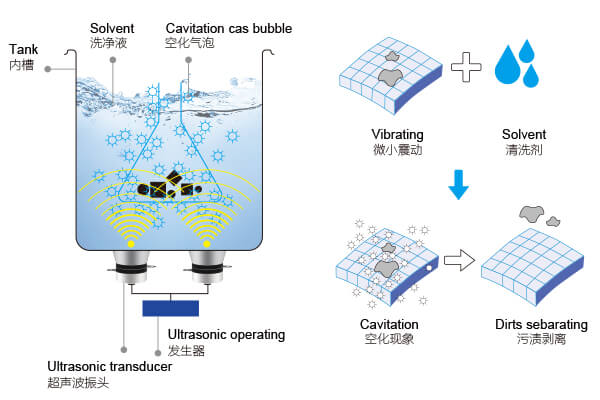
The Principle Behind Ultrasonic Cleaning
Cavitation is the heart of ultrasonic cleaning. Each cavity grows until it reaches a critical size, then collapses with a burst of energy. This collapse, though microscopic, generates a sharp but controlled shockwave. When millions of these collapses occur around the surface of an object, they create a deep cleaning action that brushes, cloths, and sprays cannot replicate. The bubbles reach into grooves, microscopic crevices, blind holes, threaded channels, and interior corners—anywhere the cleaning liquid flows.
This action is what allows ultrasonic cleaning to be both gentle and highly effective. The bubbles are small enough not to abrade most solid surfaces, yet energetic enough to detach stubborn contaminants. Oils, polishing compounds, plaque film, dust particles, carbon deposits, and microscopic debris loosen and break away as the bubbles collapse. The effect is uniform across all surfaces submerged in the liquid, eliminating the unevenness that comes with manual cleaning.
Frequency plays an important role. Lower frequencies, such as 28kHz, produce larger bubbles that collapse with greater force. These frequencies excel at removing heavy grime from metal parts. Higher frequencies, such as 80kHz or above, create smaller bubbles that clean more delicately, making these settings ideal for optical components, precision instruments, and items sensitive to abrasion. Most household cleaners operate around 40kHz, striking a balance between strength and versatility.
The cleaning solution also contributes to performance. While ultrasonic cavitation works in pure water, contaminants dissolve more effectively when surfactants or specialized cleaning agents are added. These agents reduce surface tension, allowing bubbles to form more easily and collapse more energetically. They also help suspend loosened debris so it does not settle back onto the item being cleaned.
Temperature further influences results. A warm solution—typically between 40°C and 60°C—supports faster bubble formation, loosens oils, and accelerates chemical interactions between the cleaning solution and contaminants. However, temperature must be carefully controlled for heat-sensitive plastics, gemstones, and coated surfaces. In precision cleaning environments, temperature adjustment becomes an essential part of achieving consistent results.
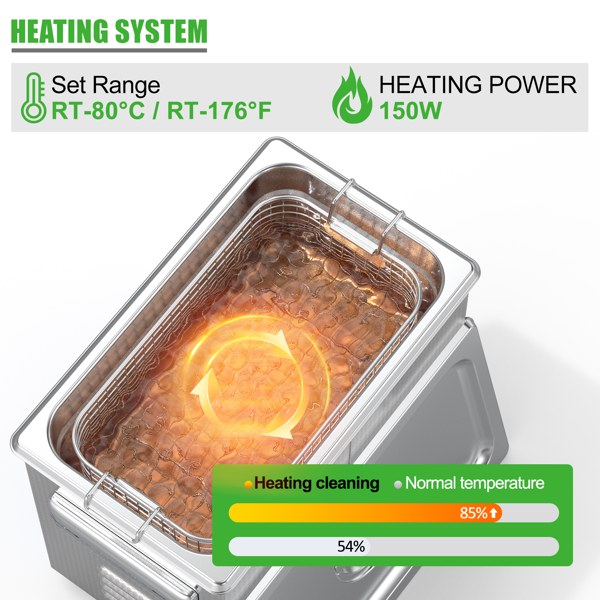
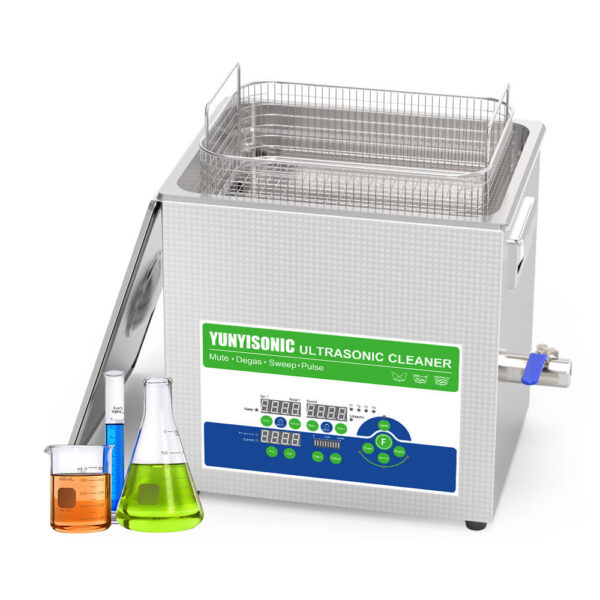
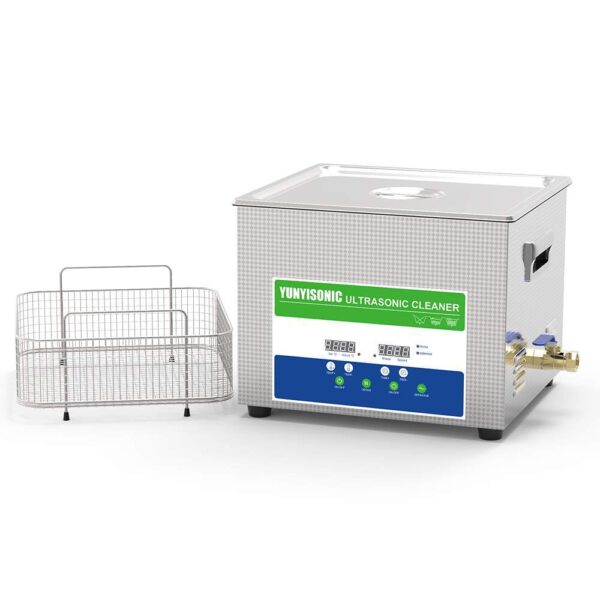
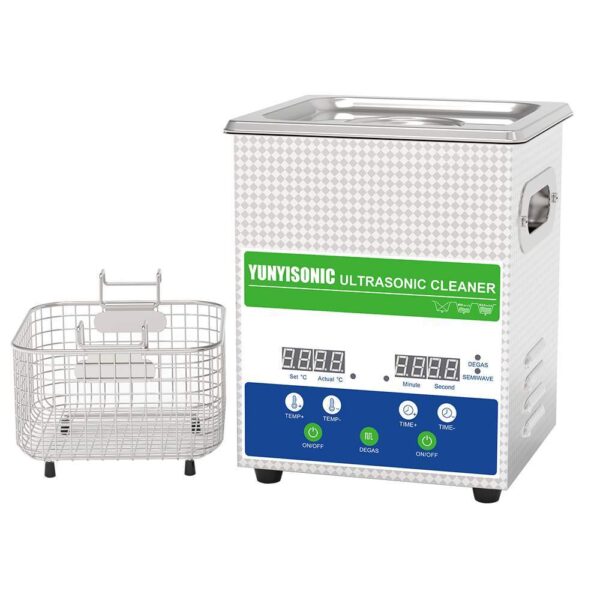
Digital Heating System Features of 90w/180w ultrasonic cleaner for jewelry printhead
Unlike manual cleaning, ultrasonic cleaning action occurs everywhere the liquid reaches. This even distribution of cleaning power is what sets ultrasonic cleaning apart. A brush bristle may touch only one point at a time. A cloth may glide over a surface but fail to reach into small recesses. Steam may melt oils but cannot penetrate enclosed cavities. Cavitation, by contrast, operates in a three-dimensional fluid environment, delivering cleaning action inside shapes that no tool can physically access.
This microscopic cleaning performance is why ultrasonic cleaners excel in fields such as dentistry, jewelry restoration, automotive servicing, and laboratory research. In each case, contaminants that interfere with performance or accuracy often hide in areas invisible to the naked eye. Ultrasonic cleaning ensures those areas receive the same degree of attention as exposed surfaces.
Understanding the physics behind ultrasonic cleaning sets the stage for evaluating how it compares with traditional methods. Manual cleaning—perhaps the oldest form of cleaning—offers strengths of its own but also reveals its limitations when placed beside ultrasonic technology.
Traditional Manual Cleaning: Strengths, Weaknesses, and When It Fails
Manual cleaning has existed as long as people have needed to remove dirt from objects. Brushes, cloths, sponges, and simple tools remain widely used because they offer something ultrasonic cleaners cannot provide: direct, tactile control. When an item is handled manually, the person cleaning it can see the dirt, focus effort on specific areas, and adjust pressure as needed. This makes manual cleaning effective for large surfaces, easily accessible areas, and objects that require careful attention.
For example, wiping fingerprints from eyeglass lenses or polishing the exterior of a ring can be done quickly with a cloth. A toothbrush works well for spreading toothpaste on a retainer or dislodging food particles from a simple groove. Manual cleaning also allows a person to avoid areas that might be too delicate for strong movement or abrasive force. The human hand can vary its touch in ways that automated systems cannot.
However, manual cleaning’s strengths also define its limitations. Direct contact means the cleaning tool must physically reach the area being cleaned. If a brush bristle cannot enter a narrow space, neither can the cleaning force behind it. Deep channels, tight hinges, fine engravings, porous textures, and hidden cavities are places where manual cleaning rarely succeeds fully. Even when brushing appears thorough, small residues remain in places that cannot be touched.
Another weakness of manual cleaning is inconsistency. The effectiveness of brushing depends on technique, pressure, and time. Some people brush lightly, others brush aggressively, and some areas receive more attention than others. This inconsistency becomes problematic when cleaning sensitive or precision items. A laboratory beaker that looks clean may still hold residues that disrupt experiments. A dental appliance that appears brushed may still harbor bacteria in micro-textured regions. A watch band may still contain oils deep between its links.
Manual cleaning also struggles with hardened or complex residues. Oils oxidize, polishing compounds cake into corners, and carbon deposits adhere firmly to metal surfaces. Even soaking combined with scrubbing may not remove these films entirely. When contaminants bond chemically or mechanically to surfaces, brushing alone seldom lifts them. Instead, it simply removes the uppermost layer while leaving deeper residue intact.
Another challenge arises when objects must remain unharmed despite thorough cleaning. Precision instruments, optical components, jewelry with delicate stones, or items with protective coatings may be damaged by scrubbing. Abrasive cloths can create micro-scratches. Stiff brushes can wear down edges or loosen settings. Manual cleaning depends heavily on the cleaner’s judgement, and even careful hands cannot guarantee uniform safety in all scenarios.
Time is another limiting factor. Cleaning small mechanical parts, intricate jewelry settings, or fine instruments manually can take considerable effort. The process becomes tedious, and fatigue may reduce thoroughness. For people who need to clean multiple items frequently—such as mechanics, jewelers, dental professionals, or laboratory technicians—manual cleaning becomes inefficient and inconsistent.
Yet manual cleaning still has a place. It remains ideal for simple surfaces, items that require gentle handling, and objects that do not trap dirt internally. For many everyday cleaning tasks, a cloth or brush is entirely adequate. But the moment an object has depth, complexity, or a need for micro-level cleanliness, manual tools begin to fail. Residues remain trapped. Odors persist. Performance declines. And the object never truly becomes clean beneath the surface.
These limitations create the need for methods beyond manual scrubbing. Soaking and chemical cleaning offer additional tools, but they also come with conditions and constraints that affect their effectiveness.
Soaking and Chemical Cleaning: What They Can and Cannot Do
Soaking and chemical cleaning represent some of the oldest non-mechanical cleaning methods. For many people, dropping an item into a solution and letting chemistry do the work feels simple and intuitive. Household cleaners, detergents, vinegar baths, specialized metal polishes, disinfectants, and industrial solvents all fall under this category. Each uses chemical reactions to loosen, dissolve, or break apart contaminants so they can be rinsed away. When used correctly, soaking can achieve impressive results. But it also carries limitations that become obvious when comparing it to ultrasonic cleaning.
The greatest strength of soaking is the way chemicals interact with dirt that is bonded to a surface. Oils, grease, mineral deposits, tarnish, protein-based residues, and hardened films often soften when exposed to the right solution. A ring coated with lotions begins to shed residue in warm, soapy water. A retainer with dried plaque becomes easier to brush after sitting in a cleaning tablet solution. Metal parts covered in grime loosen up after soaking in a degreaser. These chemical reactions require no physical movement, making soaking particularly useful for items that cannot withstand aggressive scrubbing.
Soaking also allows contaminants to dissolve evenly across the surfaces that are exposed to the solution. If an item’s geometry is simple and smooth, the chemical action reaches all areas without difficulty. This is why soaking works well for flat components, simple tools, or containers with accessible interiors. For these items, soaking is often adequate on its own.
However, soaking’s greatest weakness is that chemicals can only clean where they can reach directly—and they rarely detach matter that is physically lodged in place. If dirt is caught inside a narrow gap, a sharp corner, or a tiny crevice, soaking does little more than soften the material. Without mechanical force to lift it away, softened debris remains stuck. When users remove the item after soaking, they often discover that brushing or scraping is still required. Soaking loosens contamination, but it does not remove it from areas where friction cannot be applied.
Another significant limitation involves the chemical specificity of soaking solutions. A solution designed to dissolve mineral scale may not remove oils effectively. A detergent that works on oils will not dissolve tarnish. A disinfectant kills bacteria but does nothing to lift dirt. Harsh chemical cleaners can discolor materials, corrode metals, weaken plastics, or damage stones. Soaking is effective only when the solution matches the exact type of contamination—and even then, it rarely delivers complete removal without supplemental mechanical cleaning.
Time is another consideration. Chemical cleaning often requires long soaking periods to achieve meaningful results. Some residues loosen within minutes, while others need hours. People frequently shorten the recommended time out of impatience or forget to check items until they are overexposed to the solution. Long soaking periods increase the risk of damage, especially for items with coatings, adhesives, painted surfaces, or sensitive materials.
The risks increase when solvents or aggressive solutions are used. Strong acids, alkaline cleaners, industrial degreasers, and oxidation removers can damage items if not monitored carefully. Jewelry with plated layers, soft gemstones, glued settings, or treated surfaces may deteriorate quickly in chemical baths. Dental appliances exposed to harsh cleansers may warp, discolor, or lose structural integrity. Even metals can suffer when exposed for too long, developing pitting or dulled finishes.
Chemical cleaners also leave residues of their own. If not rinsed thoroughly, they can dry onto the surface, creating new films or altering the finish. In laboratory settings, residual chemicals can interfere with experiments. In dental appliances, they can irritate the mouth. In mechanical parts, they may interact with lubricants. Soaking requires careful post-cleaning handling to avoid these complications.
Despite these limitations, soaking does offer one advantage that ultrasonic cleaning cannot provide alone: chemical reaction. Ultrasonic cavitation loosens debris, but it does not dissolve tarnish, break down oils chemically, or soften hardened deposits by itself. For this reason, ultrasonic cleaning often uses a combination of physics and chemistry. The soaking solution prepares the residue, while cavitation removes it.
However, soaking without ultrasonic action can only go so far. Chemicals loosen residue, but they cannot force it out of deep recesses. They soften buildup, but they cannot detach it uniformly across complex geometries. They dissolve some contaminants, but they leave behind particles that are deeply embedded. The result often appears improved but not truly clean.
This difference becomes even clearer when comparing soaking with another widely used method: steam cleaning. Steam offers heat and pressure, but like soaking, it faces physical barriers when dealing with complex surfaces.
Steam Cleaning: High Heat Advantages and Limitations
Steam cleaning occupies an interesting middle ground between manual scrubbing and ultrasonic cleaning. It relies on two forces that are immediately recognizable to anyone who has cleaned with heat before: the dissolving power of high temperature and the light mechanical force of steam pressure. When used correctly, steam cleaning delivers impressive results on certain contaminants, especially oils, waxes, and biological residues. Yet despite its strengths, steam cleaning shares many of the same physical limitations as scrubbing and soaking, particularly when it comes to hidden dirt, micro-scale contamination, or intricate geometries.
The primary advantage of steam cleaning is its heat. High-temperature vapor melts fats, softens hardened residues, loosens sticky substances, and kills many forms of bacteria on contact. This is why steam cleaning is popular for cooking tools, kitchen surfaces, textile sanitation, and some industrial degreasing tasks. Heat breaks chemical bonds in residues faster than ambient-temperature water, making cleaning quicker and less dependent on detergents. For people who prefer minimal chemical use, steam offers a more natural alternative.
Steam can also reach surface irregularities that scrubbing tools cannot. Because vapor expands as it is released, it flows into cracks, small openings, and textured areas. This gives steam cleaning an advantage over simple wiping, particularly for removing grime around hinges, joints, or rough surfaces. When directed at the right angle, steam can push out particles lodged in shallow recesses.
However, steam cleaning still depends primarily on surface exposure. Steam must physically contact the residue to loosen it. Unlike ultrasonic cavitation, which occurs throughout the liquid and inside microscopic gaps, steam cannot penetrate deeply into enclosed spaces. Narrow channels, blind holes, internal cavities, and tight crevices remain largely unreachable. Even when steam reaches the entrance of these spaces, it rarely delivers enough pressure or heat to push contaminants out entirely. Once the vapor dissipates, softened debris often settles back into the recess it came from.
Another limitation is the lack of microscopic force. While steam can melt residue, it does not generate the tiny collapsing bubbles that ultrasonic cleaning relies on to lift particles free from surfaces. The effectiveness of steam is therefore limited to contaminants that can be dissolved, softened, or displaced by vapor pressure. Hardened carbon deposits, mineral buildup, dried polishing compounds, and embedded biological films do not fully detach with steam alone. They require mechanical removal or the high-energy micro-scrubbing effect of cavitation.
Steam cleaning also risks damaging sensitive materials. Some plastics warp under heat, especially dental appliances, eyeglass coatings, or heat-sensitive synthetics. Gemstones such as opals, emeralds, and turquoise may fracture when exposed to sudden temperature changes. Watches with gaskets or adhesives can develop leaks. Steam may loosen glues in jewelry settings or damage plated surfaces. Even metal tools can suffer from thermal shock if the steam is applied too quickly to a cold surface.
Another concern is moisture. Steam condenses into water, which can infiltrate devices or components not meant to be wet. Electronics, watch movements, optical instruments, and mechanical assemblies should never be exposed to steam unless specifically designed for it. Moisture can corrode metals, damage coatings, or interfere with lubricated movement.
For hygiene, steam offers meaningful benefits. High-temperature vapor kills many bacteria on direct contact, making it effective for sanitizing surfaces. But it does not remove all contaminants. Bacteria embedded in dried saliva, plaque, or biofilm require physical removal to ensure truly hygienic conditions. Ultrasonic cleaning is far more effective in breaking apart biofilm because cavitation disrupts the structure at a microscopic level. Steam, by comparison, kills organisms on the surface but leaves softened residue behind unless followed by wiping or brushing.
Time efficiency also varies. Steam cleaning requires manual movement, directing the nozzle, adjusting angles, and frequently wiping away condensation. Large batches of items cannot be cleaned simultaneously. In contrast, ultrasonic cleaning allows multiple objects to be cleaned at once with minimal human involvement.
Steam cleaning excels at tasks where heat alone is enough: dissolving oils, lightly sanitizing surfaces, refreshing textiles, or removing grease. But it struggles in tasks where contaminants hide beneath the surface or cling tightly to fine details. In those situations, ultrasonic cleaning delivers a far deeper and more uniform result.
The difference becomes even clearer when comparing ultrasonic cleaning directly with these traditional methods. Cavitation, unlike brushing, soaking, or steaming, provides a three-dimensional cleaning mechanism that acts everywhere liquid can flow. This unique advantage shapes the next stage of analysis.
Ultrasonic Cleaning Compared With Manual Cleaning
Comparing ultrasonic cleaning with manual cleaning reveals fundamental differences not just in method, but in the physics behind how each approach removes contaminants. Manual cleaning relies entirely on direct contact. A brush scrubs a surface. A cloth wipes across it. A tool scrapes at the residue. Every bit of progress comes from pressure applied by human hands or simple mechanical force. By contrast, ultrasonic cleaning relies on millions of microscopic events happening in the liquid, each removing tiny particles regardless of whether they sit on a smooth surface, deep inside a groove, or behind a structural feature invisible to the naked eye.
The contrast begins with accessibility. Manual cleaning tools only clean where their bristles, fibers, or edges can physically reach. A toothbrush cannot enter narrow jewelry channels beneath a gemstone. A cloth cannot wipe inside the hinge of a watch band. A swab cannot penetrate the narrow tubing of laboratory glassware. Even the most careful brushing leaves blind spots where dirt remains lodged, often becoming packed in more tightly over time.
Ultrasonic cleaning bypasses this limitation because cavitation bubbles form wherever the solution flows. Every surface—internal, external, hidden, or exposed—experiences the same cleaning action. When these bubbles collapse, they create tiny bursts of energy that detach contaminants from surfaces at a microscopic level. Instead of scrubbing, ultrasonic cleaning lifts dirt. It does not require friction, pressure, or direct physical contact.
Another major difference lies in scale of effectiveness. Manual cleaning operates at the macro level. It removes visible grime and surface debris. But many contaminants exist on the micro scale—plaque film on retainers, polishing compound trapped under prongs, carbon dust embedded in carburetor passages, or mineral residue inside narrow glassware necks. These contaminants are too small or too deeply embedded for manual tools to reach effectively. Ultrasonic cleaning excels at removing these micro-level residues because cavitation overcomes adhesion forces that brushing cannot.
Consistency is another area where ultrasonic cleaning outperforms manual methods. Manual cleaning depends heavily on the user’s patience, technique, and strength. Two people brushing the same item will achieve different results. Even the same person may clean an item differently from day to day. Fatigue leads to uneven cleaning, missed spots, or reduced pressure. Ultrasonic cleaning, on the other hand, provides repeatable, uniform results every time. The machine applies the same force, at the same frequency, across the entire surface with no variation. This consistency is especially important in laboratory, medical, and industrial environments where precision matters.
Time efficiency also favors ultrasonic cleaning. Cleaning intricate items manually takes longer and requires significant effort. Scrubbing each link of a watch band, each crevice of a carburetor, or each groove in a detailed ring may take many minutes—or longer. Ultrasonic cleaning performs the entire process in a single cycle, often in just a few minutes. Multiple items can be placed in the tank simultaneously, further increasing efficiency. Ultrasonic cleaning converts what would be tedious manual labor into a streamlined automated process.
Safety for delicate items is another advantage. Manual scrubbing can inadvertently damage fragile components. Brushes may scratch soft metals. Cloths can snag on jewelry prongs. Tools can chip gemstones or bend precision parts. Ultrasonic cleaning, when properly used, applies no direct mechanical force. The energy delivered by collapsing bubbles is powerful enough to lift contaminants but gentle enough to avoid damaging solid surfaces like metals, ceramics, and many plastics. This makes ultrasonic cleaning ideal for delicate items that require thorough cleaning without abrasion.
However, ultrasonic cleaning does not completely replace manual cleaning. Some tasks still require human judgment and control—such as polishing a surface to achieve shine, removing deep tarnish that requires chemical reduction, or wiping away residue left after soaking. Ultrasonic cleaning removes dirt, not scratches or oxidation layers. It is a powerful cleaning tool, not a polishing or restoration tool.
Even so, in nearly every scenario where manual cleaning falls short—hidden contamination, delicate components, intricate geometry, micro-level residue—ultrasonic cleaning dramatically outperforms manual methods. It reaches deeper, cleans more consistently, and delivers results that manual scrubbing cannot achieve.
These differences set the stage for another comparison: ultrasonic cleaning versus chemical soaking. While both methods rely on fluid interaction, the nature of their cleaning actions differs completely.
Ultrasonic Cleaning Compared With Chemical Soaking
Chemical soaking and ultrasonic cleaning are often mentioned together because both rely on liquid solutions to achieve cleanliness. Yet the way they remove contaminants could not be more different. Chemical soaking works through reaction and dissolution. Ultrasonic cleaning works through physical energy delivered by cavitation. When comparing the two, the key differences lie in mechanism, depth of effectiveness, safety, and efficiency.
Chemical soaking removes contaminants primarily by softening, dissolving, or breaking them down. Detergents lift oils and greases through emulsification. Acids break apart mineral scale. Alkaline solutions loosen organic residues. Specialized metal cleaners dissolve tarnish or oxidation. These reactions can be highly effective for specific contaminants, but they work slowly and require precise chemical matching. A solution designed to remove tarnish cannot dissolve baked-on oil. A detergent that loosens oils will not remove mineral deposits.
Ultrasonic cleaning does not rely on chemical specificity. Instead, the microscopic bubbles generated by cavitation apply physical force directly to the surface. When they collapse, they dislodge particles by overcoming adhesion forces, peeling contaminants away layer by layer. Cavitation is not concerned with the chemical composition of the residue. It simply removes anything that is not mechanically bonded to the surface. Because of this, ultrasonic cleaning delivers universal action, while chemical soaking is targeted to certain residue types.
Depth of penetration marks the next major difference. Chemicals can only react with surfaces they physically contact. If contaminants are trapped in deep grooves, under tight fittings, or inside narrow channels, even the strongest solution remains limited. It may soften the residue, but without agitation to remove it, the softened material stays exactly where it is. Users often discover that soaking alone improves the appearance but does not deliver complete cleanliness.
Ultrasonic cleaning excels in these situations because cavitation bubbles form inside every liquid-accessible space, regardless of size. The bubbles collapse uniformly throughout the fluid, generating micro-agitation that reaches places a chemical bath never can. Blind holes, undercuts, micro-gaps beneath stones, retainer grooves, carburetor jets, pipette interiors—these areas all receive the same intense cleaning action without the need for scrubbing.
Another key difference lies in speed. Soaking often requires long periods to achieve even moderate results. Oils dissolve slowly. Mineral residues soften gradually. Tarnish removers must be monitored to avoid damage. Most soaking processes require significant waiting time. Ultrasonic cleaning, by contrast, accelerates cleaning dramatically. Cavitation provides immediate mechanical force, and when combined with a suitable solution, cleaning cycles often take only a few minutes. This efficiency is especially valuable for professional environments where time impacts workflow.
Safety considerations also differ. Strong chemical cleaners can discolor metals, weaken plastics, damage stone treatments, or corrode components. They produce fumes, require careful handling, and may cause irritation or chemical burns. While ultrasonic cleaning requires appropriate solution selection, the method itself is far gentler on materials. The cleaning solution is typically mild—diluted detergent or specialized formulations that support cavitation rather than relying on aggressive chemistry.
Ultrasonic cleaning also reduces the need for large quantities of harsh chemicals. Because mechanical action plays the primary role, many tasks can be performed with diluted solutions, or even with water depending on the contamination. This makes ultrasonic cleaning more environmentally friendly and often safer for the user.
However, it is important to note that the best results often come from combining ultrasonic cleaning with the right solution. Cavitation removes particles, but chemistry helps break down contaminants that are too strongly bonded for bubbles alone. For example, tarnish cannot be removed by cavitation because it is a chemical reaction on the metal surface. In such cases, a tarnish-removing solution works together with ultrasonic energy to accelerate the process.
Where chemical soaking excels in dissolving certain contaminants, ultrasonic cleaning excels in removing them. Chemical action prepares. Cavitation finishes. This combination creates a level of effectiveness far greater than soaking alone.
The contrast becomes even more striking when comparing ultrasonic cleaning to mechanical and thermal cleaning methods such as high-pressure spraying and steam cleaning. These methods rely on force or heat, but they still struggle in situations where ultrasonic cleaning thrives.
Ultrasonic Cleaning Compared With High-Pressure and Steam Cleaning
High-pressure washing and steam cleaning represent two widely used cleaning approaches that rely on physical force. Both methods offer speed, strength, and the ability to remove large deposits of dirt from visible surfaces. Yet when compared directly with ultrasonic cleaning, their effectiveness is limited by the same fundamental constraint: they only work where their force can reach. Ultrasonic cleaning, by contrast, delivers micro-level cleaning action throughout every liquid-accessible space, creating a depth of cleanliness that pressure and steam simply cannot achieve.
High-pressure cleaning relies on streams of water forced through a narrow nozzle. This creates enough kinetic energy to push dirt from surfaces or blast away loose particles. It is extremely effective for large objects, rough surfaces, or situations where contaminants are loosely attached. Industrial equipment, automotive parts, outdoor tools, and machinery often respond well to pressure washing. Steam cleaning works similarly, replacing water pressure with vapor pressure and high heat. The heat melts oils and kills many microorganisms, while the expanding vapor dislodges light contamination.
However, both methods share a core limitation: line-of-sight cleaning. Pressure and steam must physically strike the residue to have any effect. If a particle is located behind a corner, inside a narrow path, under a fastening, or deep within tubing, the force weakens or fails entirely before it reaches the target. Steam loses temperature and pressure as it expands. Pressurized water loses direction and energy when obstructed. As a result, blind holes, internal channels, intricate components, small joints, and layered assemblies remain incompletely cleaned.
Ultrasonic cleaning overcomes this limitation completely because cavitation bubbles are not directional. They form everywhere in the liquid. When they collapse, they exert force uniformly across surfaces—not just external ones, but internal spaces as well. Ultrasonic cleaning is not limited by angles, shadows, or accessibility. It cleans inside a carburetor jet just as effectively as it cleans its exterior. It reaches deep into jewelry settings, laboratory pipettes, retainer grooves, optical housings, and watch bracelet links—areas where no pressure jet or steam nozzle can deliver force.
Another difference lies in the scale of cleaning force. Pressure washing and steam cleaning exert force on a macro scale. They push, strike, or melt contaminants in a relatively coarse manner. Ultrasonic cleaning, by comparison, operates at the microscopic level, removing particles too small for pressure or steam to affect. Fine dust, polishing compounds, plaque film, carbon micro-deposits, and microscopic biological fragments all respond to cavitation but not necessarily to steam or water jets.
This distinction is crucial in industries where precision and microscopic cleanliness matter. In laboratories, tiny residues that are invisible to the eye can compromise experimental results. In watchmaking, small particles can disrupt movement. In dentistry, leftover biofilm can affect hygiene and cause odors. In these environments, removing contamination down to the microscopic level is not optional—it is essential. Ultrasonic cleaning achieves this; steam and pressure do not.
Heat also limits the usefulness of steam cleaning. Many materials cannot tolerate high temperatures. Plastic retainers warp. Coated lenses delaminate. Adhesives inside jewelry loosen. Electronic components fail. Even some metals experience undesirable thermal expansion. Ultrasonic cleaning operates at adjustable temperatures, often between 30°C and 60°C, making it suitable for a much wider range of materials.
High-pressure cleaning carries another risk: physical damage. Water jets can gouge soft metals, peel coatings, deform thin materials, or force water into areas where moisture should not remain. Steam can produce thermal shock, crack fragile stones, or disrupt lubricated mechanical assemblies. Cavitation in ultrasonic cleaning, when matched with appropriate frequency and solution, avoids these risks because the cleaning force is distributed evenly and gently across surfaces.
Efficiency is another factor. Pressure washing and steam cleaning require manual handling. The user must guide the nozzle, adjust angles, and continuously move the stream. They also handle only one item at a time. Ultrasonic cleaning, however, allows multiple items to be cleaned simultaneously with little human involvement. Once placed in the tank, the entire batch receives uniform treatment in a single cycle.
However, steam and pressure cleaning still excel in certain areas. Large, flat, or heavily soiled surfaces that do not require microscopic precision often respond better to high-pressure methods. Removing mud from outdoor tools or melting grease from cookery equipment can be faster with steam. Ultrasonic cleaning is not intended for large surface-area tasks. Instead, it excels where precision, depth, and uniformity of cleaning matter most.
With these comparisons understood, the next question becomes: how do materials and object geometry influence the differences between cleaning methods? This is where ultrasonic cleaning’s advantages become even more evident.
Object Materials and Structure: Why Effectiveness Varies
The effectiveness of any cleaning method depends not only on the type of contamination being removed, but also on the nature of the object itself. Materials respond differently to heat, chemicals, and physical force. The shape and structure of an object influence how easily cleaning agents reach every surface. Ultrasonic cleaning stands out because it adapts well to a wide range of materials and geometries, but like any method, it must be matched to the characteristics of the item being cleaned.
Material hardness plays a significant role. Hard metals such as stainless steel, titanium, and tungsten tolerate strong cavitation exceptionally well. They hold their shape and resist abrasion, making them ideal candidates for ultrasonic cleaning. This is why automotive shops, machine repair facilities, and laboratories rely heavily on ultrasonic technology. Cavitation removes oils, carbon deposits, machining debris, and fine particles without scratching or wearing down the metal.
Soft materials behave differently. Plastics, silicone, resin, and rubber can safely undergo ultrasonic cleaning at appropriate frequencies and temperatures, but they require careful handling. Soft materials absorb some of the ultrasonic energy, reducing cleaning efficiency. They may also deform if the solution becomes too warm. For items like clear dental aligners or retainers, ultrasonic cleaning must be paired with mild temperatures and non-corrosive solutions to avoid warping or clouding.
Materials with porous surfaces introduce another variable. Porous stones, unglazed ceramics, wood, bone, and some composite materials absorb water. This can reduce cavitation efficiency, trap moisture, or lead to structural weakening. These materials are generally unsuitable for ultrasonic cleaning unless specifically designed for wet processing. Conversely, non-porous materials—glass, polished stones, metals, ceramics with glaze—respond exceptionally well because the cavitation force acts directly on the surface without absorption.
Coatings and surface treatments must also be considered. Plated jewelry, coated lenses, painted surfaces, and sealed components may react unpredictably to ultrasonic energy. Cavitation can lift poorly bonded coatings, expose underlying materials, or accelerate wear on thin plating. Ultrasonic cleaning does not inherently damage coatings, but it may reveal weaknesses that already exist. In such cases, lower frequencies, shorter cycles, or alternative cleaning methods may be more appropriate.
Beyond material composition, object geometry has an enormous impact on cleaning effectiveness. Simple shapes—flat panels, smooth cylinders, open surfaces—offer little resistance to any cleaning method. Brushes, steam, chemicals, and ultrasonic energy all reach them easily. But complex shapes tell a different story.
Jewelry with intricate filigree traps oils and polishing compounds deep inside its patterns. Dental retainers contain grooves where plaque accumulates. Carburetors and engine components contain internal channels that collect carbon deposits. Watches hide dirt between tight metal links. Laboratory glassware often includes narrow necks and internal chambers that collect micro-residue invisible to the eye.
In all of these cases, manual cleaning quickly reaches its limit. Brushes cannot enter narrow interiors. Cloths cannot wrap around internal bends. Soaking loosens contaminants but does not remove them without agitation. Steam dissipates before penetrating deep spaces.
Ultrasonic cleaning, by contrast, thrives in complexity. Cavitation bubbles form uniformly throughout the liquid, meaning that every nook, channel, gap, hinge, and crevice receives the same cleaning force. Geometry that defeats manual and pressure-based cleaning becomes irrelevant. If liquid can enter the space, ultrasonic cleaning can reach it fully. This makes ultrasonic systems invaluable for objects with fine internal structures.
Even the scale of features matters. Microscopic engraving, tiny screw threads, microfluidic channels, optical lens edges, and watch components contain features too small for human tools. Cavitation operates on this microscopic scale, dislodging particles that are otherwise impossible to remove. This level of detail is essential in scientific, medical, and precision engineering environments.
However, the advantage of ultrasonic cleaning does not mean it is universally superior. Items with extremely fragile structures, such as cracked gemstones or delicate antique materials, may require gentler methods. Large, open surfaces with heavy dirt may be cleaned faster using pressure or steam. Surface-level cleaning tasks may not require the depth ultrasonic cleaning provides.
In essence, the diversity of materials and object structures highlights why different cleaning methods exist. Each has strengths tailored to specific situations. But when the goal is complete, uniform cleaning across every accessible surface—even those hidden deep inside a structure—ultrasonic cleaning consistently offers results unmatched by traditional approaches.
With a deeper understanding of materials and geometry, the next step is evaluating cleaning results more broadly: not just how objects look, but how clean they actually are at a functional level.
Cleaning Results: Speed, Depth, Consistency, and Repeatability
When comparing cleaning methods, the final outcome matters most. An object may look polished on the surface, yet still contain unseen residues that compromise functionality, hygiene, or performance. To properly analyze the differences between ultrasonic cleaning and other approaches, four factors serve as the most reliable indicators of effectiveness: speed, depth, consistency, and repeatability. Together, these elements determine whether a cleaning method merely improves appearance or truly restores an item to a clean, reliable state.
Speed of Cleaning
Ultrasonic cleaning dramatically outpaces traditional methods in most scenarios involving intricate surfaces or stubborn residue. A manual brushing session that might take fifteen minutes of precise effort can often be replaced with a three-to-five-minute ultrasonic cycle. Soaking, which may require an hour or more to soften residue, becomes far more effective when combined with ultrasonic agitation. Even steam cleaning, known for quick results on large surfaces, slows down when directed at detailed components because the user must aim the nozzle at each specific area.
Ultrasonic cleaning does not require this point-by-point approach. Once the item is placed in the tank, the machine handles the entire process uniformly and automatically. For professionals—such as jewelers, dental technicians, mechanics, and laboratory staff—this speed translates into significant workflow efficiency. For home users, it simply means less time spent scrubbing and more time enjoying clean items.
Depth of Cleaning
Depth is where ultrasonic cleaning undeniably surpasses all other methods. Manual cleaning touches only the outermost surfaces. Soaking softens surface residue but rarely removes contamination lodged inside complex structures. Steam cleaning melts oils but cannot penetrate deep voids. High-pressure sprays reach exposed areas but fail in tight or angled passages.
Ultrasonic cavitation operates everywhere the liquid flows, including deep interior spaces that no tool or jet can reach. The collapsing bubbles apply localized mechanical force at a scale small enough to detach microscopic particles. This allows ultrasonic cleaning to remove contaminants not only from visible surfaces, but also from areas impossible to inspect without magnification. In laboratory environments, this level of cleanliness is critical. In dental applications, it directly influences hygiene. In mechanical systems, it prevents performance issues caused by hidden debris.
Consistency of Results
Manual cleaning varies from person to person and even from moment to moment. The pressure applied, the angle of the brush, the time spent on each area—all fluctuate unpredictably. Chemical soaking depends on concentration, exposure time, and thorough rinsing. Steam cleaning relies on operator technique and nozzle positioning. These variables introduce inconsistency, especially when cleaning multiple items or preparing objects for sensitive tasks.
Ultrasonic cleaning removes this inconsistency entirely. The same settings—frequency, time, temperature, solution—deliver the same results repeatedly. Whether cleaning one item or several at once, each object receives uniform treatment. In industries where reliability matters, such as optics, precision engineering, and medical sterilization workflows, this consistency is indispensable. Every cleaning cycle yields predictable, high-quality outcomes.
Repeatability and Batch Efficiency
Repeatability becomes especially important when cleaning multiple items over time. Manual cleaning performance tends to decline as fatigue sets in. Chemical soaking may vary based on how many times a solution has been reused. Steam cleaning effectiveness drops if the operator adjusts technique or speed. Ultrasonic cleaning, however, is designed for repeatability. A batch of watch bracelets cleaned today receives the same thorough cleaning as a batch cleaned a week later under the same settings.
Additionally, ultrasonic cleaners excel at batch cleaning. Dozens of small parts, several pieces of jewelry, an entire set of dental instruments, or multiple optical components can be placed in the tank simultaneously. Cleaning occurs evenly across all items without additional labor. This batch capability makes ultrasonic cleaning far more efficient than manual or point-source methods, particularly in commercial and industrial environments.
The Difference Between Looking Clean and Being Clean
Perhaps the most critical distinction between cleaning methods is the difference between visual cleanliness and actual cleanliness. An object may appear shiny after manual polishing yet still harbor residues within hidden spaces. A retainer may smell fresh after soaking but remain coated with microscopic biofilm in fine grooves. A carburetor may feel smooth after wiping but still contain particles that interfere with performance. Steam may kill bacteria on surfaces but leave softened organic matter behind.
Ultrasonic cleaning closes this gap by removing what the eye cannot see. The microscopic scrubbing effect ensures that contaminants at every level—visible and invisible—are loosened and lifted away. This is why items often appear not just clean but renewed after ultrasonic treatment. Brilliance returns to jewelry. Clarity returns to dental appliances. Precision returns to mechanical parts. Laboratory glassware performs more reliably. The cleaning goes deeper than appearance, restoring functional cleanliness.
With a firm understanding of these performance differences, the next important topic concerns hygiene and microbial removal—areas where ultrasonic cleaning often outperforms other methods because it eliminates debris that can harbor bacteria or interfere with sterilization.
Hygiene and Microbial Removal: Ultrasonic vs Other Methods
Hygiene is one of the most critical aspects of cleaning, especially in fields such as dentistry, healthcare, food preparation, and laboratory work. Even in everyday scenarios—such as cleaning retainers, baby items, or personal accessories—true cleanliness must go beyond appearance. It requires removing microbial colonies and the organic films that support them. When comparing cleaning methods strictly from a hygiene standpoint, ultrasonic cleaning frequently delivers superior results because it reaches microbial deposits where other methods cannot and disrupts biofilm at a microscopic level.
The Challenge of Biofilm and Microscopic Contamination
Microorganisms rarely exist alone. Instead, they embed themselves in biofilm—a sticky matrix that forms on surfaces exposed to moisture or biological matter. Biofilm protects bacteria from detergents, disinfectants, and heat, making it far more difficult to remove than loose surface particles. Dental appliances, for example, accumulate biofilm quickly due to constant contact with saliva. So do medical tools, food-processing equipment, and laboratory instruments.
Manual cleaning struggles against biofilm because brushes cannot reach every surface, and friction is rarely sufficient to detach deeply embedded layers. Soaking softens biofilm but does not remove it unless combined with agitation. Steam may kill some microorganisms but often leaves softened organic matter behind. Without complete removal, microbes repopulate quickly.
Ultrasonic cleaning excels here because cavitation directly disrupts biofilm structure. The collapsing bubbles generate shear forces that break apart the matrix at a microscopic level. Once this structure is disrupted, the underlying debris and bacterial colonies detach from the surface and remain suspended in the liquid. This disruption is not dependent on line-of-sight access or manual technique—it occurs uniformly across all surfaces reached by the cleaning solution.
Effectiveness Against Bacteria and Microorganisms
While ultrasonic cleaning is not a sterilization process by itself, it plays a crucial role in removing microbes before sterilization. In environments like dental clinics and laboratories, ultrasonic cleaning is used as a pre-cleaning step to ensure instruments enter the sterilizer free of debris that could otherwise shield microorganisms from heat or chemical exposure. The combination of mechanical removal and solution chemistry enhances the overall hygiene outcome.
Studies consistently show that ultrasonic cleaning removes significantly more microbial residue than manual brushing or soaking. This is especially true for items with complex geometry. Retainers with grooves, dental scalers with textured surfaces, surgical tools with joints, and optical components with edge seams all harbor microorganisms in places manual cleaning cannot reach. Ultrasonic cleaning penetrates these areas fully, allowing disinfectants or sterilizers to work more effectively afterward.
Heat and Chemical Limitations in Other Cleaning Methods
Steam cleaning offers strong heat-based microbial reduction, yet it has two limitations. First, steam must make direct contact with microbial colonies to kill them, which does not happen in hidden or internal spaces. Second, steam does not remove the softened residue unless manually wiped away. A surface may be sanitized but still contain organic debris that supports rapid bacterial regrowth.
Chemical soaking depends heavily on the solvent’s ability to penetrate biofilm. Many disinfectants kill surface bacteria but cannot dissolve the biofilm matrix without extended exposure. Some chemicals are effective but too harsh for certain materials, causing corrosion, discoloration, or warping. Soaking alone improves hygiene but does not achieve deep cleanliness unless combined with mechanical force.
Manual cleaning remains the least effective method for microbial removal. Brushes rarely reach into micro-grooves and easily become contaminated themselves. Pressure applied by hand is inconsistent, and scrubbing often spreads contamination rather than removing it completely.
Ultrasonic Cleaning as a Hygiene Partner
Ultrasonic cleaning does not replace sterilization, but it drastically improves its effectiveness. By removing debris that shelters bacteria, ultrasonic cleaning allows heat, chemicals, or UV sterilizers to act directly on exposed microbial surfaces. This multi-step process is the standard in dental and medical sterilization workflows because of its proven reliability.
In household environments, ultrasonic cleaning improves hygiene for retainers, aligners, baby bottle parts, and jewelry that contacts skin. Odors reduce, clarity improves, and surfaces feel noticeably cleaner because microscopic residues have been removed.
The Hygiene Advantage in Daily Use
People often recognize the hygiene advantage only after comparing two items—one brushed manually and one cleaned ultrasonically. The manually cleaned item may appear acceptable but still holds slight odors or dullness caused by residual biofilm. The ultrasonically cleaned item emerges fresh, clear, and noticeably more hygienic, even without sterilization.
This qualitative difference explains why so many professionals rely on ultrasonic cleaning for hygiene-critical tasks. No other cleaning method offers such a balanced combination of deep penetration, micro-level disruption, and material safety.
With hygiene and microbial removal understood, the next area of comparison concerns practical considerations: cost, time, and labor efficiency across cleaning methods.
Cost, Time, and Labor Efficiency Across Methods
Evaluating cleaning methods requires more than understanding how well they work. Real-world users—whether households, workshops, laboratories, or healthcare facilities—must also consider the practical costs, time requirements, and labor demands associated with each approach. A cleaning method may be effective but too slow, too labor-intensive, or too expensive. Conversely, a method that offers high upfront cost may save vast amounts of time and money over its lifespan. When comparing ultrasonic cleaning to manual cleaning, chemical soaking, steam cleaning, and high-pressure washing, these practical considerations reveal why ultrasonic cleaning is often viewed as both an efficient and economical solution over time.
Time Efficiency
Time is one of the most immediately noticeable advantages of ultrasonic cleaning. Its ability to clean thoroughly in just a few minutes replaces long periods of manual scrubbing or repeated soaking cycles. For example, cleaning a carburetor by hand may require hours of brushing and solvent exposure. Jewelry with detailed engravings may demand extensive manual polishing. Dental appliances may need multiple rounds of brushing, soaking, and rinsing.
Ultrasonic cleaning reduces these tasks to a short, automated cycle. Once the item is placed in the tank, the machine handles the entire process without requiring user attention. Multiple items can be cleaned in a single batch, saving more time. For professionals—such as jewelers, dental technicians, opticians, laboratory workers, mechanics, and restoration specialists—time savings translate into increased productivity and reduced operational bottlenecks.
Other methods require continuous operator involvement. Manual scrubbing demands constant motion. Steam cleaning requires aiming and repositioning the nozzle. High-pressure washing must be controlled at all times. Chemical soaking may take hours to achieve results and still require manual scrubbing afterward. In contrast, ultrasonic cleaning centralizes effort into setup and retrieval, freeing time for other tasks.
Labor Efficiency
Ultrasonic cleaning significantly reduces labor requirements. Manual cleaning methods place physical strain on the user, especially when dealing with numerous items or intricate parts. Repetitive scrubbing can lead to fatigue, inconsistent results, and slower workflows. Steam and high-pressure cleaning also rely heavily on operator technique, angle control, and stamina.
Ultrasonic cleaning eliminates these burdens by automating the process. The machine’s role replaces extensive manual work with a simple routine: fill the tank, place items inside, set the timer, and walk away. This reduces labor costs in professional settings and makes home cleaning easier and more accessible. The simplicity also reduces training requirements—any staff member can achieve high-quality results without mastering specialized techniques.
Chemical and Consumable Costs
Chemical soaking relies on consumable cleaning agents, many of which must be replaced frequently. Strong chemicals can be expensive, require proper disposal, and sometimes damage items if used incorrectly. Steam cleaning may require descaling agents to maintain the equipment. High-pressure cleaning may necessitate detergents depending on the level of contamination.
Ultrasonic cleaning typically uses mild, diluted solutions. Many tasks require only a small amount of detergent because cavitation provides the primary cleaning force. This reduces the long-term cost of consumables. In some cases—such as lightly soiled metal parts—ultrasonic cleaning can even be performed using water alone, further lowering costs. Most ultrasonic solutions last through multiple cleaning cycles before needing replacement, improving cost efficiency.
Equipment Cost and Lifespan
Ultrasonic cleaners require an initial investment, which varies depending on tank size, frequency range, build quality, and advanced features. While the upfront cost may be higher than brushes or household cleaners, the long-term value becomes clear when considering durability and workload reduction. A well-built ultrasonic cleaner often lasts for many years with minimal maintenance.
Manual cleaning tools need periodic replacement. Chemicals require constant replenishment. Steam cleaners and pressure washers have their own maintenance cycles and repair risks. When used daily in professional settings, these ongoing expenses often exceed the cost of an ultrasonic cleaner over time.
For businesses, the financial benefit compounds. Faster cleaning cycles mean more throughput. Less labor means lower payroll costs for repetitive cleaning tasks. Fewer damaged items mean reduced repair or replacement. Hidden residues that once caused performance issues—such as clogged carburetor channels or misaligned optical components—no longer necessitate expensive troubleshooting.
Operational Efficiency and Workflow Impact
Workflows improve dramatically when ultrasonic cleaning is integrated into routine operations. Laboratories maintain cleaner glassware and more accurate test results. Jewelry shops return pieces to customers more quickly and with greater brilliance. Dental clinics streamline instrument preparation. Automotive shops clean parts faster and more reliably before reassembly. Optical and electronic repair centers reduce contamination and improve precision.
Other cleaning methods introduce delays. Soaking ties up items for long periods. Scrubbing creates bottlenecks. Steam cleaning requires individual attention for each piece. High-pressure cleaning produces overspray, requiring controlled environments and cleanup afterward.
Ultrasonic cleaning minimizes inefficiencies. Because items can be cleaned in batches without supervision, staff are free to work on other tasks while the machine operates. This parallel workflow capability is one of the most powerful advantages of ultrasonic technology.
Long-Term Cost Reduction
Hidden costs of inadequate cleaning accumulate over time: reduced equipment lifespan, contaminated laboratory results, bacterial growth, mechanical failure, jewelry wear, and repeated cleaning cycles. Ultrasonic cleaning prevents many of these problems by delivering thorough, uniform cleaning that manual or chemical methods fail to achieve.
In environments where precision, hygiene, or reliability matter, ultrasonic cleaning ultimately saves money by reducing errors, improving safety, and preventing premature component failure.
With cost, time, and labor efficiency analyzed, the next step is to explore real-world use cases—situations where ultrasonic cleaning consistently outperforms all other methods because of its unique ability to deliver deep, uniform, and reliable results.
Real-World Use Cases Where Ultrasonic Cleaning Outperforms All Other Methods
Although the principles of ultrasonic cleaning reveal why it is effective, the true value of the technology becomes unmistakable in real-world scenarios. These are situations where traditional cleaning methods—scrubbing, soaking, steaming, or pressure washing—fail to remove deeply embedded impurities, struggle to reach intricate areas, or require more time and effort than is practical. Across industries and in daily life, ultrasonic cleaning repeatedly demonstrates its superiority in applications where thoroughness, precision, and consistency are essential.
Jewelry Cleaning and Restoration
Jewelry often contains complex designs: filigree patterns, tiny prongs, hidden stone backs, and microscopic grooves where oils, lotions, dust, and polishing compounds accumulate. Manual cleaning only removes contaminants from surface areas a brush can touch. Steam cleaning improves appearance but cannot reach behind mounted stones or inside narrow channels.
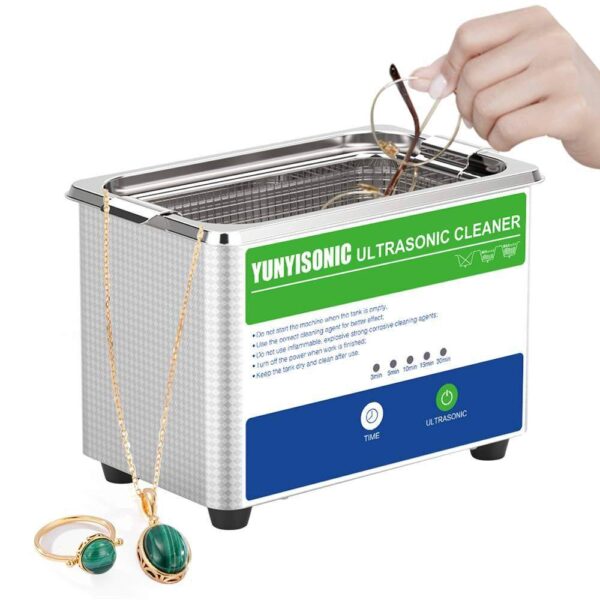
Ultrasonic cleaning excels in jewelry care because cavitation penetrates all of these intricate spaces. Dirt trapped behind gemstones, residue between metal links, and buildup in tiny engravings detach almost instantly. Rings regain their brilliance, necklaces regain their shine, and earrings become noticeably more hygienic. Jewelers rely on ultrasonic cleaning because it restores sparkle that even careful hand polishing cannot achieve.
Dental Appliances and Oral Hygiene Devices
Retainers, aligners, dentures, night guards, and other oral appliances accumulate plaque biofilm—one of the most stubborn residues to remove. Brushing appears to clean the surface but cannot reach into micro-grooves or eliminate bacteria embedded within the biofilm. Soaking tablets soften residue but rarely remove it fully.
Ultrasonic cleaning breaks down biofilm at a microscopic level. The collapsing bubbles disrupt the matrix that protects bacteria, allowing solution chemistry to dissolve loosened particles. This results in retainers that look clearer, smell fresher, and feel more comfortable. Dental clinics worldwide depend on ultrasonic systems for cleaning instruments before sterilization because the method ensures high hygiene standards.
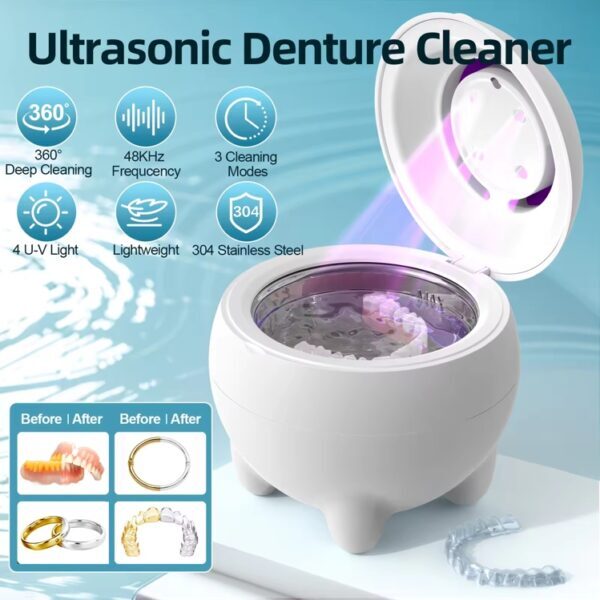
Precision Instruments and Laboratory Glassware
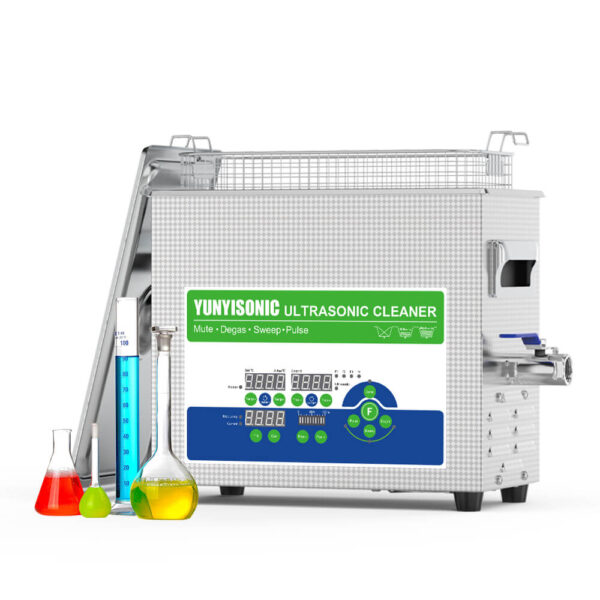
Laboratory glassware, pipettes, test tubes, and flasks often contain residues invisible to the eye yet harmful to experiments. Organic films, chemical traces, and small particles interfere with reactions and compromise data integrity. Manual scrubbing risks scratching surfaces and cannot access narrow openings. Soaking may loosen contaminants but does not detach them fully.
Ultrasonic cleaning removes these contaminants uniformly while preserving fragile surfaces. The controlled environment ensures consistent results across repeated uses, supporting accurate and reliable scientific work. Laboratories depend on ultrasonic cleaning to maintain purity benchmarks that manual methods simply cannot achieve.
Watches and Fine Mechanisms
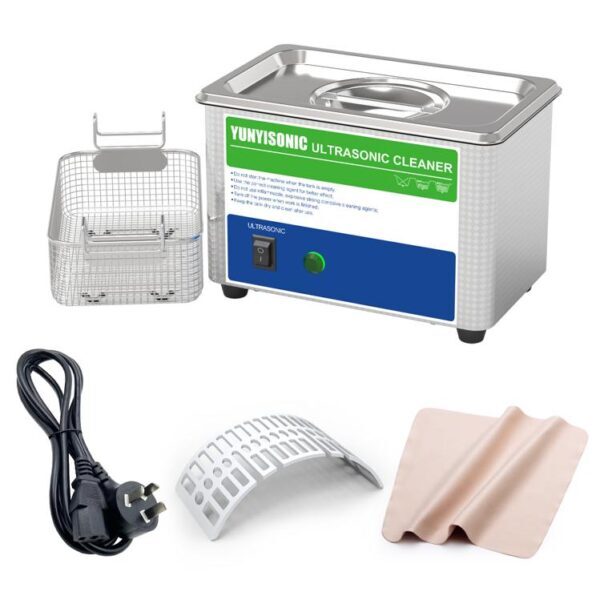
Watches contain gears, screws, bearings, and micro-components that trap dirt, oil, and metal dust. Manual cleaning risks damaging delicate assemblies, and steam cleaning cannot penetrate the tight spaces between bracelet links or deep inside the movement without disassembly.
Ultrasonic cleaning restores both exterior and interior components when used appropriately. Bracelet links become smooth again, oils lift from metal surfaces, and tiny particles that could hinder precision are removed completely. Watch repair professionals rely on ultrasonic cleaning to ensure smooth functioning of movements and to maintain aesthetic quality.
Automotive and Mechanical Components
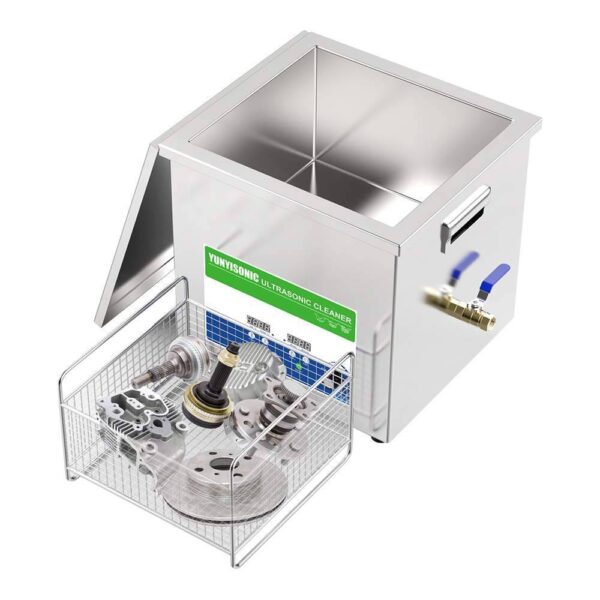
Carburetors, fuel injectors, engine parts, and metal assemblies often have internal channels impossible to clean manually. Deposits of oil, carbon, fuel residue, and metal shavings accumulate in hidden recesses. Pressure washing cleans outer surfaces but cannot reach internal passages. Soaking loosens grime but does not flush it away.
Ultrasonic cleaning penetrates these internal structures thoroughly. Cavitation bubbles reach into every passage, removing deposits that would otherwise compromise performance. Mechanics widely adopt ultrasonic cleaning for carburetor restoration because it consistently revives components in a way manual methods cannot.
Optical Equipment and Lenses
Optical components must remain perfectly clean for clarity and precision. Even small residues can distort light transmission. Manual wiping risks scratching coatings. Steam leaves mineral spots unless water purity is controlled.
Ultrasonic cleaning removes micro-debris without abrasion, making it ideal for cleaning camera lenses (only disassembled optical parts), microscope components, telescope eyepieces, and fine glass instruments. The method ensures clarity and avoids the risk of damage from direct mechanical contact.
Electronics (Selective Components Only)
Certain electronic parts—such as metal housings, heat sinks, connector pins, and disassembled mechanical components—benefit from ultrasonic cleaning. Cavitation removes flux residues, oxidation, and fine debris. While complete electronic boards require special preparation and drying, controlled ultrasonic cleaning is widely used in repair and manufacturing environments.
Firearms and Metal Restoration
Firearms contain internal channels and moving parts that accumulate carbon deposits and lubrication residue. Manual cleaning struggles with narrow passages and can leave contaminants behind. Ultrasonic cleaning removes these deposits efficiently without damaging metal surfaces, making it a preferred method for firearm maintenance.
Coin and Collector Item Cleaning (With Caution)
Ultrasonic cleaning can remove dirt from metal collectibles, but caution is required to avoid altering patina or surface treatments. When used correctly on appropriate materials, ultrasonic systems excel at restoring metal items to their natural state without abrasive contact.
Why Ultrasonic Cleaning Outperforms Other Methods in These Scenarios
The common factors in these use cases include:
- intricate geometry
- microscopic contamination
- internal channels or hidden surfaces
- materials that require non-abrasive cleaning
- hygiene or precision requirements
- the need for consistent results
These conditions create challenges for traditional methods but align perfectly with ultrasonic capabilities. Cavitation acts uniformly, gently, and deeply, making it the most effective cleaning solution in many professional and household environments.
However, ultrasonic cleaning is not always the best option. Certain materials, structures, and use cases favor traditional methods. Understanding these exceptions is crucial for balanced analysis.
Situations Where Other Cleaning Methods Are More Suitable
Ultrasonic cleaning is a powerful technology, but like any cleaning method, it has boundaries. Understanding where ultrasonic systems excel is only half of the analysis. A complete comparison also requires knowing where other cleaning methods perform better or where ultrasonic cleaning may introduce risks. These exceptions do not diminish the value of ultrasonic cleaning—in most cases, they simply reflect material limitations, structural vulnerabilities, or practical considerations. Recognizing these situations helps users choose the safest and most effective cleaning approach for each task.
Fragile Gemstones and Delicate Jewelry
Jewelry is one of the most common applications for ultrasonic cleaning, yet it also contains some of the clearest exceptions. While diamonds, sapphires, and rubies respond exceptionally well to ultrasonic cleaning, many delicate gemstones do not. Opals, emeralds, turquoise, amber, coral, and pearls can fracture, discolor, or lose moisture when subjected to ultrasonic vibration. Stones with internal cracks or inclusions—visible or not—may break under cavitation. Heat-sensitive glued settings may loosen. In these cases, manual cleaning with gentle brushing or wiping is safer.
This is not a fault of ultrasonic technology but a reflection of the stones’ fragility. When cleaning delicate jewelry, traditional methods offer more control and reduce the risk of causing irreversible damage.
Objects Held Together With Adhesives
Items that use glue rather than mechanical fastening often fare poorly in ultrasonic cleaning. Watches with glued crystal lenses, decorative items with adhesive embellishments, costume jewelry with bonded stones, and repaired items with epoxy joints can weaken or fall apart during ultrasonic treatment. The vibration loosens adhesives, especially if they have aged or were applied inconsistently.
Manual or light steam cleaning is more suitable in such situations, allowing users to avoid stressing fragile joints.
Soft, Porous, or Absorbent Materials
Porous stones, unsealed wood, leather, fabric items, and organic materials tend to absorb water. Ultrasonic cleaning immerses items fully in liquid, which can cause swelling, discoloration, texture changes, or structural weakening. Even gentle cavitation may exacerbate hidden weaknesses in fragile or aging materials.
These items respond better to surface-level cleaning such as light wiping, spot cleaning, or dry methods like brushing or air dusting.
Large Surface Cleaning or Heavy Dirt Removal
Ultrasonic cleaning excels at micro-level cleaning but is not designed for heavy dirt on large surfaces. Cleaning:
- outdoor tools covered in mud
- large cooking equipment with heavy grease buildup
- industrial parts with thick coatings
- walls, floors, or panels
…is more efficiently handled by pressure washing or steam cleaning. These methods apply broad, powerful force across open areas, removing coarse contamination quickly. Ultrasonic cleaning would be impractical for such tasks because of tank size and the depth-oriented nature of cavitation.
Electronics With Fully Assembled Components
Ultrasonic cleaning can be used on certain electronic parts, but not on fully assembled devices containing:
- displays
- speakers
- sensors
- batteries
- delicate solder joints
- moisture-sensitive components
Immersion exposes circuits to moisture, risking short circuits, corrosion, and functional failure. Some repair technicians use ultrasonic cleaners for circuit boards, but only with controlled solutions, appropriate drying procedures, and specialized equipment.
For everyday users, manual cleaning, compressed air, or contact-safe cleaners are safer options.
Heat-Sensitive Plastics and Coatings
Some plastics warp or cloud at elevated temperatures. Because ultrasonic cleaning often uses warm solutions to improve cavitation, items such as clear retainers, cheap plastic lenses, certain acrylics, and low-grade polymers may deform if not handled carefully. Similarly, delicate coatings on eyeglasses or screens can peel if exposed to a combination of heat and vibration.
These items require cooler temperatures or alternative cleaning methods such as wiping with a microfiber cloth.
Oxidized Metals and Tarnish Removal
Ultrasonic cleaning does not remove oxidation or tarnish—these are chemical reactions that bond strongly to metal surfaces. While ultrasonic systems remove dirt that hides tarnish, they do not reverse the tarnishing process. Specialized chemical agents are required for tarnish removal. In such situations, soaking or manual polishing may be more effective.
Items That Require Polishing or Surface Refinishing
Ultrasonic cleaning removes contaminants, not scratches or dullness. Items that need:
- polishing
- buffing
- surface restoration
- finishing touches
…will not achieve these results through ultrasonic cleaning. Manual or mechanical polishing remains the only way to smooth surfaces or restore shine lost to wear, abrasion, or oxidation.
When User Preference or Convenience Suggests Other Methods
Not every situation demands deep cleaning. For some users, the setup, filling, draining, and solution management associated with ultrasonic cleaners feel unnecessary for light dust or simple smudges. A quick wipe may be more practical for:
- fingerprints on glasses
- dust on a smooth surface
- lightly soiled metal parts
- everyday cleaning tasks without buildup
In these cases, ultrasonic cleaning provides deeper results but may exceed the needs of the moment.
These scenarios illustrate that while ultrasonic cleaning offers unmatched precision and thoroughness, it is not universally ideal. The goal is not to replace all cleaning methods but to complement them. By choosing the method that aligns with an item’s material, structure, and sensitivity, users protect their belongings while ensuring effective results.
Final Thoughts: Choosing the Right Cleaning Method for Each Task
Cleaning is often viewed as a simple routine, but the deeper one looks, the more evident it becomes that not all cleaning methods achieve the same outcome. Each approach—manual scrubbing, soaking, steam cleaning, high-pressure washing, and ultrasonic cleaning—operates with different principles, strengths, and limitations. When these differences are understood, choosing the right method becomes less about preference and more about matching the right tool to the right task.
Ultrasonic cleaning stands out because it solves problems that other methods struggle with. It reaches places brushes cannot reach, disrupts biofilm that soaking cannot penetrate, removes microscopic particles that steam cannot dislodge, and delivers consistency manual cleaning cannot replicate. Whenever an object contains intricate geometry, hidden cavities, fine internal channels, or requires a level of cleanliness that goes beyond the visible surface, ultrasonic technology consistently proves itself to be the most effective option.
Other methods, however, hold their place. Manual cleaning remains ideal for delicate materials, simple surfaces, and tasks that require careful human judgment. Chemical soaking excels when a contaminant must be dissolved chemically rather than detached physically. Steam and high-pressure cleaning provide rapid, aggressive cleaning for large surfaces or heavily soiled materials. These approaches remain indispensable in situations where ultrasonic cleaning is either unnecessary, impractical, or potentially damaging.
The real power comes from understanding the purpose behind each method. Precision tasks—such as restoring jewelry brilliance, maintaining dental appliances, preparing laboratory equipment, and cleaning mechanical components—benefit enormously from ultrasonic cleaning because cleanliness affects more than appearance; it influences performance, hygiene, and reliability. At the same time, items with fragile structures, porous materials, or sensitive coatings call for gentler approaches.
Choosing the right method requires evaluating three key elements: the item’s material, its structure, and the type of contamination. When these factors align with the physics of ultrasonic cleaning, the results are unmatched. When they do not, traditional methods often deliver a safer, more controlled outcome.
In practice, many users find themselves adopting a hybrid approach. They rely on manual cleaning for quick touch-ups, use soaking to soften stubborn residues, turn to steam for surface sanitation, and reserve ultrasonic cleaning for tasks that demand true depth and thoroughness. This combination supports both efficiency and safety, ensuring that each item receives the cleaning method best suited to its condition.
Ultimately, ultrasonic cleaning is not a replacement for all other cleaning methods—but it is the most transformative cleaning technology available for items that require detail, precision, and complete contaminant removal. By understanding its strengths and recognizing its limits, users can make informed choices that preserve materials, enhance performance, and maintain hygiene at levels that traditional methods rarely reach.
The future of cleaning—across industries, laboratories, homes, and workshops—will continue to blend familiar techniques with advanced methods like ultrasonic technology. As objects become more intricate and standards for hygiene and precision rise, the importance of choosing the right cleaning method becomes even more significant. Ultrasonic cleaning offers a powerful solution where it matters most, complementing rather than replacing traditional approaches, and enabling a higher standard of cleanliness that aligns with modern needs.