





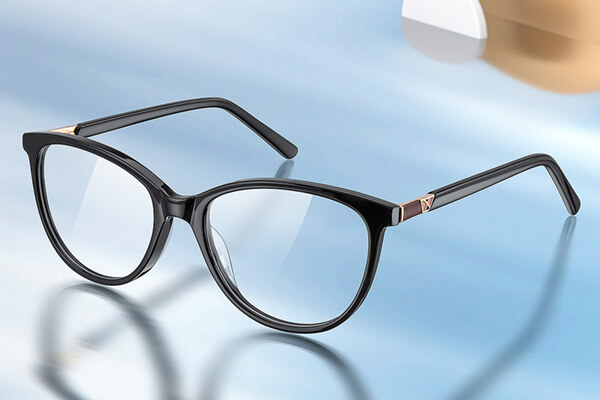

Myopia-control defocus glasses are a relatively new innovation in vision correction, designed not just to help people see clearly, but to slow the progression of myopia, especially in children and teenagers. These lenses use a special optical design that creates a subtle, intentional defocus on the peripheral retina while maintaining clear vision at the center. The result is a therapeutic effect that helps manage eye growth and reduces the rate at which myopia worsens.
Unlike standard single-vision lenses, which only correct the refractive error, defocus lenses—such as those using DIMS (Defocus Incorporated Multiple Segments) or HAL (Highly Aspherical Lenslets) technology—are made with tiny lenslets or alternating focal zones built into the lens surface. These are precisely engineered, often using advanced polymer composites and layered coatings to ensure the lenses remain transparent and effective.
Brands like Hoya’s MiyoSmart and Essilor’s Stellest have become the most widely recognized manufacturers in this space, and their lenses are often prescribed by optometrists as a non-invasive alternative to contact lenses or atropine drops for myopia management.
These lenses typically include multiple layers of specialized coatings:
- Anti-reflective (AR) coating
- Anti-UV or blue-light protection
- Scratch-resistant surfaces
- Sometimes photochromic layers that darken in sunlight
Due to the complexity of their construction, these lenses require careful handling and maintenance. That brings us to the question many users are starting to ask: can they be safely cleaned in an ultrasonic cleaner?
How Ultrasonic Cleaners Work
Ultrasonic cleaners have been widely used for cleaning eyewear, jewelry, medical tools, and precision components. Their popularity comes from how thoroughly they clean even intricate objects—without requiring direct scrubbing or harsh chemicals.

The Principle Behind Ultrasonic Cleaning
Here’s how they work:
An ultrasonic cleaner uses a transducer to generate high-frequency sound waves, usually between 20 to 80 kilohertz, which pass through a liquid (typically water mixed with a mild cleaning solution). These waves cause microscopic cavitation bubbles to form and collapse rapidly. The energy released from this cavitation process dislodges dirt, oil, debris, and even bacteria from the surfaces of objects submerged in the tank.
For eyeglasses, ultrasonic cleaning is often recommended for removing:
- Skin oils around nose pads
- Dust in the corners of frames
- Fingerprints or residue from creams or cosmetics
- Particles trapped in hinges or lens edges
Standard lenses, including most single-vision plastic and polycarbonate types, can usually handle ultrasonic cleaning quite well—especially when the solution is neutral and the cleaning cycle is brief.
However, when it comes to myopia-control defocus lenses, the situation becomes more complex due to their non-standard optical structure and specialized coatings.
Are Ultrasonic Cleaners Safe for Defocus Lenses?
While ultrasonic cleaning may sound like a gentle and high-tech solution, its effects on multi-layered, optically sensitive defocus lenses can raise some concerns. The key difference lies in the physical and chemical complexity of these lenses compared to traditional optical products.
Defocus lenses are not just curved pieces of transparent plastic. They are:
- Carefully engineered with microscopic lenslets, segments, or surface patterning
- Made from high-grade polymers that may be softer or more sensitive than standard plastics
- Finished with multiple special coatings, some of which are more prone to wear under mechanical stress or heat
When ultrasonic waves create cavitation bubbles, the resulting mechanical energy impacts the surface of the lens, even if the effect is imperceptible to the naked eye. While this may be harmless for regular lenses, there’s growing concern that repeated ultrasonic exposure could lead to:
- Degradation of anti-reflective coatings
- Disruption of surface lenslets or focal zones
- Tiny surface cracks invisible at first, but potentially affecting optical performance
- Delamination between coating layers or substrate materials
Because the microstructures in defocus lenses are integral to the therapeutic effect, any damage or misalignment—no matter how small—could reduce the effectiveness of the lens or even render it optically inconsistent.
Furthermore, most defocus lenses are not designed with ultrasonic cleaning in mind, and few manufacturers test their products under these conditions. This makes it difficult to assess risk without direct data from lens engineers or material science labs.
Potential Risks of Ultrasonic Cleaning on Defocus Glasses
Ultrasonic cleaning might seem gentle—it doesn’t scrub or apply pressure—but it’s deceptively powerful. For most objects, that’s a good thing. But for myopia-control defocus glasses, which contain precisely engineered micro-optics and specialized coatings, even subtle mechanical energy or heat can cause unintended damage over time.
Cavitation and Coating Degradation
The process of cavitation generates thousands of tiny implosions per second in the cleaning solution. When these implosions occur near the lens surface, they create localized shockwaves and temperature spikes—small, but repeated.
In conventional lenses, this can strip away grime and skin oils without issue. But in defocus lenses, this activity may:
- Weaken anti-reflective coatings that are thinner or multi-layered
- Cause micro-pitting in high-index or soft polymer lens substrates
- Disturb surface-level lenslet structures, especially if they’re exposed or semi-embedded
Over time, this can lead to a visible dulling of the lens, and even when not visible, subtle optical distortions can result if the precision defocus zones are disrupted.
Risk to Photochromic or Blue-Light Filters
Many defocus lenses also incorporate photochromic properties (light-responsive darkening) or blue-light filtering to improve comfort and reduce visual fatigue. These features are often added as thin layers or embedded particles within or near the lens surface.
Ultrasonic vibration, combined with heat or chemical residue from the cleaning bath, can accelerate the breakdown of these filters, especially if:
- The ultrasonic cleaner exceeds 45–50°C (113–122°F)
- The cleaning cycle is repeated too frequently
- Inappropriate detergents are used
The result? A lens that no longer reacts to light properly or loses its filtering effectiveness, undermining both comfort and long-term protection.
Structural Risks: Delamination and Microfractures
Defocus lenses often rely on precision lamination, especially in designs that use “sandwiched” lenslets or embedded aspherical zones. Even if the lens appears to be a single piece, it may include multiple bonded layers.
Repeated ultrasonic cleaning may:
- Loosen adhesive bonds between these layers
- Cause microfractures in areas where mechanical stress concentrates
- Lead to optical instability, such as focal drift or slight warping, which isn’t always obvious to the naked eye but can affect vision clarity
Though rare, delamination or internal warping would typically void warranties and require complete lens replacement.
Glasses
Manufacturer and Expert Recommendations
Given these potential risks, it’s no surprise that most lens manufacturers and optical professionals adopt a cautious stance when it comes to ultrasonic cleaning for defocus glasses.
Brand Guidance: Hoya and Essilor
- Hoya, the maker of MiyoSmart lenses, advises against ultrasonic cleaning altogether for its defocus lenses. Their product information emphasizes gentle manual cleaning with water and lens-safe microfiber cloths, warning that improper care may reduce therapeutic effectiveness or compromise coatings.
- Essilor, which produces the Stellest lenses, also promotes manual cleaning methods, typically recommending:
- A rinse under lukewarm water
- Use of a pH-neutral eyeglass cleaner
- Drying with a clean, soft microfiber cloth
Neither brand officially endorses the use of ultrasonic cleaners on defocus lenses, and some opticians report that using one may void warranty protection if damage is traced back to ultrasonic exposure.
What Optometrists and Optical Technicians Say
Many practicing optometrists echo these concerns, especially those who fit myopia-control glasses for children. Because defocus technology is still evolving, and because long-term studies on cleaning methods are limited, the general consensus is to err on the side of caution.
Optical lab technicians who work with coatings and lens fabrication often point out that:
- AR coatings are highly susceptible to surface stress
- Repeated ultrasonic use weakens hydrophobic and anti-smudge layers
- Ultrasonic tanks in retail stores are often not cleaned or calibrated regularly, which increases risk when used on delicate lenses
Some professionals will use ultrasonic cleaning only for metal frames, removing the lenses first—a sign of how cautious experts have become around lens integrity.
Safe Cleaning Practices for Defocus Glasses
Caring for myopia-control defocus glasses doesn’t need to be complicated, but it does require a different level of caution than cleaning standard lenses. Since these lenses incorporate microstructured surfaces, multi-layer coatings, and sometimes photo-reactive elements, a gentle, non-invasive cleaning routine is essential to maintain their optical performance and durability.
Daily Maintenance: Water, Cloth, and Care
For everyday cleaning, manual methods are safest. Most lens manufacturers recommend:
- Rinsing the lenses under lukewarm, running water to remove dust and prevent scratches
- Using a pH-neutral eyeglass lens cleaner (specifically labeled as safe for coatings)
- Gently wiping the lenses with a clean microfiber cloth, ideally one provided by the optical shop or the lens brand
Microfiber cloths trap oils and debris effectively without scratching. However, they should also be washed regularly, as dirty cloths can grind particles into the lens surface and cause damage over time.
When Deeper Cleaning Is Needed
Sometimes, regular wiping isn’t enough—especially if the lenses have accumulated skin oils, sweat, or residue from cosmetics. In such cases:
- Soak the glasses in lukewarm water mixed with a drop of dish soap (mild, without additives like moisturizers or ammonia)
- Gently rub the lenses and frame with fingers or a soft sponge
- Rinse thoroughly and pat dry with a lint-free towel before finishing with a microfiber cloth
Avoid using:
- Paper towels or tissues, which can scratch coatings
- Window cleaner, alcohol, or vinegar, which may strip lens layers
- Hot water, which can weaken coatings and adhesives
Should You Ever Use Ultrasonic Cleaners?
If ultrasonic cleaning is absolutely necessary—for example, in cases where the glasses are extremely soiled or the frame requires deep cleaning—you must take extra precautions:
- Do not submerge the lenses; remove them if possible
- Use the ultrasonic cleaner only for the frame or metal components
- If cleaning the full glasses, use short cycles, low temperature settings (below 40°C), and avoid any detergent that isn’t explicitly marked as lens-safe
- Never use the ultrasonic cleaner frequently—only for occasional maintenance when no other method is effective
Remember that even a single incorrect cleaning cycle can cause subtle optical changes that are hard to detect at first—but may impact the lens’s ability to properly manage defocus and control myopia progression over time.
Comparing Ultrasonic Cleaning for Defocus vs Standard Lenses
Standard single-vision lenses—those made of plastic, polycarbonate, or trivex—are usually more forgiving when it comes to ultrasonic cleaning. These lenses are:
- Structurally uniform
- Lacking embedded optical zones or lenslets
- Coated with robust AR and scratch-resistant layers designed for general wear
Many optical shops use ultrasonic cleaners for these lenses daily, particularly for removing makeup, oils, and particles trapped near the lens edge or frame groove. As long as the solution is clean and the temperature is controlled, these lenses hold up well.
In contrast, defocus lenses differ significantly:
- Their optical correction zones are built into or near the surface
- Some designs contain micro-etched segments or dome-shaped structures
- They use layered coatings and adhesive bonding, which may respond poorly to vibration or heat
As a result, even if ultrasonic cleaning does not immediately damage defocus lenses, repeated cycles may degrade performance in ways that aren’t obvious until visual comfort or treatment efficacy begins to decline.
Professionals generally recommend treating defocus lenses more like precision optical instruments than typical consumer eyewear.
Environmental Factors and Long-Term Lens Durability
Even when ultrasonic cleaners are avoided, defocus lenses are exposed to a variety of environmental stressors throughout their lifecycle. These factors—heat, humidity, UV exposure, and handling habits—can all contribute to gradual wear. When ultrasonic cleaning is added into the mix, especially on a regular basis, it may accelerate this degradation.
The Role of Temperature and Humidity
Defocus lenses are constructed with extreme precision. Many designs include multiple polymer layers, coatings, or embedded lenslets that respond differently to temperature fluctuations or moisture. Prolonged exposure to:
- High temperatures (above 50°C)
- Direct sunlight in hot environments
- Steam from showers or hot water cleaning
…can slowly deteriorate these layers. Heat may cause adhesives to soften or coatings to lift, while humidity can infiltrate porous materials, affecting clarity and structural integrity.
This is particularly important in subtropical climates, where users often report a faster decline in lens performance, especially if improper storage or cleaning methods are used.
Chemical Exposure and Accumulated Wear
Even mild chemicals can cause damage over time. For example:
- Skin oils and sweat can break down anti-reflective coatings
- Facial products and sunscreen can build up in the lenslet zones
- Repeated wiping with unclean cloths can create fine scratches
If ultrasonic cleaning is used in addition to these daily exposures—especially without proper control of solution type, temperature, and cycle duration—it acts as a compounding stressor. What might seem like a harmless 3-minute cycle could contribute to premature wear when done weekly or in combination with other damaging habits.
Lifespan Expectations With and Without Ultrasonic Use
Manufacturers typically recommend replacing defocus lenses every 12 to 24 months, depending on prescription changes and wear. With proper care—gentle cleaning, protective cases, and mindful handling—users often report lenses lasting well beyond two years with little to no optical distortion.
However, anecdotal reports from optometrists suggest that lenses exposed to frequent ultrasonic cleaning are more likely to show:
- Coating delamination after one year
- Optical haze or surface dulling
- Uneven light transmission through defocus zones
This reinforces the idea that ultrasonic cleaners, while effective for general-purpose eyewear, pose a cumulative risk to specialized lenses.
Case Studies and Real-World Experience
There’s limited formal research specifically addressing ultrasonic cleaning and defocus lens degradation. However, real-world accounts from users and opticians offer valuable insight into how these lenses respond to various cleaning methods.
Optical Clinics: Lens Return and Warranty Trends
Several optical clinics have reported that returned defocus lenses showing premature wear or unexpected distortion often have one thing in common—ultrasonic cleaning.
In one case, a clinic found that 7 out of 10 damaged MiyoSmart lenses returned under warranty had been exposed to ultrasonic cleaning, even though the manual clearly advised against it. Issues reported included:
- “Softening” of the lenslets, causing blurred peripheral vision
- White spots or discoloration near the edges
- Loss of anti-smudge performance within six months
These failures weren’t catastrophic, but they impacted visual comfort and treatment adherence—especially for children, who are less likely to report subtle changes until discomfort becomes noticeable.
User Reports: Subtle Changes Over Time
Parents and adult users have shared online that after repeated ultrasonic cleaning, their children:
- Began to complain about glare or difficulty focusing
- Noticed the lenses “felt foggy” even when clean
- Experienced a reduced “darkening effect” in photochromic versions
In most cases, these users were unaware that ultrasonic cleaning could be problematic. They assumed that since it was safe for regular eyeglasses, it must be safe for defocus lenses as well.
Only after discussing the issue with optometrists did they realize the cumulative effect of ultrasonic exposure might have caused the decline in lens quality.
Third-Party Cleaning Services
Some optical shops offer cleaning services that automatically include ultrasonic cleaning. Unfortunately, they may not distinguish between regular and defocus lenses unless specifically informed. Users who leave their glasses for cleaning without mentioning the lens type may unknowingly subject their defocus lenses to vibration cycles they’re not designed to withstand.
This highlights the need for clear labeling or communication, particularly when dealing with specialized vision correction technology.
Final Recommendations and Best Practices
Caring for myopia-control defocus glasses isn’t complicated—but it does require a more thoughtful, intentional approach. These lenses are sophisticated medical tools, not just pieces of plastic. Their structure is designed to deliver long-term therapeutic benefit, and preserving their integrity is crucial to maintaining visual health—especially for growing children.
While ultrasonic cleaners offer unmatched convenience and cleaning power, they are not recommended for defocus lenses. The risk of damaging lenslets, degrading coatings, or disrupting the optical alignment outweighs the potential cleaning benefits.
Here’s what optometrists and experienced users suggest instead:
- Stick to manual cleaning using lukewarm water, a neutral lens-safe cleaner, and a clean microfiber cloth
- Avoid harsh chemicals, alcohol-based wipes, or strong detergents
- Do not expose lenses to high heat, steam, or prolonged sunlight when not worn
- Store the glasses in a protective case when not in use
- If deeper cleaning is needed, consult your optician first—never assume ultrasonic cleaning is safe
Additionally, when you visit optical shops or cleaning services, communicate clearly that your lenses are myopia-control defocus lenses and should not be cleaned ultrasonically.
Maintaining these glasses carefully not only protects your investment but also ensures that the therapeutic effects remain consistent—supporting healthy vision development for as long as your child needs it.
Frequently Asked Questions (FAQs)
Can I use an ultrasonic cleaner if I reduce the cleaning time or temperature?
It’s still not recommended. Even short cleaning cycles can introduce unnecessary mechanical stress, and most manufacturers do not test their lenses under these conditions.
What if only the frame is dirty—can I clean it ultrasonically without the lenses?
Yes. If the lenses are removable, you can clean the frame separately. However, make sure to reinstall the lenses properly to avoid damaging the optical alignment.
Are there ultrasonic cleaners made specifically for sensitive lenses?
Some manufacturers claim to offer “gentle” or “eyewear-safe” ultrasonic models. However, none are officially approved for use with myopia-control defocus lenses at this time.
How do I know if my lenses are defocus lenses?
If your glasses were prescribed to manage childhood myopia progression, and your optometrist mentioned lenslet zones, DIMS, HAL, or used brand names like MiyoSmart or Stellest, then you are likely using defocus lenses.