





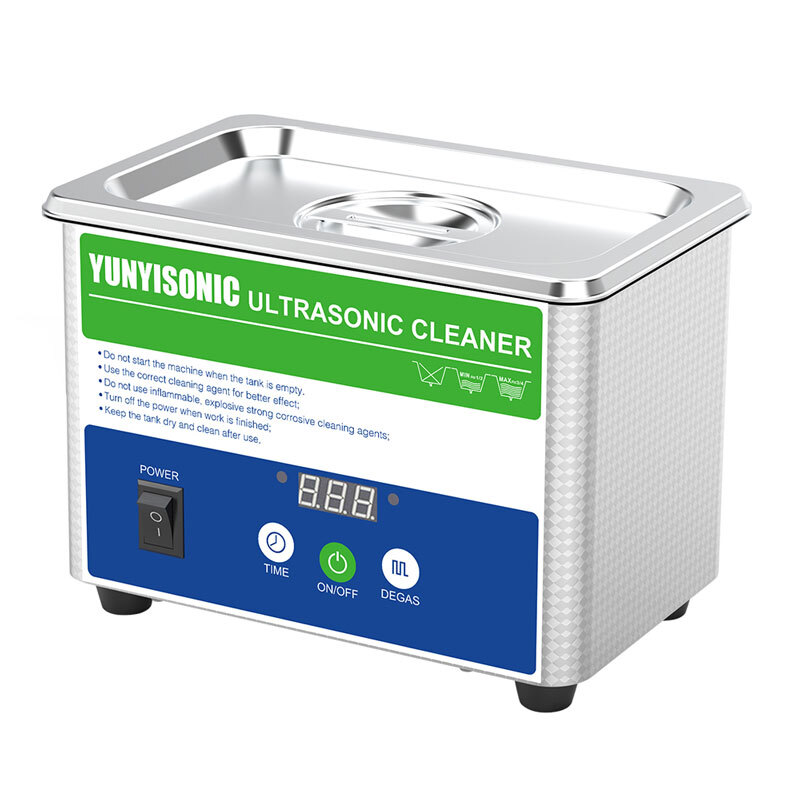

There’s a quiet revolution happening in how we clean delicate, intricate, and hard-to-reach objects. From dental instruments to antique jewelry, ultrasonic cleaners have become a go-to solution for both professionals and home users. But how exactly do they work—and why are they becoming such a common sight in labs, clinics, and even living rooms?
The Role of Cavitation in Cleaning
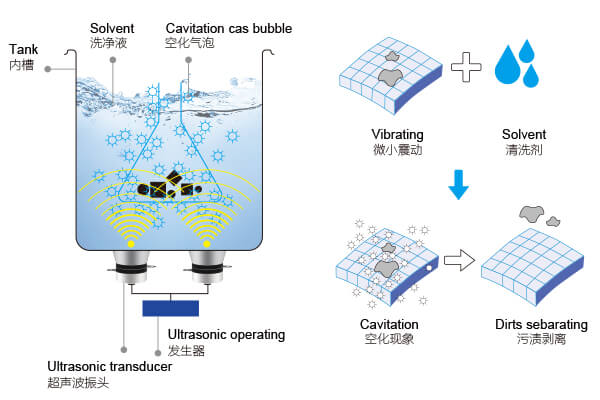
The Principle Behind Ultrasonic Cleaning
At the heart of ultrasonic cleaning is a phenomenon known as cavitation. It’s not something we see with the naked eye, but its effects are surprisingly powerful. When high-frequency sound waves—typically between 20kHz and 80kHz—are transmitted through a liquid, they create microscopic vacuum bubbles. These bubbles rapidly form and collapse, releasing intense energy at a microscopic level. That energy dislodges dirt, grease, rust, and contaminants from every nook and cranny of a submerged item.
This action happens thousands of times per second across the entire surface of the object being cleaned. It’s why ultrasonic cleaning is ideal for items with tiny crevices or delicate surfaces—places brushes and cloths simply can’t reach.
Where These Devices Are Commonly Used
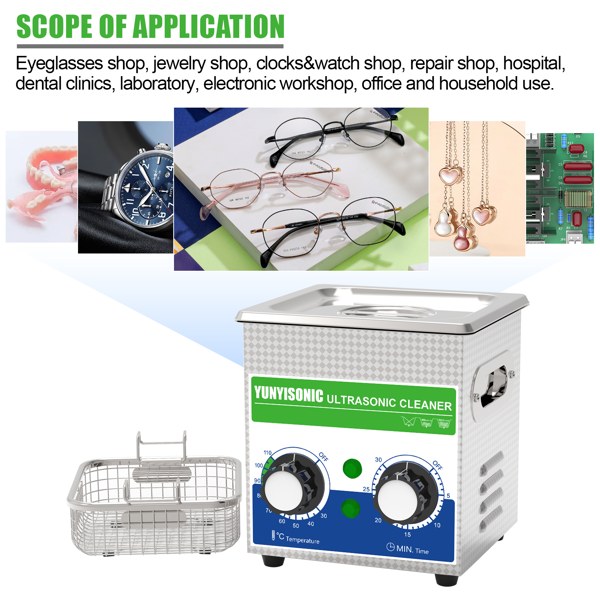
Ultrasonic cleaners aren’t limited to one industry. In fact, their range of applications is as diverse as their sizes and configurations. You’ll find them in:
- Dental and medical clinics, for cleaning surgical tools
- Jewelry stores and watch repair shops, where ultrasonic cleaning brings back brilliance
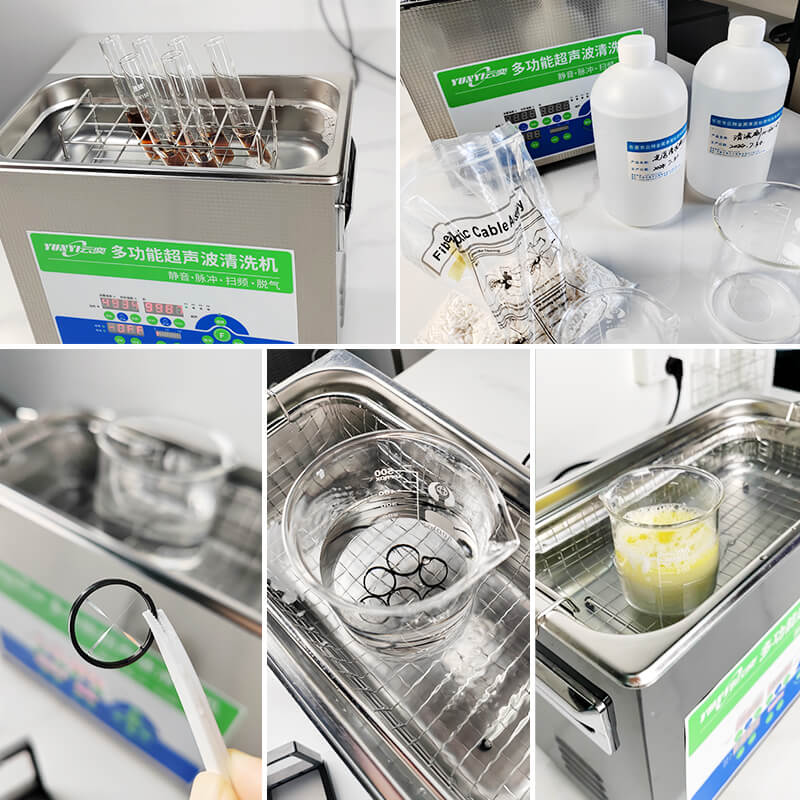
- Laboratories, where test tubes and metal instruments demand thorough decontamination
- Automotive workshops, for parts like carburetors, valves, and injectors
- Home environments, where users clean eyeglasses, razors, and even baby pacifiers
Their broad usage speaks to their effectiveness, but also to their adaptability. They can clean soft gold rings or hardened machine parts with equal precision, provided the settings are appropriate.
Why Ultrasonic Cleaning Has Gained Popularity
A major reason ultrasonic cleaners are gaining traction is their ability to clean thoroughly without damaging items. Unlike manual scrubbing or soaking in aggressive chemicals, ultrasonic waves clean via energy—not friction. This makes the method especially attractive for professionals working with sensitive tools or heirlooms that could be damaged with improper care.
In addition, the time savings are significant. What might take 20 minutes by hand often takes 5 minutes in an ultrasonic bath. For busy clinics or repair shops, that efficiency translates into more patients served or more customers helped—without sacrificing quality.
The Core Strengths of Ultrasonic Cleaning Technology
Now that we understand the basics of how these machines work, it’s worth exploring what really makes ultrasonic cleaners stand out. Their popularity isn’t just a trend—it’s rooted in real, measurable advantages.
Deep Cleaning of Complex Surfaces
Objects with threads, hinges, grooves, or porous surfaces are notoriously difficult to clean using conventional tools. Brushes often miss tight spaces, and soaking in chemicals can’t reach hidden contaminants. Ultrasonic cleaning doesn’t suffer from these limitations. The microscopic bubbles generated during cavitation surround and attack every exposed surface evenly—even those that are invisible to the human eye.
Think of cleaning a fine mesh filter, a detailed necklace chain, or a micro-screw from an optical device. These items benefit immensely from the precision of ultrasonic waves, delivering results that would be nearly impossible to achieve by hand.
Safe for Delicate and Sensitive Items
Another major strength of ultrasonic cleaning is its non-abrasive nature. Unlike sandblasting or mechanical agitation, it doesn’t rely on harsh contact to clean. That’s a critical feature for objects made of soft metals, polished glass, gemstones, or precision electronics.
Delicate eyeglass coatings, camera lenses, and medical components often come with special finishes that can be scratched or dulled by traditional methods. With ultrasonic cleaning, as long as the frequency and solution are chosen correctly, these items are cleaned thoroughly and safely.
Time Efficiency and Labor Reduction
For many professionals, time is money. Ultrasonic cleaning dramatically reduces the labor associated with scrubbing, wiping, and drying. Once items are submerged and the cleaner is turned on, the process is mostly hands-off.
Multiple items can be cleaned simultaneously without extra effort. In dental clinics, for example, trays of instruments can be sanitized in minutes, freeing up staff to focus on patient care. In repair shops, technicians can clean multiple watch or phone components while working on something else.
This efficiency makes ultrasonic cleaning not just a quality decision—but a business one.
Non-Abrasive, Eco-Friendly Process
While not every cleaning solution is eco-friendly, ultrasonic cleaning as a process requires less aggressive chemistry than traditional degreasing or sterilization. Many users rely on mild detergents, distilled water, or biodegradable solutions instead of solvent-based cleaners.
Additionally, because there is no mechanical contact, the wear and tear on both the object and the cleaning equipment is minimized. This prolongs the life of both the items being cleaned and the cleaner itself.
For industries trying to reduce their environmental footprint, this low-impact method is an attractive option.
Broad Compatibility with Cleaning Solutions
Ultrasonic cleaners are also highly flexible in terms of the liquids they can use. Depending on the object and contaminants, users can customize their cleaning bath:
- Distilled water and mild detergent for jewelry
- Isopropyl alcohol for circuit boards
- Enzyme-based solutions for biological materials
- Deionized water for optics and lab glassware
This compatibility with a wide range of cleaning agents adds to the adaptability of ultrasonic cleaning across industries.
Real-World Benefits for Different Applications
While the science behind ultrasonic cleaning is compelling on its own, its practical value is best seen in action. Different industries and users apply ultrasonic cleaners in different ways, tailoring their approach to match specific needs. Whether it’s restoring brilliance to a ring or preparing surgical tools for sterilization, the advantages go far beyond convenience.
Jewelry and Watch Cleaning at Home
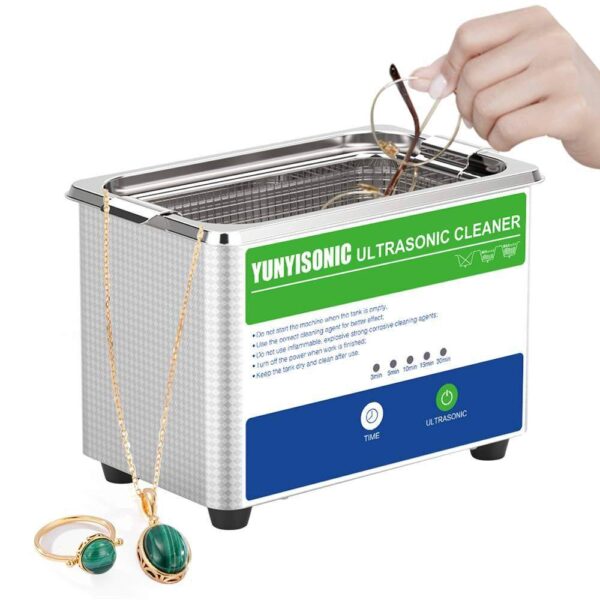
One of the most visible transformations ultrasonic cleaning can offer is with jewelry and watches. Rings dulled by years of skin oils, lotions, and dust can regain their original sparkle in just a few minutes. Watchbands, especially those made from metal links, are notorious for trapping grime in places that are nearly impossible to clean by hand.
With the right settings and a mild cleaning solution, ultrasonic cleaners can safely remove years of buildup from:
- Engagement rings and wedding bands
- Gold chains and pendants
- Watch bezels and clasps
- Earrings with intricate designs
Home users are especially drawn to this application because it delivers professional results without needing to visit a jeweler. It’s cost-effective, fast, and rewarding to see.
Optical and Medical Equipment
In fields where precision and hygiene are non-negotiable, ultrasonic cleaning is often the first step before sterilization. Dental offices use these devices to remove blood, saliva, and tissue residue from tools. Optical labs rely on ultrasonic cleaning to prepare lenses and frames without scratching or altering coatings.
Because the process is non-contact and thorough, it’s ideal for instruments with grooves, indentations, or moving parts. Ophthalmic equipment, endoscopic instruments, and scalpels all benefit from ultrasonic cleaning before going into autoclaves or chemical sterilants.
The consistency ultrasonic cleaning offers also reduces the human error that can occur with manual scrubbing.
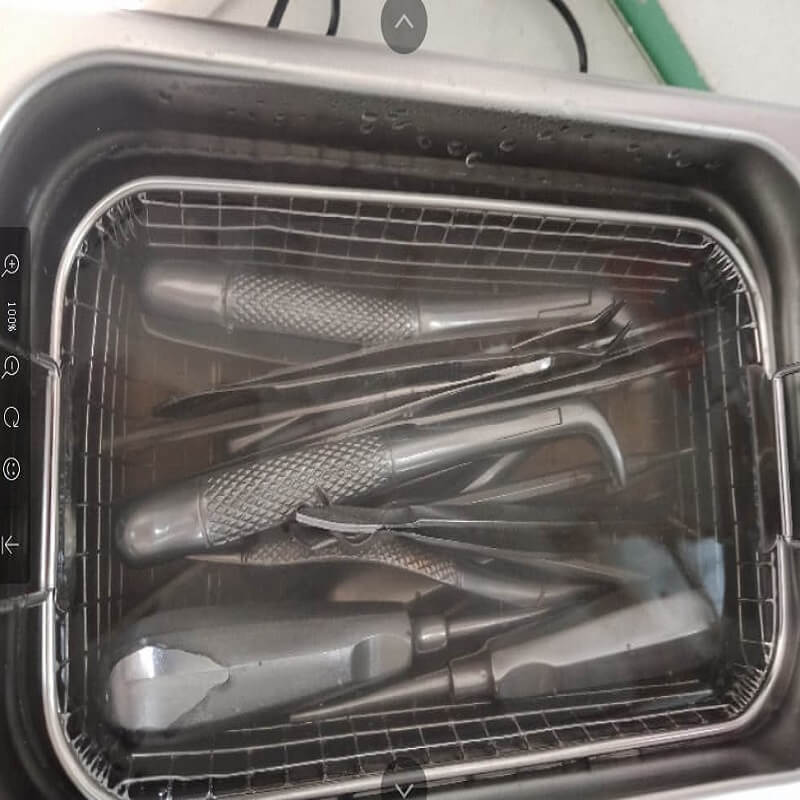
Dental Instrument Cleaning With Multi Enzyme Liquid And Water
Laboratory and Scientific Settings
Scientific environments demand purity and precision—not just of results, but of the tools used to obtain them. Any trace of residue or contamination on a beaker, flask, or pipette could alter chemical reactions or skew experimental data.
Ultrasonic cleaners in labs are used to:
- Clean glassware thoroughly between experiments
- Remove residues from stainless steel and titanium components
- Degas solutions before testing
- Prepare materials for further sterilization or analysis
Many labs even use ultrasonic cleaners to disperse particles in liquids, helping create uniform suspensions for research purposes. Their utility often goes beyond cleaning, becoming part of the scientific workflow.

Automotive and Industrial Use Cases
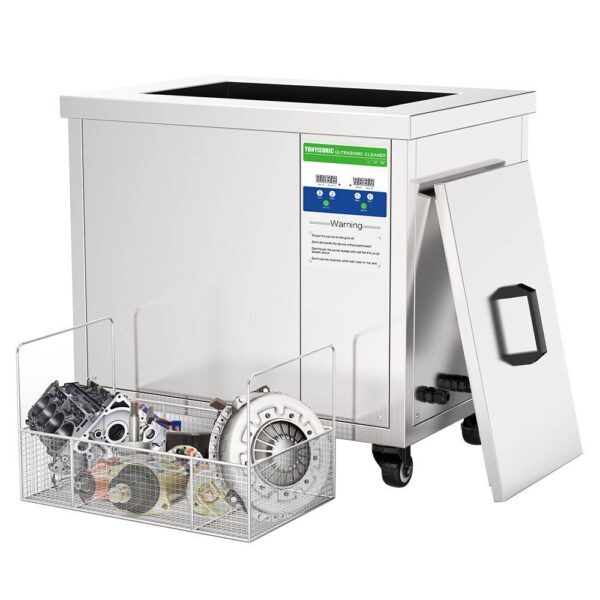
In automotive garages and industrial maintenance shops, ultrasonic cleaners are often seen on workbenches, humming as they clean greasy engine parts, carburetors, valves, and injectors. These parts are not only exposed to heavy contaminants, but also built with tiny internal passages where solvents alone are ineffective.
Ultrasonic cleaning offers an efficient way to:
- Dissolve carbon buildup
- Remove hardened grease
- Clean without damaging threads or fittings
- Restore functionality to clogged fuel system components
For mechanics, this means faster turnaround and better performance for rebuilt or serviced components.
Industrial-grade ultrasonic cleaners used in these settings often have higher power ratings and reinforced tanks to withstand harsher conditions and heavier loads.
Understanding the Downsides and Limitations
While ultrasonic cleaners offer compelling benefits, they aren’t perfect. Like any technology, they have limitations and potential drawbacks—especially when used improperly or in the wrong context. Understanding these limitations helps you set the right expectations and use the equipment more effectively.
Initial Cost and Maintenance Requirements
A quality ultrasonic cleaner is an investment. Even a small home unit can range from $50 to $150, while professional-grade devices can climb into the thousands, depending on size, power, and features.
Beyond the upfront cost, there’s also ongoing maintenance to consider:
- Cleaning the tank regularly to prevent mineral buildup
- Replacing cleaning solutions frequently
- Checking transducer function and wiring
- Calibrating heating and timer systems on high-end units
While not excessive, these requirements do add to the long-term cost and care needed to keep your cleaner running effectively.
Noise Levels and Vibration Considerations
Ultrasonic cleaners are not silent machines. The cavitation process produces a high-pitched buzzing sound, which may be barely noticeable in some models but quite loud in others—especially industrial types.
Some users are surprised at how intense the vibration can be, especially when cleaning larger or heavier items. Placing the unit on a cushioned or rubberized surface can help, but it’s important to know these machines aren’t completely quiet by design.
If you’re planning to use one in a shared space—like a small office or apartment kitchen—this may be a concern.
Limitations for Certain Materials and Contaminants
Despite their versatility, ultrasonic cleaners are not suitable for every material. Some items may be damaged or degraded by cavitation or the cleaning solution itself.
Materials to avoid include:
- Soft or porous gemstones like opals, pearls, and turquoise
- Antique items with glued components
- Items with loose or fragile inlays
- Some plastics that may warp under heated liquid
Additionally, ultrasonic cleaning is less effective against heavy rust, thick paint, or tar-like substances. These may require manual pre-treatment or alternative cleaning methods before ultrasonic finishing.
Solution Handling and Disposal Concerns
The cleaning solution used in your ultrasonic cleaner eventually becomes dirty—and potentially hazardous, depending on what was cleaned. Medical and industrial facilities must follow local environmental regulations when disposing of used fluids containing biological waste, oils, or chemical residues.
Even at home, dumping used solution down the drain without filtering or dilution may not always be wise, especially if you’ve cleaned metals, lubricants, or adhesives.
It’s important to understand what you’re putting into the tank, what residues you’re generating, and how to dispose of them responsibly.
Potential Safety Issues in Improper Use
Ultrasonic cleaners are generally safe, but like any device involving electricity, heat, and vibration, there are risks—especially with homemade or modified units.
Improper use can lead to:
- Overheating of the tank or transducers
- Shock hazards if the wiring is exposed or near water
- Burns from hot solutions if gloves aren’t worn
- Damage to items if used at the wrong frequency or for too long
Using a cleaner that’s not matched to your object’s material or ignoring manufacturer guidelines can lead to unwanted outcomes. Safety precautions should always be part of the process, not an afterthought.
Misconceptions About Ultrasonic Cleaning
As ultrasonic cleaners become more accessible to consumers, it’s natural for myths and misunderstandings to emerge. Some users expect miracles, while others may shy away due to incorrect assumptions. Clearing up these misconceptions can help users make better decisions and get more value from their machines.
“It Can Clean Anything”—Not Always True
One of the most common beliefs is that ultrasonic cleaners can clean any object, no matter the material or condition. While cavitation is a powerful process, it’s not a universal solution. Certain contaminants, like burnt-on carbon, adhesives, or thick coatings, resist ultrasonic energy unless pre-treated.
In addition, some materials simply aren’t compatible. Items like wood, soft gems, unsealed ceramics, and glued components can absorb liquid or break apart under vibration. Understanding what can and cannot go into the tank is key to avoiding damage.
Ultrasonic cleaning is a precision technique, not a magic wand.
Heating Equals Better Cleaning—Not Universally
Many people assume that hotter water always leads to better results, and while temperature plays an important role in cleaning efficiency, it’s not a simple “the hotter, the better” equation.
For example:
- Organic contaminants may break down faster in warm solutions.
- Some electronics or delicate materials may degrade when the liquid exceeds 50°C (122°F).
- Certain cleaning agents lose effectiveness at higher temperatures.
The ideal temperature range is typically 40°C to 60°C (104°F to 140°F) for most general cleaning tasks. Going beyond that without a specific reason can do more harm than good.
Bigger Tank Means Better Performance?
A large ultrasonic tank may look impressive, but size alone doesn’t guarantee performance. If the transducer power and frequency aren’t properly scaled for the tank volume, cavitation may be uneven or weak.
What matters more is power density—how much ultrasonic energy is delivered per liter of cleaning solution. An oversized tank with underpowered transducers will underperform compared to a smaller, well-calibrated unit.
So before upgrading, users should ask: Do I need more volume, or more intensity?
Why Frequency and Power Need to Match the Job
Ultrasonic cleaners operate at different frequencies for different purposes. The lower the frequency, the more intense the cavitation. The higher the frequency, the gentler the action.
Here’s a general guideline:
- 25–28kHz: Heavy-duty cleaning (metal tools, engine parts)
- 40kHz: General-purpose cleaning (jewelry, glasses, lab equipment)
- 80–120kHz: Delicate items (micro-electronics, precision optics)
Power matters too—too little, and cleaning takes longer. Too much, and soft materials may erode or crack.
Choosing the right machine isn’t just about specs—it’s about matching the frequency and power output to your exact use case.
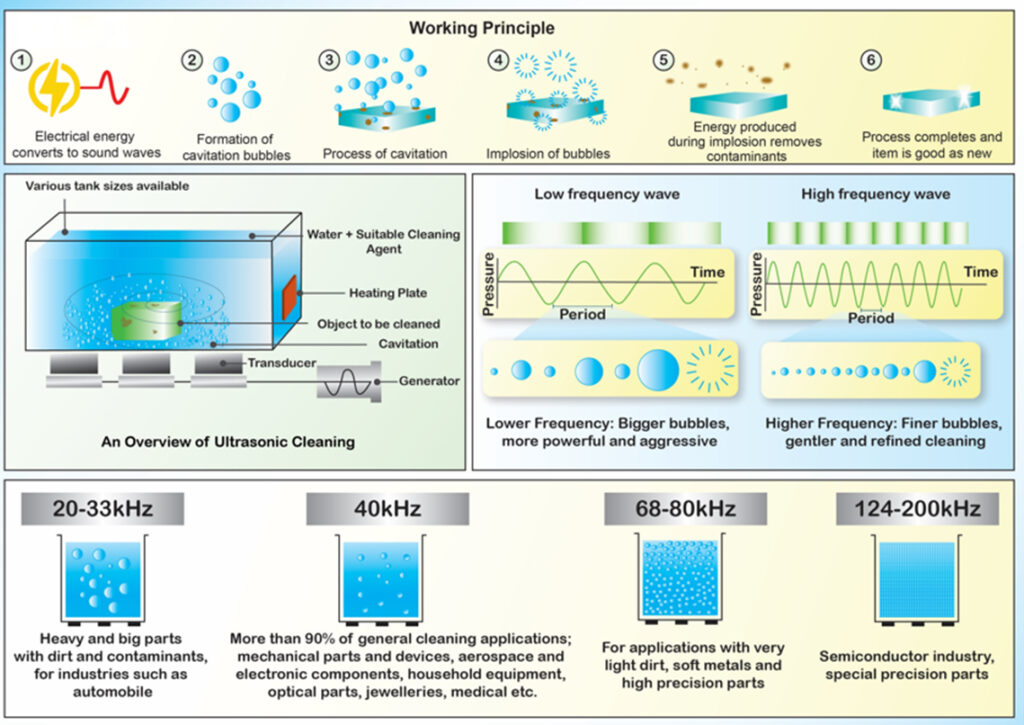
From Low to High Frequency (20kHz–200kHz) A Practical Guide to Ultrasonic Applications
Comparing Ultrasonic Cleaning to Other Cleaning Methods
Ultrasonic cleaning is not meant to replace all traditional cleaning methods. Instead, it complements them—especially when deep cleaning or precision is required. Understanding how it stacks up to manual, chemical, and mechanical alternatives can help users decide when to use it and when to stick with other approaches.
Manual Cleaning with Brushes or Swabs
This is the most accessible form of cleaning. Brushes, cotton swabs, cloths, and wipes are cheap, familiar, and effective for surface-level dirt. However, they have major limitations:
- They can’t reach into internal channels or hidden recesses.
- They rely on physical abrasion, which can scratch surfaces.
- They’re labor-intensive and inconsistent.
Ultrasonic cleaners outperform manual methods when precision, consistency, and efficiency are priorities. But manual methods remain useful for pre-cleaning heavy residues before ultrasonic treatment.
Spray Washing and Pressure Cleaning
High-pressure spray washers are common in automotive and industrial settings. They blast dirt off with water or solvent force, which works well for large surfaces or rugged parts.
Compared to ultrasonic cleaners, spray washing:
- Uses more water and energy
- May not clean internals or blind holes effectively
- Requires protective gear and drainage systems
Ultrasonic cleaning is gentler and often more thorough in fine or internal geometries, though pressure washing is faster for broad, exterior surfaces.
Solvent Soaking and Chemical Treatments
Soaking items in chemical baths is a longstanding method, especially for degreasing or deoxidizing metal parts. While effective, it comes with caveats:
- Extended soak times are often required.
- Harsh chemicals may damage surfaces or require special disposal.
- The process lacks agitation, meaning residue may remain in tight areas.
Ultrasonic cleaners can use the same solutions, but with cavitation, they enhance penetration and reduce soak time. They are a more active version of chemical soaking with far better control and safety.
Why Ultrasonic Cleaning Complements Rather Than Replaces
The truth is, ultrasonic cleaning isn’t an all-or-nothing solution. It fits best as part of a broader workflow. For example:
- A mechanic may pre-soak a greasy engine part, scrub it lightly, then finish in an ultrasonic tank.
- A jeweler might polish a ring first, then use ultrasonic waves to remove polish residue from crevices.
- A lab technician may rinse glassware manually before ultrasonic decontamination.
Understanding the role of each cleaning method allows users to build a more effective, efficient routine.
When Ultrasonic Cleaners Are the Right Choice
Ultrasonic cleaning is not always the answer, but in the right situations, it can dramatically outperform traditional methods. Knowing when to reach for an ultrasonic cleaner—and when not to—can make all the difference in achieving the results you want.
Scenarios Where They Outperform Alternatives
The most significant advantages of ultrasonic cleaners emerge in scenarios where complex geometry, delicate materials, or microscopic debris are involved. If you’re working with anything that has fine details, internal passages, or a fragile surface, ultrasonic cleaning is usually the superior method.
Examples include:
- Surgical tools with joints and crevices
- Jewelry with gemstones and filigree
- PCB boards and microcircuits
- Watch gears and screws
- Automotive fuel injectors and carburetors
In each of these cases, traditional methods would struggle to clean thoroughly without risk of damage or human error. Ultrasonic cleaners handle the job efficiently, uniformly, and with far less physical effort.
They’re also the best choice when cleaning speed and repeatability matter. In professional environments, where time equals money, ultrasonic cleaners help streamline workflows and boost productivity.
Who Should Invest in a Home Unit
While professionals have obvious use cases, ultrasonic cleaners have become increasingly popular among enthusiasts, collectors, and DIY users. If you fall into any of the following categories, investing in a small ultrasonic cleaner may be worthwhile:
- Collectors of coins, watches, or jewelry, who want safe, effective ways to maintain value
- Eyeglass wearers, especially those with expensive lenses or coatings
- Hobbyists and tinkerers, who clean tools, small engines, or model parts
- Tech enthusiasts, needing to clean electronics, heat sinks, or keyboards
- Pet owners, using ultrasonic cleaning for metal grooming tools or fountain parts
For these users, even a 1.3L or 2L tabletop unit can provide excellent results for daily or weekly use.
What to Consider Before Purchasing
Before buying an ultrasonic cleaner, consider the following key factors:
- What will you clean most often? Size and material matter
- What frequency do you need? 40kHz is general-purpose, while 25kHz is more aggressive and 80kHz is gentler
- Do you need heating? Some contaminants dissolve faster in warm solutions
- Will you use it frequently enough to justify the cost?
- How much bench space do you have? Compact models are great for home use
Also, consider the availability of cleaning solutions, how you’ll handle used fluid disposal, and whether the unit has safety features like thermal protection or timer shutoff.
Answering these questions helps ensure you choose a machine that fits your cleaning tasks—not just your budget.
Improving Results with Proper Use and Settings
Once you’ve chosen the right ultrasonic cleaner, using it properly can significantly affect your results. Ultrasonic cleaning may be powerful, but its effectiveness depends on how well you match settings and preparation to the specific job at hand.
Choosing the Right Frequency for the Job
Ultrasonic frequency affects the intensity of cavitation. Lower frequencies produce larger bubbles that collapse more violently, while higher frequencies create smaller, gentler implosions. Each has its purpose.
- 25–28kHz: Best for industrial parts, heavily soiled tools, engine components
- 40kHz: A general-purpose frequency for jewelry, dental tools, lab glassware, and most household items
- 68–80kHz and above: Ideal for microelectronics, optics, and fragile components where gentle agitation is preferred
Always check your item’s material before selecting frequency. For example, a soft gemstone cleaned at 25kHz could chip or crack, while at 80kHz, it’s far safer.
Temperature and Solution Tips
Temperature plays a significant role in cleaning efficiency. Most contaminants—especially oils, greases, and biofilms—dissolve faster in warm liquid. But there’s a sweet spot.
Optimal temperature range: 40–60°C (104–140°F)
- Below 30°C: Cleaning becomes less efficient
- Above 70°C: Risk of damaging sensitive materials increases
- Some solutions degrade above 60°C, so always check chemical specs
If your ultrasonic cleaner includes a heating element, allow the liquid to reach the target temperature before activating the ultrasonic cycle for best results.
Also, be sure to use the right cleaning solution for the task:
- Distilled water with mild dish soap for general cleaning
- Alcohol or acetone-based solutions for removing oils (with care)
- Enzymatic cleaners for organic residues
- Ammonia for removing tarnish (only with compatible metals)
Never use flammable or corrosive liquids unless your unit is specifically designed for them.
How to Load the Tank for Uniform Results
Correct item placement affects cavitation coverage and cleaning performance. Here are best practices:
- Use a basket or tray to suspend items without touching the tank bottom
- Avoid stacking items directly on each other
- Ensure items are fully submerged, but not too close to tank walls
- Distribute weight evenly to prevent one side from getting more cavitation than another
- Do not overload the tank—this reduces bubble formation and weakens cleaning power
Poor loading can lead to inconsistent results or even mechanical strain on your cleaner.
Maintenance for Peak Performance
To keep your ultrasonic cleaner running efficiently:
- Change the solution regularly, especially after each session of dirty items
- Wipe down the tank to remove residue and prevent mineral deposits
- Check cables and power connections for wear or corrosion
- Let the unit rest after long sessions—don’t run it continuously for hours unless it’s designed for that use
- Store the unit in a clean, dry location, especially if you’re not using it daily
A clean machine delivers clean results. Small efforts in care extend the life of both your cleaner and the items you’re cleaning.
Are Ultrasonic Cleaners Worth It Overall?
For both professionals and home users, the question often comes down to value: does the investment in an ultrasonic cleaner pay off in performance, time saved, and peace of mind? In most cases, the answer is a confident yes—but it depends on your expectations and use case.
Balancing Performance, Cost, and Longevity
Ultrasonic cleaners stand out because they offer a unique balance that few other methods can match:
- Precision without abrasion
- Speed without sacrificing thoroughness
- Consistency across different users and sessions
- Flexibility for a wide variety of objects and materials
That said, these advantages are most meaningful when you need them. If you only clean the occasional ring or eyeglass frame, a basic tabletop unit may be all you ever need. But if you manage tools, optical devices, or scientific equipment on a regular basis, investing in a higher-quality unit quickly becomes cost-effective.
Understanding your needs before making a purchase ensures you get the right features without overspending. Longevity also matters: a good ultrasonic cleaner, used correctly and maintained well, can last for many years and pay for itself many times over.
Long-Term Value in Professional and Personal Use
For professionals in dental, medical, or industrial fields, ultrasonic cleaners are almost non-negotiable. They boost productivity, improve cleaning consistency, and reduce staff workload. In industries where cleanliness is tied to compliance or safety, they’re not just valuable—they’re essential.
In personal settings, ultrasonic cleaners help maintain the condition of your belongings. A ring that stays brilliant, a camera lens that stays dust-free, or a razor that stays sharp longer—these are small but meaningful benefits. The value builds over time.
Ultimately, ultrasonic cleaning is a technology of precision, not extravagance. It provides an edge in situations where detail, cleanliness, and safety matter—and when used correctly, it makes those goals easier to reach.