






Denture wearers face a daily challenge that goes beyond simple oral hygiene. The intricate surfaces, tight spaces, and porous materials create ideal hiding spots for bacteria, plaque, and food particles that regular brushing often misses. Many people wonder whether ultrasonic cleaners can provide a better solution for keeping dentures fresh and sanitary.
The short answer is yes, but with important caveats. Ultrasonic cleaners can effectively clean most types of dentures, offering thoroughness that manual cleaning struggles to achieve. However, not all dentures respond equally well to ultrasonic cleaning, and improper use can potentially damage these essential dental appliances.

Pro Ultrasonic Cleaning Technology – Deep Cleans Jewelry, Braces, and Household Items
Understanding Ultrasonic Cleaning Technology
How Ultrasonic Cleaners Work
Ultrasonic cleaners operate on a fascinating principle. These devices generate high-frequency sound waves, typically between 17,000 and 200,000 cycles per second. Most consumer-grade ultrasonic cleaners designed for dentures operate at around 48 kHz, producing sound waves far above human hearing range.
The cleaner contains a transducer that converts electrical energy into ultrasonic vibrations. When you fill the tank with water or cleaning solution and turn on the device, these vibrations travel through the liquid, creating alternating patterns of compression and rarefaction. This process generates millions of microscopic bubbles throughout the fluid.
The real cleaning power comes from cavitation. Those microscopic bubbles form rapidly during the low-pressure phase and then collapse violently during the high-pressure phase. When these bubbles implode near a surface, they create tiny jets of liquid and shock waves that dislodge contaminants.

The Principle Behind Ultrasonic Cleaning
Each bubble collapse generates localized temperatures of thousands of degrees and pressures of hundreds of atmospheres for a fraction of a second in an incredibly small area. This intense but fleeting energy scrubs surfaces at a microscopic level, reaching into crevices and porous areas that brushes cannot access. The process occurs millions of times per second, creating thorough cleaning action that feels gentle to the touch but proves remarkably effective.
For dentures specifically, this means ultrasonic action can penetrate tiny pits and grooves in acrylic material where bacteria colonize. It can clean around metal clasps on partial dentures, remove calculus deposits, and eliminate biofilm that manual brushing leaves behind.
Can Dentures Be Cleaned in Ultrasonic Cleaners?
Material Compatibility Matters
Most dentures can be safely cleaned in ultrasonic devices. Traditional acrylic dentures, the most common type, generally tolerate ultrasonic cleaning very well. The acrylic resin is relatively stable and won’t degrade from the cavitation process when used appropriately.
Partial dentures combine acrylic with metal frameworks, typically made from chrome-cobalt alloys. These metal components withstand ultrasonic cleaning without issue. The metal clasps actually benefit from ultrasonic cleaning because their curved surfaces and tight spaces trap debris that’s difficult to remove manually.
Flexible dentures made from thermoplastic materials like nylon require more caution. These can be ultrasonically cleaned, but the material is more sensitive to heat and certain chemicals. Using plain water or specifically approved cleaning solutions works fine, but avoiding harsh chemicals becomes especially important.
Some dentures feature soft liners for improved comfort. Permanent soft liners made from silicone typically handle ultrasonic cleaning, but temporary tissue conditioners may break down faster with repeated exposure. Always verify with your dentist whether your specific soft liner type can withstand this cleaning method.
What Dental Professionals Say
Dental professionals generally support ultrasonic cleaning as a supplementary method for maintaining dentures, though they emphasize it shouldn’t completely replace manual cleaning. Most prosthodontists recommend that patients brush their dentures first to remove the bulk of food particles and surface deposits, with the ultrasonic cleaner then working as a deep-cleaning step.
Research comparing different denture cleaning methods has found that ultrasonic cleaning combined with denture cleanser solution removes significantly more bacteria and plaque than brushing alone. Studies have also noted effective removal of Candida albicans, the fungus responsible for denture stomatitis. For more information on denture care guidelines, visit the American Dental Association at https://www.ada.org or search for denture-related research at PubMed (https://www.ncbi.nlm.nih.gov/pubmed).
Most dentists recommend ultrasonic cleaning once daily, typically at night when dentures are removed for the recommended overnight period. This frequency provides thorough cleaning without risking material fatigue from excessive exposure. The American College of Prosthodontists provides additional patient education materials on denture maintenance at https://www.gotoapro.org.
Benefits of Using Ultrasonic Cleaners for Dentures
The primary advantage lies in unmatched ability to remove contaminants that resist other cleaning methods. Manual brushing relies on physical contact between bristles and surfaces. This works well for smooth, accessible areas but inevitably misses recessed regions and microscopic irregularities where bacteria thrive.
Ultrasonic cavitation reaches everywhere the cleaning solution touches. The microscopic implosions occur uniformly throughout the liquid, meaning hidden surfaces receive the same cleaning intensity as visible ones. Testing shows ultrasonic cleaning removes an average of 95 percent of contaminants compared to 70 percent for manual brushing alone.
Time efficiency represents another significant benefit. Most cleaning cycles run between three and ten minutes, during which you can attend to other tasks. Compare this to thorough manual cleaning, which requires at least three to five minutes of focused brushing. The convenience factor becomes especially valuable for people with limited hand strength or dexterity conditions like arthritis.
Ultrasonic cleaning doesn’t discriminate by location or accessibility. The cavitation bubbles form everywhere, cleaning the easily visible smile surface with the same intensity as hidden areas against the gums. This comprehensive coverage means fewer opportunities for bacterial colonies to establish themselves in protected niches.
Potential Risks and Precautions
Material Damage Concerns
While generally safe, the intense microscopic forces can theoretically cause damage under certain circumstances. The most significant risk involves pre-existing cracks, chips, or weak points in denture material. Ultrasonic vibrations can propagate through these defects, potentially widening cracks or dislodging barely attached pieces.
Before using an ultrasonic cleaner, inspect your dentures carefully under good lighting. Look for visible cracks, particularly where the denture base meets teeth or around metal clasps. Small chips along edges or white stress lines in the acrylic suggest material fatigue. Dentures with these conditions should be evaluated by a dentist before ultrasonic cleaning.
Repairs and relines present another consideration. The bonding between old and new material creates an interface that might be weaker than the original. While properly executed repairs should withstand normal ultrasonic cleaning, poor-quality repairs might separate. If your dentures have been recently repaired, ask your dentist specifically about ultrasonic cleaning compatibility.
Temperature and Frequency Guidelines
Heat represents a significant threat to denture materials, particularly acrylic, which can warp when exposed to temperatures above 140 degrees Fahrenheit. Most ultrasonic cleaners generate some heat during operation, but this heating typically remains minimal. However, problems arise when users run multiple consecutive cycles or start with very hot water.
The cavitation process works equally well in cool or lukewarm water. Starting with water temperature around 100 to 110 degrees Fahrenheit provides optimal cleaning conditions without risking heat damage. Never use hot tap water, as this introduces unnecessary risk. For additional guidance on proper denture care temperatures and techniques, consult resources from Mayo Clinic at https://www.mayoclinic.org or Cleveland Clinic at https://my.clevelandclinic.org.
Most dental professionals recommend ultrasonic cleaning once per day as optimal frequency. More frequent cleaning doesn’t improve results and unnecessarily exposes dentures to prolonged vibration. If your dentures still don’t feel completely clean after a full ultrasonic cycle, the issue likely involves improper pre-cleaning or inadequate cleaning solution rather than insufficient ultrasonic exposure.
Step-by-Step Guide to Cleaning Dentures Ultrasonically
Effective ultrasonic cleaning begins before you place dentures in the device. Remove your dentures and rinse them under lukewarm running water to eliminate loose food particles. This initial rinse prevents the ultrasonic cleaner from working through large debris, allowing it to focus on stubborn deposits.
Next, perform gentle manual brushing using a soft-bristled denture brush and plain water or liquid hand soap. Never use regular toothpaste because its abrasive properties can scratch the acrylic surface. Focus on visible plaque deposits and areas with noticeable buildup. You don’t need perfect cleanliness through brushing; the goal is removing bulk contamination.
Select appropriate cleaning solution. Commercial denture cleaning tablets specifically labeled as ultrasonic-safe represent the most straightforward option. These tablets dissolve in water to create solutions formulated to work synergistically with ultrasonic action. They contain enzymes that break down proteins in plaque and biofilm, mild detergents that lift stains, and sometimes mild bleaching agents that brighten denture teeth.
Use lukewarm water around 100 to 110 degrees Fahrenheit (approximately 38–43 degrees Celsius). This temperature range optimizes chemical activity while remaining well below temperatures that might warp dentures. Follow the dilution instructions on your chosen cleaning product precisely.
Place dentures carefully into the ultrasonic cleaner’s tank. Position them fully submerged but not touching the tank bottom if possible. Many cleaners include baskets that suspend items slightly above the floor, allowing cavitation bubbles to form around all surfaces.
If cleaning multiple appliances, ensure they don’t touch each other during the cycle. Contact points between rigid objects can lead to chipping or abrading as vibrations cause them to tap repeatedly.
Set the timer according to manufacturer recommendations, typically five to ten minutes. Press start and allow the cycle to complete without interruption. When finished, carefully remove dentures and rinse thoroughly under running lukewarm water for at least thirty seconds to remove any cleaning solution residue.
Clean your ultrasonic cleaner after each use. Empty the used solution, rinse the tank thoroughly with water, and wipe dry with a clean cloth.
Types of Dentures and Ultrasonic Cleaning Compatibility
Traditional full dentures consisting entirely of acrylic resin represent the most straightforward case for ultrasonic cleaning. Modern dental acrylics are engineered to withstand the types of forces involved in normal denture use and cleaning. These dentures benefit significantly because the slightly porous nature of acrylic allows bacteria to penetrate microscopically.
Partial dentures with metal clasps present a more complex scenario but generally clean well ultrasonically. Dental-grade metal alloys don’t corrode from brief exposure to denture cleaning solutions, and ultrasonic action doesn’t affect metal strength. The metal components particularly benefit because the complex curves of clasps create areas where bacteria accumulate stubbornly.
Flexible dentures using thermoplastic materials generally tolerate ultrasonic cleaning but require more careful solution selection. These materials can absorb certain chemicals that cause discoloration or weakening. Always verify that any cleaning solution is specifically approved for flexible dentures. Temperature sensitivity is particularly pronounced; never exceed 100 degrees Fahrenheit water temperature.
Implant-supported dentures attach to dental implants through various connection systems. The denture portion uses acrylic materials similar to traditional dentures, but the metal housings and retention inserts require consideration. Metal housings are compatible with ultrasonic cleaning, but rubber or nylon retention inserts can be affected by harsh chemicals. Use only appropriate denture cleaning solutions.
Choosing the Right Ultrasonic Cleaner
Consumer ultrasonic cleaners typically range from 30 to 100 watts. For denture cleaning, devices in the 45 to 60-watt range provide adequate power. Most consumer cleaners operate at 40 to 42 kHz, which works well for denture cleaning.
Look for cleaners with adjustable timer settings, preferably with preset options like 3, 5, and 10 minutes. Automatic shut-off prevents over-cleaning. Stainless steel tanks prove more durable and easier to clean than plastic alternatives.
For denture cleaning, tank capacities between 400ml and 600ml work well. Compact cleaners with tanks measuring approximately 6 inches long by 3 inches wide by 2 inches deep accommodate most single dentures. If cleaning both upper and lower dentures simultaneously, look for larger tanks around 7.5 inches by 5 inches by 3 inches.
For most denture wearers, a reliable cleaner operating at standard frequency with a simple timer proves entirely sufficient. Advanced features add cost without providing proportional benefits for this specific application.
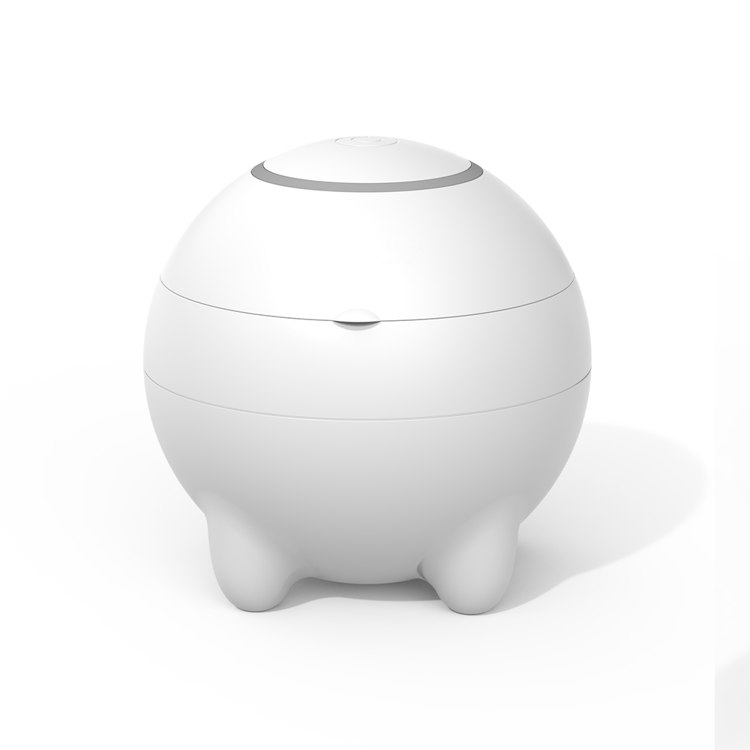
Portable 48kHz UV Ultrasonic Cleaner for Dental Appliances | 360° Deep Cleaning for Dentures Jewelry Travel Use
In stock
| Volumetric Weight | 0.5 kg |
|---|---|
| Package Dimensions | 12 × 12 × 18 cm |
| Model | YC01BM, YC01BU, YC01M, YC01U |
| Application Field | Coins, Contact Lenses, Dental, Denture, Earrings, Eyeglasses, Jewelry, Resin Prints, Toys, Watches |
| Brand | Yunyisonic |
| Origin | Shenzhen City, China |
| Capacity | 180ml |
| Frequency | 48kHz |
| Power | 24W |
| Tank Material | Food Grade ABS Plastic, SUS304 Stainless Steel |
| Voltage | 12V |
| Certificates | CE |
| Warranty | 1 Year |
| Customization | Logo/Pattern, Private Lable, White Label |
| Function | Clean Thoroughly |
| Manufacturer | Yunyisonic Shenzhen Co., Ltd. |
Common Mistakes to Avoid
One prevalent mistake involves using dentures directly in the ultrasonic cleaner without pre-cleaning. While ultrasonic action is impressive, it works best when removing embedded material rather than large debris particles. Always rinse and lightly brush dentures before ultrasonic cleaning.
Using inappropriate cleaning solutions represents another common error. Some people use household cleaners, concentrated bleach, or products never intended for denture use. This risks material damage, discoloration, and potentially toxic residues. Stick with products specifically labeled for denture cleaning.
Temperature mistakes occur frequently. Excessively hot water risks warping dentures. Room temperature or lukewarm water provides optimal conditions without risk.
Overcrowding the tank creates problems. When multiple items contact each other, ultrasonic vibrations cause them to tap repeatedly, potentially chipping surfaces. Clean items separately or ensure adequate spacing.
Running excessively long cleaning cycles wastes time and potentially stresses materials unnecessarily. Most effective cleaning happens in the first five to ten minutes.
Neglecting to rinse dentures thoroughly after ultrasonic cleaning allows cleaning solution residues to remain. These can irritate oral tissues or cause unpleasant tastes. Always rinse for at least thirty seconds under running water.
Failing to clean the ultrasonic cleaner itself between uses allows bacteria buildup. Empty and rinse the tank after each use.
Expert Tips for Maintaining Denture Longevity
Consistent care routines matter more than intensive occasional efforts. Establish a routine where you clean dentures at the same time each day, making it as automatic as brushing natural teeth.
When not wearing dentures, always keep them in a clean container with either water or denture soaking solution. Never allow dentures to dry out completely, as this can cause acrylic to contract slightly. Store the container in a cool, dark place away from heat sources or direct sunlight.
Handle dentures carefully every time you remove or insert them. Always work over a soft surface like a folded towel or a sink partially filled with water. Dentures break easily when dropped onto hard surfaces.
Monitor fit changes proactively. When you notice dentures becoming loose or causing new sore spots, schedule a dental appointment. Often, relining or adjusting dentures can restore proper fit and extend their serviceable life significantly.
Regular professional evaluations prove invaluable even when dentures seem fine. Most dental professionals recommend having dentures professionally cleaned at least annually. Professional cleaning addresses problems that home care cannot fully resolve, including calculus deposits and heavy staining.
Protect dentures from contamination by maintaining strict hygiene of storage containers, cleaning devices, and brushes. Clean denture brushes weekly and replace them every three to four months. Wash denture storage containers regularly with soap and hot water.
Understanding realistic denture lifespans helps with planning. Full dentures typically last five to eight years before requiring replacement, though some last longer with excellent care. Partial dentures often last seven to fifteen years.
Maintaining excellent oral hygiene practices beyond just denture cleaning supports overall oral health. This includes cleaning remaining natural teeth meticulously if you wear partial dentures, as natural tooth loss requires denture modifications.
Ultrasonic cleaning offers significant advantages when incorporated thoughtfully into comprehensive denture care routines that also include manual brushing, proper storage, regular professional evaluation, and careful handling. By understanding both the capabilities and limitations of ultrasonic technology, you can make informed decisions about how this powerful cleaning method fits into your personal denture maintenance approach. The investment in proper care equipment and consistent routines pays dividends through better-functioning dentures, improved oral health, extended appliance lifespan, and the confidence that comes from knowing your dentures are truly clean.