





Ultrasonic cleaners are widely appreciated for their ability to remove dirt, oil, carbon, and oxidation from intricate metal parts with minimal manual effort. By generating millions of microscopic bubbles that collapse with force, these machines reach into crevices and blind holes where brushes and sprays simply cannot. They are used in industries ranging from automotive to electronics, and are increasingly found in workshops and homes.
However, not every material responds the same way to ultrasonic cleaning. Aluminum, while popular for its lightweight and versatile properties, requires careful handling in ultrasonic baths. Its chemical reactivity and relatively soft surface make it more susceptible to certain types of damage. So, can you safely put aluminum in an ultrasonic cleaner? The answer is yes, but only if you understand the right techniques, solutions, and limitations.
Why Ultrasonic Cleaning Is Popular for Metal Components
Ultrasonic cleaning is a powerful tool for restoring clarity and precision to metal parts that are difficult to clean by hand. The principle behind this method is cavitation, a process that creates microscopic vacuum bubbles in a liquid solution when high-frequency sound waves pass through it. As the bubbles collapse, they release concentrated energy that gently but thoroughly strips away contaminants from surfaces.
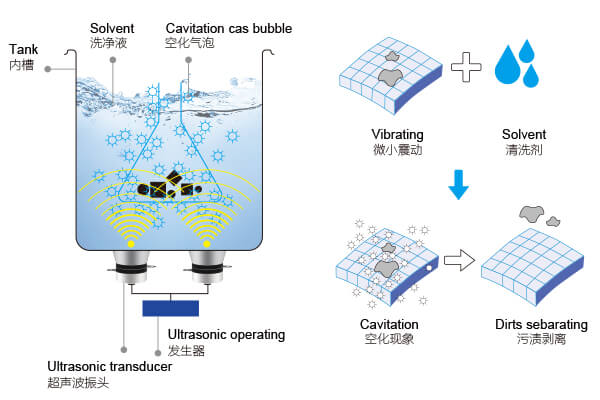
The Principle Behind Ultrasonic Cleaning
For metal parts with intricate geometries, such as threads, channels, or pores, this process offers an unmatched level of penetration. It is ideal for dislodging grime that is invisible but performance-impacting, especially in fields like specific industrial and technical applications:
- Automotive repair (engine parts, carburetors)
- Aerospace (precision aluminum fittings)
- Manufacturing (molds, dies)
- Jewelry and antique restoration
- Dental, medical, and laboratory tools
Because ultrasonic cleaning is non-mechanical, there is little risk of physical abrasion. But this does not mean it is automatically safe for all materials. Some metals, like aluminum, have vulnerabilities that require special care.
Understanding Aluminum as a Material
Aluminum is used across industries due to its excellent strength-to-weight ratio, resistance to corrosion in air, and electrical conductivity. However, it is a softer and more reactive metal than stainless steel or titanium, and its behavior in chemical or energetic environments is different.

aluminum
Pure aluminum forms a thin, protective oxide layer naturally when exposed to air. This layer helps resist corrosion but is not immune to disruption by high energy or chemically aggressive environments. Moreover, aluminum alloys used in most industrial applications can contain copper, magnesium, or zinc, which alter both the strength and reactivity of the material.
When exposed to water, heat, and especially alkaline cleaning agents, aluminum can undergo rapid surface reactions that result in pitting, cloudiness, or discoloration. And under ultrasonic cavitation, where millions of high-energy bubbles are collapsing across the surface every second, these effects can be amplified.
This does not mean ultrasonic cleaning is off-limits for aluminum. It means understanding the conditions and chemical compatibility is essential to avoid damage.
Can You Put Aluminum in an Ultrasonic Cleaner Safely?
Yes, aluminum can be cleaned using ultrasonic cleaners, but only with the correct solution, duration, temperature, and handling precautions. Ultrasonic cleaning by itself does not damage aluminum, but the wrong combination of cleaning solution, cycle length, and thermal conditions can result in visible degradation.
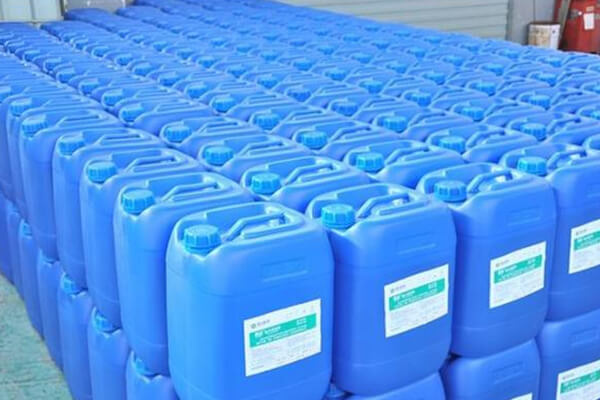
Cleaning agent
The most common issues that arise when cleaning aluminum in ultrasonic baths include:
- Pitting corrosion: localized holes or cavities caused by chemical attack, especially when using high-pH solutions.
- Etching: dulling or scratching of the surface from prolonged exposure to aggressive solutions.
- Oxidation removal: ultrasonic action can strip the oxide layer on aluminum, leaving the surface more reactive.
- Discoloration: white haze, gray patches, or clouding after cleaning due to improper solution or cycle settings.
These risks can be mitigated by selecting an appropriate detergent, controlling temperature, limiting exposure time, and understanding the type of aluminum you’re working with.
Factors That Influence Results When Cleaning Aluminum
Not all aluminum reacts the same way to ultrasonic cleaning. Several variables affect the outcome:
- Type of aluminum alloy: 6061, 7075, cast aluminum, and extruded grades each have different resistance to cleaning agents and cavitation energy.
- Surface finish: Anodized aluminum is more resistant to oxidation and chemical reactions, while raw or polished aluminum can scratch or discolor more easily.
- Water chemistry: Tap water with high mineral content or improper pH balance can interact with aluminum, especially in the presence of detergents.
- Solution pH: Solutions with a high pH (alkaline) accelerate corrosion on aluminum surfaces. Aluminum prefers a neutral to mildly acidic pH range (between 6 and 8).
- Cleaning temperature: High heat increases chemical activity. For aluminum, lower temperatures (typically below 50°C or 122°F) are safer.
Controlling these factors ensures you can achieve thorough cleaning without sacrificing the surface integrity of your parts.
Choosing the Right Cleaning Solution for Aluminum
The cleaning solution you use in an ultrasonic bath is just as important as the machine itself, particularly when dealing with aluminum. Aluminum is reactive, and the wrong detergent can lead to corrosion, etching, or surface discoloration.
The most critical rule is to avoid highly alkaline solutions. Many industrial ultrasonic detergents are designed for stainless steel or heavy-duty parts and contain strong alkaline agents. While they excel at removing grease or carbon from harder metals, they can severely damage aluminum surfaces.
Instead, opt for aluminum-safe ultrasonic cleaning solutions. These are specially formulated with a neutral or mildly acidic pH, typically between 6.0 and 8.0, and are free from harsh oxidizers or caustic agents. Many of these are marketed as “non-caustic aluminum cleaner,” “safe for soft metals,” or “non-etching degreasers.”
Always check the manufacturer’s label and perform a small spot test if you’re uncertain. For sensitive applications, distilled or deionized water with a small amount of pH-balanced detergent is often safest.
Another important point is solution concentration. Even if the detergent is aluminum-compatible, using it in too high a concentration can increase its reactivity. Always follow dilution guidelines and, when in doubt, err on the conservative side.
Best Practices for Ultrasonic Cleaning of Aluminum
If you’re planning to clean aluminum safely in an ultrasonic cleaner, here are the most important best practices to follow:
- Inspect the item first: Before cleaning, examine the part for pre-existing corrosion, cracks, or weakened finishes. Damaged areas may worsen during cleaning.
- Rinse before loading: Remove loose dirt, oil, or grime with water or a mild degreaser before placing items in the ultrasonic bath. This reduces contamination of the cleaning solution.
- Use a basket or rack: Never place aluminum directly on the tank floor. Use a mesh basket or suspension tray to prevent vibration damage and allow uniform exposure.
- Select a low to moderate temperature: 30°C to 50°C (86°F to 122°F) is a safe range for aluminum. Higher temperatures increase the risk of chemical attack or oxidation.
- Keep cleaning times short: For sensitive aluminum parts, start with 1–3 minutes. If more cleaning is needed, allow the item to cool, then run another short cycle.
- Monitor visually: If you notice clouding, bubbling, or surface dulling, stop the cycle immediately and rinse thoroughly.
- Rinse thoroughly after cleaning: Use clean water to wash away any remaining detergent or loosened contaminants.
- Dry completely: Use compressed air, a soft cloth, or low-heat drying to eliminate residual moisture and avoid oxidation marks.
Following these steps ensures that your aluminum parts come out clean and undamaged, ready for use or further processing.
Applications Where Ultrasonic Cleaning Aluminum Works Well
Despite its challenges, aluminum is regularly cleaned with ultrasonic technology in many professional fields, provided the right methods are used. Here are some common applications:
- Automotive and mechanical components: Pistons, valves, throttle bodies, and intake manifolds made from cast or machined aluminum can benefit from ultrasonic cleaning. These parts often accumulate carbon and oil residue that brushes cannot fully remove.
- Aerospace fittings and housings: Ultrasonic cleaning is used on small aluminum parts in avionics and structural components, where precision cleaning is critical to performance.
- Electronics and heat sinks: Many circuit boards and heat-dissipating components are made from aluminum alloys. Ultrasonic cleaners can remove dust, flux, and grime without scratching surfaces, as long as the solution is gentle.
- Machining and lab equipment: From aluminum molds to analytical trays, ultrasonic cleaning restores cleanliness without manual scrubbing.
- Jewelry and collectibles: Anodized or polished aluminum pendants, watch cases, or small tools often respond well to short ultrasonic cycles.
In all these use cases, success depends on correctly identifying the type of aluminum and using suitable cleaning parameters.
Common Mistakes and How to Avoid Them
When it comes to ultrasonic cleaning of aluminum, the most frequent problems arise from seemingly minor oversights. Avoiding these common mistakes can preserve both the functionality and the appearance of your items.
- Using the wrong cleaning agent: Strong alkaline cleaners designed for heavy-duty applications like carburetor cleaning or rust removal are too harsh for aluminum. Always double-check that the solution is rated safe for aluminum.
- Ignoring temperature limits: Many users assume hotter is better. In fact, high temperatures accelerate unwanted reactions and can cause oxidation spots. Stick to moderate heat settings.
- Over-cleaning: Leaving aluminum in the tank for too long can result in dullness or etching. It’s better to clean in short bursts and evaluate progress between cycles.
- Mixing different metals: Cleaning aluminum with other metals, such as steel or brass, can result in galvanic corrosion. If mixed-metal cleaning is necessary, separate the parts physically using baskets or dividers.
- Skipping the rinse: Failing to rinse thoroughly leaves detergent residue that may dry unevenly or trigger surface reactions later. Always follow with a clean water rinse.
- Using tap water in sensitive applications: Hard tap water can contain minerals that contribute to oxidation or streaking. For the best results, use distilled water, especially in final rinses.
Preventing these errors does not require advanced expertise. It simply requires awareness, planning, and attention to detail.
Real User Experiences and Professional Insights
Feedback from individuals and professionals who regularly clean aluminum parts with ultrasonic cleaners reveals a consistent theme: success depends entirely on technique. When done properly, ultrasonic cleaning provides exceptional results. When mishandled, it can cause irreversible damage.
For example, automotive mechanics report excellent results when cleaning aluminum carburetor bodies and intake manifolds. These components often collect carbon deposits and varnish from fuel. With proper solution selection and short cycles, mechanics can restore these parts without harming threads or sealing surfaces. However, they also caution against extended cleaning cycles and alkaline-based carb cleaners, which can strip protective layers and dull machined finishes.
Watchmakers and electronics repair professionals note that aluminum cases and heat sinks clean well in ultrasonic machines, provided the solution is gentle and items are fully dry before reassembly. Oxidation can form if the items are left damp or exposed to heat immediately after cleaning.
In aerospace applications, technicians emphasize the importance of part inspection before and after cleaning. Components made from aluminum alloys must meet strict tolerance and finish standards, so ultrasonic cleaning is used only under closely monitored conditions. Professionals often use ultrasonic cleaners with built-in filtration, precise frequency control, and validated aluminum-safe solutions.
On the other hand, hobbyists sometimes share stories of accidental damage. These include dull finishes, gray surface film, or etched decorative elements caused by strong cleaners or overexposure. Many of these incidents could have been prevented by understanding the nature of the aluminum or reducing cleaning times.
The consensus is clear: when used carefully, ultrasonic cleaning is a powerful tool for aluminum, but rushing the process or using aggressive chemicals is a fast track to unwanted outcomes.
Recommended Ultrasonic Cleaner for Aluminum Parts
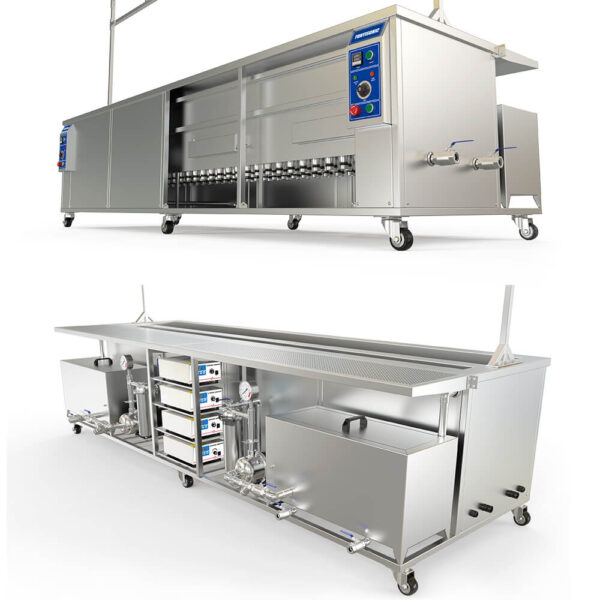
264L Industrial Ultrasonic Cleaner for Window Blinds Romove Dust Grime | 6000W Power, Long-Time Cleaning, SUS304 Tank
In stock
| Volumetric Weight | 425 kg |
|---|---|
| Package Dimensions | 2580 × 880 × 1050 cm |
| Model | YE6026B |
| Application Field | Blind Repair, Curtain Tracks Rods Accessories, Fabric Shades, Facility Maintenance, Roller Shutters, Window Furnishing |
| Brand | Yunyisonic |
| Origin | Shenzhen City, China |
| Capacity | 264L |
| Frequency | 120kHz, 28kHz, 40kHz, 68kHz |
| Timer | 1-99mins, Continuous Operation Mode |
| Heater | RT~80°C |
| Transducer Quantity | 60+60pcs |
| Power | 3000W+3000W |
| Heating Power | 6000W |
| Tank Material | SUS304 Stainless Steel, T2.0mm |
| Length | 2.4M, 94.488″ |
| Housing Material | SUS201 T1.0mm |
| Generator | Build out, External, Independent |
| Voltage | 110V, 220V, 440V, AC 3phase 380V |
| Plug Type | AU Plug, EU Plug, Other Plugs, UK Plug, US Plug |
| Mold Modeling | Individual patent private model |
| Mobility | Lockable industrial casters |
| Safety Features | overcurrent, Overvoltage, thermal |
| Certificates | CE, FCC, ROHS |
| Warranty | 1 Year |
| Customization | Logo/Pattern, Private Lable, White Label |
| Function | Clean Thoroughly, Digital Control, Heater Knob Control, Heating, Power Adjustable, Timing |
| Manufacturer | Yunyisonic Shenzhen Co., Ltd. |
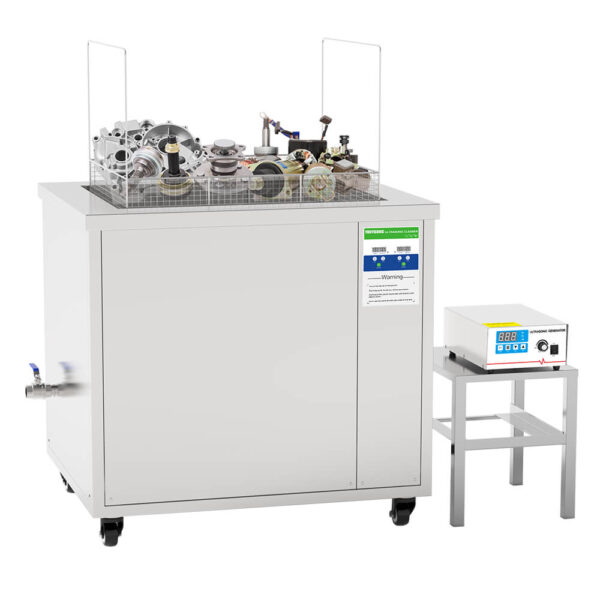
192L SUS304 Ultrasonic Cleaning Machine for Heavy-Duty Degreasing Marine & Aerospace Industry Use | 28/40kHz 2400W Power Adjustable
In stock
| Volumetric Weight | 150 kg |
|---|---|
| Package Dimensions | 1080 × 810 × 1080 cm |
| Model | YM48192-28, YM48192-40 |
| Application Field | 3D-Printed Parts, Additive Manufacturing, Aerospace, Aluminum, Autoparts, Aviation, Brass, Car Parts, Earrings, Firearms, Hardware, Industrial Use, Marine, Rings, Semiconductor, Surgical Instrument, Toys |
| Brand | Yunyisonic |
| Origin | Shenzhen City, China |
| Capacity | 192L |
| Frequency | 28kHz, 40kHz |
| Timer | 1-99mins |
| Heater | 20°C~95°C |
| Transducer Quantity | 48pcs |
| Power | 0-2400W |
| Heating Power | 6000W |
| Tank Material | SUS304 Stainless Steel |
| Housing Material | SUS201 T1.0mm |
| Voltage | AC 3phase 380V |
| Plug Type | AU Plug, EU Plug, Other Plugs, UK Plug, US Plug |
| Mobility | Lockable industrial casters |
| Safety Features | overcurrent, Overvoltage, thermal |
| Certificates | CE, FCC, ROHS |
| Warranty | 1 Year |
| Customization | Logo/Pattern, Private Lable, White Label |
| Function | Clean Thoroughly, Digital Control, Heating, Power Adjustable, Timing |
| Manufacturer | Yunyisonic Shenzhen Co., Ltd. |
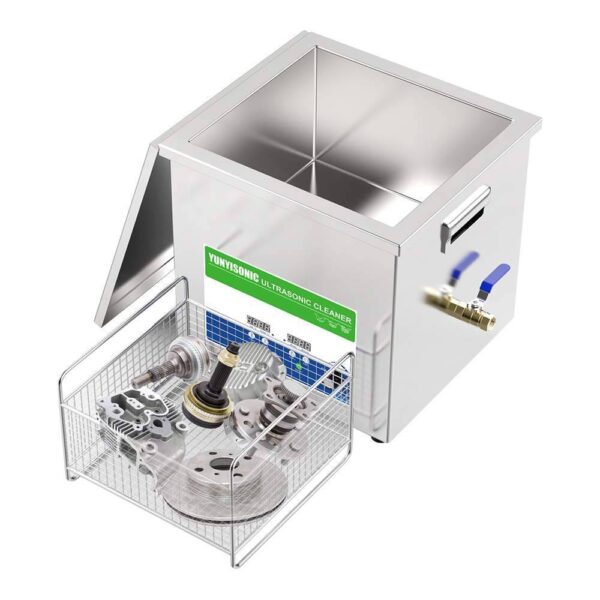
14-130L Industrial Ultrasonic Cleaner with Built-in Generator | Adjustable Power 28/40kHz for Engine Block Carburetor DPF Lab Cleaning
In stock
| Volumetric Weight | N/A |
|---|---|
| Package Dimensions | N/A |
| Model | YN0614, YN0820, YN1030, YN1240, YN1860, YN1868, YN2480, YN3613 |
| Application Field | 3D Manufacturing, 3D-Printed Parts, Additive Manufacturing, Aerospace, Aluminum, Autoparts, Aviation, Biopharmaceutical, Brass, Car Parts, Dental, Engine, Firearms, Hardware, Hospital, Industrial Use, Marine, Semiconductor, Surgical Instrument |
| Brand | Yunyisonic |
| Origin | Shenzhen City, China |
| Capacity | 130L, 14L, 20L, 30L, 38L, 58L, 68L, 78L |
| Frequency | 120kHz, 200kHz, 28kHz, 40kHz |
| Power | 0-1200W, 0-1800W, 0-300W, 0-400W, 0-500W, 0-600W, 0-900W |
| Tank Material | SUS304 Stainless Steel, T2.0mm |
| Housing Material | SUS201 T1.0mm |
| Voltage | AC 110V 60Hz;AC 220V 50Hz |
| Plug Type | AU Plug, EU Plug, Other Plugs, UK Plug, US Plug |
| Certificates | CE, FCC, ROHS |
| Warranty | 1 Year |
| Customization | Logo/Pattern, Private Lable, White Label |
| Function | Clean Thoroughly, Digital Control, Heating, Power Adjustable, Timing |
| Manufacturer | Yunyisonic Shenzhen Co., Ltd. |
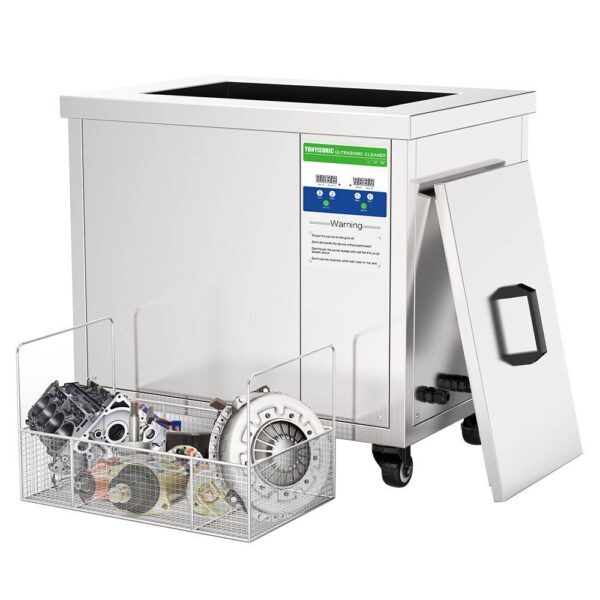
45L Industrial Ultrasonic Cleaner | Digital Power Adjustable for Auto Parts DPF Gears Engine Cleaning
In stock
| Volumetric Weight | N/A |
|---|---|
| Package Dimensions | N/A |
| Model | YM1240, YM1860, YM2480, YM30108, YML2480 |
| Application Field | 3D-Printed Parts, Additive Manufacturing, Aerospace, Aluminum, Autoparts, Aviation, Brass, Car Parts, Earrings, Firearms, Hardware, Industrial Use, Marine, Rings, Semiconductor, Surgical Instrument, Toys |
| Brand | Yunyisonic |
| Origin | Shenzhen City, China |
| Capacity | 108L, 45L, 61L, 88L |
| Frequency | 28kHz, 40kHz |
| Power | 0-1200W, 0-1500W, 0-600W, 0-900W |
| Tank Material | SUS304 Stainless Steel |
| Housing Material | SUS201 T1.0mm |
| Voltage | AC 110V 60Hz;AC 220V 50Hz |
| Plug Type | AU Plug, EU Plug, Other Plugs, UK Plug, US Plug |
| Certificates | CE, FCC, ROHS |
| Warranty | 1 Year |
| Customization | Logo/Pattern, Private Lable, White Label |
| Function | Clean Thoroughly, Digital Control, Heating, Power Adjustable, Timing |
| Manufacturer | Yunyisonic Shenzhen Co., Ltd. |
Alternative Cleaning Methods for Sensitive Aluminum Parts
If your aluminum part is particularly thin, decorative, or irreplaceable, you might consider alternative cleaning methods that reduce the risk of damage while still removing surface contaminants.
- Manual cleaning using a soft cloth, mild soap, and warm water is the safest method. A soft-bristle toothbrush can be used for grooves or threads. This method avoids chemical or thermal stress.
- Chemical soaking in aluminum-safe degreasers (non-ultrasonic) is suitable for grime removal. Be sure to rinse thoroughly and avoid highly alkaline or acidic solutions.
- Steam cleaning, where pressurized steam is directed at the part, can effectively dislodge grease and dirt without submersion. It is safe for most aluminum surfaces if done at the right temperature.
- Compressed air blasting with soft media like baking soda or walnut shell is used in industrial environments to clean aluminum parts without scratching. However, this requires specialized equipment.
- Foaming agents and gel cleaners offer better control over surface contact and exposure time. These products are often used in restoration work where soaking is not advised.
These methods may take more time or require more manual effort, but they provide greater control. This is especially valuable when dealing with antique aluminum, complex alloys, or visually exposed parts.
FAQs About Ultrasonic Cleaning and Aluminum
Is ultrasonic cleaning safe for anodized aluminum?
Yes, anodized aluminum has a more robust oxide layer that resists chemical reactions better than raw aluminum. However, it’s still important to use compatible solutions and avoid prolonged cycles or high heat.
Can ultrasonic cleaning damage aluminum threads?
It can, especially if the part is exposed too long or the cleaning solution is too aggressive. Soft threads may deform slightly or lose sharpness. Use a short cycle and aluminum-compatible detergent to avoid damage.
What happens if the wrong solution is used?
Using a high-pH or caustic solution can cause pitting, clouding, or color changes. In extreme cases, it may weaken the structure of thin aluminum parts. Always confirm the solution is rated for aluminum before use.
How do I know if my aluminum part is safe to clean ultrasonically?
Check the manufacturer’s material data, or test a small inconspicuous area first. Avoid ultrasonic cleaning if the part is visibly corroded, coated with sensitive finishes, or if you’re unsure of its alloy composition.