





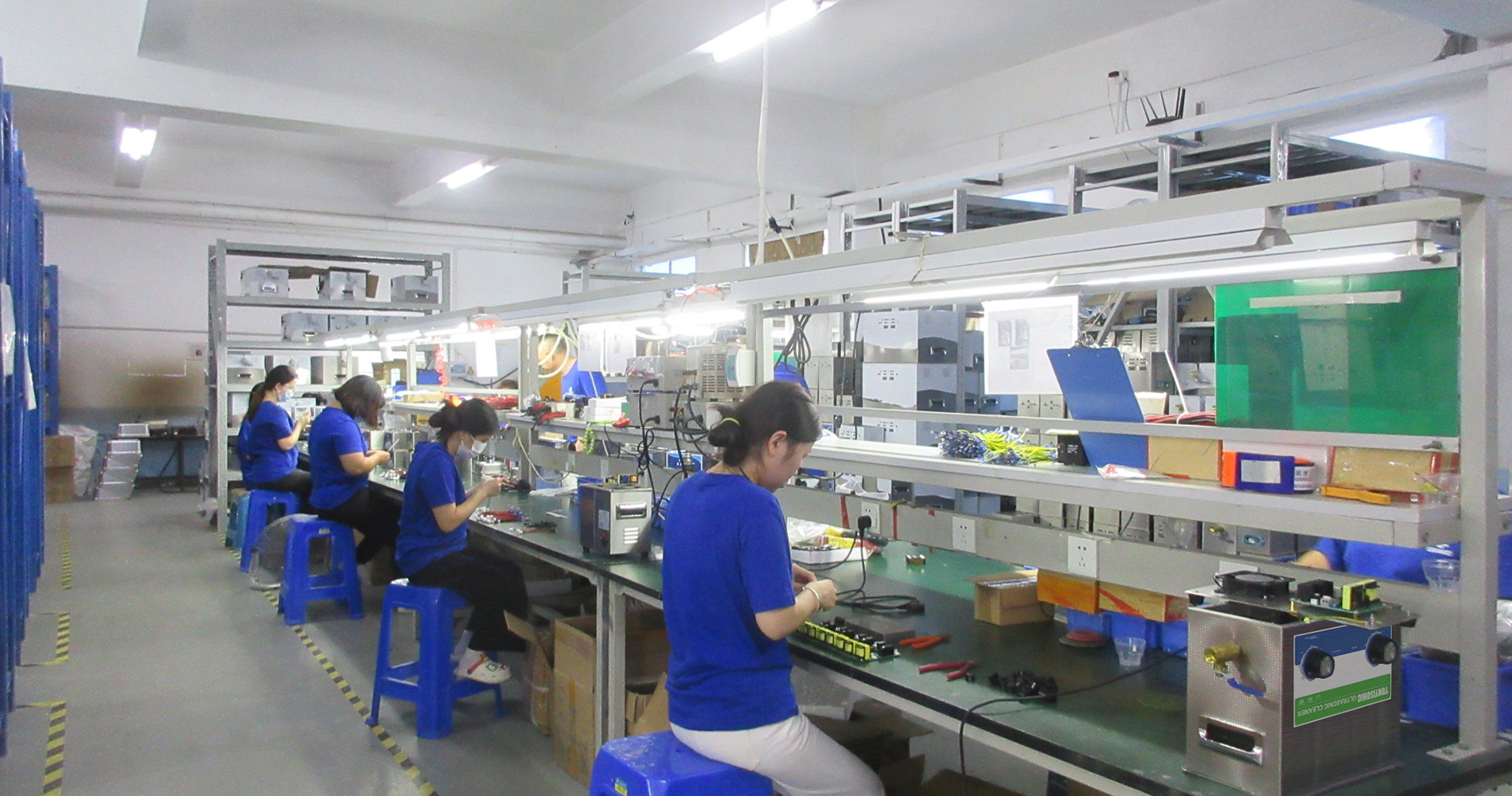

Ultrasonic cleaners have become essential tools in laboratories, hospitals, dental clinics, watch repair shops, and even household settings. Their ability to clean delicate and intricate items without abrasive scrubbing has made them indispensable. As their use becomes more widespread and more prolonged, especially in professional environments, a growing number of people have begun to ask an important question: Is it safe to be around these machines every day?
The truth is, ultrasonic cleaning equipment operates differently from most machines. It does not produce visible motion or noticeable heat to indicate that it is running. Instead, its cleaning power comes from high frequency sound waves, typically ranging from 20 to 200 kHz, which lie beyond the range of human hearing. These ultrasonic waves create cavitation in liquid, a process in which microscopic bubbles rapidly form and collapse. This action dislodges dirt, grease, and other contaminants from surfaces, while also raising important questions about the possible effects on the human body.
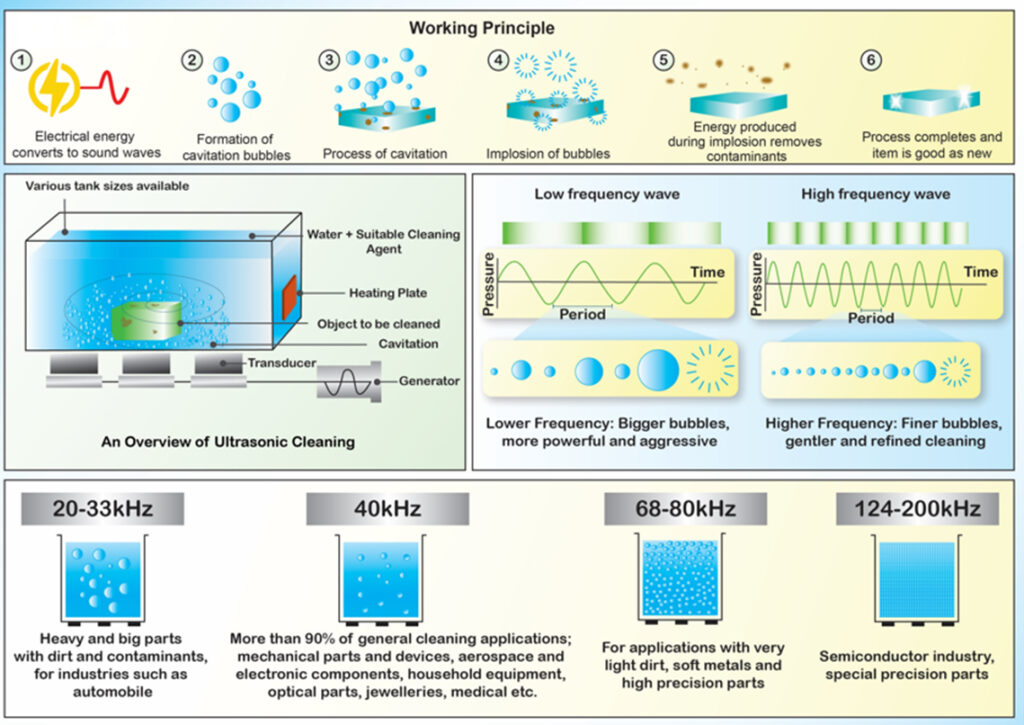
From Low to High Frequency (20kHz–200kHz) A Practical Guide to Ultrasonic Applications
Does exposure to these invisible and inaudible forces affect the human body? Can the same energy that removes debris from surgical tools also impact the nervous system, hearing, or soft tissues over time? For individuals who work near ultrasonic cleaners every day, these questions go beyond mere curiosity. They reflect genuine concerns about workplace safety and long-term health.
The Growing Use of Ultrasonic Cleaning Equipment
Ultrasonic cleaners are no longer confined to niche industries. Their presence has spread across sectors due to their precision, speed, and ability to clean items without harsh chemicals or brushes. You’ll now find ultrasonic units in environments as diverse as:
- Medical sterilization departments
- Dental clinics for tool cleaning
- Electronics manufacturing for circuit board maintenance
- Jewelry studios for fine detailing
- Laboratories for cleaning glassware
- Auto repair shops for degreasing parts
- Homes for cleaning glasses, retainers, and even baby items
This growth has naturally led to increased exposure. Workers in manufacturing lines might spend eight hours a day near active machines. Technicians could clean instruments dozens of times per shift. Even jewelry makers may lean close to tanks multiple times a day. As exposure becomes habitual, so too does concern about whether this proximity might carry risks.
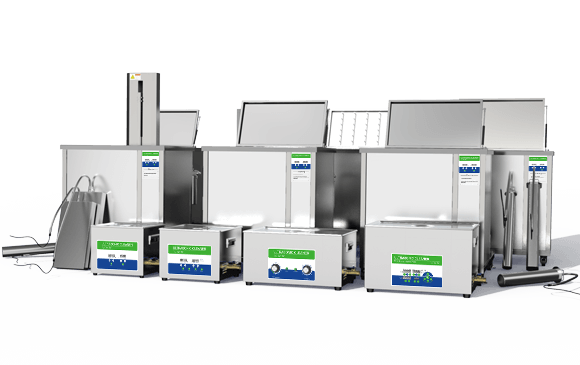
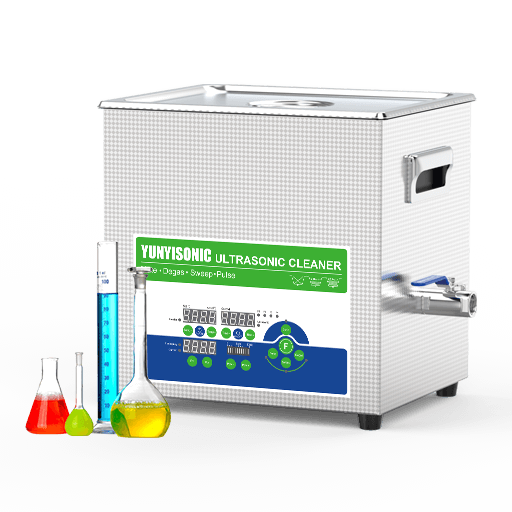
Ultrasonic cleaning machine
What Is Ultrasonic Cleaning and How Does It Work?
At the heart of ultrasonic cleaning lies cavitation. When an ultrasonic generator sends electrical signals to piezoelectric transducers mounted on a stainless steel tank, those signals are transformed into mechanical vibrations. These vibrations create alternating high-pressure and low-pressure waves in the liquid.
During low-pressure cycles, tiny vacuum bubbles form. During high-pressure cycles, they collapse violently. This is not a gentle process. Cavitation creates enough force to remove tightly adhered particles from surfaces, even from crevices thinner than a human hair.
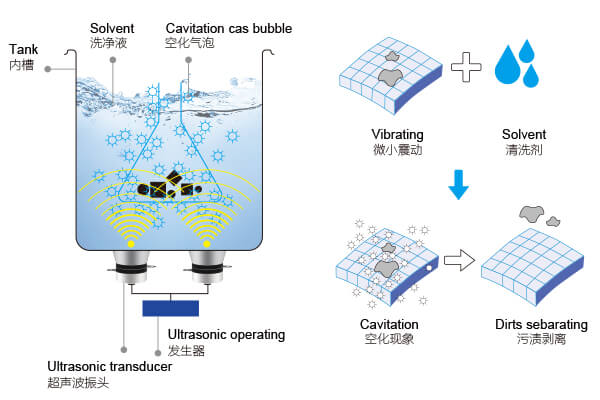
The Principle Behind Ultrasonic Cleaning
Yet, all this happens inside the liquid. The energy is most concentrated within the tank and diminishes quickly in the surrounding air. However, not all the energy remains perfectly contained. Depending on machine design, environment, and usage patterns, some residual noise, vibration, or secondary emissions can escape.
Understanding What ‘Frequent Exposure’ Really Means
Not all users are exposed equally. The term “frequent exposure” doesn’t simply refer to using a small ultrasonic eyeglass cleaner once a day for a minute. Instead, it refers to repeated, often daily, proximity to industrial-grade ultrasonic cleaners — especially those operating without lids, in compact environments, or with poor sound isolation.
Think of a dental technician who handles tool cleaning between every patient, or a lab assistant who spends hours next to a cleaner running on 40 kHz at full power. Or a watchmaker sitting a foot away from an open cleaner tank, hour after hour. These are the people for whom the term frequent exposure becomes relevant.
Variables like the frequency used, power output, duration of exposure, number of units in the room, and distance to the operator all contribute to total exposure level. Without proper understanding and protective design, these conditions can add up — even if the operator doesn’t immediately feel discomfort.
The Difference Between Ultrasound, Audible Noise, and Vibration
One of the reasons ultrasonic exposure can be confusing is the invisible nature of the energy involved. The term “ultrasound” refers to sound waves above 20 kHz, which are beyond the range of human hearing. However, this doesn’t mean that ultrasonic equipment operates silently.
Many users still hear noise during operation, which is usually caused by harmonic distortion. These are byproducts of the ultrasonic process that fall within the audible range. The result can be a high-pitched whine or buzzing sound, often perceived as irritating or tiring over time. This noise does not come from the ultrasonic waves themselves, but rather from how those waves interact with the tank walls, the liquid, or the objects being cleaned.
Vibration can also contribute to discomfort. When machines are placed on lightweight or resonant surfaces, they can transmit structural vibration that increases noise and creates a physical sense of disturbance. In small or enclosed spaces, prolonged exposure to low-level vibration or sharp high-frequency sounds can lead to a feeling of unease or a perception that something may be harmful.
How Ultrasonic Noise May Affect Hearing Over Time
Can ultrasonic cleaners damage your ears?
Technically, ultrasonic waves do not reach the cochlea in the same way as audible noise. In general, sound above 20kHz dissipates very quickly in air and has limited ability to penetrate the ear. However, the byproduct noises mentioned earlier often fall within the sensitive upper range of human hearing, typically between 12kHz and 18kHz. This is where discomfort can occur, particularly for younger individuals or those with heightened hearing sensitivity.
Occupational health reports from facilities using multiple ultrasonic units suggest that while actual hearing loss is rare, hearing fatigue and subjective discomfort are not. Workers might not feel pain, but they may report pressure in the ears, slight ringing (tinnitus), or increased irritability after prolonged exposure.
The danger is not from ultrasonic frequencies themselves, but from prolonged high-frequency sound pressure combined with poor acoustic environments.
Neurological Effects and Reported Discomfort in Sensitive Individuals
In some work environments, particularly those involving prolonged exposure to ultrasonic cleaning units, individuals have reported symptoms that extend beyond auditory strain. These symptoms can include headaches, dizziness, irritability, fatigue, and even a sense of disorientation after long shifts near operating machines. Although these effects are not experienced by everyone and cannot always be directly attributed to ultrasonic energy, they appear frequently enough in anecdotal reports to deserve closer attention.
Unlike mechanical injuries or chemical hazards, neurological effects from environmental factors are often subtle and difficult to isolate. It’s possible that these reported symptoms stem from a combination of factors: high-frequency noise, environmental vibration, inadequate acoustic treatment, poor lighting, or even stress. When ultrasonic cleaners run for long hours without soundproofing or are operated in small, echo-prone rooms, they may contribute to sensory overload.
While formal studies on direct ultrasonic neurological damage are lacking, there is consensus that sensory discomfort can be real, even in the absence of measurable harm. Workers with heightened auditory sensitivity or those suffering from sensory processing disorders may feel these effects more acutely. This does not mean ultrasonic cleaners are dangerous by nature — only that individual sensitivity and environmental factors play a large role in how people experience them.
Can Ultrasonic Waves Penetrate Human Tissue?
This is one of the most misunderstood aspects of ultrasonic technology. Many users associate the word “ultrasonic” with medical imaging or even radiation, leading to the fear that waves from ultrasonic cleaners could somehow pass through the body and cause cellular damage. Fortunately, physics provides a clear answer: the ultrasonic waves used in cleaning equipment are mechanical sound waves, not electromagnetic radiation, and they don’t carry the same health risks.
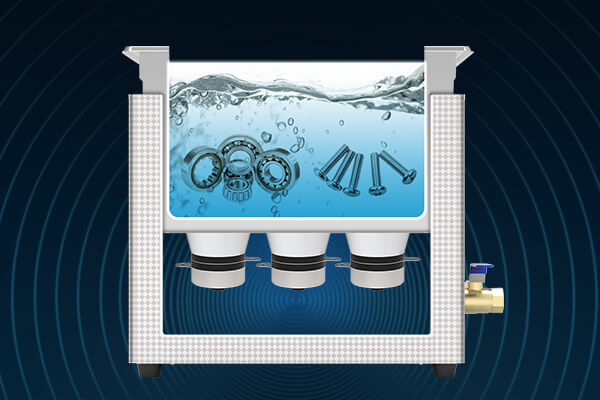
The Operating Principle Of An Ultrasonic Cleaning Machine
More importantly, these waves do not travel far through air. Their energy dissipates rapidly once they leave the liquid medium. In fact, air is one of the least effective conductors of ultrasonic energy, which is why medical ultrasound requires direct contact through gel. Unless a body part is submerged in the cleaning tank, which is both inadvisable and unnecessary, the human body is not exposed to the cavitation forces that make ultrasonic cleaners effective.
There’s also no scientific evidence that ultrasonic energy from cleaners, operating properly, can penetrate human organs or damage DNA. In medical settings, ultrasound is even used intentionally and safely to break up kidney stones or examine unborn babies. The difference lies in controlled contact and frequency — not in fundamental safety.
Is It the Equipment or the Environment?
When people experience discomfort near ultrasonic cleaning equipment, the first instinct is to blame the machine. But often, the environment amplifies minor effects into noticeable ones. A small room with tile walls and reflective surfaces can turn a moderate ultrasonic hum into an irritating echo chamber. Similarly, machines placed on metal tables without vibration dampening can cause a low, constant buzz that transmits into the operator’s feet and legs.
Even simple factors like ventilation, ceiling height, or room insulation can change how a person perceives ultrasonic noise. In quiet, open spaces, the sound may seem barely noticeable. In enclosed, cluttered spaces, the same cleaner could feel oppressive after 30 minutes.
This is why two technicians using the same model ultrasonic cleaner in different rooms may report completely different experiences. The machine might not be the root of the discomfort — the installation and room dynamics may be.
Scientific Studies: What Does the Research Actually Say?
While there is relatively limited academic research focused exclusively on long-term exposure to ultrasonic cleaning equipment, existing literature in related fields offers several takeaways. Here’s what studies reveal so far:
- Ultrasonic waves in air dissipate quickly and have limited ability to travel or affect biological tissue without coupling media like gels or liquids.
- Occupational studies have found no consistent evidence of hearing damage from ultrasonic cleaning exposure — but some signs of auditory fatigue or stress in environments with poor acoustic design.
- Reports of tinnitus and discomfort are most commonly associated with audible byproduct frequencies, not the ultrasonic waves themselves.
- Environmental sound levels near industrial ultrasonic cleaners can range from 60 to 90 dB, depending on machine quality and the use of lids or dampers. While this is not loud enough to cause immediate hearing loss, prolonged exposure can still create stress, similar to working next to a loud printer or fan throughout the day.
- There is no evidence of DNA damage, reproductive effects, or internal organ damage associated with ultrasonic cleaner exposure in air.
It’s also important to note that scientific silence is not scientific proof of danger. In the absence of conclusive evidence, most regulatory and occupational safety experts rely on observable data and sound engineering principles to guide policy.
How Industry Safety Standards View Ultrasonic Exposure
Organizations like OSHA (Occupational Safety and Health Administration), NIOSH (National Institute for Occupational Safety and Health), and their equivalents in Europe and Asia have addressed ultrasonic cleaner safety primarily through noise and vibration exposure standards.
While they do not usually regulate ultrasonic frequencies directly, due to their minimal penetration through air, they do monitor audible noise, continuous sound pressure, and vibration exposure. For example:
- OSHA recommends limiting worker exposure to noise above 85 dB over an 8-hour shift without hearing protection.
- ISO standards outline acceptable levels for hand-arm vibration and whole-body vibration in industrial environments, ensuring that transmission from machines doesn’t lead to long-term physical stress.
- Many facilities adopt stricter internal policies that require soundproofed covers, anti-vibration pads, and routine equipment maintenance to stay ahead of formal regulations.
These guidelines, while not ultrasonic-specific, effectively cover most concerns related to daily exposure. More importantly, modern ultrasonic cleaning equipment is designed with these limits in mind, and manufacturers often publish decibel ratings to help facilities manage compliance.
Misconceptions About ‘Radiation’ From Ultrasonic Devices
Perhaps one of the most persistent fears is that ultrasonic cleaners “emit radiation.” This is largely due to the fact that in everyday conversation, the word “radiation” evokes images of harmful energy — X-rays, microwaves, or even nuclear material.
However, ultrasonic waves are not radiation in the electromagnetic sense. They are mechanical vibrations, just like sound from a speaker or a musical instrument, only at a much higher frequency. They do not involve photons or electromagnetic fields, and they cannot ionize atoms or alter molecular structures. They cannot cause burns, cancer, or mutations.
This fundamental misunderstanding often fuels unnecessary worry. Educating workers about what ultrasonic energy actually is, and what it is not, goes a long way toward reducing anxiety.
Effects of Poor Machine Design and Aging Equipment
One of the real world risk factors associated with ultrasonic cleaner exposure has nothing to do with the technology itself, but rather with how well the equipment is built and maintained. Older or poorly designed machines are more likely to:
- Leak high-pitched harmonic sounds into the surrounding air
- Transfer vibration into tables, floors, or other equipment
- Lack proper lids or insulation, leading to audible cavitation noise
- Operate at unstable frequencies due to degraded transducers
These conditions can make a machine feel more intrusive or irritating than a newer and better constructed model, even when both operate at the same power level.
Routine calibration, timely replacement of worn components, and proper housing all help reduce stray emissions and improve comfort for nearby workers. It is not just about keeping the machine running, but about keeping it running cleanly and quietly.
The Role of Machine Placement and Soundproofing
You do not need a full acoustic overhaul to reduce ultrasonic cleaner exposure. What matters most is thoughtful setup. Some of the most effective improvements are also the simplest:
- Placing machines on anti-vibration mats
- Positioning units away from where people sit or stand for long periods
- Using sound-absorbing panels or enclosures
- Always using a lid during operation
- Avoiding placement near walls or corners, where sound can reflect and amplify
Such steps do not only improve comfort. They also reduce wear on equipment and improve cleaning consistency. A quieter machine in a quieter room benefits both safety and productivity.
Safe Daily Use in Laboratory and Manufacturing Environments
Across countless professional industries, ultrasonic cleaning has become a cornerstone of efficient and reliable operations. From aerospace component cleaning to dental instrument sterilization, these machines are used every day by thousands of workers, many of whom spend entire shifts near active equipment.
Yet, there is no wave of occupational illness sweeping these sectors due to ultrasonic exposure. That’s because professional environments usually apply best practices automatically. These include:
- Dedicated ultrasonic cleaning rooms or isolated zones
- Acoustic enclosures or lids kept closed during operation
- Proper machine mounting to minimize vibration
- Scheduled breaks and task rotation to limit static exposure
- Use of personal protective equipment when necessary
For example, in cleanroom manufacturing or pharmaceutical labs, ultrasonic cleaners are often installed under fume hoods or in acoustic cabinets. Operators activate cycles remotely or with brief interaction, reducing continuous exposure. The very design of professional workflows often prevents overexposure before it even begins.
This is the key insight. When ultrasonic cleaners are used as intended, they are not harmful, even with daily use. Discomfort or concern usually arises only when the equipment is misused, overused, or placed in poorly designed environments.
At-Home Use: Jewelry Cleaners, Eyeglass Baths, and Denture Units
If industrial ultrasonic equipment is generally safe when used under proper protocols, home use models are even less concerning. Household ultrasonic cleaners are compact, lower powered, and typically used only intermittently. Most operate at frequencies between 45kHz and 68kHz, with tanks holding less than one liter of liquid, and are usually run for no more than five to ten minutes per session.
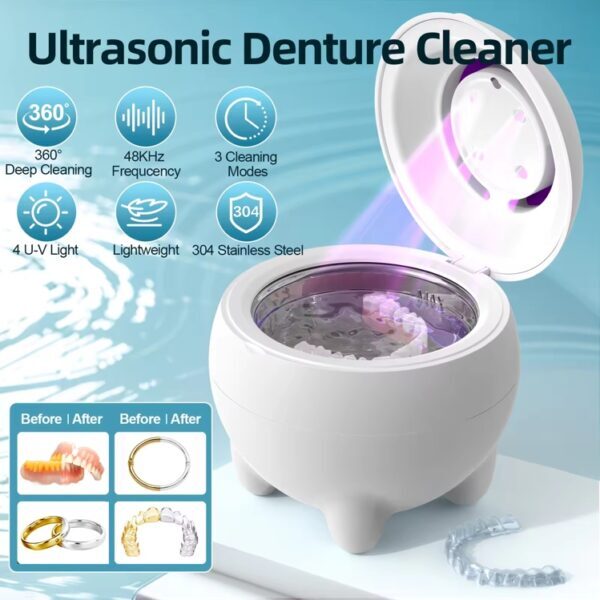
Even when used daily, exposure to sound or vibration from these devices remains minimal. When the lid is properly closed, most household units do not exceed 60 dB, which is comparable to a quiet conversation. In addition, users usually activate the cleaner and step away while it runs, returning only after the cycle is complete. This behavior further limits direct exposure.
Concerns in home environments are more likely to arise from unexpected noise or vibration, particularly in very quiet households. Individuals who are highly sensitive to high frequency sound, or who have neurological conditions such as hyperacusis, may experience discomfort. However, these cases are uncommon and do not represent the typical user experience.
Simple precautions such as placing the device on a rubber mat, keeping the lid closed, and operating it in a well ventilated area are generally sufficient to prevent issues for the average household user.
Who May Be More Sensitive to Exposure and Why
While ultrasonic cleaners are broadly safe, some individuals may experience discomfort more readily than others. This often has more to do with individual sensory thresholds than with actual physical harm. Populations that may be more sensitive include:
- People with tinnitus or existing hearing conditions
- Those with sensory processing sensitivity or autism spectrum conditions
- Individuals prone to migraines triggered by high-frequency sounds
- Workers with prolonged cumulative exposure over years
In these cases, even modest ultrasonic byproducts may lead to noticeable effects, not because the exposure is inherently dangerous, but because individual sensory systems respond differently. It is essential for employers and device users to understand this variability and remain flexible in their approach.
Adjustments such as adding sound dampening materials, increasing the distance between people and equipment, or selecting newer and quieter machines can make a significant difference in how ultrasonic cleaners are perceived and in overall user comfort.
How to Reduce Risk Without Avoiding the Technology
Ultrasonic cleaning is not something to avoid. Instead, it’s a technology that should be used wisely — with simple, proactive steps that enhance safety and comfort:
- Use the lid: Always close the lid during operation. It reduces sound, prevents splashing, and contains energy.
- Mount machines securely: Use vibration-dampening surfaces to prevent structural noise transmission.
- Mind the placement: Don’t place machines directly next to desks or seated workstations where people spend long hours.
- Maintain equipment: Replace worn transducers, cracked tanks, or aged circuits that may generate excess noise.
- Schedule downtime: Don’t let machines run constantly unless necessary. Give both the equipment and the environment a break.
- Educate users: Inform staff or household users about how the machines work and why certain precautions help.
These are not complex changes. Most require only basic awareness and minimal effort, yet they go a long way toward protecting well being, especially in high usage environments.
The Psychological Aspect of Ultrasonic Exposure
Perception plays an important role. Many reports of discomfort around ultrasonic cleaners stem from psychological responses rather than physical damage. When people are uncertain about a machine’s safety, or when an unpleasant sound repeatedly draws their attention throughout the day, discomfort can gradually increase, even when exposure levels remain within accepted safety limits.
This phenomenon is known as the nocebo effect. It refers to the experience of negative symptoms that arise from the belief that something is harmful, even when it is not. The invisibility of ultrasonic energy, combined with unfamiliar sounds and vague terminology such as waves or radiation, can easily create unease. Online anecdotes and incomplete information further contribute to misunderstandings, leading some individuals to associate ultrasonic cleaners with headaches or fatigue.
The appropriate response is not to dismiss these concerns, but to address them through clear information. Explaining the science behind ultrasonic cleaning, demonstrating actual sound levels, and involving users in decisions that reduce noise can help build trust and comfort. As with many technologies, increased understanding reduces uncertainty and makes the equipment feel far less intimidating.
When to Take Exposure Seriously and Seek Adjustments
While most cases of ultrasonic discomfort can be resolved with simple environmental tweaks, there are scenarios where intervention becomes essential. These include:
- Persistent headaches or tinnitus coinciding with machine operation
- Sudden increase in machine noise or vibration
- Multiple workers reporting discomfort or distraction in the same environment
- Visible wear on machine parts or mounting brackets
- Failure to meet safety decibel limits in the workplace
In these situations, symptoms should not be ignored or dismissed as exaggerated. The equipment should be inspected, sound levels should be measured, and safety personnel should be involved if necessary. In many cases, a few small adjustments or the replacement of an aging machine can completely resolve the issue.
Final Thoughts on Long-Term Human Exposure to Ultrasonic Cleaners
Ultrasonic cleaning equipment, when used properly, poses no proven danger to human health, even with frequent exposure. This technology has been used for decades across medicine, aerospace, scientific research, and manufacturing without leading to widespread occupational illness or consistent health complaints.
That said, not all reported discomfort should be dismissed. Poor installation, aging equipment, or individual sensitivity can create real challenges. Fortunately, these issues are not caused by harmful energy itself, but by sound, vibration, and environmental factors, all of which can be effectively managed through informed and thoughtful decisions.
The path forward lies in understanding rather than fear. With appropriate setup and responsible use, ultrasonic cleaning remains one of the safest, cleanest, and most effective technologies in modern precision maintenance, without compromising the comfort or long term health of the people who rely on it every day.