






Gold plated jewelry offers the luxurious appearance of solid gold at a fraction of the cost. This accessibility makes it a popular choice for fashion jewelry, costume pieces, and even some fine jewelry items. However, the delicate nature of plating creates specific care requirements that differ dramatically from solid gold pieces. The question of whether ultrasonic cleaners safely clean gold plated jewelry requires understanding both the technology and the construction of plated items.
Understanding Gold Plated Jewelry Construction
What Makes Gold Plating Different
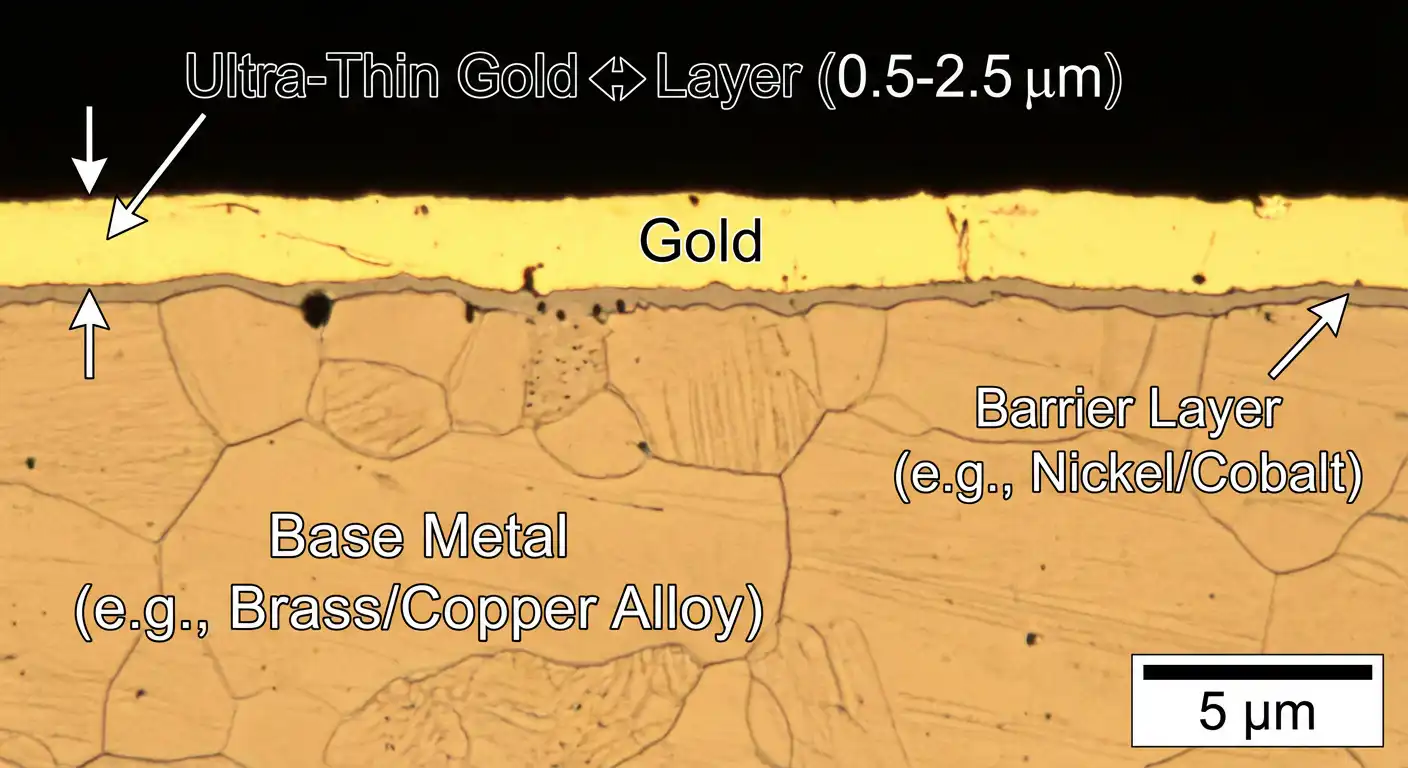
Gold plating involves depositing a thin layer of gold onto a base metal surface through electroplating. This process creates a microscopic bond between the gold layer and the underlying metal. The finished piece looks identical to solid gold but contains only a surface coating rather than gold throughout the entire structure.
The plating process uses electrical current to transfer gold ions from a solution onto the jewelry piece. This creates an even coating that typically measures between 0.5 to 2.5 microns thick. For context, a human hair measures approximately 70 microns in diameter, making gold plating extraordinarily thin.
This construction method creates inherent vulnerabilities. The gold layer relies entirely on its adhesion to the base metal. Any force that disrupts this bond, whether mechanical stress or chemical reaction, can cause the plating to separate, peel, or wear away prematurely.
How Thin Is the Gold Layer
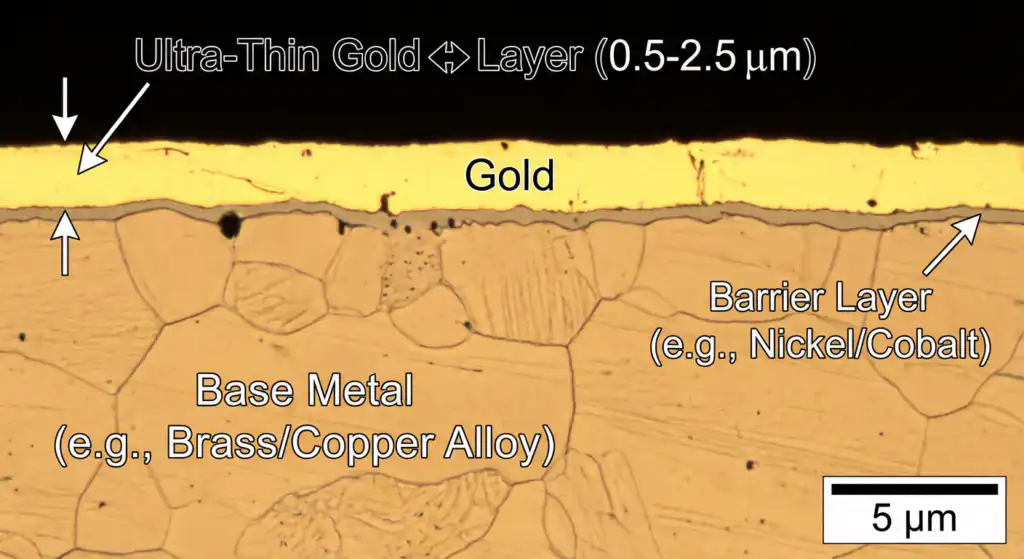
Cross-sectional illustration of gold-plated jewelry (AI-generated)
Industry standards classify gold plated jewelry into several categories based on thickness. Gold flash or gold washed items contain the thinnest coating, often less than 0.5 microns. These pieces offer minimal durability and wear through quickly with regular use.
Standard gold plating typically measures 0.5 to 1 micron thick. This represents the most common commercial plating found in affordable fashion jewelry. While adequate for occasional wear, this thickness provides limited protection against daily friction and exposure.
Heavy gold electroplate (HGE) or gold overlay contains thicker deposits, usually 2.5 microns or more. These pieces offer better durability and longevity but still cannot match the resilience of solid gold. Even at maximum commercial plating thickness, the gold layer remains vulnerable to aggressive cleaning methods.
Common Base Metals Used
The base metal composition significantly affects how gold plated jewelry responds to cleaning. Brass forms the most common substrate for gold plating. This copper and zinc alloy provides good adhesion properties and costs relatively little. However, brass can tarnish when exposed to moisture or chemicals, potentially causing discoloration that shows through thin plating.
Sterling silver serves as another popular base metal, particularly for higher quality plated pieces. Silver offers excellent electrical conductivity for the plating process and creates a neutral appearance if the gold wears through. However, silver tarnishes when exposed to sulfur compounds, creating maintenance challenges.
Stainless steel and surgical steel provide corrosion resistant bases for gold plating. These metals resist tarnishing and offer durability, but they present challenges for achieving strong gold adhesion. Manufacturers typically apply an intermediate nickel layer to improve gold bonding on steel substrates.
Copper occasionally appears as a base metal, though less frequently than brass. Pure copper provides excellent plating adhesion but oxidizes readily when exposed to air and moisture. This oxidation can migrate through thin gold plating, creating a greenish discoloration on the jewelry surface.
How Ultrasonic Cleaners Work
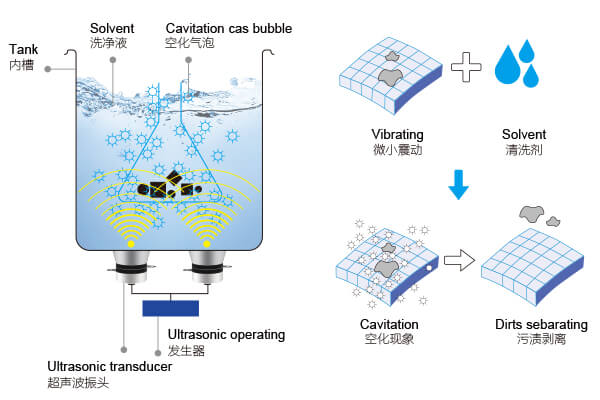
The Principle Behind Ultrasonic Cleaning
The Science Behind Cavitation
Ultrasonic cleaners generate high frequency sound waves, typically between 20,000 and 200,000 cycles per second (20 to 200 kHz). These waves travel through a liquid cleaning solution, creating alternating high and low pressure zones within the fluid.
During low pressure phases, tiny vapor bubbles form throughout the liquid. This process, called cavitation, creates microscopic voids that collapse violently when pressure increases. Each bubble collapse generates a localized shockwave and intense heat at a microscopic scale.
These implosions create powerful cleaning action. The collapsing bubbles produce jets of liquid moving at extremely high velocities. These micro-jets reach into crevices, around prong settings, and along surface irregularities that manual cleaning cannot effectively address. The accumulated effect of millions of bubble collapses per second removes dirt, oils, and debris from jewelry surfaces.
Vibration Frequency and Intensity
Consumer grade ultrasonic cleaners designed for home jewelry cleaning typically operate at higher frequencies, commonly between 40 to 80 kHz. This frequency range reflects an important principle in ultrasonic technology: the more delicate and intricate the item, the higher the frequency required for safe cleaning. Professional jeweler equipment also operates within this higher frequency spectrum, generally starting at 40 kHz or above, as lower frequencies would be too aggressive for jewelry applications.
Lower frequencies, typically below 40 kHz, generate larger cavitation bubbles that collapse with more force, creating aggressive cleaning action. However, these lower frequencies are reserved for industrial applications involving durable materials like metal parts or engine components, not jewelry. Higher frequencies produce smaller, gentler bubbles that provide refined cleaning with less mechanical stress. This makes the 40 to 80 kHz range standard across both consumer and professional jewelry cleaning equipment.

The cleaning intensity depends on several factors beyond frequency. Power output, measured in watts, determines the energy driving the ultrasonic transducers. Higher wattage creates more cavitation activity and stronger cleaning action. Tank size also affects intensity, as smaller volumes concentrate ultrasonic energy more effectively than larger baths.
Temperature influences cavitation behavior significantly. Warmer cleaning solutions generate more vigorous bubble activity, increasing cleaning effectiveness but also intensifying the mechanical stress on jewelry surfaces. Most consumer units heat solutions to approximately 140°F (60°C) during operation.
Why This Matters for Delicate Surfaces
The mechanical forces generated by cavitation bubble collapse can damage delicate materials and weak bonds. Each bubble implosion exerts localized pressure that, while microscopic individually, accumulates across millions of events per second. This sustained mechanical stress tests the integrity of every surface and joint within the cleaning bath.
For solid metal jewelry without vulnerable components, these forces remain well within safety margins. The strength of solid gold, platinum, or even sterling silver far exceeds the localized stress from cavitation. However, any weak point, thin coating, or fragile bond faces potential damage from this repetitive mechanical assault.
Gold plating presents exactly this vulnerability. The thin gold layer bonds to base metal through molecular adhesion rather than continuous metallic structure. This interface represents the weakest point in plated jewelry construction. Ultrasonic vibrations concentrate stress at this bond line, potentially causing separation, delamination, or accelerated wear.
The Risks of Ultrasonic Cleaning for Gold Plated Items
Plating Separation and Peeling
The primary risk involves direct separation of the gold layer from its base metal substrate. Cavitation forces work their way into any microscopic imperfection in the plating adhesion. Manufacturing defects, previous wear, or stress points in the jewelry design create entry points where vibration can propagate between layers.
Once ultrasonic energy penetrates beneath the plating, it acts like a wedge forcing the layers apart. The gold coating may lift in flakes, bubbles, or sheets depending on the adhesion quality and vibration intensity. This damage appears immediately after cleaning or develops progressively over multiple ultrasonic sessions.
Jewelry with existing wear shows highest vulnerability. Any area where the plating has thinned from friction or where the gold edge has lifted creates an opportunity for catastrophic separation. A small worn spot can expand dramatically during a single ultrasonic cleaning cycle as vibrations propagate outward from the damaged area.
Accelerated Wear Patterns
Even when plating remains attached, ultrasonic cleaning accelerates normal wear patterns. The constant mechanical agitation acts like thousands of hours of regular wear compressed into minutes. High points on the jewelry surface experience concentrated cavitation activity, removing microscopic amounts of gold with each cleaning session.
This effect proves particularly problematic for rings, which naturally wear fastest on contact surfaces anyway. The combination of regular hand contact and periodic ultrasonic cleaning can reduce plating life by 50% or more compared to manual cleaning methods. What might have lasted two years with careful maintenance may wear through in twelve months with regular ultrasonic exposure.
Intricate designs with textured surfaces or detailed patterns suffer disproportionately. The cavitation bubbles concentrate in recesses and around raised details, creating uneven wear. The jewelry develops a patchy appearance as gold wears through on high spots while remaining intact in protected areas.
Adhesion Layer Vulnerability
Many plated jewelry items use intermediate adhesion layers between the base metal and gold coating. Nickel, copper, or proprietary alloy layers help the gold bond to incompatible substrate metals. These intermediate layers become additional failure points during ultrasonic cleaning.
The adhesion layer may separate from either the base metal or the gold coating. In some cases, the gold and adhesion layer lift together as a unit, leaving bare base metal exposed. Other times, the gold separates from the adhesion layer, which remains attached to the base metal but creates a dull, discolored appearance.
Chemical reactions between the cleaning solution and exposed adhesion layers can accelerate damage. If vibrations create microscopic cracks in the gold plating, cleaning solution seeps through and attacks the intermediate metal. This subsurface corrosion undermines plating integrity even when the gold layer appears intact after cleaning.
When Ultrasonic Cleaning Might Be Acceptable
High Quality Plating Standards
Certain high quality plated jewelry items might tolerate limited ultrasonic exposure under specific conditions. Vermeil jewelry, which consists of thick gold plating over sterling silver, offers better durability than standard fashion jewelry plating. True vermeil requires a minimum 2.5 micron gold thickness, providing more protection against mechanical wear.
The base metal quality matters significantly. Sterling silver bases support stronger plating adhesion than brass or copper substrates. The chemical compatibility between silver and gold creates a more robust bond less susceptible to ultrasonic disruption. However, even vermeil benefits from conservative ultrasonic use rather than aggressive or frequent cleaning.
Modern manufacturing techniques produce more durable plating than historical methods. Some contemporary plated jewelry uses proprietary bonding processes that enhance adhesion beyond traditional electroplating. These advanced items may withstand brief ultrasonic exposure, though manufacturers rarely recommend this cleaning method explicitly.
Short Duration Protocols
If you choose to risk ultrasonic cleaning for gold plated jewelry, minimize exposure time dramatically. While solid gold tolerates three to five minute cleaning cycles, plated items should never exceed 30 seconds in an ultrasonic bath. Even this brief exposure carries risks, but shorter duration reduces cumulative mechanical stress on the plating.
Use the lowest power setting available on your ultrasonic cleaner. Many consumer units offer variable intensity controls specifically to accommodate delicate items. Select the gentlest option and monitor the jewelry closely throughout the brief cleaning period.
Limit ultrasonic cleaning frequency to absolute minimum necessity. Where solid gold might tolerate weekly ultrasonic maintenance, plated jewelry should never undergo ultrasonic cleaning more than once or twice per year at most. The cumulative effect of repeated exposure causes more damage than any single cleaning session.
Professional vs Consumer Machines
Professional jewelers’ ultrasonic cleaners offer more control than consumer units. Variable frequency settings allow jewelers to select optimal parameters for specific jewelry types. Professional machines also provide precise timer controls and power adjustment capabilities that consumer units lack.
However, professional equipment operates at higher power levels that can prove more damaging to plated jewelry. The same capabilities that make professional ultrasonic cleaners effective for solid gold create greater risks for delicate plating. A jeweler’s expertise in selecting appropriate settings becomes crucial when cleaning plated items.
Consumer ultrasonic cleaners typically operate at fixed frequencies around 40 kHz with limited power output. This standardization actually provides some protection for plated jewelry, as the gentler action reduces damage risk compared to professional high powered units. However, the lack of adjustability means users cannot optimize settings for plated jewelry specifically.
Most reputable jewelers refuse to clean gold plated items ultrasonically due to liability concerns. They recognize the damage risk outweighs any benefit the ultrasonic cleaning might provide. This professional reluctance should inform personal decisions about using home ultrasonic units on plated jewelry.
Safer Cleaning Alternatives for Gold Plated Jewelry

Gold
Manual Cleaning Methods
Gentle hand cleaning provides the safest maintenance approach for gold plated jewelry. This method allows precise control over pressure and technique, eliminating the mechanical stress that ultrasonic vibrations create. While more time consuming than ultrasonic cleaning, manual methods preserve plating integrity effectively.
Start by preparing a cleaning solution of warm water and mild dish soap. Use approximately one teaspoon of soap per cup of water, creating light suds without excessive foam. Avoid antibacterial soaps or those containing moisturizers, as these formulas may leave residue on jewelry surfaces.
Soak the jewelry in this solution for five to ten minutes. This preliminary step loosens dirt and oils without mechanical agitation. The warm water softens accumulated grime while the mild soap breaks down oil based residues. Extended soaking beyond ten minutes provides minimal additional benefit and unnecessarily prolongs water exposure.
Use a soft brush to gently clean the jewelry. A baby toothbrush or specialized jewelry brush with very soft bristles works ideally. Brush with light pressure, allowing the bristles to reach into crevices without scrubbing aggressively. Focus on areas where dirt accumulates naturally, such as behind stone settings or in textured design elements.
Recommended Cleaning Solutions
Plain warm water and mild dish soap handles most cleaning needs for gold plated jewelry. This simple combination removes oils, lotions, and everyday soil without harsh chemicals that might attack the plating or base metal. The soap acts as a surfactant, allowing water to penetrate and lift away contaminants.
Avoid ammonia based cleaners entirely. While effective for solid gold, ammonia can react with base metals beneath gold plating. If any microscopic defects exist in the plating, ammonia solution seeps through and corrodes the substrate metal. This subsurface damage weakens plating adhesion even when the gold layer appears intact.
Commercial jewelry cleaning solutions designed specifically for plated items offer convenient alternatives. These formulas balance cleaning effectiveness with safety for delicate plating. However, read labels carefully, as some jewelry cleaners target solid gold and contain chemicals too aggressive for plated pieces.
Never use abrasive cleaners, baking soda pastes, or polishing compounds on gold plated jewelry. These products physically remove microscopic amounts of metal from the surface. Since gold plating measures only microns thick, even gentle abrasive cleaning can wear through the layer entirely.
Proper Drying Techniques
Thorough drying prevents water spots and minimizes moisture related damage to base metals. After cleaning and rinsing, pat the jewelry gently with a soft lint free cloth. Microfiber cloths work excellently, as they absorb water effectively without leaving fibers on the jewelry.
Avoid rubbing aggressively during drying. Excessive friction, even with a soft cloth, contributes to plating wear over time. Use gentle patting or dabbing motions instead of vigorous wiping. This technique removes water adequately while minimizing mechanical stress on the gold layer.
Allow jewelry to air dry completely before storing it. Place cleaned pieces on a clean dry towel in a well ventilated area for 30 minutes to an hour. This ensures that water hasn’t become trapped in crevices, chain links, or behind stone settings where it might promote corrosion.
Never use heat to accelerate drying. Hair dryers, heating pads, or placement in direct sunlight can damage both the plating and any adhesives used in the jewelry construction. Temperature fluctuations may also affect the differential expansion between the gold layer and base metal, potentially weakening their bond.
How to Identify Your Jewelry Type
Stamps and Markings to Look For
Most jewelry includes small stamps or markings indicating metal content. These hallmarks provide crucial information for determining appropriate cleaning methods. Learning to locate and interpret these marks helps you make informed decisions about jewelry care.
Gold plated jewelry typically carries stamps such as “GP” (gold plated), “GEP” (gold electroplated), “HGE” (heavy gold electroplate), or “RGP” (rolled gold plate). These abbreviations clearly indicate that the piece contains only surface gold rather than solid gold throughout. The presence of any plating designation means ultrasonic cleaning carries significant risks.
Karat markings alone can prove misleading. Some plated jewelry includes stamps like “14K” or “18K” referring to the gold layer purity rather than indicating solid gold construction. Look for accompanying plating designations. If you see “14K GP” for example, the item uses 14 karat gold plating, not solid 14 karat gold.
Solid gold carries different stamps. Look for “14K,” “18K,” “585,” or “750” without any additional letters indicating plating. These marks signify solid gold alloys suitable for ultrasonic cleaning. The numbers 585 and 750 represent European hallmarks indicating 58.5% and 75% gold content respectively.
Visual Inspection Techniques
Physical examination provides clues about jewelry construction beyond stamps and markings. Hold the piece under bright light and inspect edges, clasps, and high wear areas carefully. These zones reveal the jewelry’s true composition when plating wears thin.
Look for color variations between different areas of the same piece. If edges appear slightly different in tone than flat surfaces, plating has likely worn through partially. The exposed base metal creates subtle color differences, particularly visible on brass based jewelry where a reddish or brownish tint emerges.
Check the back or interior surfaces of rings and earrings. Manufacturers sometimes apply thinner plating to areas not normally visible. If these hidden surfaces show different coloring than exterior faces, the jewelry uses plating rather than solid precious metal. Solid gold maintains consistent color throughout every surface.
Examine areas around stone settings or decorative elements. Plating often wears fastest where jewelry experiences friction against skin or clothing. Thinned plating appears as lighter colored or slightly discolored patches. Even minor wear indicates that ultrasonic cleaning would accelerate the deterioration dramatically.
When to Consult a Professional
Uncertainty about jewelry composition warrants professional evaluation. Jewelers can test metal content definitively using acid testing or electronic analyzers. This professional assessment costs little and prevents costly mistakes when cleaning valuable or sentimental pieces.
Bring questionable items to a jeweler before attempting any aggressive cleaning. Explain your concerns and ask for specific guidance about appropriate maintenance methods. Most jewelers provide this consultative service freely, particularly if they hope to earn your business for repairs or future purchases.
If jewelry lacks any stamps or markings entirely, professional identification becomes essential. Unmarked pieces may contain valuable materials or might be costume jewelry with no intrinsic metal value. Knowing the true composition guides appropriate care decisions and helps you assess whether repairs make economic sense when damage occurs.
Inherited or antique jewelry particularly benefits from professional evaluation. Older pieces may use construction techniques or materials unfamiliar to modern consumers. A jeweler familiar with period jewelry can identify specific care requirements and alert you to vulnerabilities you might otherwise overlook.