





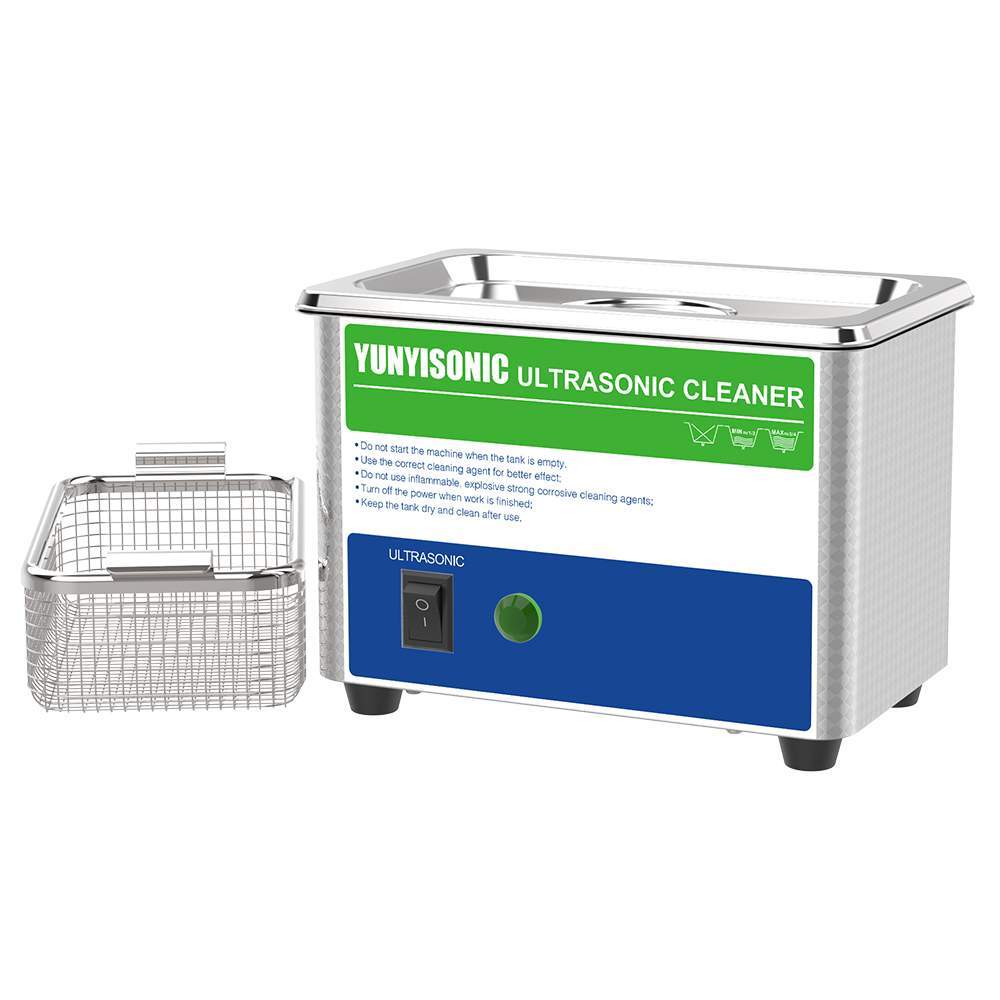

Smartwatches have become part of daily life. An Apple Watch tracks workouts, delivers messages, and stays on your wrist from morning to night. Over time, sweat, dust, skin oils, and grime collect around the case, sensors, and band. When regular wiping no longer feels enough, some users start wondering whether an ultrasonic cleaner can offer a deeper clean.
Ultrasonic cleaners have a reputation for removing dirt from places that are hard to reach. They work fast and require little effort. That makes them tempting for cleaning small electronics. Still, an Apple Watch is not just a metal shell. It is a compact electronic device filled with sensitive components, seals, speakers, and adhesives. Whether ultrasonic cleaning is safe depends on understanding how the technology works and how the Apple Watch is built.
Why Ultrasonic Cleaning Is Gaining Popularity
Ultrasonic cleaning has moved far beyond industrial settings. Once limited to factories and repair labs, these machines are now common in homes. People use them for jewelry, eyeglasses, metal tools, and even personal items like razors.
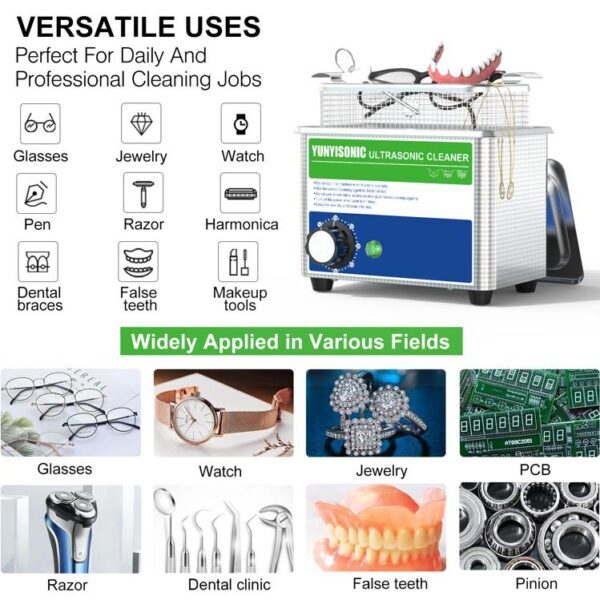
The appeal is simple. Ultrasonic cleaners use sound waves instead of brushes. That means no scrubbing and no visible abrasion. Cavitation bubbles form in liquid and collapse with enough force to lift dirt from tiny gaps. For items with complex shapes, this feels like a perfect solution.
Because smartwatches are small and worn daily, many users assume ultrasonic cleaning might be an easy way to restore a fresh look. The problem is that popularity does not always mean suitability. What works for metal rings or steel tools does not always work for electronics.
How Ultrasonic Cleaning Works
Ultrasonic cleaning relies on high frequency sound waves transmitted through a liquid, usually water mixed with a mild detergent. These sound waves create microscopic bubbles throughout the liquid. When the bubbles collapse, they release localized energy that loosens dirt, oils, and debris.
For jewelry and metal parts, this process is highly effective. It reaches into small openings that brushes cannot access. Typical ultrasonic cleaners operate in the range of 40 kHz to 80 kHz. At these frequencies, the cleaning action is thorough but can still be aggressive for delicate items.

The Principle Behind Ultrasonic Cleaning
The key issue is that ultrasonic energy does not stop at the surface. It travels through materials and into seams, gaps, and bonded layers. That is where problems can arise for electronic devices like the Apple Watch.
The Apple Watch’s Construction and Sensitivities
At first glance, an Apple Watch looks solid and sealed. Many models are rated as water resistant and can handle rain, hand washing, and even swimming. This leads to a common misunderstanding that water resistance means immunity to ultrasonic cleaning.
Inside the watch are tightly packed components. These include the OLED display, sensors, microphones, speakers, vibration motors, and a rechargeable battery. Each part relies on delicate seals, adhesives, and membranes to function properly.
Water resistance is designed to protect against slow and predictable exposure to water. Ultrasonic cleaning introduces rapid pressure changes and vibration at a microscopic level. These forces can stress seals, weaken adhesives, and push liquid into areas that are normally protected.
Even small failures can affect sound quality, touch sensitivity, or sensor accuracy. Once internal damage occurs, it is often expensive or impossible to repair.
What Apple and Repair Experts Say About Ultrasonic Cleaners
Apple’s official cleaning guidance focuses on gentle methods. The company recommends using a soft, lint free cloth, slightly dampened if needed. Mild soap and water may be used for bands, but the watch itself should never be submerged or exposed to harsh cleaning methods.
Professional repair technicians are even more direct. Many warn that ultrasonic cleaning can damage microphones and speakers by rupturing their protective membranes. Others report seeing watches with fogged displays or failing haptics after ultrasonic exposure.
From an expert standpoint, the risk outweighs the benefit. Ultrasonic cleaners are not designed for sealed consumer electronics unless those devices are fully disassembled in a controlled environment.
Can You Put Apple Watch Bands in an Ultrasonic Cleaner?
While the watch body itself is a poor candidate for ultrasonic cleaning, bands are a different story. Many Apple Watch bands are removable and made from materials that tolerate ultrasonic cleaning better than electronics.
Metal bands, especially stainless steel link bracelets, can often be cleaned ultrasonically if done carefully. These bands collect sweat and grime between links, and ultrasonic cleaning can restore their appearance effectively.
Rubber and silicone bands may survive ultrasonic cleaning, but it is not always necessary. Simple soap and water usually work just as well. Leather bands should never be placed in an ultrasonic cleaner, as water and vibration can damage the material and adhesives.
If ultrasonic cleaning is used on a metal band, it should always be removed from the watch first. The band should be placed in a basket, not directly on the tank bottom, and cleaned with a mild solution for a short cycle.
Risks of Putting the Whole Apple Watch in an Ultrasonic Cleaner
Placing the entire Apple Watch into an ultrasonic bath carries several serious risks. One of the biggest is seal failure. Ultrasonic cavitation can force liquid into tiny gaps around buttons, speakers, and sensor openings.
Another risk involves the display. The OLED screen is bonded with adhesive layers that can weaken under vibration and heat. This may lead to screen lifting, discoloration, or reduced touch response.
Audio components are especially vulnerable. The membranes that protect speakers and microphones are thin by design. Ultrasonic energy can damage them even if no water visibly enters the watch.
Long term effects are also a concern. Even if the watch appears to function normally after cleaning, weakened seals may fail later during normal use. This can lead to corrosion months down the line.
Safer Alternatives to Ultrasonic Cleaning for Apple Watches
For most users, safe cleaning methods are simple and effective. A microfiber cloth slightly dampened with fresh water can remove most surface dirt. For stubborn grime, a drop of mild soap on the cloth can help.
Bands should be cleaned separately. Metal bands can be wiped down or soaked briefly in warm soapy water. Silicone bands respond well to gentle brushing with a soft toothbrush. Leather bands should be wiped dry and conditioned according to the manufacturer’s advice.
Compressed air can help remove dust from speaker openings, but it should be used gently and from a distance. Cotton swabs are useful for cleaning around edges and seams.
These methods may take a little more time, but they avoid the risks associated with ultrasonic cleaning.
When Ultrasonic Cleaning Might Be Justified
In rare cases, ultrasonic cleaning is used by professionals during repair or refurbishment. This only happens when the watch is fully disassembled and sensitive components are removed. Even then, cleaning is performed under controlled conditions using specialized solutions and equipment.
For everyday users, this scenario does not apply. Home ultrasonic cleaners lack the precision and safeguards required for electronics. Attempting to replicate professional processes at home is not recommended.
The only practical use of ultrasonic cleaning in this context is for certain metal bands, not the watch body itself.
What to Do If You Already Used an Ultrasonic Cleaner
If an Apple Watch has already been placed in an ultrasonic cleaner, the next steps matter. The watch should be powered off immediately if possible. Dry it thoroughly and avoid charging until it has been inspected.
Signs of damage may include muffled sound, unresponsive touch, fog under the display, or erratic sensor readings. If any of these appear, professional service is advised as soon as possible.
Even if no issues are obvious, internal moisture can cause delayed corrosion. Backing up data and monitoring performance over the next few weeks is wise.
Final Thoughts on Cleaning an Apple Watch Safely
Keeping an Apple Watch clean is important for comfort, hygiene, and performance. However, not every cleaning method is appropriate for a device packed with sensitive electronics.
Ultrasonic cleaners are powerful tools, but that power is exactly what makes them risky for smartwatches. While they excel at cleaning metal jewelry and tools, they can compromise seals, membranes, and adhesives inside an Apple Watch.
A careful approach using gentle, manufacturer recommended methods will always be the safer choice. When deeper cleaning is needed, focus on removable bands and leave the watch body to simpler care. Protecting function should always come before chasing a perfectly spotless finish.